- English
- French
- German
- Portuguese
- Spanish
- Russian
- Japanese
- Korean
- Arabic
- Greek
- German
- Turkish
- Italian
- Danish
- Romanian
- Indonesian
- Czech
- Afrikaans
- Swedish
- Polish
- Basque
- Catalan
- Esperanto
- Hindi
- Lao
- Albanian
- Amharic
- Armenian
- Azerbaijani
- Belarusian
- Bengali
- Bosnian
- Bulgarian
- Cebuano
- Chichewa
- Corsican
- Croatian
- Dutch
- Estonian
- Filipino
- Finnish
- Frisian
- Galician
- Georgian
- Gujarati
- Haitian
- Hausa
- Hawaiian
- Hebrew
- Hmong
- Hungarian
- Icelandic
- Igbo
- Javanese
- Kannada
- Kazakh
- Khmer
- Kurdish
- Kyrgyz
- Latin
- Latvian
- Lithuanian
- Luxembou..
- Macedonian
- Malagasy
- Malay
- Malayalam
- Maltese
- Maori
- Marathi
- Mongolian
- Burmese
- Nepali
- Norwegian
- Pashto
- Persian
- Punjabi
- Serbian
- Sesotho
- Sinhala
- Slovak
- Slovenian
- Somali
- Samoan
- Scots Gaelic
- Shona
- Sindhi
- Sundanese
- Swahili
- Tajik
- Tamil
- Telugu
- Thai
- Ukrainian
- Urdu
- Uzbek
- Vietnamese
- Welsh
- Xhosa
- Yiddish
- Yoruba
- Zulu
_1788490886865.webp)
_1788490989754.webp)
_1788490971871.webp)
_1788490970397.webp)
JIS Flanges
Material: Carbon Steel, Stainless Steel, Alloy Steel, Duplex Stainless Steel
Thickness: According to JIS Standard and Customer Requirements
Standard: JIS B2220, JIS B2238, JIS B2239, JIS B2240 and other applicable JIS flange standards
JIS Flanges are standardized pipe connection components manufactured according to Japanese Industrial Standards. They are widely used in industrial piping systems requiring reliable sealing, standardized dimensions, stable mechanical performance, and convenient interchangeability.
JIS flange standards define important parameters including nominal diameter, outside diameter, flange thickness, bolt circle diameter, bolt-hole size, pressure class, and sealing face.
Common JIS flange types include Slip On Flanges, Weld Neck Flanges, Blind Flanges, Threaded Flanges, Lap Joint Flanges, and Socket Weld Flanges.
JIS Flanges are widely used in oil and gas, petrochemical, chemical processing, water treatment, power generation, shipbuilding, machinery manufacturing, HVAC, and general industrial piping systems.
Pressure Range: 2K, 5K, 10K, 16K, 20K, 30K, 40K and higher according to applicable standard
Flange Face Type: Flat Face, Raised Face and other sealing faces according to project requirements
Connection: Slip On, Butt Weld, Threaded, Socket Weld, Lap Joint or Blind
Manufacturing Process: Forging and Machining
JIS Flanges Descriptions
JIS Flanges are pipeline connection components manufactured according to Japanese Industrial Standards. Their dimensions, bolt patterns, pressure classes, sealing surfaces, and connection structures are standardized to provide reliable compatibility between pipes, valves, pumps, pressure vessels, and industrial equipment.
Depending on operating pressure, temperature, medium, and installation requirements, JIS Flanges can be manufactured from carbon steel, stainless steel, alloy steel, and duplex stainless steel.
They are available in multiple designs, including Weld Neck, Slip On, Blind, Threaded, Socket Weld, and Lap Joint Flanges.
JIS Flanges Specification
| Feature / Performance | Description |
|---|---|
| Type | Weld Neck Flanges, Slip On Flanges, Blind Flanges, Threaded Flanges, Socket Weld Flanges, Lap Joint Flanges |
| Material | Carbon Steel, Stainless Steel, Alloy Steel, Duplex Stainless Steel |
| Sizes | DN15 – DN5000, Customized Sizes Available |
| Pressure | 2K, 5K, 10K, 16K, 20K, 30K, 40K |
| Common Standards | JIS B2220, JIS B2238, JIS B2239, JIS B2240 |
| Flange Face | Raised Face, Flat Face and Customized Sealing Surfaces |
| Connection Methods | Butt Weld, Slip On, Threaded, Socket Weld, Lap Joint, Bolted Connection |
| Advantages | Standardized Dimensions, Reliable Sealing, Convenient Installation, Multiple Pressure Classes, Wide Material Selection |
| Production Process | Raw Material Inspection → Cutting → Forging → Heat Treatment → Machining → Drilling → Inspection → Marking → Surface Treatment → Packing |
| Product Testing | Chemical Analysis, Mechanical Testing, Dimensional Inspection, UT, MT, PMI, Hardness Testing and Third-Party Inspection when required |
| Production Equipment | Forging Hammers, Hydraulic Presses, Heat Treatment Furnaces, CNC Lathes, Drilling Machines, Testing Equipment and Marking Machines |
| Application | Oil & Gas, Petrochemical, Chemical Processing, Power Generation, Water Treatment, Marine, HVAC, Machinery and Industrial Pipeline Systems |
Slip-On Flanges
Our JIS Slip-On Flanges are designed to slide easily over pipes, with an inside diameter slightly larger than the outside diameter of the pipe.
They are normally connected to the pipe by fillet welding on both the inside and outside. Their simple structure, easy alignment, and convenient installation make them suitable for low- and medium-pressure piping systems.
JIS Slip-On Flanges are commonly supplied in pressure classes such as 5K, 10K, 16K, and 20K according to the applicable standard and project requirements.
They are widely used in water treatment, chemical processing, industrial utility systems, HVAC, machinery, and marine pipelines.
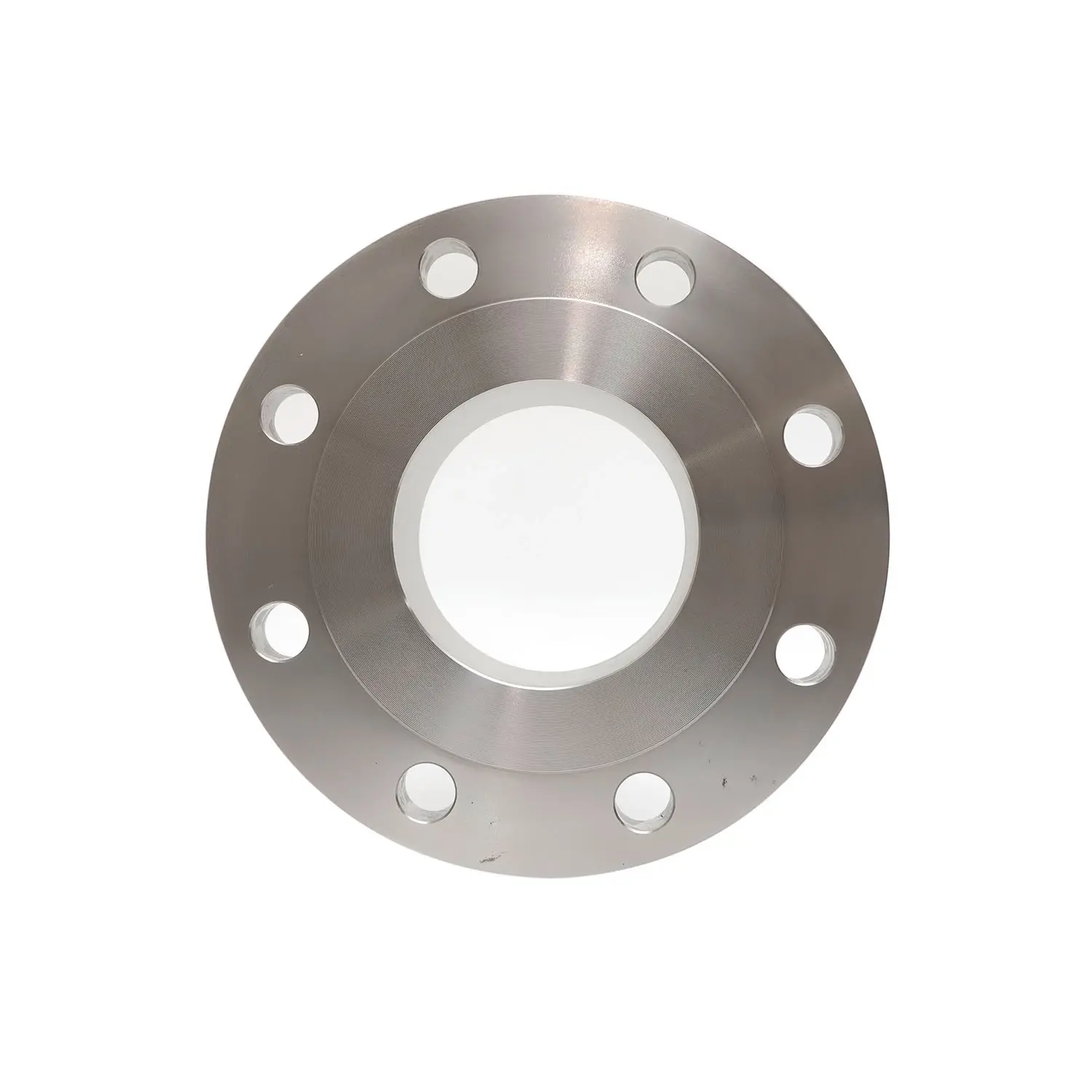
Slip-On Flanges
Weld Neck Flanges
JIS Weld Neck Flanges are distinguished by their tapered hub, which provides a smooth transition between the flange and the connected pipe.
This structure helps distribute stress and makes the flange suitable for pipelines exposed to higher pressure, temperature changes, vibration, or demanding operating conditions.
JIS Weld Neck Flanges are widely used in oil and gas, petrochemical processing, power generation, pressure vessels, chemical plants, and high-pressure industrial piping systems.
They can be manufactured in different JIS pressure classes and materials according to project requirements.
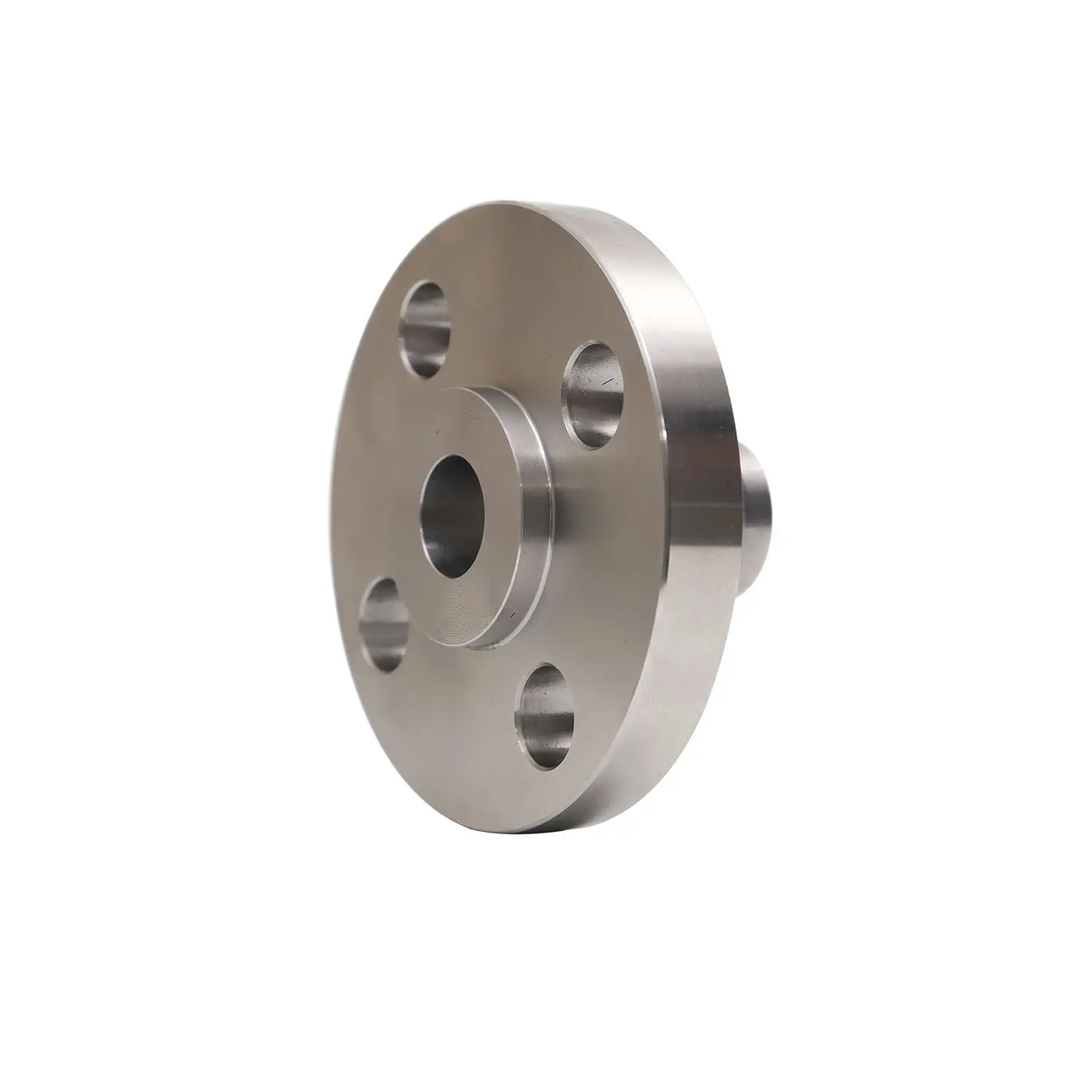
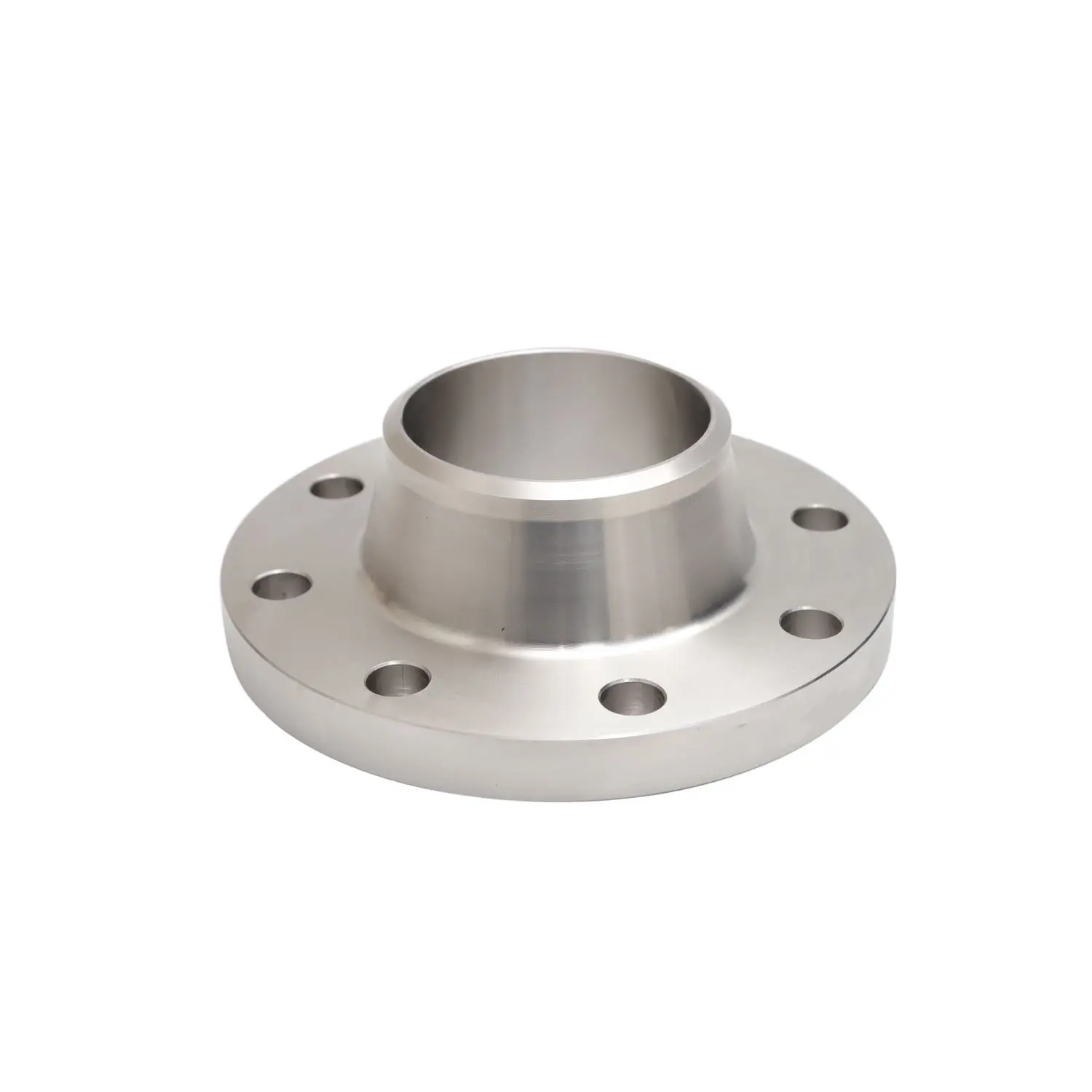
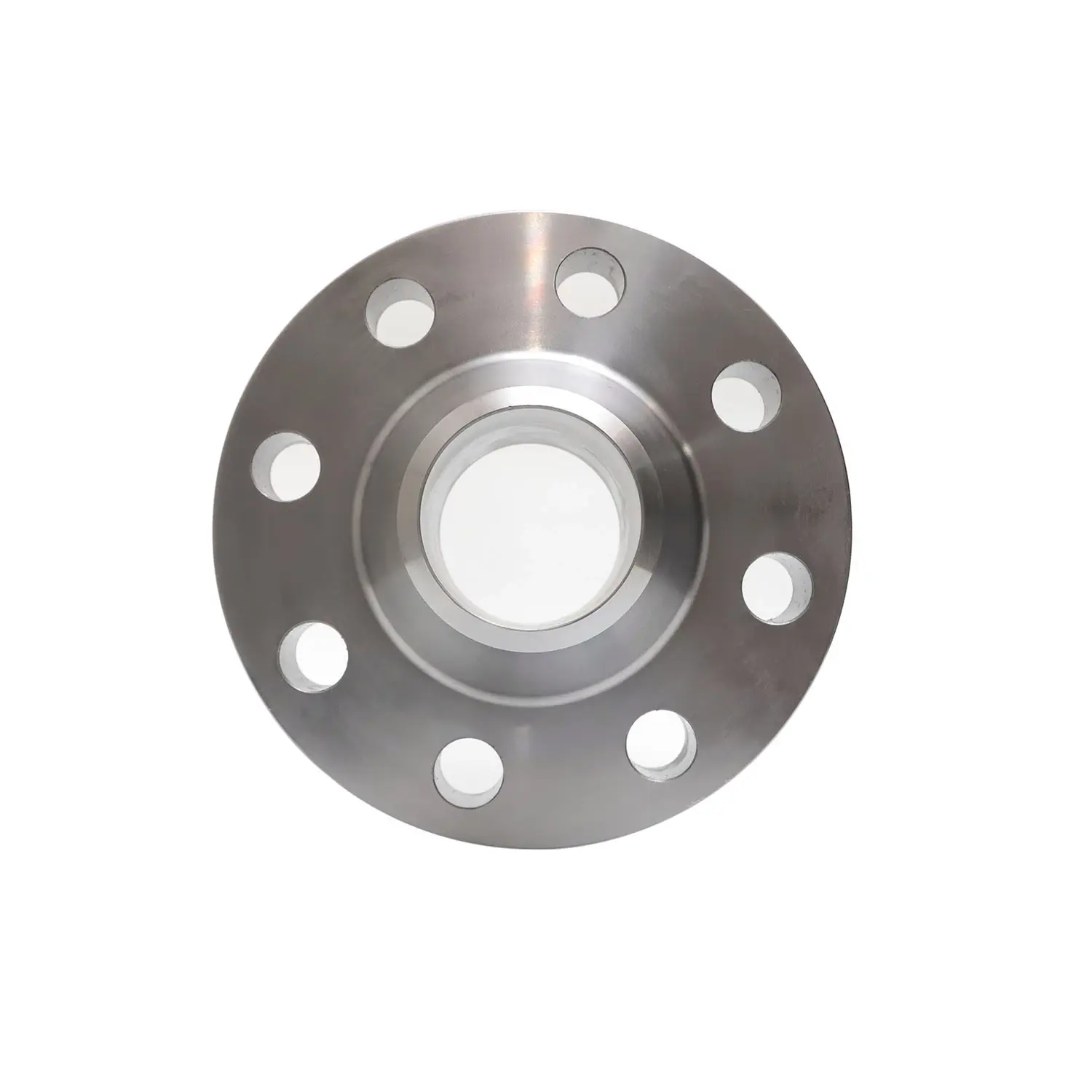
Weld Neck Flanges
Socket Weld Flanges
A JIS Socket Weld Flange features a recessed socket into which the pipe end is inserted before welding.
The structure offers good rigidity, compact dimensions, reduced welding deformation, and reliable sealing performance.
Socket Weld Flanges are particularly suitable for smaller-diameter piping systems where strong connections and compact installation are required.
They are commonly used in petroleum, chemical processing, power generation, shipbuilding, pharmaceuticals, machinery, and industrial process systems.
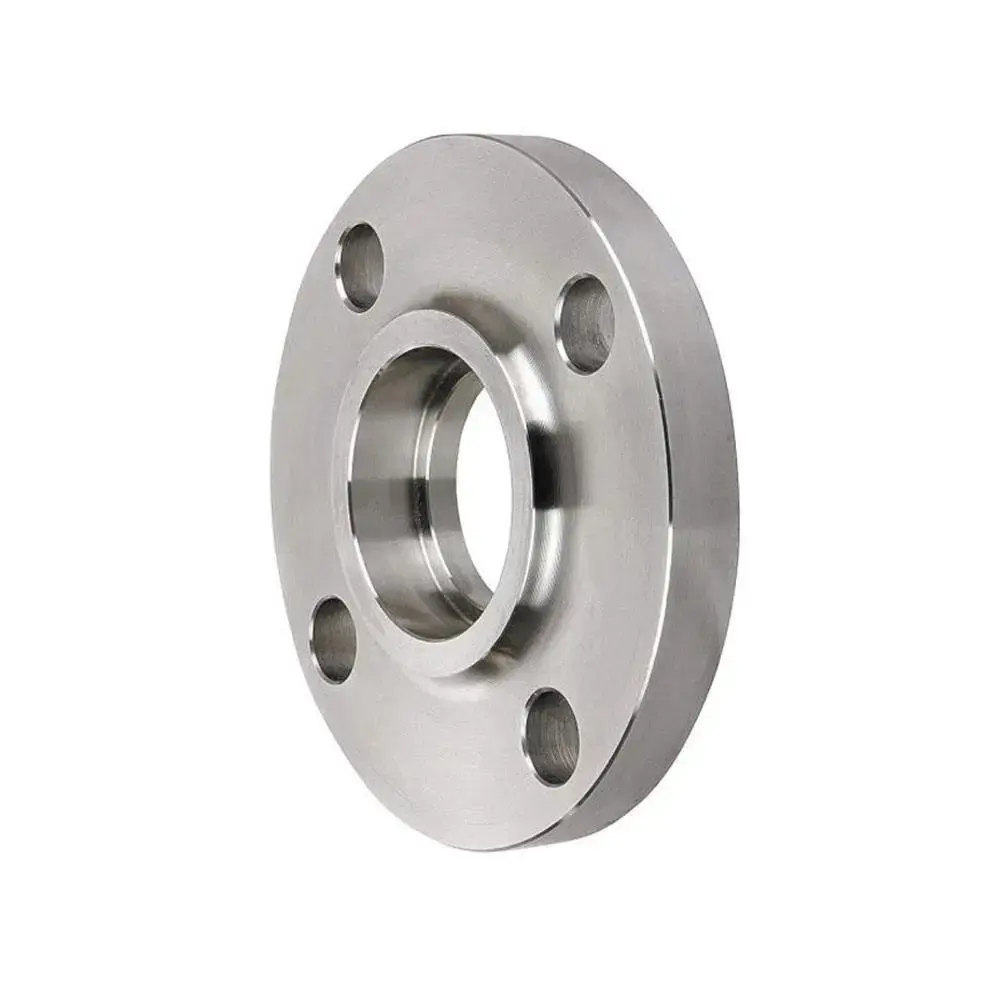
Socket Weld Flange
Threaded Flanges
JIS Threaded Flanges have internal pipe threads machined into the flange bore and connect directly to pipes with corresponding external threads.
This connection method helps reduce field welding requirements and is useful in applications where welding is inconvenient or restricted.
Threaded Flanges are generally used for lower-pressure piping, utility lines, compressed air, water systems, and general industrial applications.
They can be supplied in carbon steel, stainless steel, alloy steel, and other materials according to customer requirements.
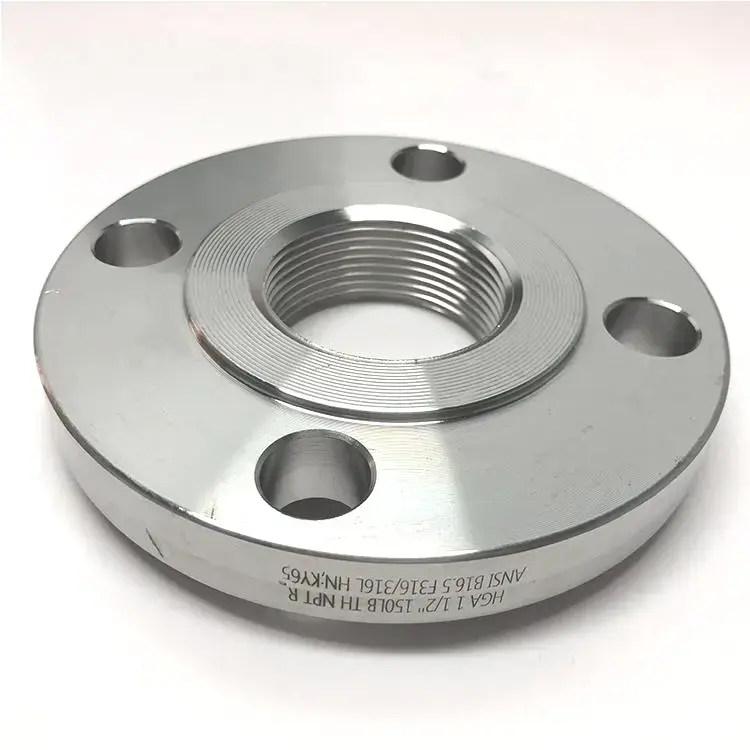
Threaded Flanges
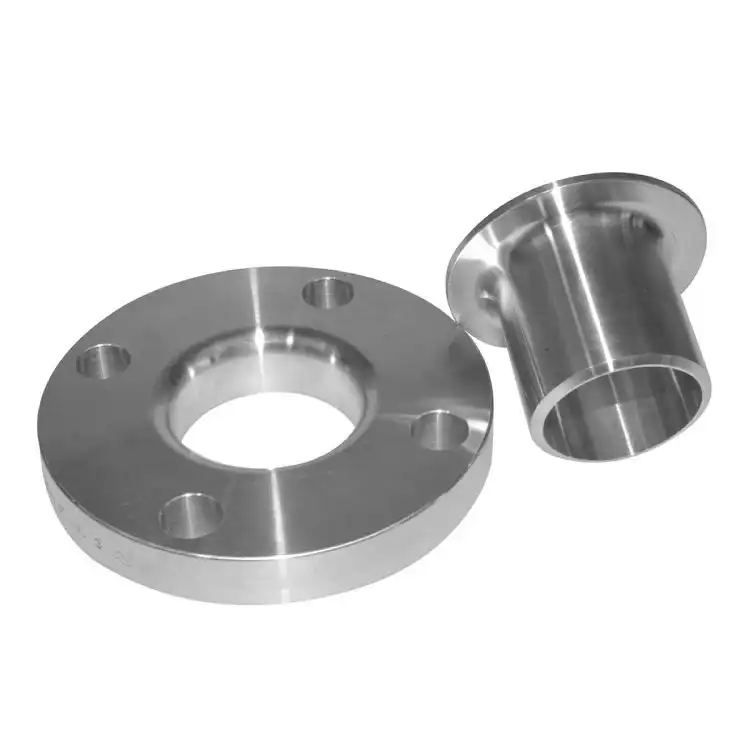
Lap Joint Flanges
JIS Lap Joint Flanges are designed for use together with stub ends or collars.
The loose flange can rotate around the pipe, which makes alignment of bolt holes easier during installation.
This design is particularly suitable for piping systems requiring frequent dismantling, inspection, cleaning, or maintenance.
JIS Lap Joint Flanges are widely used in chemical processing, water treatment, food processing, marine piping, and corrosion-resistant pipeline systems.
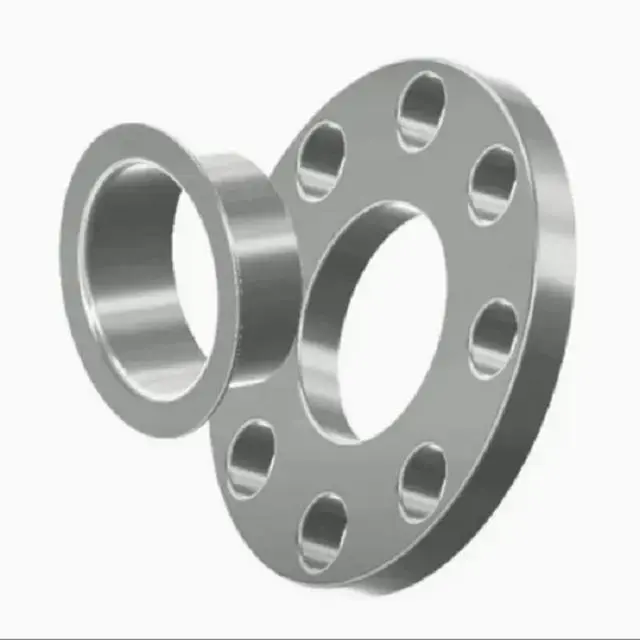
Lap Joint Flanges
Blind Flanges
JIS Blind Flanges are solid flanges without a center bore and are used to close the end of pipelines, valves, pressure vessels, and equipment nozzles.
Their removable bolted design provides easier inspection, maintenance, cleaning, and future pipeline expansion compared with permanently welded pipe caps.
JIS Blind Flanges are available in multiple pressure classes and can be manufactured from carbon steel, stainless steel, alloy steel, and duplex stainless steel.
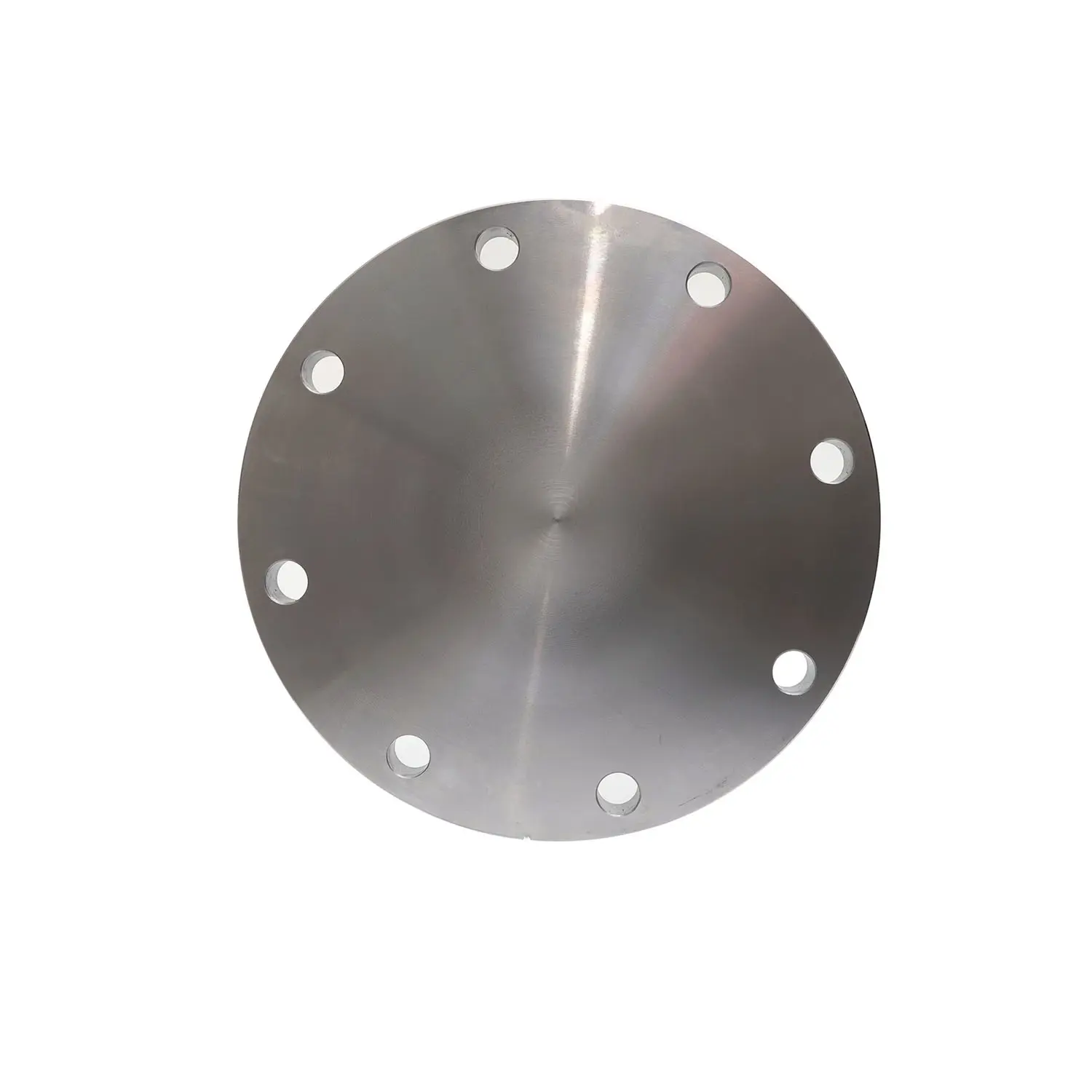
Blind Flanges
Advantages of JIS Flanges
Standardized Dimensions and Interchangeability
JIS Flanges are manufactured according to established Japanese dimensional standards, providing consistent outside diameters, bolt-hole arrangements, flange thicknesses, bore dimensions, and sealing surfaces.
This helps simplify installation, replacement, and maintenance across compatible piping systems.
Reliable Sealing Performance
Different JIS flange facing designs can be selected according to operating conditions.
When correctly matched with suitable gaskets, JIS Flanges provide dependable sealing for water, steam, gas, oil, chemicals, and industrial process pipelines.
Multiple Pressure Classes
JIS Flanges are available in several pressure classes, including 2K, 5K, 10K, 16K, 20K, 30K, and 40K.
This allows suitable flange designs to be selected for low-, medium-, and high-pressure piping systems.
Multiple Connection Types
Our JIS Flanges are available in Weld Neck, Slip On, Blind, Threaded, Socket Weld, Lap Joint, and other configurations.
Different connection types can therefore be selected according to installation and maintenance requirements.
Broad Material Selection
JIS Flanges can be manufactured from carbon steel, stainless steel, alloy steel, duplex stainless steel, and other special materials.
Suitable materials can be selected for applications involving corrosion, pressure, temperature, seawater, or demanding industrial environments.
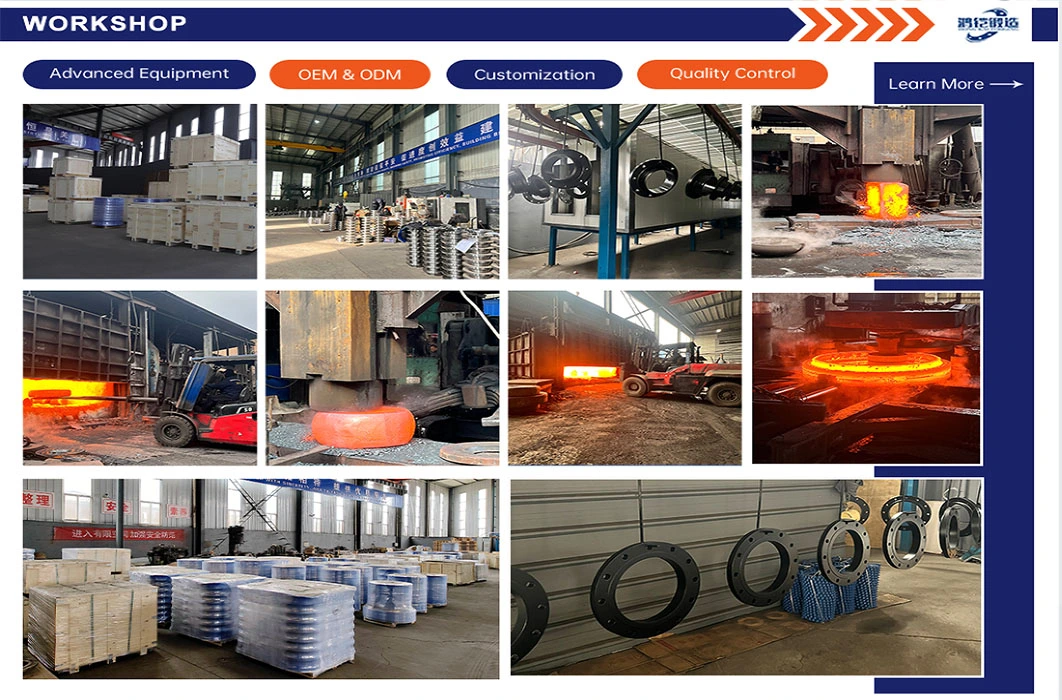
Applications
Oil and Gas Industry
JIS Flanges are widely used in oil and gas pipelines, process equipment, storage systems, valves, pumps, and auxiliary piping.
Different pressure classes and materials can be selected according to temperature, operating pressure, and medium requirements.
Water Treatment Systems
Municipal water supply, wastewater treatment plants, pumping stations, and industrial water systems commonly use JIS Flanges because of their standardized dimensions and convenient installation.
Chemical Processing
Chemical plants use JIS Flanges in process piping, reactors, storage tanks, heat exchangers, pumps, valves, and equipment connections.
Stainless steel, alloy steel, and duplex stainless steel can be selected for corrosive environments.
Power Generation
JIS Flanges are suitable for cooling water, steam, condensate, fuel, and auxiliary piping systems used in power generation facilities.
Higher pressure classes and special materials are available for demanding operating conditions.
Marine and Shipbuilding
JIS standards are widely used in marine and shipbuilding applications.
JIS Flanges can be used for seawater, cooling water, fuel, drainage, ballast, and utility piping systems.
Industrial Manufacturing
JIS Flanges are also widely used in machinery, HVAC systems, food processing equipment, pressure vessels, pumps, valves, heat exchangers, and general industrial pipelines.
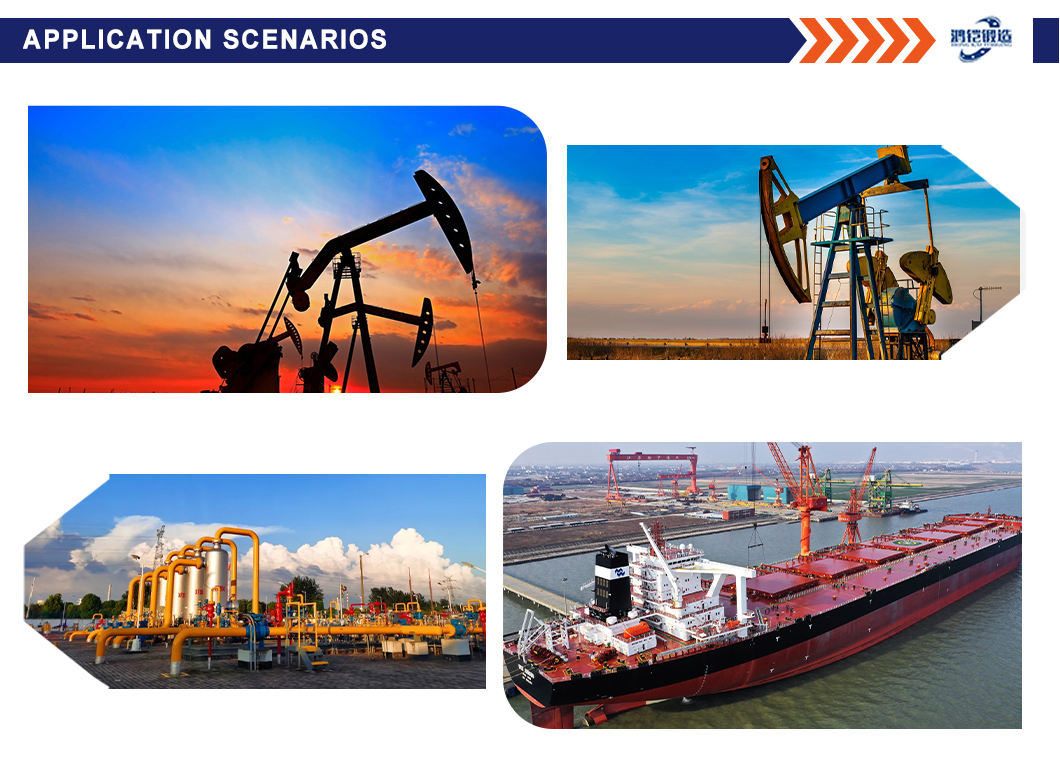
Why Choose Us
JIS Standards Manufacturing Capability
We manufacture JIS Flanges according to applicable Japanese Industrial Standards and customer technical requirements.
products can also be supplied according to ASME/ANSI, EN, DIN, UNI, BS, AWWA, GOST, and other international standards for different projects and markets.
Comprehensive Production Capabilities
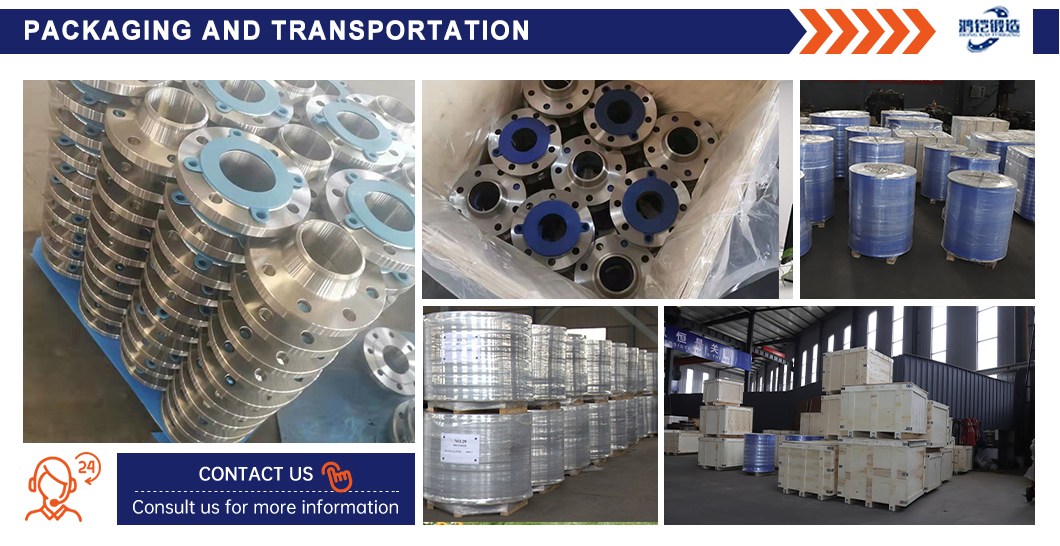
Our integrated manufacturing facilities cover raw material inspection, forging, heat treatment, machining, drilling, surface finishing, testing, marking, and packaging.
This enables consistent quality control throughout the complete production process.
Extensive Size and Pressure Range
We can supply JIS Flanges in a wide range of nominal diameters and pressure classes to meet different pipeline and equipment requirements.
Both standard products and customized flanges can be manufactured according to customer drawings or technical specifications.
Multiple Material Options
Available materials include carbon steel, stainless steel, alloy steel, duplex stainless steel, and other special grades.
Material certificates can be provided according to customer and project requirements.
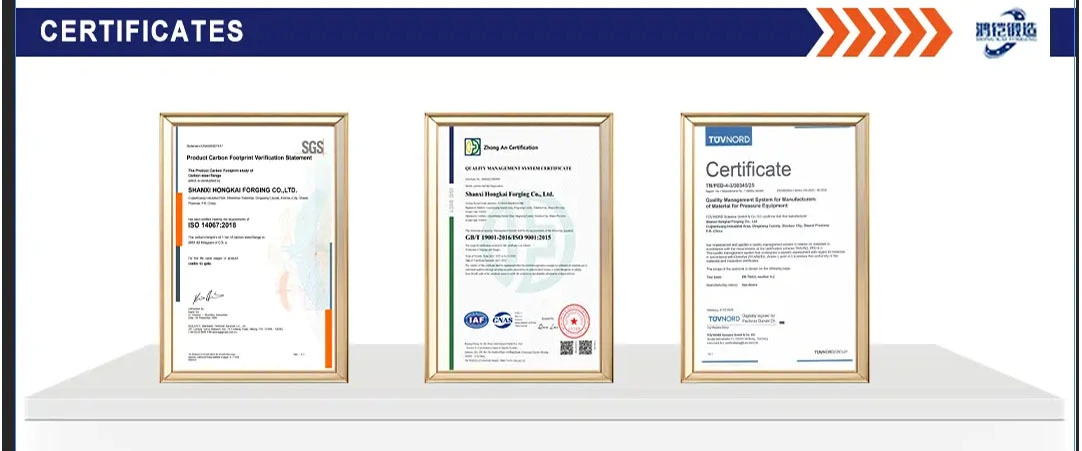
Quality Assurance
Our JIS Flanges undergo dimensional inspection, visual inspection, material verification, and physical and chemical testing when required.
Additional testing such as ultrasonic testing, magnetic particle testing, PMI, hardness testing, and third-party inspection can also be provided according to customer specifications.
International Supply Experience
With experience supplying international industrial markets, we understand different standards, documentation requirements, inspection procedures, packaging requirements, and project specifications.
COMPANY PROFILE
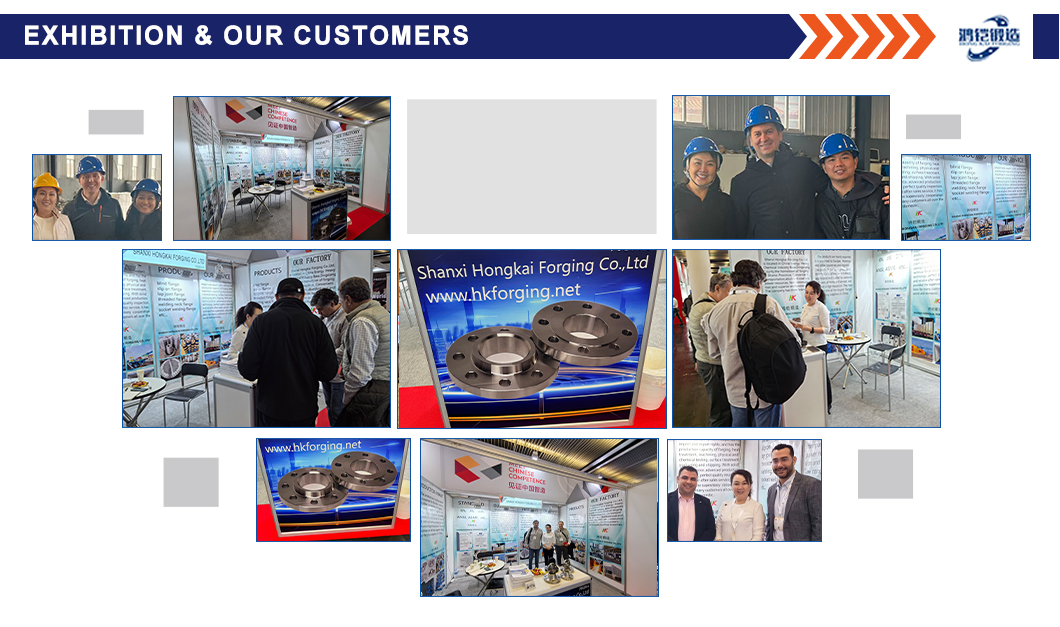
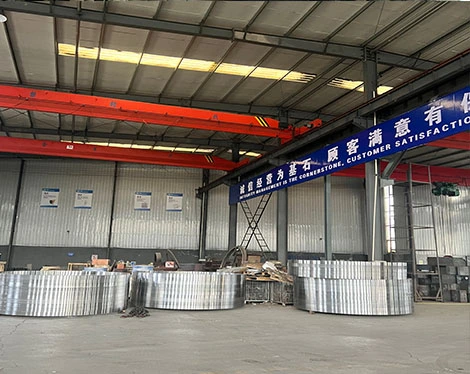
Shanxi HongKai Forging Co., Ltd. is located in Dingxiang County, Shanxi Province, China, known as one of China's important flange forging production areas.
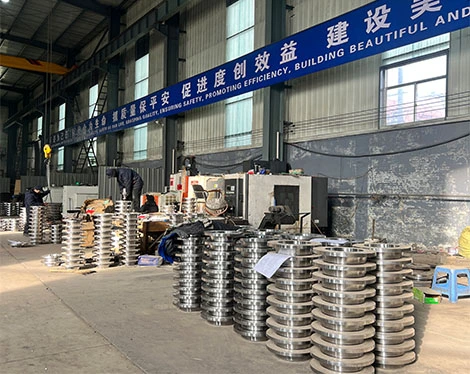
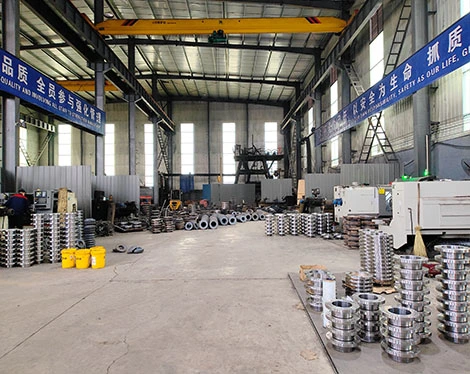
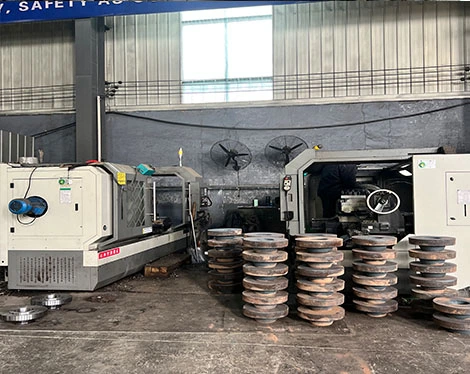
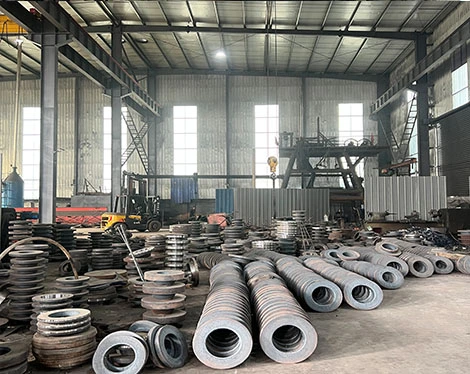
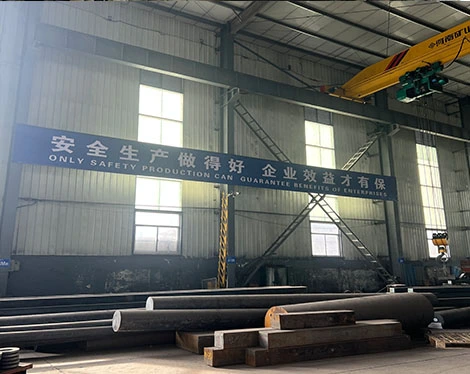
We have extensive experience in the flange and forging industry and operate integrated manufacturing facilities covering forging, heat treatment, machining, physical and chemical testing, surface treatment, packaging, and shipment.
Our production capabilities allow us to control the complete flange manufacturing process from raw material inspection to finished product delivery.
We manufacture flanges according to major international standards including:
ASME B16.5 / ASME B16.47
EN 1092-1
DIN
JIS
UNI
BS
AWWA
GOST
Available materials include carbon steel, stainless steel, alloy steel, duplex stainless steel, and other customized material grades.
Our products are widely supplied to oil and gas, petrochemical, chemical processing, power generation, water treatment, shipbuilding, machinery manufacturing, pressure vessel, and general industrial piping markets.
FAQ
Q: What are JIS Flanges?
A: JIS Flanges are pipeline connection components manufactured according to Japanese Industrial Standards. They are widely used for connecting pipes, valves, pumps, pressure vessels, and other industrial equipment.
Q: What are the common JIS flange standards?
A: Common JIS flange standards include JIS B2220 and related JIS flange specifications used for different materials, dimensions, pressure classes, and industrial applications.
Q: What pressure classes are available for JIS Flanges?
A: Common pressure classes include 2K, 5K, 10K, 16K, 20K, 30K, and 40K. Available pressure classes depend on flange type, size, material, temperature, and the applicable JIS specification.
Q: What types of JIS Flanges can you manufacture?
A: We can manufacture Weld Neck Flanges, Slip On Flanges, Blind Flanges, Threaded Flanges, Socket Weld Flanges, Lap Joint Flanges, and other customized JIS flange configurations.
Q: What materials are available for JIS Flanges?
A: Common materials include carbon steel, stainless steel, alloy steel, and duplex stainless steel. Special materials can also be supplied according to drawings, specifications, and operating conditions.
Q: What is the difference between JIS Flanges and DIN Flanges?
A: JIS Flanges follow Japanese Industrial Standards and commonly use pressure classes such as 5K, 10K, 16K, and 20K. DIN Flanges follow German standards and generally use PN pressure designations such as PN10, PN16, PN25, and PN40. Their dimensions, bolt-hole arrangements, and pressure classifications may differ.
Q: Can JIS Flanges be customized?
A: Yes. We can manufacture JIS Flanges according to customer drawings and technical requirements, including customized dimensions, materials, pressure classes, sealing faces, drilling patterns, coatings, markings, and inspection requirements.
Contact Us
Ready to discuss your JIS Flanges requirements?
Contact our technical team at kevin.zhao@hkflange.com for technical support, product selection, customized manufacturing, and competitive quotations.
Clear Communication, and Reliable Technical Support