- English
- French
- German
- Portuguese
- Spanish
- Russian
- Japanese
- Korean
- Arabic
- Greek
- German
- Turkish
- Italian
- Danish
- Romanian
- Indonesian
- Czech
- Afrikaans
- Swedish
- Polish
- Basque
- Catalan
- Esperanto
- Hindi
- Lao
- Albanian
- Amharic
- Armenian
- Azerbaijani
- Belarusian
- Bengali
- Bosnian
- Bulgarian
- Cebuano
- Chichewa
- Corsican
- Croatian
- Dutch
- Estonian
- Filipino
- Finnish
- Frisian
- Galician
- Georgian
- Gujarati
- Haitian
- Hausa
- Hawaiian
- Hebrew
- Hmong
- Hungarian
- Icelandic
- Igbo
- Javanese
- Kannada
- Kazakh
- Khmer
- Kurdish
- Kyrgyz
- Latin
- Latvian
- Lithuanian
- Luxembou..
- Macedonian
- Malagasy
- Malay
- Malayalam
- Maltese
- Maori
- Marathi
- Mongolian
- Burmese
- Nepali
- Norwegian
- Pashto
- Persian
- Punjabi
- Serbian
- Sesotho
- Sinhala
- Slovak
- Slovenian
- Somali
- Samoan
- Scots Gaelic
- Shona
- Sindhi
- Sundanese
- Swahili
- Tajik
- Tamil
- Telugu
- Thai
- Ukrainian
- Urdu
- Uzbek
- Vietnamese
- Welsh
- Xhosa
- Yiddish
- Yoruba
- Zulu
Blind Flange
Material: Stainless Steel, Carbon Steel, Alloy Steel, etc.
Thickness: Schedule 10(S) to SCH 160.
Standard: ASTM, ASME, ANSI, DIN, EN, JIS, etc.
Class Range: Class 150 to 2500 (# or LB). PN 2.5 to PN 250.
Face Type: RF, FF, MFM, TG, RJ.
Manufacturing Process: Forging.
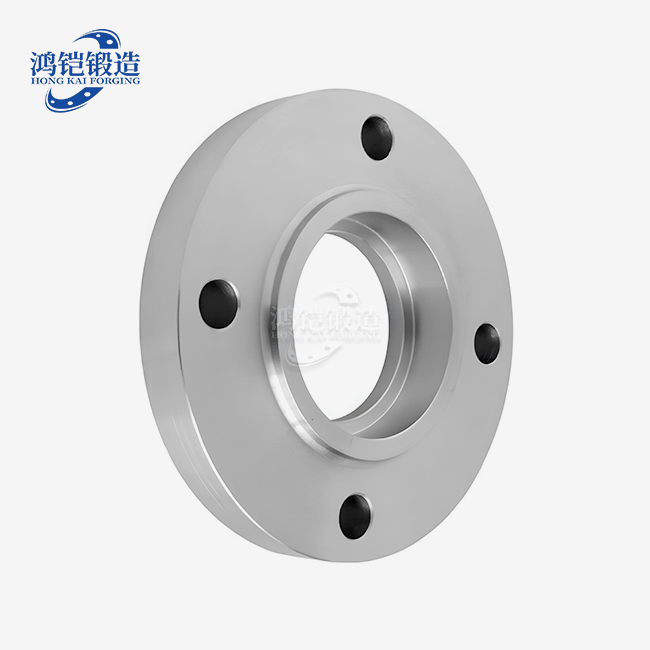
Blind flange is a solid disc closing pipe ends, preventing fluid leakage. It provides easy access for inspection and maintenance, with robust sealing performance.
It complies with standards like ANSI/ASME B16.5, DIN, EN 1092-1, and GOST , available in PN6-PN160 and DN15-DN5000, with materials including carbon steel, stainless steel, and alloy steel.
Applied in oil refineries, chemical plants, pipelines, and pressure vessels for end sealing.
Blind Flange - Professional Pipe Termination Solutions
Shanxi HongKai Forging Co., Ltd. specializes in manufacturing premium Blind Flange arrangements that meet worldwide industry benchmarks. Our enterprise-grade pipe end items include vigorous fixing execution with details extending from DN15 to DN4000 and weight evaluations from PN6 to PN160. With coordinates generation capabilities traversing fashioning, warm treatment, machining, and comprehensive quality review, we convey solid product components that comply with ASME B16.5, EN1092-1, DIN, and GOST standards for critical industrial applications worldwide.
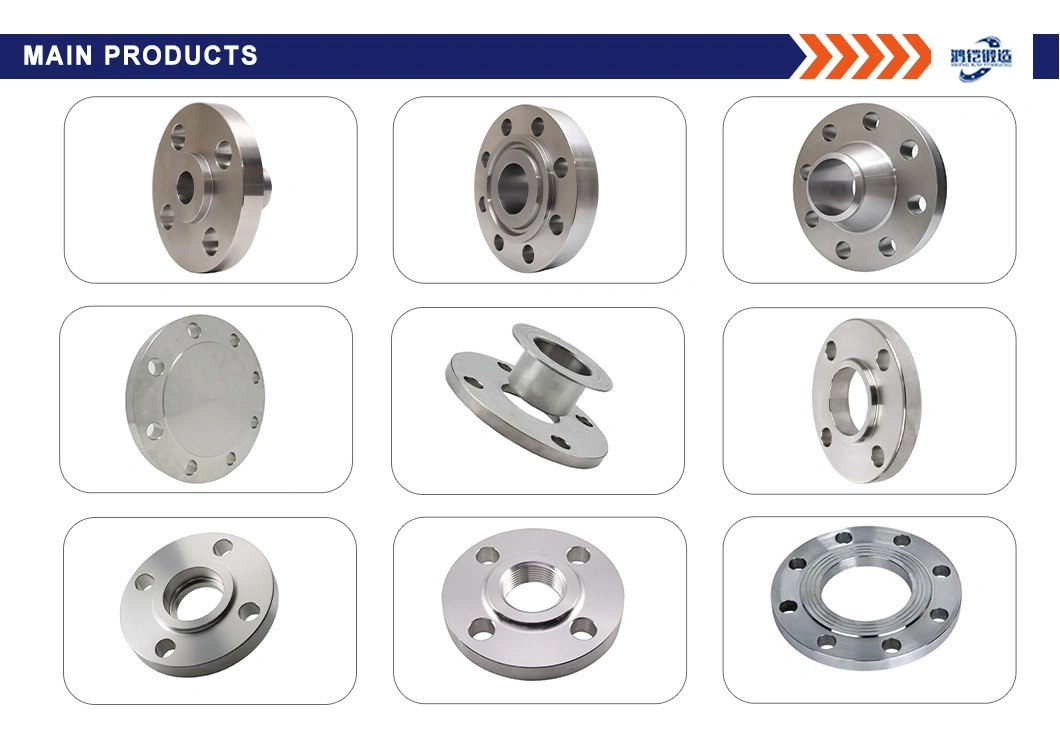
What is Blind Flange
this is a strong plate component planned to totally seal pipe closes and avoid liquid spillage in your channeling frameworks. Not at all like conventional flanges with center bores, this specialized component needs any opening, making it idealize for line end applications.
You'll discover these closure plates priceless when you require secure, leak-proof seals for high-pressure line endings. They bear most extreme bowing push at the center whereas keeping up considerable gasket seating constrain around the edge. This building plan guarantees solid execution beneath requesting mechanical conditions.
The detachable nature of these components gives you simple get to for support, assessment, and future framework extension. You won't require cutting or welding operations when adjustment gets to be essential. Essentially expel the spine to get to your pipe insides or expand your channeling framework as necessities change.
Specifications
| Standard | Type | Size Range | Pressure Rating / Class | Material Options | Face Types |
|---|---|---|---|---|---|
| ASME B16.5 | Weld Neck (WN), Lap Joint (LJ), Socket Weld (SW), Threaded (TF), Blind (BL) | 1/2"-24" / DN15-DN600 | 150#-2500# / Class 150-2500 | Carbon Steel, SS 304/316L | RF, FF, RTJ |
| ASME B16.47 Series A | Weld Neck (WN), Blind (BL) | 22"-60" / DN650-DN5000 | 150#-900# / Class 150-900 | Alloy Steel, Duplex SS | RF, RTJ |
| ASME B16.47 Series B | Weld Neck (WN), Blind (BL) | 26"-60" | 75#, 400#, 600# | Alloy Steel, Duplex SS | RF, RTJ |
| ASME B16.47 Series B | Weld Neck (WN), Blind (BL) | 26"-48" | 900# | Alloy Steel, Duplex SS | RF, RTJ |
| EN1092-1:2002 | Weld Neck (WN), Slip-On (SO), Lap Joint (LJ), Socket Weld (SW), Threaded (TF), Blind (BL) | DN10-DN4000 / DN15-DN4000 | PN2.5-PN100 / PN6-PN160 | Carbon Steel, Stainless Steel | Type A, B, C |
| JIS B2220 | Weld Neck (WN), Slip-On (SO), Lap Joint (LJ), Socket Weld (SW), Threaded (TF), Blind (BL) | DN10-DN1500 / 15A-1500A | PN6-PN100 / 10K-40K | Carbon Steel, SS 304/316 | RF, FF |
| BS4504 BS10 Table D/E | Weld Neck (WN), Slip-On (SO), Lap Joint (LJ), Socket Weld (SW), Threaded (TF), Blind (BL) | DN10-DN1500 | PN6-PN100 | Carbon Steel, Stainless Steel | RF, FF |
| DIN Standards | Various Flange Types | DN15-DN2000 | PN6-PN100 | Various Alloys | RF, FF |
| Sealing Surface | Raised Face (RF), Flat Face (FF), Male and Female Face (MFM), Tongue and Groove Face (TG), Ring Joint Face (RJ) | - | - | - | RF, FF, MFM, TG, RJ |
| Coating | Varnish, Yellow Paint, Anti-rust Oil, Galvanizing, Black Paint, etc. | - | - | - | - |
Materials & Grades
| Material | Grade |
|---|---|
| Carbon Steel | ASTM A105, 20#, Q235, 16Mn, ASTM A350 LF1, LF2 CL1/CL2, LF3 CL1/CL2, ASTM A694 F42, F46, F48, F50, F52, F56, F60, F65, F70 |
| Alloy Steel | ASTM A182 F1, F5a, F9, F11, F12, F22, F91, A182F12, A182F11, 16MnR, Cr5Mo, 12Cr1MoV, 15CrMo, 12Cr2Mo1, A335P22, St45.8/Ⅲ; |
| Stainless Steel | ASTM A182 F304, 304L, F316, 316L, 1Cr18Ni9Ti, 0Cr18Ni9Ti, 321, 18-8; |
| Duplex and Super Duplex | ASTM/ASME A/SA 182 F44, F45, F51, F53, F55, F60, F61, S31803, S32205, S32550, S31254, SMO254, S32750, S32760, S32950 |
| Nickel Alloy Steel | ASTM/ASME B/SB151 UNS N07060, 71500, C70600 (CuNi 90/10), C71500 (CuNi 70/30) |
| UNS N08825( INCOLOY 825), UNS N06600(INCONEL 600), UNS N06601(INCONEL 601), | |
| UNS N06625(INCONEL 625), UNS N10276(HASTELLOY C276) | |
| ASTM/ASME B/SB151 UNS N07060, 71500, C70600 (CuNi 90/10), C71500(CuNi 70/30) | |
| Copper Alloy | ASTM/ASME B/SB151 UNS N07060, 71500, C70600 (CuNi 90/10), C71500 (CuNi 70/30) |
| Titanium | ASTM/ASME B/SB381 Grade 2, Grade 5, Grade 7 |
Blind flanges are available in a variety of materials. These materials must meet the standards. The material should also meet the quality specified by ASTM or ASME standards. The thickness and inner diameter of the flange depend on the size of the pipe for which this Blind flange is manufactured.
Carbon steel flanges are commonly used manufacturing materials for Blind flanges. You can choose the appropriate material according to the medium of the pipeline. You can choose ASTM A105 for normal temperature, ASTM A350 for low temperature, and ASTM A694 for high temperature.
Flanges are available in a variety of grades, such as ASME B16 5, ASME B16 47 “A” series and “B” series to meet the needs of customers and industries.
In addition to this material, Blind flanges are also available in stainless steel and alloy steel, which have material properties such as corrosion resistance, high temperature resistance, and wear resistance. At the same time, we also have duplex steel materials to meet the technical requirements of various pipelines of customers. The following table shows the grades of these common materials:
Dimensions
Below we have listed some sizes of Blind Flanges (Class 150) under ASME B16.5 (1/2″ to 24″)

ASME B16.47 Series A Class 150 Blind Flange
- 1/2″ NPS flange has an outer diameter of 3.50″. The raised face thickness is 0.44″ and has 4 bolt holes.
- 3/4″ NPS flange has an outer diameter of 3.88″. The raised face thickness is 0.50″ with 4 bolt holes.
- 1″ NPS flange has an outer diameter of 4.25″. The raised face thickness is 0.56″ and the standard bolt holes are 4 numbers.
- 2″ NPS flange has an outer diameter of 6.00″. The raised face thickness is 0.75″ and the flange has 4 bolt holes.
- 5″ NPS flange has an outer diameter of 10.00″. The raised face thickness is 0.94″, and it has 8 bolt holes.
- 6″ NPS flange has an outer diameter of 11.00″. The raised face thickness is 1.00″, and it has 8 bolt holes.
- 10″ NPS flange has an outer diameter of 16.00″. The raised face thickness is 1.18″, and it has 12 bolt holes.
- 20″ NPS flange has an outer diameter of 27.50″. The raised face thickness is 1.68″, and it has 20 bolt holes.
- 24″ NPS flange has an outer diameter of 32.00″. The raised face thickness is 1.87″, and it has 20 bolt holes.
Standardized Blind Flanges
- Blind Flanges are commonly standardized as ASME B16.5 and ASME B16.47, with sizes ranging from 1/2 inch to 60 inch.
- Sealing surface types include raised face (RF), flat face (FF), dimpled face (MFM), tongue and groove (TG), ring joint (RJ), and so on.
- Applicable pressure classes include Class 75, 150, 300, 400, 600, 900, 1500, 2500.
Advantages of Blind Flange
Superior Fixing Execution
You get total stream confinement with zero spillage potential. The strong circle plan dispenses with any plausibility of liquid entry, guaranteeing supreme framework security.
Easy Support Get to
These components give detachable get to focuses for your channeling frameworks. You can rapidly dismantle segments for assessment, cleaning, or alterations without lasting alterations.
Cost-Effective Arrangement
Compared to welded caps, you spare cash on future adjustments. The reusable nature kills cutting and rewelding costs when framework changes ended up necessary.
High-Pressure Capability
Our Blind Flange products withstand extraordinary weight conditions. The expanded thickness plan handles full inside weight acting against the level surface effectively.
Versatile Applications
You can adjust these components for instrumented needs. Center or off-center penetrating obliges weight gages, deplete valves, or temperature sensors as required.
Applications
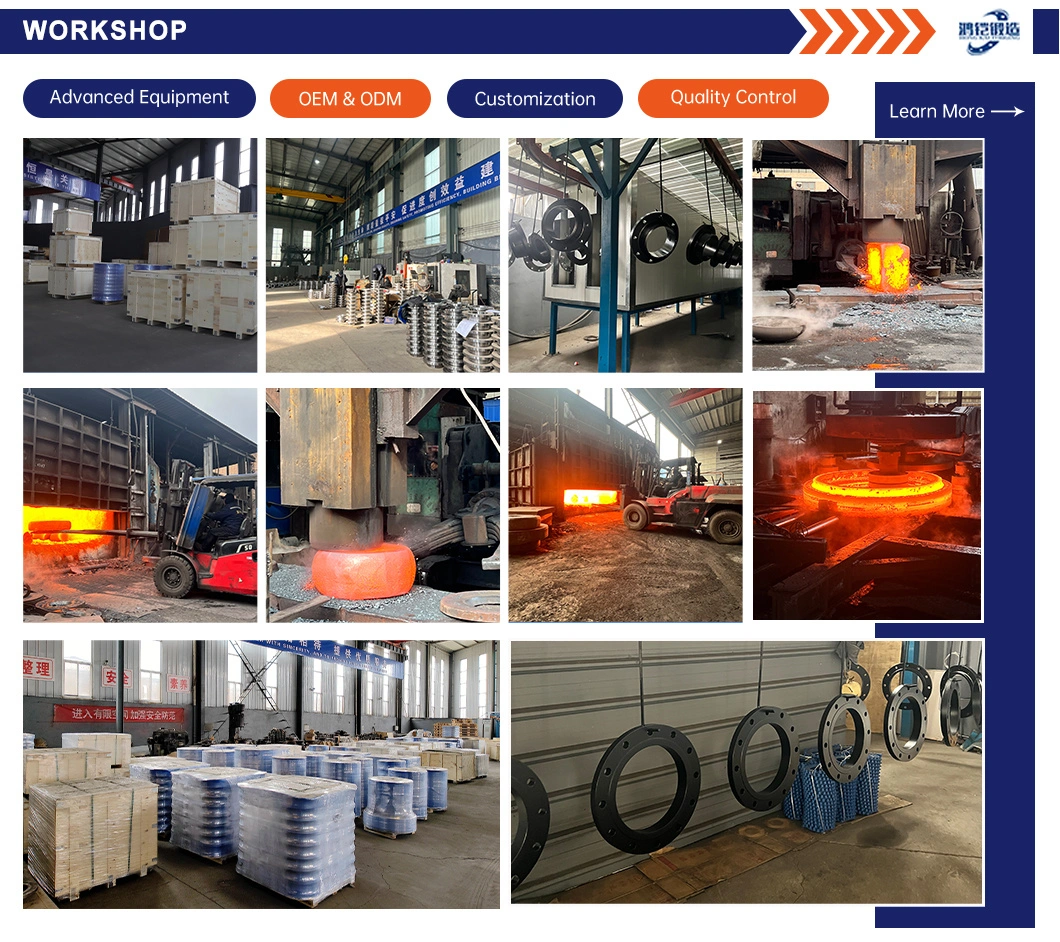
Petrochemical Industry
You'll utilize these components for separating pipeline segments amid upkeep shutdowns. They handle high-pressure hydrogen and hydrocarbon streams with RTJ facings for extraordinary warm cycling conditions.
Water Treatment Frameworks
Metropolitan water offices depend on these flanges for transmission line end. The corrosion-resistant coatings handle crude water situations whereas encouraging future extension projects.
Marine Applications
Shipbuilding businesses utilize these components for assessment ports on tanks and vessels. Copper-nickel or duplex stainless steel materials stand up to chloride push erosion in saltwater environments.
Power Era
Warm and atomic control plants depend on these spines for steam line confinement. High-temperature amalgam materials keep up judgment beneath extraordinary working conditions.
Chemical Handling
Fabricating offices utilize these components for reactor vessel segregation and prepare line end. Different fabric grades oblige diverse chemical compatibility requirements.
Why Choose Us
Global Standards Compliance
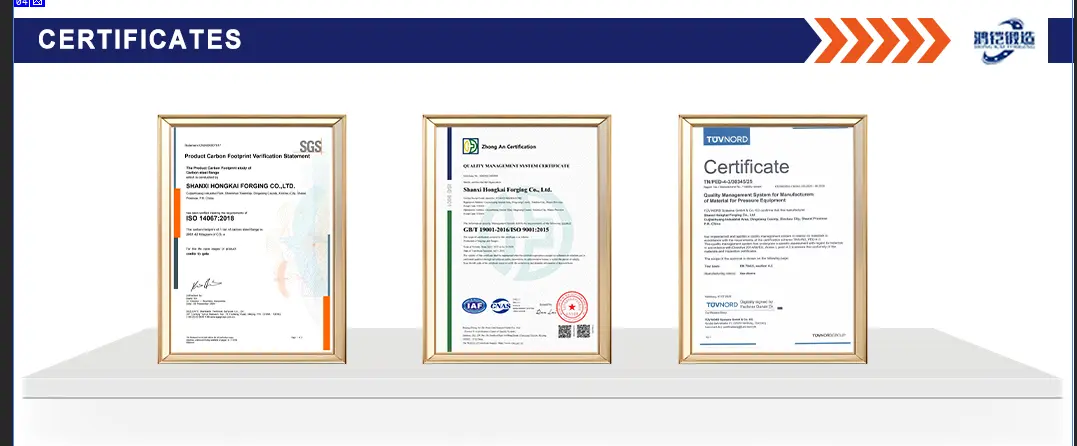
We manufacture products meeting ASME, EN, DIN, JIS, and GOST specifications. Your projects receive components that satisfy international quality requirements across different markets.
Comprehensive Generation Capabilities
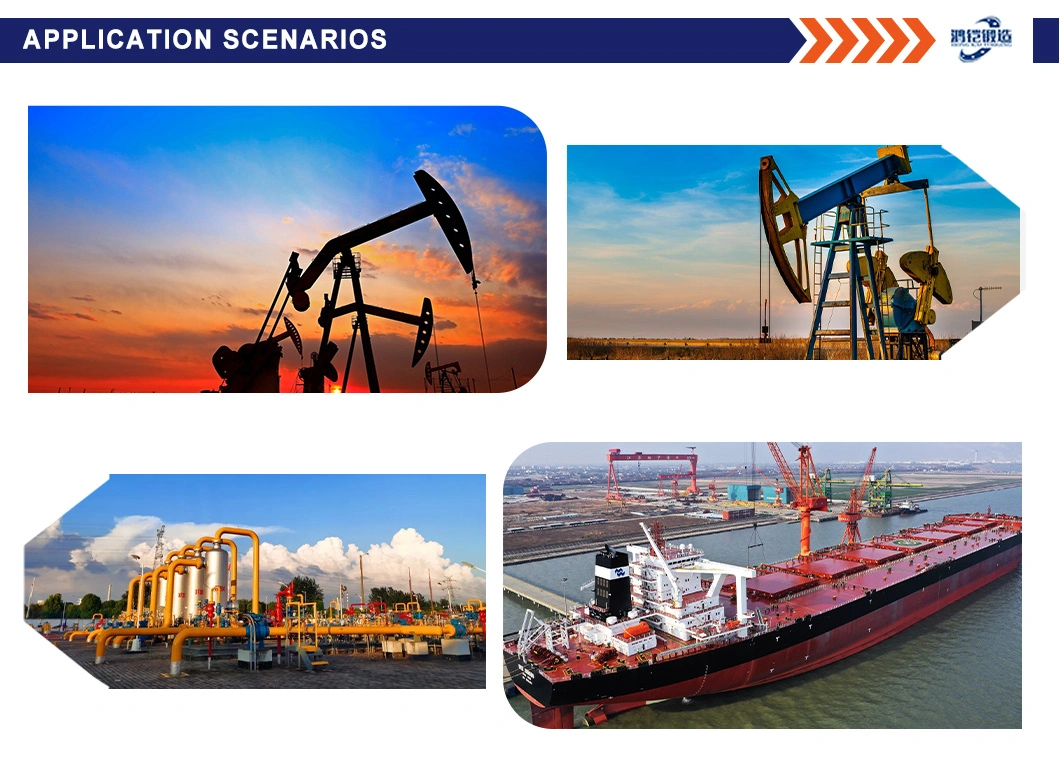
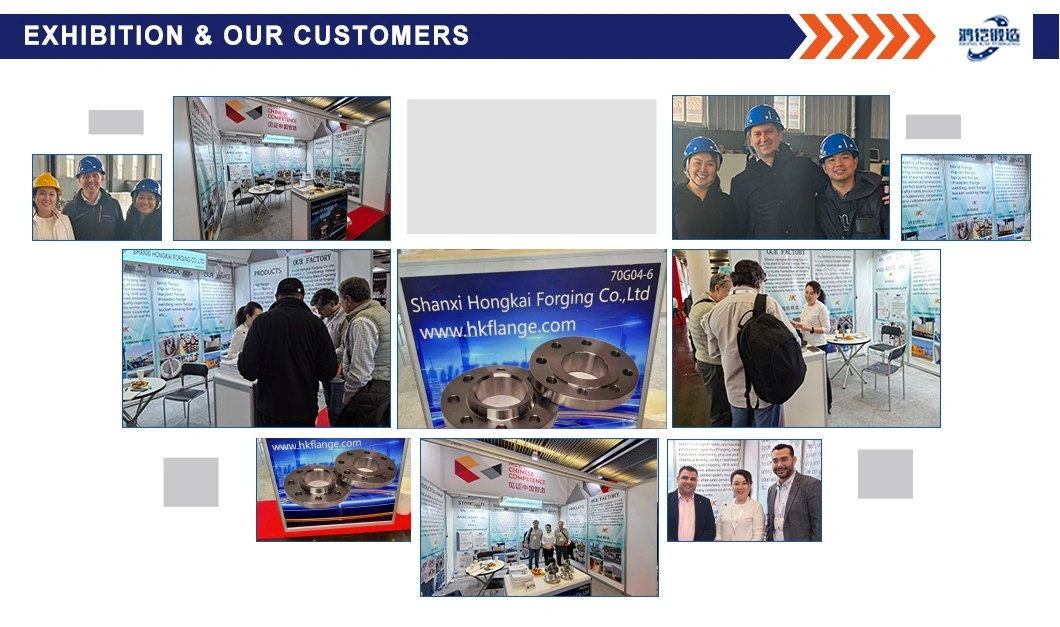
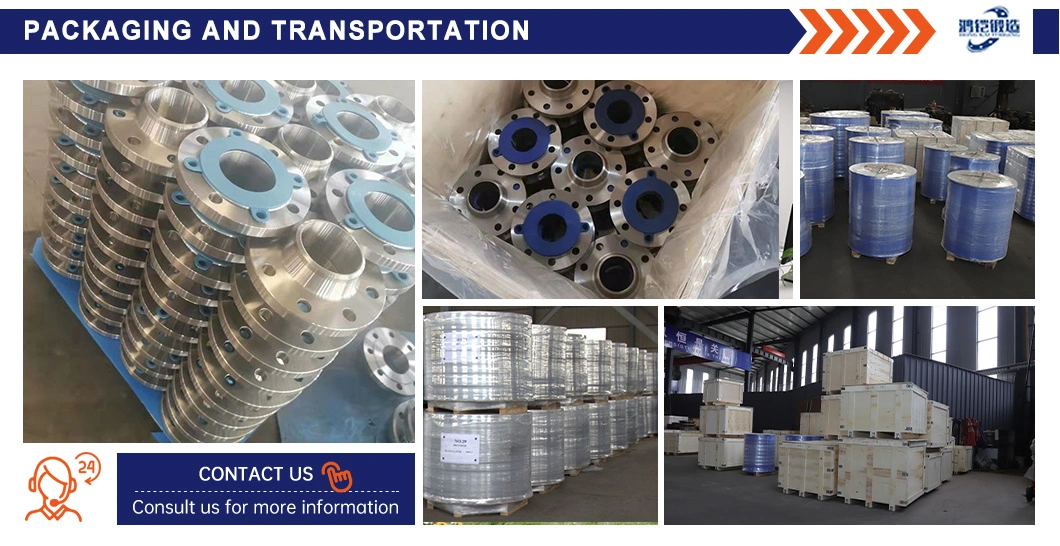
Our coordinates offices handle each fabricating organize from producing to last bundling. You get items with reliable quality control all through the whole generation process.
Extensive Estimate Extend
We offer determinations from DN15 to DN5000 with weight evaluations up to PN160. Your assorted venture necessities get fitting arrangements notwithstanding of application scale.
Quality Assurance
Our physical and chemical testing capabilities ensure product reliability. Each Blind Flange experiences intensive assessment some time recently conveyance to ensure execution standards.
International Involvement
With trade operations to Europe and Americas, we get it worldwide advertise prerequisites. Your ventures advantage from our encounter serving universal mechanical standards.
FAQ
Q: Why are these flanges thicker than slip-on flanges of the same rating?
A: The solid disc must withstand full internal pressure acting against its flat surface. ASME B16.5 requires greater thickness to prevent deformation compared to bored flanges.
Q: Can you drill and tap flanges for instrumentation?
A: Yes, we can create NPT threaded holes for pressure gauges or drain valves. This modification follows engineering specifications to maintain pressure ratings.
Q: When should I specify RTJ facings?
A: RTJ facings work best for high-pressure applications (Class 600+) and high temperatures. The metal-to-metal seal provides superior leak protection in severe conditions.
Q: What's the difference between these and spectacle blinds?
A: Standard versions terminate lines permanently or semi-permanently. Spectacle blinds rotate between open and closed positions for temporary isolation during maintenance.
Q: Do high-pressure versions include hubs?
A: Class 900 and above products may feature back-side hubs for increased rigidity. This design reduces material requirements while meeting strength standards.
Contact Us
Ready to discuss your Blind Flange requirements? Contact our technical team at kevin.zhao@hkflange.com for expert guidance and competitive quotations.
Clear Communication, and Reliable Technical Support