- English
- French
- German
- Portuguese
- Spanish
- Russian
- Japanese
- Korean
- Arabic
- Greek
- German
- Turkish
- Italian
- Danish
- Romanian
- Indonesian
- Czech
- Afrikaans
- Swedish
- Polish
- Basque
- Catalan
- Esperanto
- Hindi
- Lao
- Albanian
- Amharic
- Armenian
- Azerbaijani
- Belarusian
- Bengali
- Bosnian
- Bulgarian
- Cebuano
- Chichewa
- Corsican
- Croatian
- Dutch
- Estonian
- Filipino
- Finnish
- Frisian
- Galician
- Georgian
- Gujarati
- Haitian
- Hausa
- Hawaiian
- Hebrew
- Hmong
- Hungarian
- Icelandic
- Igbo
- Javanese
- Kannada
- Kazakh
- Khmer
- Kurdish
- Kyrgyz
- Latin
- Latvian
- Lithuanian
- Luxembou..
- Macedonian
- Malagasy
- Malay
- Malayalam
- Maltese
- Maori
- Marathi
- Mongolian
- Burmese
- Nepali
- Norwegian
- Pashto
- Persian
- Punjabi
- Serbian
- Sesotho
- Sinhala
- Slovak
- Slovenian
- Somali
- Samoan
- Scots Gaelic
- Shona
- Sindhi
- Sundanese
- Swahili
- Tajik
- Tamil
- Telugu
- Thai
- Ukrainian
- Urdu
- Uzbek
- Vietnamese
- Welsh
- Xhosa
- Yiddish
- Yoruba
- Zulu
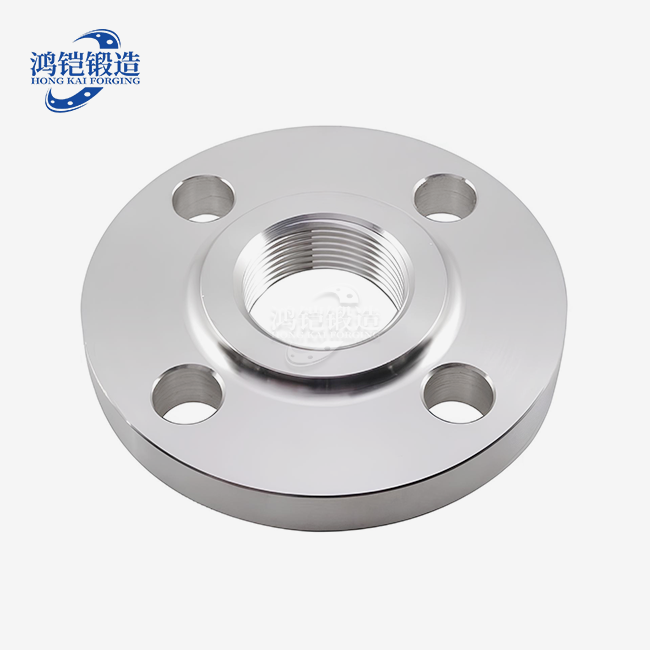
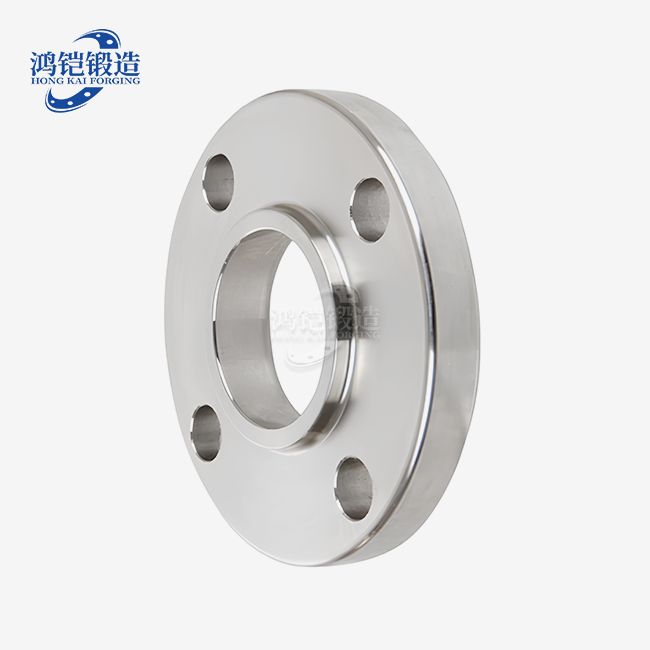
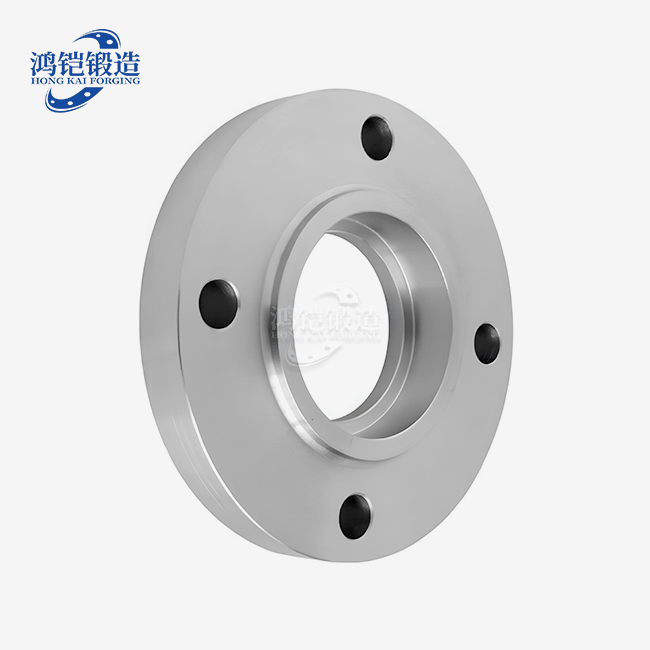
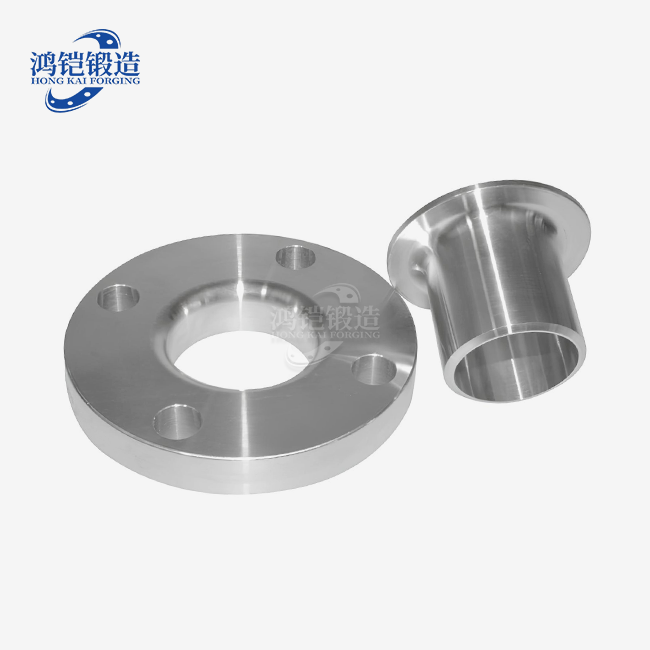
Weld Neck Flange
Material: Carbon, Alloy and Stainless Steel
Thickness: Schedule 10(S) to SCH 160
Standard: ASME, ANSI, DIN, JIS, EN etc
Class Range: Class 150 to 2500 (# or LB). PN 2.5 to PN 250.
Flange Face Type: RF, FF, MFM, TG, RJ
End: Bevel end
Connection: Butt weld
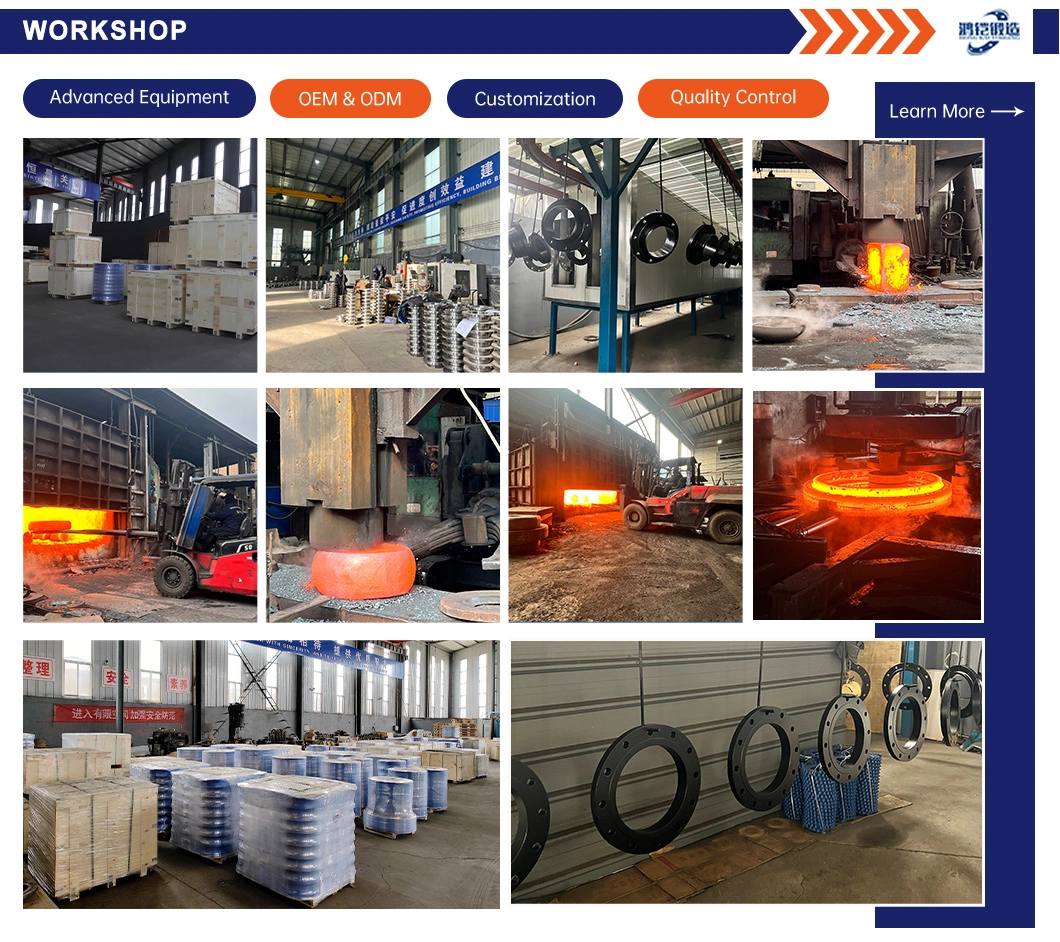
Manufacturing Process: Forging
The weld neck flange features a long tapered hub for butt welding, ensuring strong structural integrity and excellent stress distribution. It minimizes leakage risks, ideal for high-pressure, high-temperature, and critical service applications.
It complies with standards like ANSI/ASME B16.5, DIN, EN 1092-1, and GOST , available in PN6-PN160 and DN15-DN5000, with materials including carbon steel, stainless steel, and alloy steel.
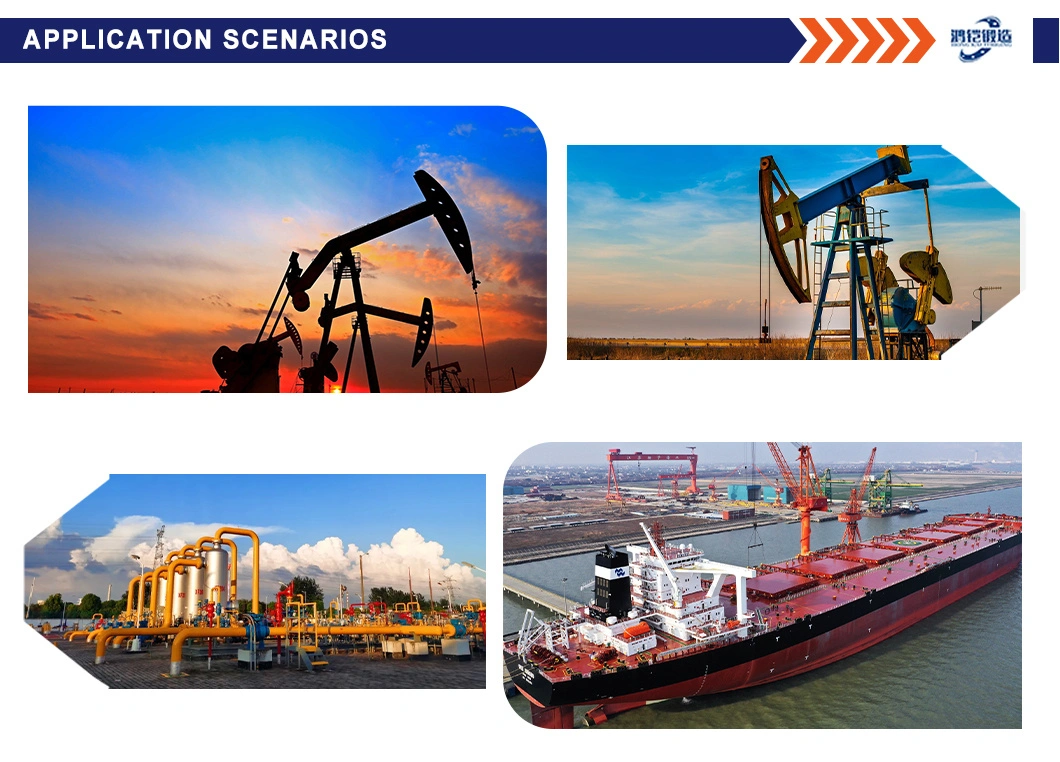
Widely used in oil and gas, petrochemical, power generation, and chemical processing industries.
Weld Neck Flange - High-Performance Industrial Connection Solution
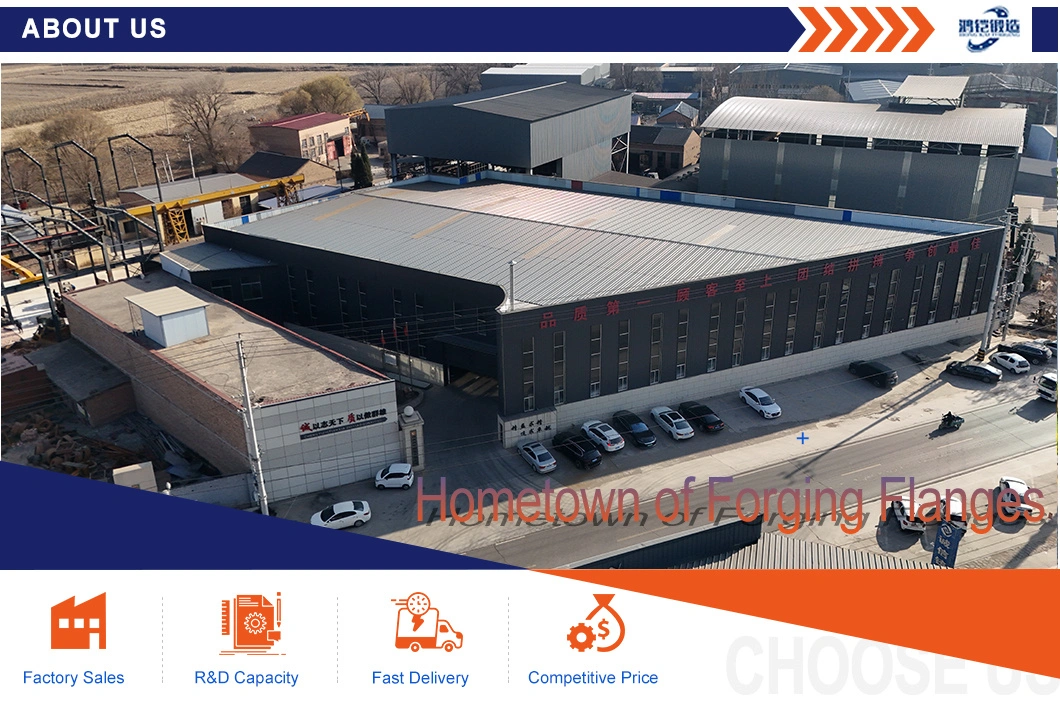
Shanxi HongKai Forging Co., Ltd. specializes in manufacturing premium Weld Neck Flange products with integrated production capabilities spanning forging, heat treatment, machining, and comprehensive quality testing. Our enterprise-level solutions feature specifications ranging from DN15 to DN4000, pressure ratings up to Class 2500, and compliance with multiple international standards including ASME B16.5, EN1092-1, and DIN. With three department workplaces and free import-export rights, we provide prevalent channeling association arrangements for requesting mechanical applications worldwide.
What is Weld Neck Flange
This is a high-integrity channeling component planned for butt-welding specifically to channels. This specialized flange highlights a particular long, decreased center that makes a progressive move from the flange confront to the pipe wall.
The decreased plan gives extraordinary push dispersion, moving concentration absent from the flange base to the pipe itself. This designing approach essentially progresses weakness quality beneath overwhelming twisting minutes and cyclic stacking conditions.
The bore of the spine is absolutely machined to coordinate the internal distance across of the interfacing pipe. This makes a consistent stream way that disposes of turbulence and diminishes erosion-corrosion in your channeling systems.
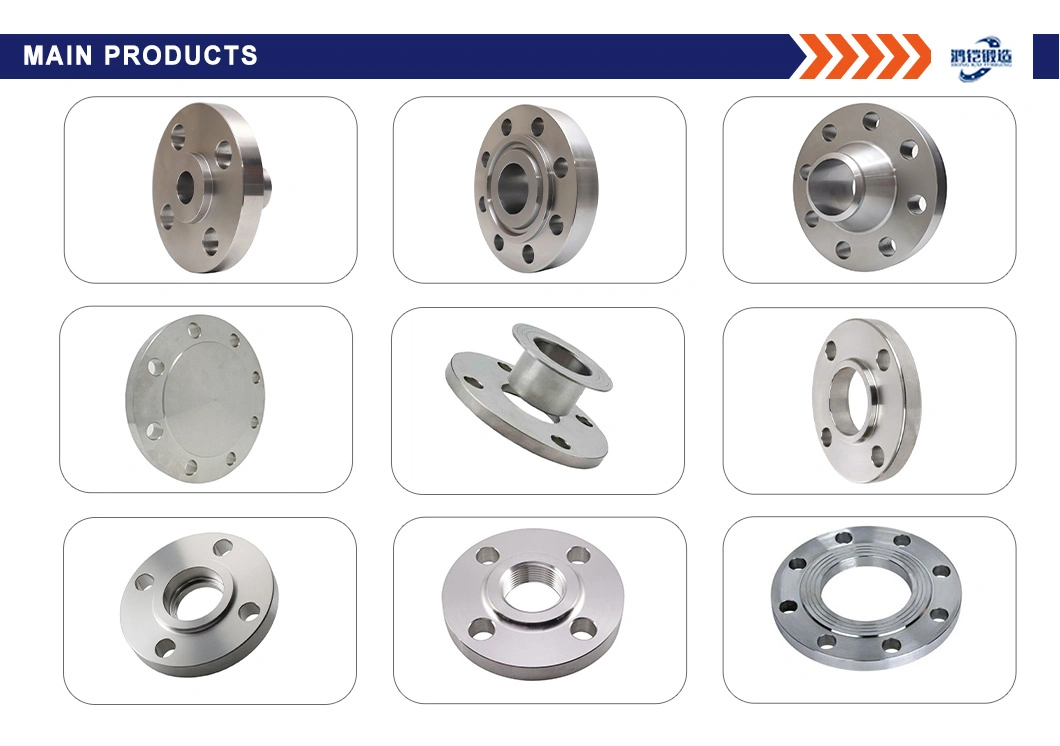
Welding Neck Flange Specifications
| Standard | Type | Class / Pressure Rating | Size Range | Material Options |
|---|---|---|---|---|
| ASME B16.5 | WN / LWN / SO / Blind / Lap Joint | Class 150 ~ 2500 | NPS 1/2" ~ 24" | Carbon Steel, Stainless Steel, Alloy Steel |
| ASME B16.47 Series A | WN / Blind Flange | Class 150 ~ 900 | NPS 22" ~ 60" | A105, A182 F304/316L, A182 F11/F22 |
| ASME B16.47 Series B | WN / Blind Flange | Class 75 / 400 / 600 | NPS 26" ~ 60" | A105, A182 F304/316L, A182 F11/F22 |
| ASME B16.47 Series B | WN / Blind Flange | Class 900 | NPS 26" ~ 48" | A105, A182 F304/316L, A182 F11/F22 |
| EN 1092-1:2002 | Plate Flange for Welding / Loose Plate; Flange with Weld-on Plate Collar; For Lapped Pipe End / Blind / WN Flange | PN2.5 ~ PN100 / PN6 ~ PN400 | DN10 ~ DN4000 | P250GH, 1.4301/1.4404, 13CrMo4-5 |
| JIS B2220 | Welding Flange / Lap Joint Flange / Threaded Flange | PN6 ~ PN100 / 10K ~ 40K | DN10 ~ DN1500 | SS400, SUS304/316L, SCPH2 |
| BS4504 / BS10 Table D/E | Plate Flange for Welding / WN Flange / Blank Flange | PN6 ~ PN100 | DN10 ~ DN1500 | Carbon Steel, Stainless Steel, Alloy Steel |
| API 605 | Custom Sizes / API Specified Flanges | Various Classes | Custom Sizes | API Specified Materials |
| Sealing Surface | RF, FF, MFM, TG, RJ | - | - | - |
| Coating | Varnish, Yellow Paint, Anti-rust Oil, Galvanizing, etc. | - | - | - |
Additional Specifications:
- Face Types: Raised Face (RF), Flat Face (FF), Ring Type Joint (RTJ)
- Hub Length: Standard and Long Weld Neck variations
- Surface Finish: 125-250 µin Ra for sealing surfaces
- Dimensional Tolerance: ±1mm for standard sizes
Welding Neck Flange Materials & Grades
Weld neck flanges are available in a variety of materials. These materials must meet the standards. The material should also meet the quality specified by ASTM or ASME standards. The thickness and inner diameter of the flange depend on the size of the pipe for which this weld neck flange is manufactured.
Carbon steel flanges are commonly used manufacturing materials for weld neck flanges. You can choose the appropriate material according to the medium of the pipeline. You can choose ASTM A105 for normal temperature, ASTM A350 for low temperature, and ASTM A694 for high temperature.
Flanges are available in a variety of grades, such as ASME B16 5, ASME B16 47 “A” series and “B” series to meet the needs of customers and industries.
In addition to this material, weld neck flanges are also available in stainless steel and alloy steel, which have material properties such as corrosion resistance, high temperature resistance, and wear resistance. At the same time, we also have duplex steel materials to meet the technical requirements of various pipelines of customers. The following table shows the grades of these common materials:
| Material | Grade |
|---|---|
| Carbon Steel | ASTM A105, 20#, Q235, 16Mn, ASTM A350 LF1, LF2 CL1/CL2, LF3 CL1/CL2, ASTM A694 F42, F46, F48, F50, F52, F56, F60, F65, F70 |
| Alloy Steel | ASTM A182 F1, F5a, F9, F11, F12, F22, F91, A182F12, A182F11, 16MnR, Cr5Mo, 12Cr1MoV, 15CrMo, 12Cr2Mo1, A335P22, St45.8/Ⅲ; |
| Stainless Steel | ASTM A182 F304, 304L, F316, 316L, 1Cr18Ni9Ti, 0Cr18Ni9Ti, 321, 18-8; |
| Duplex and Super Duplex | ASTM/ASME A/SA 182 F44, F45, F51, F53, F55, F60, F61, S31803, S32205, S32550, S31254, SMO254, S32750, S32760, S32950 |
| Nickel Alloy Steel | ASTM/ASME B/SB151 UNS N07060, 71500, C70600 (CuNi 90/10), C71500 (CuNi 70/30) |
| Nickel Alloy Steel | UNS N08825 (INCOLOY 825), UNS N06600 (INCONEL 600), UNS N06601 (INCONEL 601) |
| Nickel Alloy Steel | UNS N06625 (INCONEL 625), UNS N10276 (HASTELLOY C276) |
| Nickel Alloy Steel | ASTM/ASME B/SB151 UNS N07060, 71500, C70600 (CuNi 90/10), C71500 (CuNi 70/30) |
| Copper Alloy | ASTM/ASME B/SB151 UNS N07060, 71500, C70600 (CuNi 90/10), C71500 (CuNi 70/30) |
| Titanium | ASTM/ASME B/SB381 Grade 2, Grade 5, Grade 7 |
Weld Neck / WN-RF Flanges Dimensions
Below we have listed some sizes of Weld Neck Flanges (Class 150) under ASME B16.5 (1/2″ to 24″)

ASME B16.5 Class 150 Flanges | Welding Neck
1/2″ NPS weld neck flange has an inner diameter of 0.62″ and an outer diameter of 3.50″. The raised face thickness is 1.87″ and has four bolt holes.
3/4″ NPS flange has an inner diameter of 0.82″ and an outer diameter of 3.88″. The raised face thickness is 2.06″ with four bolt holes.
1″ NPS weld neck flange has an inner diameter of 1.05″ and an outer diameter of 4.25″. The raised face thickness is 2.18″ and the standard bolt holes are four numbers.
2″ NPS weld neck flange has an inner diameter of 2.07″ and an outer diameter of 6.00″ and a raised face thickness of 2.50″. · The 5″ NPS flange has an ID of 5.05″ and an OD of 10.00″. The raised face thickness is 3.50″.
The 6″ NPS flange has an ID of 6.07″ and an OD of 11.00″. The raised face thickness is 3.50″. and the standard bolt holes are eight numbers.
The 10″ NPS flange has an ID of 10.02″ and an OD of 16″. The raised face thickness is 4.00″.
The 20″ NPS flange has an ID of 19.25″ and an OD of 27.50″. The raised face thickness is 5.68″.
The 24″ NPS weld neck flange has an ID of 23.25″ and an OD of 32.00″. 24″ NPS weld neck flange has an inner diameter of 23.25″ and an outer diameter of 32.00″. The raised face thickness is 6.00″ and has 20 bolt holes.
Standardized Weld Neck Flanges
Weld neck flange is commonly standardized as ASME B16.5 and ASME B16.47, with sizes ranging from 1/2 inch to 60 inch.
Sealing surface types include raised face (RF), flat face (FF), dimpled face (MFM), tongue and groove (TG), ring joint (RJ), and so on.
Applicable pressure classes include Class 75, 150, 300, 400, 600, 900, 1500, and 2500.
| ASME B16.47 Series A Welding Neck Flanges |
ASME B16.47 Series B Welding Neck Flanges |
ASME B16.5 Welding Neck Flanges |
|---|---|---|
| \ | Class 75 | \ |
| Class 150 | Class 150 | Class 150 |
| Class 300 | Class 300 | Class 300 |
| Class 400 | Class 400 | Class 400 |
| Class 600 | Class 600 | Class 600 |
| Class 900 | Class 900 | Class 900 |
| \ | \ | Class 1500 |
| \ | \ | Class 2500 |
ASME B16.47 Series A & Series B, ASME B16.5 Weld Neck Flanges Table
Advantages of Weld Neck Flange
Superior Auxiliary Judgment
The butt-weld association gives the most noteworthy quality joint in flange innovation. You get greatest weight control and resistance to outside forces.
Excellent Weariness Resistance
The decreased center plan conveys stretch equitably, avoiding split start beneath cyclic stacking. Your frameworks encounter amplified benefit life in requesting applications.
Seamless Stream Characteristics
The coordinated bore disposes of stream limitations and turbulence. This decreases weight drop and minimizes erosion-corrosion in your channeling systems.
100% Review Capability
The butt-weld geometry permits total radiographic testing. You can confirm weld quality all through the whole joint for basic applications.
Thermal Extension Settlement
The progressive thickness move handles warm stresses successfully. Your associations stay leak-tight through temperature cycling.
Reduced Upkeep Necessities
The strong plan minimizes joint corruption over time. You advantage from lower lifecycle costs and diminished downtime.
Applications
Oil and Gas Industry
These flanges excel in high-pressure transmission pipelines and offshore platforms. The Weld Neck Flange withstands inside weights surpassing 5,000 PSI whereas standing up to weakness from wave stacking and outside mechanical stresses.
Power Era
Steam lines in warm control plants depend on these flanges for temperatures over 500°C. The decreased center obliges warm development without compromising seal judgment amid extraordinary warm cycling.
Chemical Preparing
Refineries utilize these flanges for unstable and unsafe liquid transport. The consistent stream way minimizes erosion-corrosion whereas the butt-welded association decreases criminal emanation risks.
Petrochemical Plants
Complex handling frameworks advantage from the prevalent joint judgment. You get solid execution in applications including destructive media and shifting weight conditions.
Subsea Operations
Deep-water establishments depend on these flanges where support get to is constrained. The weakness resistance and NDT capability guarantee long-term unwavering quality in destructive saltwater environments.
Why Choose Us
Comprehensive Fabricating Capabilities
We coordinated manufacturing, warm treatment, machining, testing, and bundling beneath one roof. You get steady quality control all through the whole generation process.
International Standards Compliance
Our products meet ASME, EN, DIN, JIS, and GOST standards. You can specify the exact requirements for your regional applications with confidence.
Extensive Estimate Run
From DN15 to DN4000, we cover essentially all mechanical necessities. Your ventures advantage from single-source obtainment convenience.
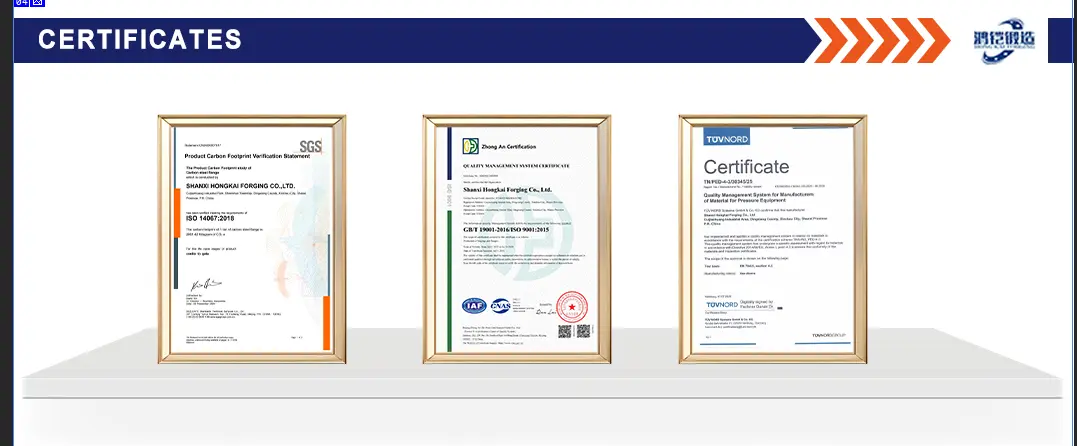
Quality Affirmation
Progressed testing offices guarantee each product meets details. You get certified items with total traceability documentation.
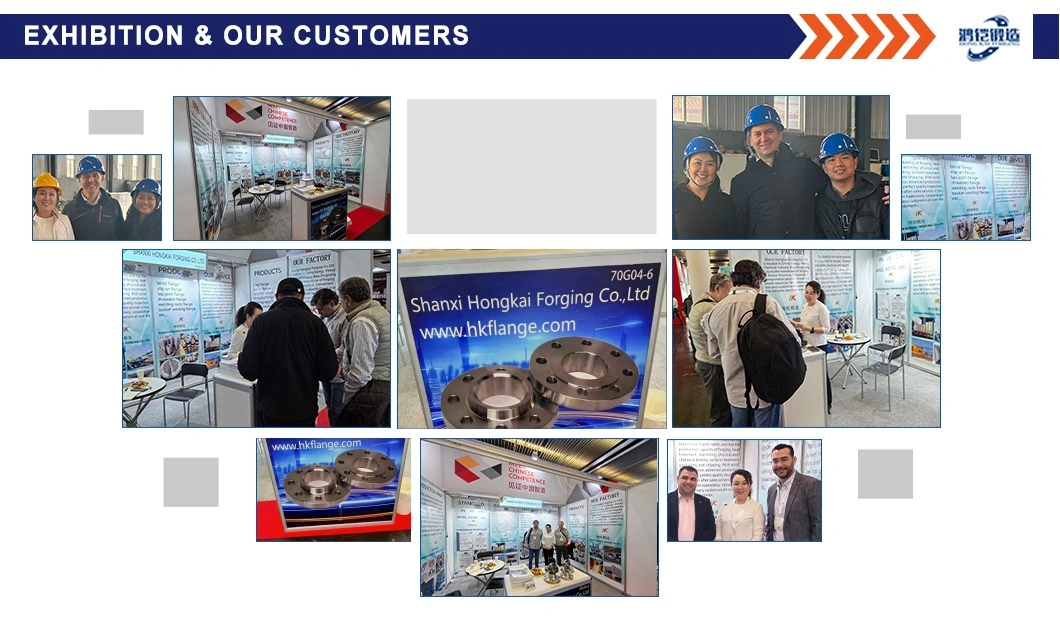
Global Trade Involvement
Our items serve markets over Europe and the Americas. You work with demonstrated providers who get it worldwide quality expectations.
Competitive Preferences
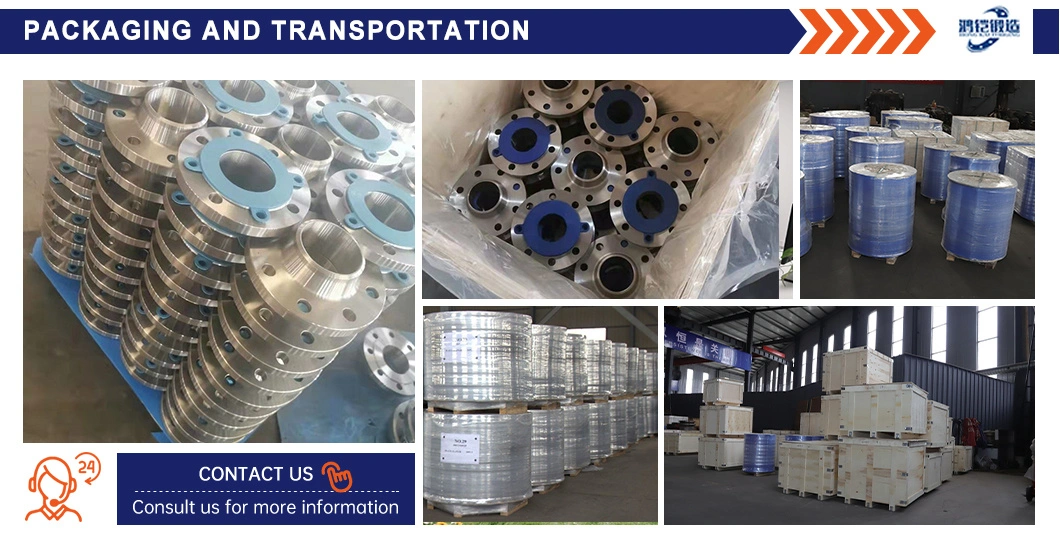
Prevalent quality, competitive estimating, secure bundling, and quick conveyance combine to back your extend timelines and budgets.
FAQ
Q: Why must the bore schedule be specified when ordering?
A: The flange bore must match your pipe wall thickness exactly to prevent flow disruption and ensure proper weld radiography.
Q: How does this differ from Slip-On Flanges in performance?
A: Butt welding provides higher fatigue strength and pressure integrity compared to fillet-welded slip-on alternatives.
Q: Can these flanges use Ring Type Joint facings?
A: Yes, RTJ facings are standard for Class 600 and above applications requiring metal-to-metal sealing.
Q: What is a Long Weld Neck flange?
A: LWN flanges feature extended hubs that act as self-reinforcing nozzles for pressure vessel connections.
Q: What inspection methods are required?
A: Radiographic or ultrasonic testing is typically mandatory for volumetric weld inspection in critical piping applications.
Contact Us
Ready to enhance your piping systems with premium Weld Neck Flange solutions? Contact kevin.zhao@hkflange.com for technical specifications and competitive quotations today.
Clear Communication, and Reliable Technical Support