- English
- French
- German
- Portuguese
- Spanish
- Russian
- Japanese
- Korean
- Arabic
- Greek
- German
- Turkish
- Italian
- Danish
- Romanian
- Indonesian
- Czech
- Afrikaans
- Swedish
- Polish
- Basque
- Catalan
- Esperanto
- Hindi
- Lao
- Albanian
- Amharic
- Armenian
- Azerbaijani
- Belarusian
- Bengali
- Bosnian
- Bulgarian
- Cebuano
- Chichewa
- Corsican
- Croatian
- Dutch
- Estonian
- Filipino
- Finnish
- Frisian
- Galician
- Georgian
- Gujarati
- Haitian
- Hausa
- Hawaiian
- Hebrew
- Hmong
- Hungarian
- Icelandic
- Igbo
- Javanese
- Kannada
- Kazakh
- Khmer
- Kurdish
- Kyrgyz
- Latin
- Latvian
- Lithuanian
- Luxembou..
- Macedonian
- Malagasy
- Malay
- Malayalam
- Maltese
- Maori
- Marathi
- Mongolian
- Burmese
- Nepali
- Norwegian
- Pashto
- Persian
- Punjabi
- Serbian
- Sesotho
- Sinhala
- Slovak
- Slovenian
- Somali
- Samoan
- Scots Gaelic
- Shona
- Sindhi
- Sundanese
- Swahili
- Tajik
- Tamil
- Telugu
- Thai
- Ukrainian
- Urdu
- Uzbek
- Vietnamese
- Welsh
- Xhosa
- Yiddish
- Yoruba
- Zulu
Best Welding Neck Flange Materials for Corrosion Resistance
When selecting welding neck flange materials for corrosive environments, stainless steel grades 316L and duplex steel 2507 offer superior protection against chemical attack. Carbon steel A105 with proper coating systems provides cost-effective solutions for moderate corrosion conditions. Alloy materials like Inconel 625 and Hastelloy C-276 excel in extreme chemical processing applications where standard materials fail.
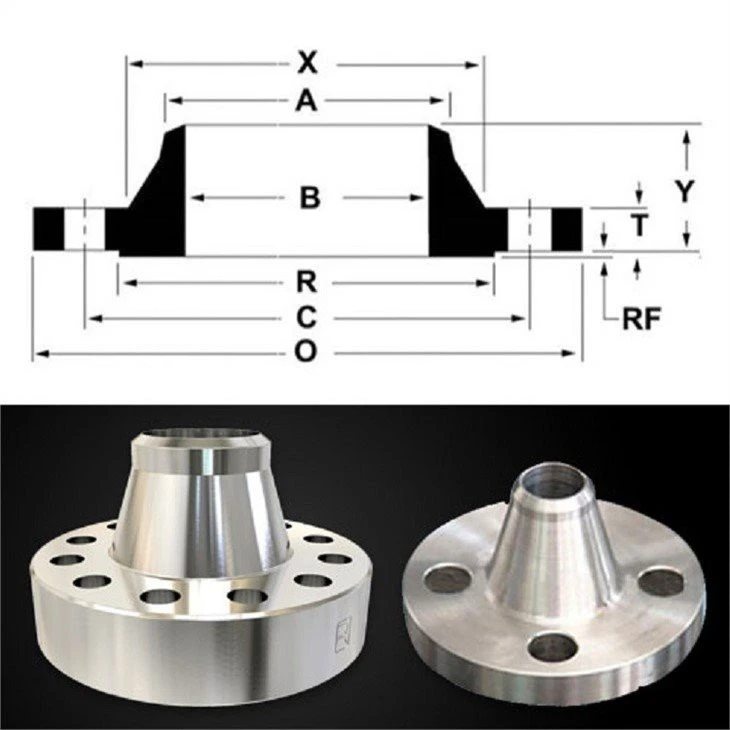
Understanding the Critical Importance of Material Selection
Picking the right materials for your pipes can mean the difference between years of reliable service and catastrophic failure in just a few months. When procurement managers chose the wrong gasket materials for their working setting, they ended up having to pay a million dollars to replace them. There are several ways that corrosion can damage pipe systems. Uniform corrosion weakens the walls of materials over time, while localized pitting creates dangerous stress concentrations. When metals that are not the same touch each other in the presence of fluids, galvanic rusting happens. Knowing these types of failure helps industrial engineers choose the right materials for welding neck flanges that won't break down in their specific uses. Welding neck flanges have a long, curved hub shape that makes choosing the right material more difficult. Because of the butt-weld connection, the material of the flange must be metallurgically suitable with the pipe that connects them. This is done to stop galvanic rusting at the joint. For this smooth connection to work, the welding methods and material requirements must be carefully followed.
Material Selection Criteria for Corrosion-Resistant Applications
Chemical Compatibility Assessment
Each toxic setting has its own problems that need certain qualities from the materials used. I check for chemical compatibility by looking at the acids, bases, salts, and organic substances that are in your process fluids. Corrosion rates are greatly affected by temperature and concentration levels; materials that work well at room temperature may break down quickly at high temperatures. Stainless steel flanges that are in saltwater settings or chlorine process streams are more likely to crack from chloride stress corrosion. Finding out how much salt is in the steel and how much stress it will be under during use can help you decide if normal austenitic grades are right or if duplex grades are needed.
Mechanical Property Requirements
For a material to be corrosion-resistant, it must keep its basic qualities over time. Corrosive attack can change the hardness, yield strength, and tensile strength of a material. I think about how these qualities will change over time in the working situations you give them. The material you choose is also affected by the pressure rating needs of your device. Higher pressure classes need materials with better mechanical qualities, which may limit what you can use in places where corrosion is a big problem. It takes careful scientific research to find the right balance between mechanical performance and rust protection.
Economic Optimization
The prices of materials are only one part of the total costs of a period. To find the true economic value, I look at how much the materials cost at first, how hard they are to make, how much upkeep they need, and how long they are supposed to last. Premium metals may be worth the extra money they cost up front because they last longer and need less upkeep. Specialty materials' availability and shipping times can have a big effect on project plans. If you plan to buy materials early on in the planning phase, you can avoid costly project delays that happen when production lead times for unusual metals are long.
Top Corrosion-Resistant Materials for Welding Neck Flanges
Stainless Steel 316L - The Versatile Performer
Stainless steel 316L represents the most widely specified corrosion-resistant material for welding neck flanges across diverse industrial applications. The low carbon content (maximum 0.03%) eliminates carbide precipitation during welding, preventing intergranular corrosion in heat-affected zones.
Key Performance Characteristics:
- Excellent resistance to organic acids, chlorinated solvents, and marine environments
- Superior weldability without post-weld heat treatment requirements
- Available in pressure ratings from Class 150 through Class 2500
- Compliant with ASTM A182 specifications for forged flanges
- Operating temperature range from -196°C to 400°C
The molybdenum content (2–3%) makes the steel more resistant to pitting and cavity rust than regular 304 stainless steel. 316L is great for uses that involve seawater, processing drugs, and food-grade piping systems that need to keep contaminants out. When making something, you have to think about things like the material's work-hardening properties, which need certain cutting settings to get the right surface finishes. When made correctly according to ASME B16.5 standards, the raised face and ring-type joint types meet the flatness requirements. One way to lower the cost of 316L is to use standard sizes and pressure levels so that you can buy more at once. Because the material is easy to find, it has low prices and faster delivery times than rare metals.
Duplex Stainless Steel 2507 - High-Strength Corrosion Fighter
Duplex stainless steel 2507 delivers exceptional performance in aggressive chloride environments where standard austenitic stainless steels experience stress corrosion cracking. The two-phase microstructure combines austenite and ferrite phases to achieve twice the yield strength of 316L while maintaining excellent corrosion resistance.
Performance Advantages:
- Outstanding chloride stress corrosion cracking resistance up to 150°C
- Yield strength approximately 550 MPa (80 ksi)
- Excellent resistance to hydrogen sulfide environments
- Superior erosion-corrosion resistance in high-velocity applications
- Reduced section thickness possible due to higher allowable stresses
The high amounts of chromium (25%), nickel (7%), and molybdenum (4%) make it very resistant to rust in certain areas. Adding nitrogen improves the mechanical qualities and resistance to rust even more, while still allowing the material to be welded properly. To keep the proper austenite-ferrite composition during welding, the heat supply needs to be carefully controlled. For thick pieces, interpass temperature limits and heat treatment after welding may be needed to improve their mechanical and rust resistance. Possible weight saves due to higher allowed loads, lower upkeep costs, and longer service life in chloride-containing settings are some of the economic benefits. The extra cost over 316L is usually worth it because it works better in tough situations.
Inconel 625 - Premium Alloy for Extreme Environments
Inconel 625 represents the premium solution for extremely corrosive environments where stainless steels cannot provide adequate service life. This nickel-based superalloy excels in high-temperature, high-pressure applications with aggressive chemical environments.
Exceptional Performance Features:
- Outstanding resistance to oxidizing and reducing acids
- Excellent high-temperature strength retention up to 650°C
- Superior resistance to stress corrosion cracking
- Excellent weldability without post-weld heat treatment
- Maintains ductility and toughness across wide temperature ranges
The metal is made up of about 58% nickel, 20–23% chromium, and 8–10% molybdenum, which makes it resistant to a wide range of rust. Adding niobium makes things stronger through precipitation hardening while keeping their resistance to rust. Because Inconel 625 hardens over time, it is important to have manufacturing experience when working with it. Specialized tools and cutting factors make sure that the dimensions are correct while still meeting the surface finish needs for good seals. Chemical processing equipment, ship exhaust systems, and oil and gas downhole equipment are just a few examples of places where high-quality materials are needed because of the harsh circumstances. The high cost at first is worth it because it has a very long life and is reliable in situations where failure is not an option.
Hastelloy C-276 - Chemical Processing Champion
Hastelloy C-276 provides unmatched resistance to a wide range of aggressive chemicals, making it the material of choice for severe chemical processing applications. The low carbon content and balanced chemistry resist both oxidizing and reducing environments.
Superior Chemical Resistance:
- Outstanding performance in hydrochloric acid across all concentrations
- Excellent resistance to sulfuric acid, acetic acid, and formic acid
- Superior performance in wet chlorine gas environments
- Resistance to stress corrosion cracking in chloride solutions
- Maintains corrosion resistance in heat-affected zones after welding
The combination of nickel, chromium, molybdenum, and tungsten makes it very useful in a wide range of chemical conditions. Titanium and aluminum are not present, so there is no formation of intermetallic phases that could weaken rust protection. When Welding Neck Flange Hastelloy C-276, you need to use inert gas to protect the metal and you might need to use special filler metals. Due to its great weldability, the material can be used to make complicated shapes while still resisting rust throughout the soldered joint. The economic case is based on the harsh working conditions where other materials would break down quickly. C-276 is used in chemical processing plants, pollution control tools, and waste treatment facilities for important tasks that need to be reliable.
Global Market Considerations and Regional Preferences
Different international markets have different tastes when it comes to corrosion-resistant plate materials because of differences in local laws, materials supply, and business practices. Materials with names like 1.4404 (316L equivalent) and 1.4410 (2507 equivalent) are often used in European markets to meet EN 1092-1 norms. These standards add more requirements for checking the impact resistance and tracking of materials. For marine uses, Asian markets, especially those in the petroleum industry, want high-performance duplex and super duplex materials more and more. Premium materials are chosen even though they cost more at first because they are used in tough sea environments and hard process conditions. In North American markets, performance needs are balanced with cost concerns, and ASTM A182 grades with specific mechanical property needs are often specified. Specification decisions for critical projects are affected by the supply of local material sources. Compliance with regulations changes a lot between global markets. The materials that can be used in oil and gas applications are limited by the NACE MR0175/ISO 15156 standards for sour service uses. The European PED (Pressure Equipment Directive) may require more testing and approval of materials.
Purchasing Recommendations and Implementation Strategies
Material Specification Development
Make detailed material specs that cover both the need for protection to rust and the need for functional properties. Specify the tests that must be done, like ASTM G48 corrosion testing for pitting resistance or ASTM G36 stress corrosion cracking resistance. When selecting unusual metals, think about how long they will be available. Make deals with more than one seller to protect the supply chain for important uses. Write down accepted material replacements to keep your options open during the buying process.
Quality Assurance Programs
Set up strong quality control systems that check the chemicals, mechanical features, and compliance of the materials. Need mill test certificates and think about adding more third-party testing for important uses. Set up processes for inspecting arriving materials that make sure they are marked correctly and can be tracked. When you handle and store things properly, you keep them from getting dirty, which could weaken their resistance to rust.
Lifecycle Cost Analysis
A full lifetime cost study should be done, including the original cost of the materials, the difficulty of the manufacturing process, the time needed for installation, the cost of upkeep, and the expected service life. When looking at material options, think about how much unexpected shutdowns cost. Keep track of how different materials have worked in the past for your unique uses. This library is very helpful for choosing materials in the future, and it can help explain choosing more expensive materials.
Industry Trends and Summary
The corrosion-resistant flange market continues evolving toward higher-performance materials as industrial processes become more demanding. Duplex stainless steels gain popularity for their superior strength-to-weight ratios and chloride resistance. Advanced manufacturing techniques enable more cost-effective production of exotic alloys, making premium materials accessible for broader applications. Environmental regulations drive increased demand for corrosion-resistant materials that ensure long-term system integrity and prevent fugitive emissions.
Conclusion
The article focuses on material selection for welding neck flanges used in corrosive service conditions, explaining the advantages of 316L stainless steel, duplex stainless steel 2507, and nickel-based alloys for different chemical environments. Through evaluation of corrosion mechanisms, weldability, economic factors, and international standards, it demonstrates that scientific material selection is essential for ensuring long-term operational safety, reducing maintenance costs, and extending the service life of piping systems.
FAQs
What factors determine the best material selection for my specific application?
Material selection depends on the specific corrosive media, temperature, pressure, mechanical stress levels, and economic considerations. Chloride content, pH levels, and operating temperature significantly influence material performance. I recommend conducting a detailed corrosion assessment considering all environmental factors.
How do welding procedures affect corrosion resistance?
Proper welding procedures are critical for maintaining corrosion resistance. Heat-affected zones can become susceptible to intergranular corrosion if improper welding parameters are used. Low carbon grades like 316L minimize this risk, while materials like Inconel 625 maintain excellent corrosion resistance even in welded conditions.
Can I mix different flange materials in the same piping system?
Mixing different materials requires careful consideration of galvanic compatibility. When dissimilar metals are connected, the more active metal may experience accelerated corrosion. Proper insulation or selection of compatible materials prevents galvanic corrosion problems.
Partner with HONG KAI FORGING for Premium Corrosion-Resistant Solutions
HONG KAI FORGING delivers world-class welding neck flange manufacturing with comprehensive material expertise spanning carbon steel through exotic alloys. Our integrated production facility in Shanxi Province combines advanced forging capabilities with rigorous quality testing to ensure superior corrosion resistance performance. Contact kevin.zhao@hkflange.com to discuss your specific application requirements and receive expert material recommendations backed by decades of manufacturing experience.
References
1. Davis, J.R. "Corrosion of Weldments in Chemical Process Industries." ASM International Handbook of Corrosion Resistance, 2018.
2. Fontana, M.G. and Greene, N.D. "Corrosion Engineering Materials Selection for Chemical Processing." McGraw-Hill Professional Engineering Series, 2019.
3. American Society of Mechanical Engineers. "ASME B16.5 Pipe Flanges and Flanged Fittings: Material Specifications and Corrosion Considerations." ASME Press, 2020.
4. European Committee for Standardization. "EN 1092-1 Flanges and Their Joints: Material Requirements for Corrosive Service." CEN Technical Report, 2018.
5. NACE International. "Material Requirements for Resistance to Sulfide Stress Cracking in Oil and Gas Production." NACE Standard MR0175/ISO 15156, 2021.
6. Rebak, R.B. "Stainless Steels in Aggressive Environments: Selection Criteria for Optimal Corrosion Resistance." Materials Science and Engineering Conference Proceedings, 2019.
Clear Communication, and Reliable Technical Support