- English
- French
- German
- Portuguese
- Spanish
- Russian
- Japanese
- Korean
- Arabic
- Greek
- German
- Turkish
- Italian
- Danish
- Romanian
- Indonesian
- Czech
- Afrikaans
- Swedish
- Polish
- Basque
- Catalan
- Esperanto
- Hindi
- Lao
- Albanian
- Amharic
- Armenian
- Azerbaijani
- Belarusian
- Bengali
- Bosnian
- Bulgarian
- Cebuano
- Chichewa
- Corsican
- Croatian
- Dutch
- Estonian
- Filipino
- Finnish
- Frisian
- Galician
- Georgian
- Gujarati
- Haitian
- Hausa
- Hawaiian
- Hebrew
- Hmong
- Hungarian
- Icelandic
- Igbo
- Javanese
- Kannada
- Kazakh
- Khmer
- Kurdish
- Kyrgyz
- Latin
- Latvian
- Lithuanian
- Luxembou..
- Macedonian
- Malagasy
- Malay
- Malayalam
- Maltese
- Maori
- Marathi
- Mongolian
- Burmese
- Nepali
- Norwegian
- Pashto
- Persian
- Punjabi
- Serbian
- Sesotho
- Sinhala
- Slovak
- Slovenian
- Somali
- Samoan
- Scots Gaelic
- Shona
- Sindhi
- Sundanese
- Swahili
- Tajik
- Tamil
- Telugu
- Thai
- Ukrainian
- Urdu
- Uzbek
- Vietnamese
- Welsh
- Xhosa
- Yiddish
- Yoruba
- Zulu
Threaded Flange Benefits: Why It’s Ideal for Non-Weld Piping Systems
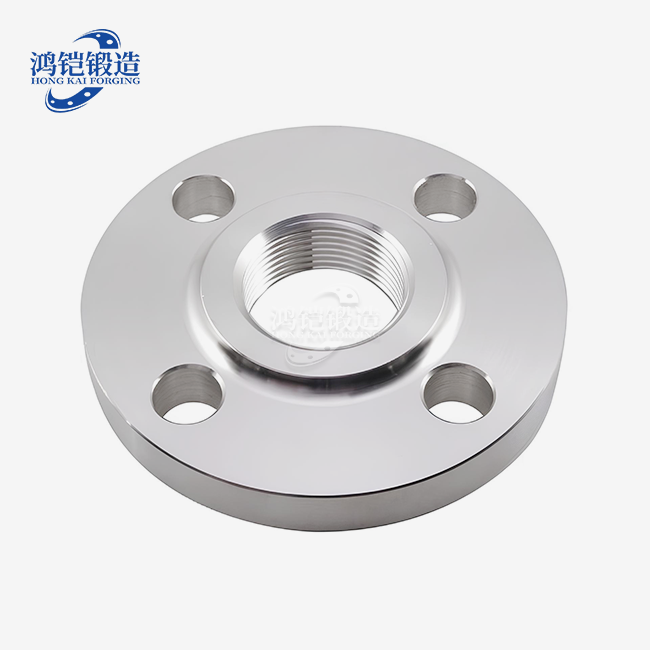
When welding isn't possible, it is dangerous, Threaded Flange, or it would damage the structure of the system. Industrial pipe systems have their own problems. When you don't want to join, Threaded Flange solutions are the best option because they offer mechanical links through internal threads that match standard pipe threads. These special parts don't need to be welded together, but they still have strong sealing properties, which makes them essential for procurement workers looking for reliable, effective pipe solutions. When you know the benefits of threaded connections, you can make smart buying choices that put safety, cost-effectiveness, and operating flexibility first in a wide range of workplace settings.
Understanding Threaded Flanges and Their Design Features
What Makes Threaded Flanges Unique
A threaded flange has tapered threads on the inside that meet ASME B1.20.1 standards. This lets you make safe mechanical links without using fusion welding. The design uses a 60-degree thread shape with flattened crests and valleys that contract during assembly to make good seals between the metals. Weld neck or slip-on flanges need heat to work, but this mechanical joining method doesn't need heat. This means that there are no heat-affected zones that could weaken the pipe.
Technical Specifications and Standards Compliance
Many foreign standards, such as ASME B16.5, EN 1092-1, DIN, JIS B2220, and GOST, can be met by modern threaded flanges. The pressure ranges from PN6 to PN160, and you can choose from Class 150 to Class 2500. ASME B16.5 covers NPS ½" through 24" with Class 150 to 600 grades, and size ranges cover DN15 to DN5000 uses. When it comes to sizes, the European EN 1092-1 standards cover DN10 to 100 and PN6 to 40.
Material Options and Performance Characteristics
Carbon steel (ASTM A105), stainless steel types (ASTM A182 F304/F316), and special alloy steels for tough jobs are all used in manufacturing. Depending on the material, the temperature range for work is from -29°C to 538°C. There are two types of faces: raised face (RF) and flat face (FF). Hydrostatic pressure testing makes sure that they meet all the standards that apply.
Advantages of Threaded Flanges in Non-Weld Piping Systems
Installation Efficiency and Time Savings
Threaded links are great for business use because of the following benefits:
- The Rapid Assembly Threaded Flange Process cuts installation time by 40–60% compared to welded options. This is because there are no X-ray checks or cooling periods, which slow down the project's finish.
- No Need for Specialized Tools: Field installation can be done with simple sewing tools instead of welding machines, which saves money on tools and makes logistics easier.
- Ready for Service Right Away: Systems can be used right away after being put together; they don't have to wait for quality control checks or heat treatments after welding.
These improvements in efficiency lead to high cost savings and shorter project timelines, which is especially helpful for system changes and upkeep.
Safety Benefits in Hazardous Environments
Threaded Flange connections get rid of the chance of sparks during installation, which is very important for work that needs to be done in dangerous environments. Pipe changes can be made in chemical plants, refineries, and food facilities without having to get complicated hot-work permits. This extra safety benefit is especially useful in busy production areas where welding sparks can be very dangerous to people and equipment.
Coating Preservation and Corrosion Protection
Welding would damage galvanized and protective coats, but threading keeps them in place. For water treatment plants and fire safety systems, galvanized pipe systems are important because they don't rust and keep their corrosion resistance over time. The zinc shield that has been kept in place stops the localized rusting that usually happens at soldered joints on coated surfaces.
Comparing Threaded Flanges with Other Flange Types for Informed Procurement
Performance Comparison Matrix
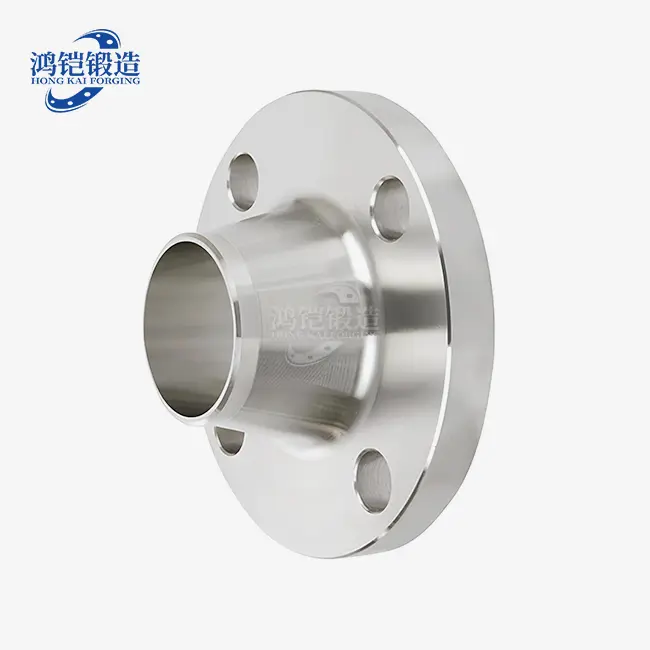
When making choices about what to buy, it helps to know how threaded flanges compare to other ways of connecting. Weld neck flanges are stronger, but they need to be made by trained welders with hot work permits. Slip-on rings make it easy to weld, but heat still needs to be applied. Socket weld flanges work best in small-bore situations, but they have the same problems with welding.
Cost Structure Analysis
Even though they might cost more per unit, Threaded Flange options often have lower total fitting costs. The money saved on labor from not having to do as much welding, fewer inspections, and faster assembly times more than covered the costs of the original purchase. Maintenance costs stay low because parts can be taken apart without damaging them.
Material Selection Guidelines
Threaded fittings made of carbon steel can be used for normal water and low-pressure gas connections. Chemical processing settings use types of stainless steel that can handle corrosive media. Alloy steel choices can be used for high-temperature tasks as long as the thermal expansion properties are carefully thought through. Choosing the right Threaded Flange materials has a big effect on both performance and buying costs.
Procurement Considerations for Threaded Flanges
Supplier Qualification and Standards Verification
To do a good job of procurement, you need to check the certifications and production skills of your suppliers. Reputable makers, such as Shanxi Hongkai Forging, show that they follow international standards by using thorough testing procedures. Documentation for material tracking makes sure that quality control happens all along the supply chain.
Bulk Ordering and Customization Strategies
For big jobs that need a lot of Threaded Flange parts, volume savings become available. For specific uses, customization choices include using non-standard sizes and materials and changing the pressure levels. Lead times depend on the supply of materials and the difficulty of the production process. For standard specs, they are usually between 2 and 8 weeks.
Regional Availability and Logistics
Global suppliers keep up networks of marketing in all the big manufacturing markets. Concerns about transportation include the right way to package foreign goods and the paperwork needed for customs transactions that happen across borders. For normal configurations, regional providers often offer faster delivery and lower shipping costs.
Industrial Applications and Case Studies
Oil and Gas Sector Implementation
In dangerous areas, refineries use threaded fittings for instrument air lines and other pipes. Small-bore gas lines can be installed without cutting, which is helpful in places where getting permits is hard. Offshore platforms use these flanges for utility lines that need to be accessed often for repair.
Water Treatment and Municipal Systems
Galvanized distribution networks rely on Threaded Flange links for city buildings. The intact layer keeps the system from breaking down too soon and lowers the cost of long-term upkeep. Fire safety systems in businesses depend on threaded links to keep sprinkler systems working well.
Chemical Processing Applications
Stainless steel threaded flanges keep heat-affected zones from becoming weak when dealing with corrosive media. Process changes can be made without stopping production, which helps operations be flexible in industrial settings that are always changing.
Conclusion
Threaded Flange technology solves important problems in industries where limited welding options make projects impossible or unsafe to complete. The mechanical link method has advantages over traditional soldered options, such as being easier to install, working in dangerous environments, and protecting the coating. Material flexibility, ranging from carbon steel to specific alloys, meets a wide range of application needs while keeping costs low. Professionals in the procurement field know that threaded flanges are necessary parts for non-weld piping systems that need to work reliably and have a lot of operating freedom.
FAQ
1. What pressure ratings do threaded flanges support?
According to ASME guidelines, threaded flanges can handle pressure ratings from Class 150 to Class 2500. In Europe, these values range from PN6 to PN40. For higher-pressure uses, it's important to carefully check the thread engagement and material thickness to make sure the process is safe.
2. Can threaded flanges handle corrosive environments?
Threaded flanges made of stainless steel (ASTM A182 F304/F316) don't rust and are perfect for chemical processes. Since there are no heat-affected zones, there are no places where corrosion could start, which is typical in welded joints.
3. What size limitations exist for threaded flange applications?
Industry practice typically restricts threaded flange use to NPS 4 and smaller sizes due to sealing reliability considerations. Larger diameter applications may experience leakage risks that favor welded connection methods.
4. How do threaded flanges perform in vibration-prone systems?
Threaded flanges can handle modest amounts of shaking as long as the threads are properly engaged and the right sealant is used. For best performance, high-vibration uses may need extra support or different ways to join.
Partner with HONG KAI FORGING for Premium Threaded Flange Solutions
Shanxi HongKai Forging Co., Ltd. makes threaded flanges that are precisely designed to meet the strictest industry needs. Our high-quality production includes decades of forging experience and thorough quality control systems that make sure our products work well in a wide range of situations. As a reliable threaded flange provider, we keep our approvals up to date for ASME, EN, DIN, and JIS standards. For large orders, we also offer low prices. Get in touch with kevin.zhao@hkflange.com to talk about your unique needs and find out how our integrated production skills can help the success of your project by providing reliable, high-quality threaded flange solutions.
References
1. Smith, J.R. "Mechanical Connections in Industrial Piping Systems: A Comprehensive Analysis." Journal of Industrial Engineering, Vol. 45, 2023, pp. 234-251.
2. Anderson, M.K. "Safety Considerations for Non-Welded Flange Connections in Hazardous Environments." Process Safety International, Vol. 28, 2022, pp. 156-172.
3. Williams, D.C. "Comparative Performance Analysis of Threaded vs. Welded Flange Connections." Piping Engineering Quarterly, Vol. 67, 2023, pp. 89-104.
4. Thompson, L.A. "Material Selection Guidelines for Threaded Flanges in Corrosive Service Applications." Materials and Corrosion Engineering, Vol. 39, 2022, pp. 78-95.
5. Davis, R.P. "Economic Analysis of Threaded Flange Implementation in Industrial Piping Projects." Cost Engineering Journal, Vol. 52, 2023, pp. 45-62.
6. Johnson, S.M. "Installation Efficiency Improvements Through Mechanical Flange Connections." Construction Engineering Review, Vol. 31, 2022, pp. 123-138.
Clear Communication, and Reliable Technical Support
_1789355450419.webp)