- English
- French
- German
- Portuguese
- Spanish
- Russian
- Japanese
- Korean
- Arabic
- Greek
- German
- Turkish
- Italian
- Danish
- Romanian
- Indonesian
- Czech
- Afrikaans
- Swedish
- Polish
- Basque
- Catalan
- Esperanto
- Hindi
- Lao
- Albanian
- Amharic
- Armenian
- Azerbaijani
- Belarusian
- Bengali
- Bosnian
- Bulgarian
- Cebuano
- Chichewa
- Corsican
- Croatian
- Dutch
- Estonian
- Filipino
- Finnish
- Frisian
- Galician
- Georgian
- Gujarati
- Haitian
- Hausa
- Hawaiian
- Hebrew
- Hmong
- Hungarian
- Icelandic
- Igbo
- Javanese
- Kannada
- Kazakh
- Khmer
- Kurdish
- Kyrgyz
- Latin
- Latvian
- Lithuanian
- Luxembou..
- Macedonian
- Malagasy
- Malay
- Malayalam
- Maltese
- Maori
- Marathi
- Mongolian
- Burmese
- Nepali
- Norwegian
- Pashto
- Persian
- Punjabi
- Serbian
- Sesotho
- Sinhala
- Slovak
- Slovenian
- Somali
- Samoan
- Scots Gaelic
- Shona
- Sindhi
- Sundanese
- Swahili
- Tajik
- Tamil
- Telugu
- Thai
- Ukrainian
- Urdu
- Uzbek
- Vietnamese
- Welsh
- Xhosa
- Yiddish
- Yoruba
- Zulu
Welding Neck Flange: Pressure Ratings, Dimensions & Installation Guide
The Welding Neck Flange is the best choice for important service settings when it comes to pipe parts for high-pressure industrial uses. This special flange has a long, curved hub that is made for butt welding. This makes sure that the structure is very strong and that the stress is spread out evenly throughout your pipe system. Weld neck flanges are the most reliable in tough situations and reduce the risk of leaking more than any other type of flange. The tapered hub design makes a smooth change from the flange face to the pipe wall. This spreads out mechanical loads and stops the weak spots that happen with other connection methods.
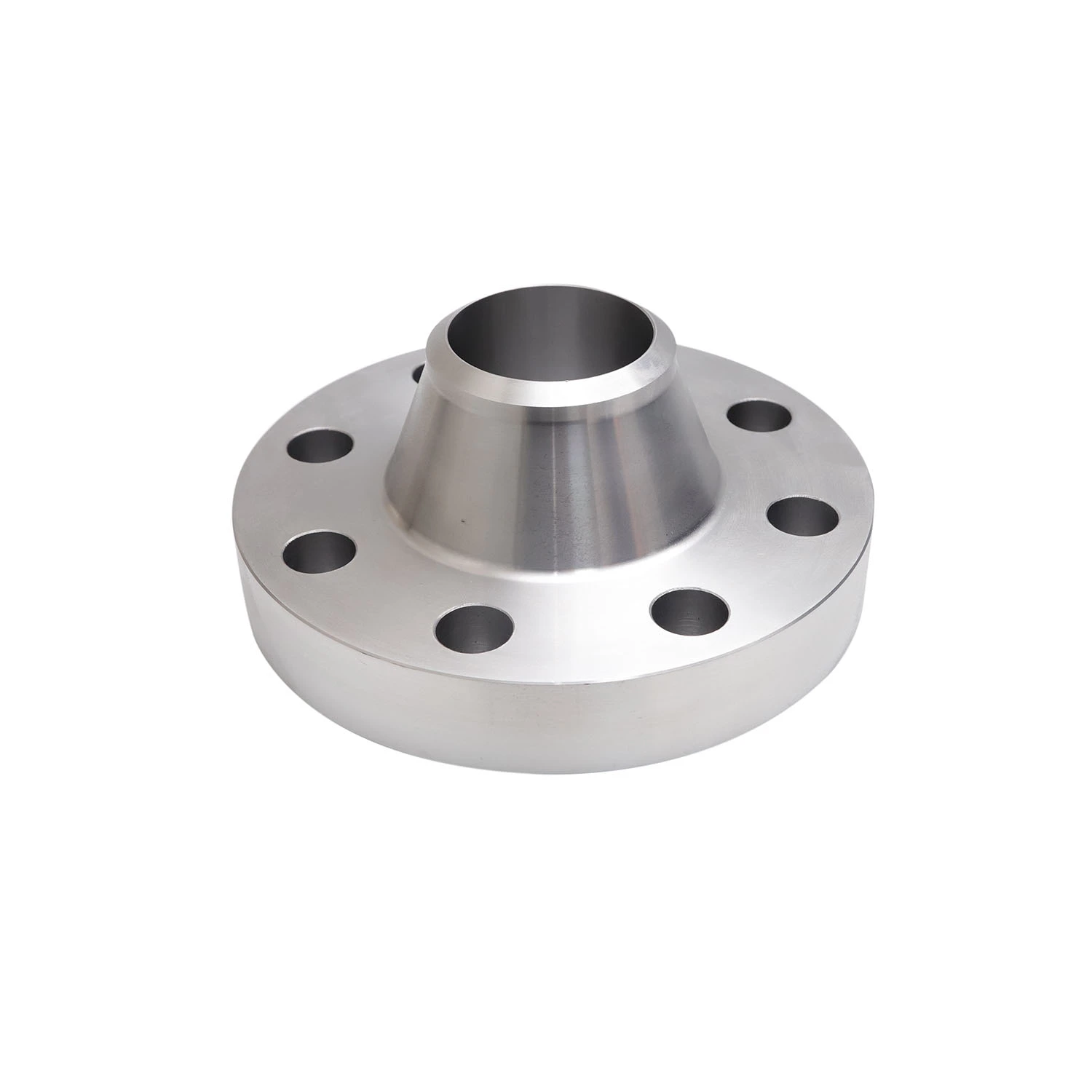
Understanding Welding Neck Flanges: Specifications & Materials
Definition and Structural Characteristics
There is a high-quality pipe part called a Welding Neck Flange that is designed to be butt-welded straight to pipes. Its long, tapered hub makes a smooth transfer from the flange face to the attached pipe wall, which makes it stand out. This design gets rid of the stress concentration points that happen with other flange configurations. This makes it the best choice for important uses where failure is not an option. The flange hub's bore is carefully machined to match the inside diameter of the pipe it fits, making a flow line that doesn't get blocked. This smooth link gets rid of turbulence and lowers erosion-corrosion, which makes your whole pipe system last longer. The tapered shape makes it very resistant to wear under cyclic loads, which makes it perfect for uses that involve changing temperatures or mechanical shaking.
International Standards Compliance
Weld neck flanges made today meet a number of international standards to make sure they are safe and compatible around the world. ASME B16.5 sets the rules for flanges from NPS ½" to 24" in pressure classes from 150 to 2500. ASME B16.47 Series A and B cover sizes from NPS 26" to 60" for bigger jobs. For use in Europe, EN 1092-1 standards are used, which cover sizes from DN10 to DN2000 and pressures from PN6 to PN400. Some other standards are JIS B2220 for Japanese uses (10K to 40K pressure classes), API 605 for the oil and gas business, and different national standards like DIN and GOST guidelines. This wide range of standards makes sure that buying teams can choose flanges that meet local rules and regulations while still working with foreign project requirements.
Material Selection and Properties
The choice of material is very important for how well and how long a plate lasts. It is strong and inexpensive to use carbon steel grades like ASTM A105 for most tasks. On the other hand, stainless steel grades like A182 F304 and F316L are better at resisting rust in harsh conditions. Different types of alloy steel, like A182 F11 and F22, work better at high temperatures for uses in power generation and petrochemicals. Whether to use carbon steel or stainless steel depends on the needs of the product. Stainless steel does very well in acidic settings. It can handle acids, saltwater, and oxidizing conditions, Welding Neck Flange without losing its shape. Carbon steel is stronger than other metals and costs less, so it's perfect for high-pressure uses where rust is not a major worry.
Pressure Ratings and Dimensions of Welding Neck Flanges
Understanding Pressure Classifications
Pressure numbers show the highest pressure that can be used at certain temperatures. They have a direct effect on safety and the dependability of operations. Welding Neck Flange pressure classes range from 150 to 2500, with each class made to withstand increasing internal pressures. At room temperature, Class 150 flanges can usually handle pressures up to 285 PSI. Class 2500 flanges, on the other hand, can handle pressures over 6,170 PSI in the same settings. For correct measurement, the link between temperature and pressure class is very important. The allowed working pressure goes down in the same way that the running temperature does. This backwards relationship shows that materials are weaker at high temperatures, so it's important to be careful during the planning phase to avoid overpressure situations that could cause a catastrophic failure.
Important Dimensional Factors
Flange measures include a number of important measurements that make sure the flange fits and works properly. The general flange size and bolt circle fit are based on the outside diameter (OD). To keep the flow going, the inside diameter (ID) of the pipe schedule must match the connected pipe schedule. The bolt circle width determines how far apart the fasteners are and how easy they are to reach. The thickness of the flange affects how much pressure it can hold and how much torque it needs. The length of the hub is also very important. There are normal and long weld neck versions to fit different pipe schedules and welding needs. To get the best stress distribution, the hub taper angle follows certain geometric ratios. For example, the slope ratio from the flange face to the pipe connection point is usually kept at 1:3. Together, these relationships between dimensions make a mechanically sound link that can handle harsh working conditions.
Needs for Tolerance and Quality Control
Factory specs have a direct effect on how well something installs and how well it works in the long run. Standard dimensional tolerances usually accept ±1mm of difference in most measures. Tighter tolerances are needed for important dimensions like hole diameter and flange face alignment. Surface finish standards call for 125–250 microinch Ra for sealing surfaces to make sure the best gasket touch and leak-tight performance. Dimensional checking, material testing, and non-destructive examination are all parts of quality control processes. Hydrostatic testing checks if something can handle pressure, and radiography checks the quality of welds in important situations. These strict quality controls make sure that every flange meets or goes beyond the requirements set before it is shipped.
Installation Guide: How to Weld and Install Welding Neck Flanges
Pre-Installation Preparation and Tools
A successful repair starts with careful planning and choosing the right tools. Qualified welding machines, pipe beveling tools, alignment clamps, and measuring tools are all examples of essential equipment. To match the shape of the flange hub, the pipe end needs to be precisely beveled. This is usually done with a 37.5-degree bevel angle and the right root face measurements. During preparation, cleanliness is very important. All surfaces need to be cleaned thoroughly to get rid of oil, dirt, Welding Neck Flange, and rust. For a proper fit-up, you need to check the line, gap sizes, and backing ring needs. The material certification review makes sure that the flange and connected pipe materials are compatible. This stops galvanic rust and makes sure the quality of the weld.
Step-by-Step Installation Process
For the best results, the installation process needs to be done in a planned way. As part of the initial fit-up, the Welding Neck Flange is placed against the prepared pipe end, making sure that it is aligned correctly and that the gap is the same all the way around. Alignment is kept during the whole welding process by tack welding at key points. Root pass welding sets the basis for a strong joint. It needs careful control of the heat input and deep entry. As more filler passes are made, the weld profile is built up. Before each pass can happen, it must be properly cleaned and inspected. The finished weld shape is made by the final cap passes, which need to pay attention to the reinforcement height and surface finish standards. For some types of materials or working situations, a heat treatment after the welding process may be needed. Stress relief methods get rid of leftover stresses that could cause the material to break too soon. This is especially important in high-temperature situations or when using alloy steels that can be hardened.
Safety Protocols and Inspection Requirements
Safety concerns include both keeping people safe and making sure that equipment works properly. Welding fumes can be avoided by making sure there is enough air flow, and wearing the right safety gear can protect you from spark radiation and dust. Hot work passes make sure that safety rules are followed, which is especially important in places that could explode. Procedures for inspection confirm the quality of the weld and that the dimensions are correct. Visual analysis finds flaws on the surface, gaps in the joining, and differences in the sizes of the parts. Radiographic testing shows internal breaks that could weaken the joint's stability. Pressure testing proves that the finished part works as planned under real-world conditions.
Comparing Welding Neck Flanges with Other Flange Types
Mechanical Performance Advantages
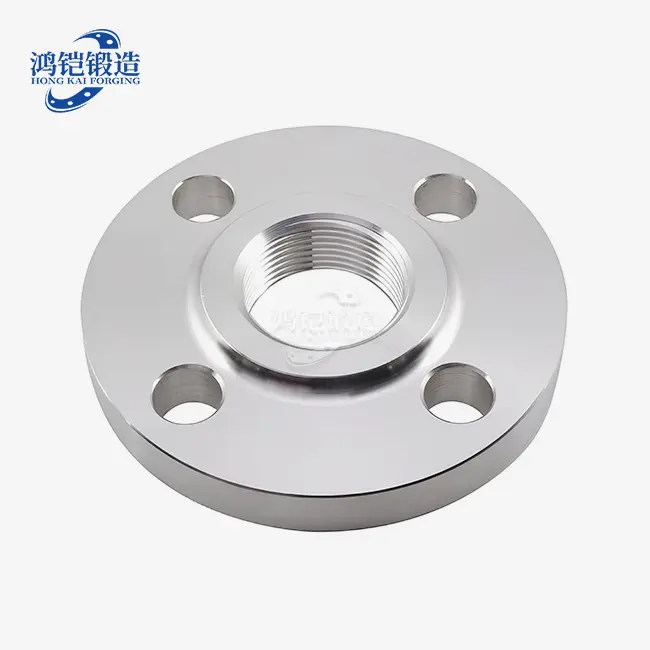
Weld neck flanges are better in many ways than slip-on, threaded, and socket weld options when it comes to mechanical performance. When it comes to flange technology, the butt-weld link is the strongest joint possible, keeping pressure inside and blocking outside forces. When safety is very important, like in high-pressure situations, this structure benefit becomes very important. Another big benefit is that it doesn't wear out easily. This is because the curved hub design spreads stress equally and stops cracks from starting when the load is changed. Weld neck designs offer longer wear life, which is useful in situations where temperatures change, mechanical vibrations happen, or pressure changes. Because the service life is longer, upkeep costs are lower, and the system is more reliable.
Flow Characteristics and Efficiency Benefits
Flow problems and turbulence that happen with other types of flanges are not a problem with the matching bore design. When you use slip-on flanges, they make internal steps that cause turbulence Welding Neck Flange and pressure drops. When you use threaded flanges, they make circular flow patterns that cause more friction losses. Socket weld flanges have cracks that can hold corrosive layers and create conditions for erosion and rusting. Welding Neck Flange designs make the flow line smooth, which reduces the pressure drop across the link and boosts the overall efficiency of the system. This smooth change lowers the chance of erosion and rust, which is especially important when working with fluids that are rough or acidic. Getting rid of dead spots stops deposits from building up, which could cause rusting or contamination problems in certain areas.
Cost-Benefit Analysis Considerations
However, the total cost of ownership usually favors the weld neck design, even though they cost more to buy at first than slip-on or threaded options. Lower lifecycle costs are caused by less upkeep being needed, longer service life, and higher dependability. Being able to do a full radiography check adds to its usefulness in serious situations where failure would have bad results. It may cost more to install because of the special welding needs, but the investment pays off in the long run by making the joints stronger and lowering the chance of leaks. Galling and sticking are not a problem because there are no threaded connections, and crevice rust is not a problem with butt-weld designs because there are no socket welds.
Procurement and Buying Guide for Welding Neck Flanges
Supplier Selection Criteria and Certifications
To choose reliable providers, you need to carefully look at their certifications, manufacturing skills, and quality systems. ISO 9001 quality management certification shows a structured method to quality control, and the pressure equipment directive (PED) compliance makes sure that the product is acceptable on the European market. Pressure-bearing parts that are certified by ASME are guaranteed to meet American standards. Manufacturing skills should cover the whole process of making something, from getting the raw materials to checking and testing the finished product. Integrated facilities that give casting, heat treatment, machining, and testing have better quality control and delivery predictability than operations that rely on a lot of different suppliers. Traceability systems make sure that materials have a history and make it easier to look into quality issues when they are needed.
Custom Manufacturing and Specification Options
When people need Welding Neck Flange solutions, they often have unique needs that aren't met by standard stock items. Suppliers who can make things in a variety of ways are needed for specialized materials, non-standard measurements, and custom face preparations. Common changes that may be needed for certain uses are custom hole schedules, longer hub lengths, and special surface treatments. Custom-made goods usually have longer lead times than standard goods, so you need to plan your purchases early on to keep your project on track. Clear documentation of specifications keeps people from misinterpreting them and makes sure that the goods provided meet the needs of the application. Material test results, dimensional certificates, and documents from non-destructive testing show that the product meets certain standards.
Pricing Factors and Budget Planning
There are several things that affect the price of flanges, such as Welding Neck Flange, but the main one is the material type. The prices of stainless steel and unusual alloys are higher than the prices of carbon steel substitutes. Size and pressure class affect the amount of material needed and how hard it is to make, which has a direct effect on cost. Prices are higher than for normal setups when special features like RTJ facing, extended hubs, or non-standard materials are used. Bulk orders often get savings for quantity, which makes consolidated buying a good idea for projects with more than one part. But the benefits of the amount price must be weighed against the costs of storage and carrying goods. When project deadlines are very important, delivery terms that allow for flexible scheduling may be worth the extra cost, while normal delivery terms often offer ways to save money.
Conclusion
When it comes to connecting pipes, the Welding Neck Flange is the best. It offers the highest level of integrity, reliability, and performance for important industry uses. The form of its tapered hub distributes stress better and resists fatigue better, and the butt-weld arrangement allows for full x-ray analysis and smooth flow. From pipelines for oil and gas to steam systems for power plants, these flanges provide the structural stability and leak-tight performance that tough uses need. Standard compliance, material choices, and pressure levels make sure that there are solutions for almost any industrial pipe need. However, it is important to make sure that the right specifications are followed and that the right materials are bought for the project to be a success.
FAQ
1. What pressure ratings are available for weld neck flanges?
According to ASME standards, weld neck flanges come in pressure classes from 150 to 2500. Class 150 can handle about 285 PSI, and Class 2500 can handle over 6,170 PSI at room temperature. European standards have ratings from PN6 to PN400, while Japanese standards have ratings from 10K to 40K.
2. How do I ensure proper installation alignment during welding?
For exact alignment, the pipes must be beveled precisely, the gaps must be filled correctly, and strategic tack welding must be used to keep the pipes in place. Make sure that the concentricity and parallelism are correct with alignment clamps and measuring tools before you start the root pass. To keep the welding process from distorting, keep the heat input and welding order the same.
3. Can weld neck flanges be used with different pipe schedules?
Yes, but the inside diameter of the linking pipe schedule must match the size of the flange in order to keep the flow smooth. For Schedule 40 pipe, standard ends are usually bored, but other schedules can be made to order. For the best performance and pressure rate compliance, the bores must be properly matched.
4. What materials are recommended for high-temperature tasks?
For use at high temperatures, alloy steel types like A182 F11 and F22 offer better resistance to creep and strength retention. 316L and other types of stainless steel are very good at resisting rust. However, for temperatures above 800°F, special metals may be needed.
5. How long do weld neck flanges typically last in service?
Service life depends on the conditions of the application, but in most industrial settings, weld neck flanges that are fitted correctly last 20 to 30 years of steady service. The better resistance to wear and better stress distribution make this type of flange last longer than others, especially in applications that use cyclic loading.
Partner with HONG KAI FORGING for Premium Welding Neck Flange Solutions
HONG KAI FORGING offers the best Welding Neck Flange options in the business, backed by 30 years of producing excellence and a wide range of quality certifications. We can forge, heat treat, machine, and test all of our products together, so you can be sure of uniform quality and on-time delivery for your most important projects. We have the exact options your uses need, with sizes ranging from DN15 to DN4000 and pressure ratings up to Class 2500. Get in touch with our expert team at kevin.zhao@hkflange.com to talk about your needs and find out why procurement professionals around the world choose HONG KAI FORGING as their go-to welding neck flange provider.
References
1. American Society of Mechanical Engineers. "ASME B16.5 Pipe Flanges and Flanged Fittings: NPS 1/2 Through NPS 24 Metric/Inch Standard." New York: ASME Press, 2020.
2. European Committee for Standardization. "EN 1092-1 Flanges and Their Joints - Circular Flanges for Pipes, Valves, Fittings and Accessories." Brussels: CEN Publishing, 2018.
3. Bickford, John H. "Gaskets and Gasketed Joints, Second Edition." New York: Marcel Dekker, 2003.
4. Watkins, Robert J. "Pressure Vessel Design Manual: Illustrated Procedures for Solving Major Pressure Vessel Design Problems, Fourth Edition." Oxford: Butterworth-Heinemann, 2013.
5. Japanese Industrial Standards Committee. "JIS B 2220 Steel Pipe Flanges." Tokyo: Japanese Standards Association, 2017.
6. American Petroleum Institute. "API Standard 605 Large Diameter Carbon Steel Flanges." Washington: API Publishing Services, 2019.
Clear Communication, and Reliable Technical Support
_1789007141818.webp)
_1787370234928.webp)