- English
- French
- German
- Portuguese
- Spanish
- Russian
- Japanese
- Korean
- Arabic
- Greek
- German
- Turkish
- Italian
- Danish
- Romanian
- Indonesian
- Czech
- Afrikaans
- Swedish
- Polish
- Basque
- Catalan
- Esperanto
- Hindi
- Lao
- Albanian
- Amharic
- Armenian
- Azerbaijani
- Belarusian
- Bengali
- Bosnian
- Bulgarian
- Cebuano
- Chichewa
- Corsican
- Croatian
- Dutch
- Estonian
- Filipino
- Finnish
- Frisian
- Galician
- Georgian
- Gujarati
- Haitian
- Hausa
- Hawaiian
- Hebrew
- Hmong
- Hungarian
- Icelandic
- Igbo
- Javanese
- Kannada
- Kazakh
- Khmer
- Kurdish
- Kyrgyz
- Latin
- Latvian
- Lithuanian
- Luxembou..
- Macedonian
- Malagasy
- Malay
- Malayalam
- Maltese
- Maori
- Marathi
- Mongolian
- Burmese
- Nepali
- Norwegian
- Pashto
- Persian
- Punjabi
- Serbian
- Sesotho
- Sinhala
- Slovak
- Slovenian
- Somali
- Samoan
- Scots Gaelic
- Shona
- Sindhi
- Sundanese
- Swahili
- Tajik
- Tamil
- Telugu
- Thai
- Ukrainian
- Urdu
- Uzbek
- Vietnamese
- Welsh
- Xhosa
- Yiddish
- Yoruba
- Zulu
OEM Welding Neck Flange: Custom Options & Lead Times
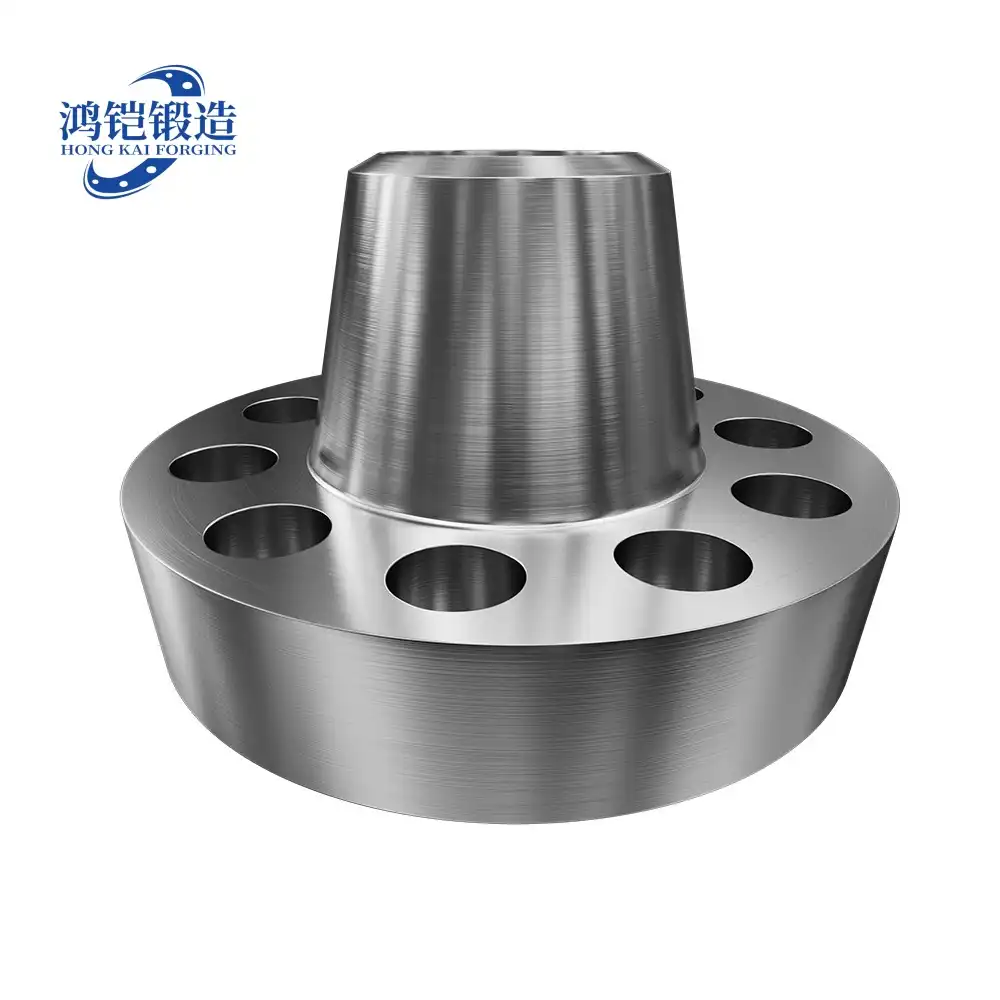
The Welding Neck Flange is the best choice for high-pressure uses when industry buying teams need to buy a piping system. This complete guide talks about the technical specs, shipping times, and custom manufacturing choices that are most important to B2B buyers. This type of flange has a unique long tapered hub that is made for butt welding. It has excellent structural stability and the best stress distribution, which makes it a must-have for harsh industrial settings where dependability cannot be sacrificed.
Understanding Welding Neck Flanges – Key Features and Applications
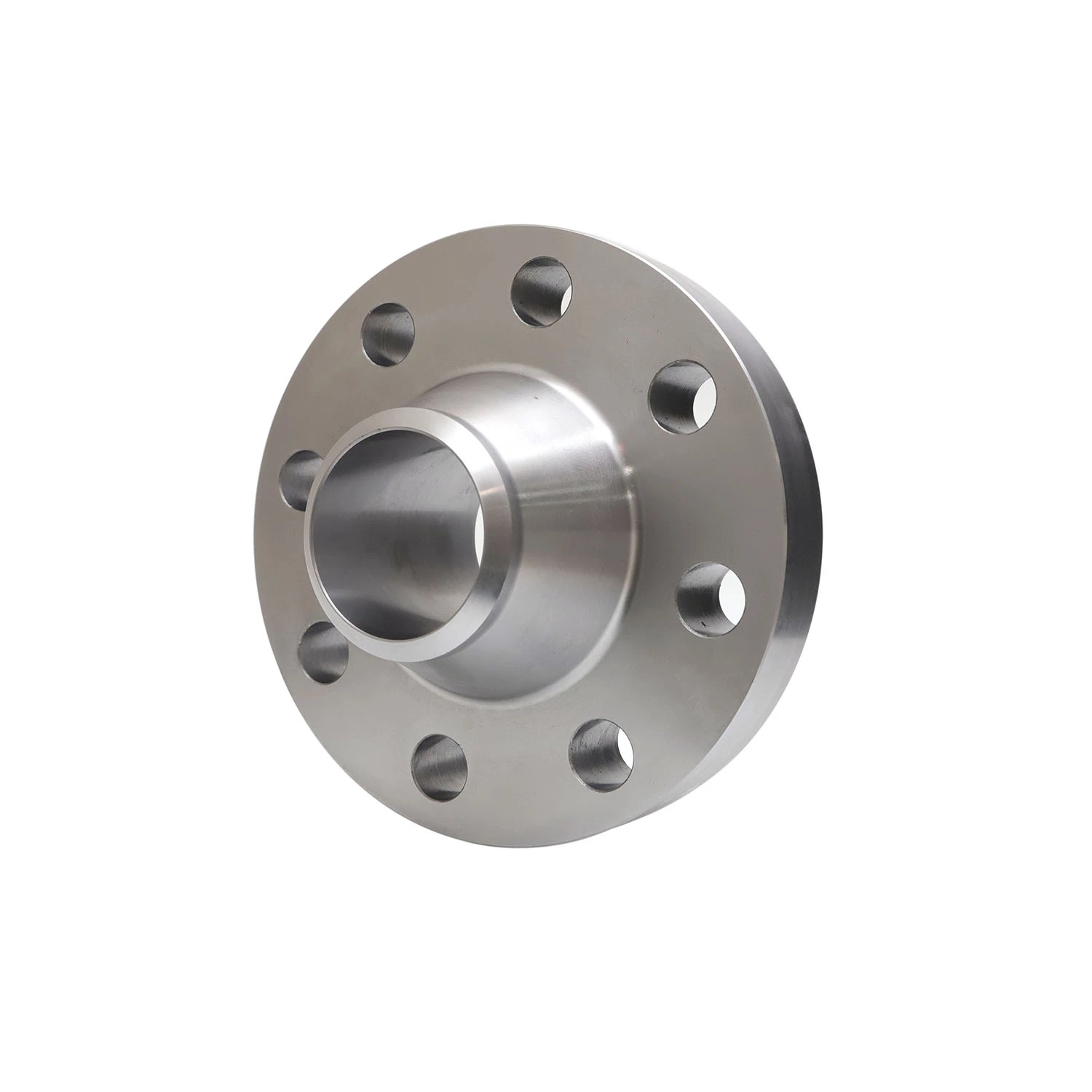
One of the best things about welding neck flanges is that they have a special curved hub design that makes the shift from the flange face to the pipe wall smooth. Some of the most important problems in high-pressure pipe systems are solved by this advanced design method, which moves the mechanical stress from the flange base to the linked pipe structure.
Superior Stress Distribution Technology
The tapered hub shape is a big step forward in mechanical engineering. It lets these flanges work in harsh conditions that would damage other types of connections. The steady change in thickness stops stress concentration points, which makes wear resistance much better when loading conditions change over time. Because of this way of thinking about design, Welding Neck Flange parts are necessary for uses that involve heavy bending moments and heat cycles.
Seamless Flow Characteristics
Unlike other types of flanges, welding neck flanges have carefully machined bore sizes that match the inside diameter of the pipes they join to. This makes a smooth flow path that gets rid of turbulence, lowers pressure drops, and keeps erosion and rust to a minimum in pipe systems. The smooth shift is especially useful when working with rough or acidic materials.
Industry Applications and Performance Standards
These flanges work great in a lot of different industries. For example, oil companies use them for high-pressure communication lines that go over 5,000 PSI. Power plants rely on their ability to handle thermal growth in steam lines that work at temperatures above 500°C. Chemical processing plants depend on Welding Neck Flange for their ability to keep fluids from leaking when they work with explosive and dangerous substances, and rogue fumes pose serious safety risks.
Custom Welding Neck Flange Options – Specifications That Matter
For global B2B buying to work, it needs to be carefully tailored to each project's needs and practical requirements. When procurement workers know what choices are out there, they can choose parts that meet foreign standards and give the best performance.
Material Selection and Compatibility
Different types of carbon steel, like ASTM A105 and P250GH grades, are affordable options for general industry uses that need low temperature and pressure. For chemical production conditions, stainless steels like A182 F304/316L and 1.4301/1.4404 are better at resisting corrosion. Alloy steel types like A182 F11/F22 and 13CrMo4-5 have better mechanical qualities for use in power plants where temperatures are high.
Dimensional Specifications and Standards Compliance
Manufacturing skills cover a wide range of sizes to meet the needs of a wide range of projects:
- ASME B16.5 Standard: It includes NPS ½" to 24" sizes with pressure ranges from 150 to 2500 PSI.
- ASME B16.47 Standard: A standard called ASME B16.47 covers uses with a large diameter (NPS 26" to 60") and grades from Class 150 to Class 900.
- EN 1092-1 European Standard: The European Standard EN 1092-1 allows sizes from DN10 to DN2000 and pressures from PN6 to PN400.
- JIS B2220 Japanese Standard: JIS B2220 is a Japanese standard that gives sizes from DN10 to DN1000, and pressure ranges from 10K to 40K.
Face Types and Surface Treatments
Raised Face (RF) configurations work with normal gasket uses and have surface finishes that are 125 to 250 µin Ra for the best sealing performance. Ring Type Joint (RTJ) choices offer metal-to-metal sealing for uses with high temperatures and pressures, while Flat Face (FF) forms are better for certain installation needs. Special coats and surface treatments make things less likely to rust and make them last longer in harsh settings.
Lead Times and Delivery – What B2B Buyers Need to Know
Scheduling production and coordinating deliveries are two very important parts of completing a job successfully. When buying, teams know how long it takes to make something, they can make realistic project plans, and look for ways to make things better.
Standard versus Custom Manufacturing Timelines
Standard Welding Neck Flange configurations usually need two to four weeks to be made and tested for quality. Custom specs that include non-standard sizes, face types, Welding Neck Flange, or materials may add 6 to 8 weeks to the lead time, based on how hard the machining is and how available the materials are. When planned ahead of time, rush orders can often be handled with special scheduling.
Bulk Order Advantages and Logistics Optimization
Large sales have big benefits in terms of both cost and shipping time. When you combine shipments, you save money on logistics costs per unit and can make sure that deliveries happen on time to meet building goals. Expert makers keep strategic amounts of common materials and partially finished parts in stock to speed up production processes for customers who buy from them again and again.
Global Shipping Capabilities and Documentation
When you buy something from another country, you need full logistics help, which includes the right packing, export paperwork, and shipping planning. Suppliers with a good reputation give thorough material test certificates, measurement inspection reports, and compliance paperwork that is needed to clear customs and accept the project. Container optimization and merging services help keep shipping costs low while keeping goods safe during travel.
Comparing Welding Neck Flanges with Other Flange Types – Making the Right Choice
To choose the right flange types, you need to know about their performance, how they need to be installed, and how they will work in the long run. Comparison analysis helps people who work in buying make smart choices that balance the costs of the original purchase with the value over time.
Structural Integrity Comparison
Due to their butt-weld connection shape, welding neck flanges offer better structural stability than slip-on or socket weld options. This design allows for a full radiography inspection, which makes sure that the quality of the weld is checked throughout the whole joint. For example, blind flanges are not used to connect pipes; they are used to close off ends. Lap joint plates make installation more flexible, but they weaken the structure when there is a lot of pressure on it.
Installation and Maintenance Considerations
The butt-weld method takes skilled welding skills and proper joint preparation, but it makes the strongest pipe link possible. Slip-on flanges make fitting faster, but because of the limits of the fillet weld, they can create leak paths. Socket weld designs work well with smaller pipe sizes, but they can't handle the pressure levels that Welding Neck Flange designs can.
Cost-Benefit Analysis for Critical Applications
Even though it may cost more at first than other types of flanges, the better resistance to fatigue and longer service life make it an appealing lifetime value. Fewer failures, less upkeep, and a more reliable system make it worth paying more for in important situations where downtime costs more than the savings on parts.
Ensuring Quality and Performance – Inspection, Maintenance, and Compliance
Long-term system safetyand dependability are determined by quality assurance methods and regular repair procedures. Knowing what inspections are needed and the best ways to do maintenance helps buying teams set the right quality standards and make maintenance plans that work.
Inspection Standards and Quality Verification
Radiographic testing lets you check every weld thoroughly, finding any problems before the system is put into service. Magnetic particle testing finds breaks in the surface, and liquid penetrant analysis finds small cracks or holes. Dimensional verification makes sure that the standards set are followed, and material test papers make sure that the Welding Neck Flange's chemical make-up and mechanical qualities meet the needs of the project.
Preventive Maintenance and Corrosion Protection
In acidic conditions, the service life can be extended by properly prepping the surface and applying the coating. Scheduled regular inspections find possible problems before they damage the structure of the system. Changing the gaskets during regular maintenance breaks keeps the sealing working well, and checking the strength on the bolts stops the joint from breaking down over time. For sites that are buried or underwater, cathodic protection systems add another layer of defense against corrosion.
Regulatory Compliance and Documentation Requirements
Minimum standards for design, manufacturing, and testing are set by industry standards like ASME Section VIII, API 570, and EN 13480. Throughout the lifecycle of a component, regulatory compliance is ensured by the right paperwork, such as material traceability, welding process specs, and inspection records. Compliance with quality control systems and supplier certifications is two more ways to make sure that product quality stays high.
Conclusion
Welding Neck Flange components offer the best performance of any industrial piping connection technology. Because they distribute stress better, flow smoothly, and offer a wide range of customization choices, they are essential in harsh industrial settings. Procurement experts can make smart choices that balance performance needs with project limitations by knowing the specs that are available, the lead time factors, and the quality requirements. This helps them achieve success in high-stakes industrial applications.
FAQ
1. What makes welding neck flanges suitable for high-pressure applications?
The long, curved hub shape spreads stress evenly from the flange face to the pipe wall, stopping stress from building up in places that could cause failure. The butt-weld link is the strongest joint possible, allowing pressure ratings of up to Class 2500 while keeping the structure's integrity in harsh circumstances.
2. How do wait times change when custom specs are used?
Standard setups usually take two to four weeks to make, while custom specs can take up to eight weeks, based on the supply of materials and the difficulty of the machining. Special materials, non-standard sizes, or different face types take longer to process, but experienced makers usually keep a smart reserve on hand to keep delays to a minimum.
3. What kinds of inspections can be done to make sure the quality?
Radiographic inspection, magnetic particle tests, and liquid penetrant analysis can all be done because of the shape of the buttweld. These thorough checking methods check the quality of the weld all the way through the joint, making sure it meets industry standards and project requirements for important uses.
Partner with HONG KAI FORGING for Premium Welding Neck Flange Solutions
HONG KAI FORGING is the Welding Neck Flange maker you can trust to give you the best quality and on-time delivery for your tough industrial projects. Forging, heat treatment, machining, and thorough quality testing are all part of our combined production skills. This means that we can consistently meet standards from DN15 to DN4000. We meet many foreign standards, including ASME B16.5 and EN1092-1, so you can be sure that we have the technical know-how and high-quality manufacturing that your projects need. Get in touch with kevin.zhao@hkflange.com right away for unique solutions that meet your exact needs and delivery standards.
References
1. American Society of Mechanical Engineers. "ASME B16.5 Pipe Flanges and Flanged Fittings: NPS 1/2 through NPS 24 Metric/Inch Standard." ASME International, 2020.
2. European Committee for Standardization. "EN 1092-1 Flanges and their Joints - Circular Flanges for Pipes, Valves, Fittings and Accessories." CEN Publications, 2018.
3. Bickford, John H. "Gaskets and Gasketed Joints: Second Edition." CRC Press Taylor & Francis Group, 2016.
4. Petroleum Industry Standards. "API 605 Large Diameter Carbon Steel Flanges." American Petroleum Institute, 2019.
5. Japanese Industrial Standards Committee. "JIS B2220 Steel Pipe Flanges." Japanese Standards Association, 2017.
6. International Organization for Standardization. "ISO 7005 Metallic Flanges - Part 1: Steel Flanges." ISO Publications, 2011.
Clear Communication, and Reliable Technical Support
_1788850469940.webp)
_1788832638059.webp)