- English
- French
- German
- Portuguese
- Spanish
- Russian
- Japanese
- Korean
- Arabic
- Greek
- German
- Turkish
- Italian
- Danish
- Romanian
- Indonesian
- Czech
- Afrikaans
- Swedish
- Polish
- Basque
- Catalan
- Esperanto
- Hindi
- Lao
- Albanian
- Amharic
- Armenian
- Azerbaijani
- Belarusian
- Bengali
- Bosnian
- Bulgarian
- Cebuano
- Chichewa
- Corsican
- Croatian
- Dutch
- Estonian
- Filipino
- Finnish
- Frisian
- Galician
- Georgian
- Gujarati
- Haitian
- Hausa
- Hawaiian
- Hebrew
- Hmong
- Hungarian
- Icelandic
- Igbo
- Javanese
- Kannada
- Kazakh
- Khmer
- Kurdish
- Kyrgyz
- Latin
- Latvian
- Lithuanian
- Luxembou..
- Macedonian
- Malagasy
- Malay
- Malayalam
- Maltese
- Maori
- Marathi
- Mongolian
- Burmese
- Nepali
- Norwegian
- Pashto
- Persian
- Punjabi
- Serbian
- Sesotho
- Sinhala
- Slovak
- Slovenian
- Somali
- Samoan
- Scots Gaelic
- Shona
- Sindhi
- Sundanese
- Swahili
- Tajik
- Tamil
- Telugu
- Thai
- Ukrainian
- Urdu
- Uzbek
- Vietnamese
- Welsh
- Xhosa
- Yiddish
- Yoruba
- Zulu
Best Threaded Flange Materials for Corrosion Resistance and Strength
The best materials for threaded flange use are those that are both very resistant to rust and very strong, so they can work reliably in harsh industrial settings. For normal uses, carbon steel ASTM A105 is a cost-effective way to get strength, while types 304 and 316L of stainless steel are better at resisting corrosion in chemical processing. Some types of alloy steel, like duplex stainless steel and Inconel, work better in harsh conditions. Choosing the right material is important for industrial pipe systems that need to last a long time and be safe to use.
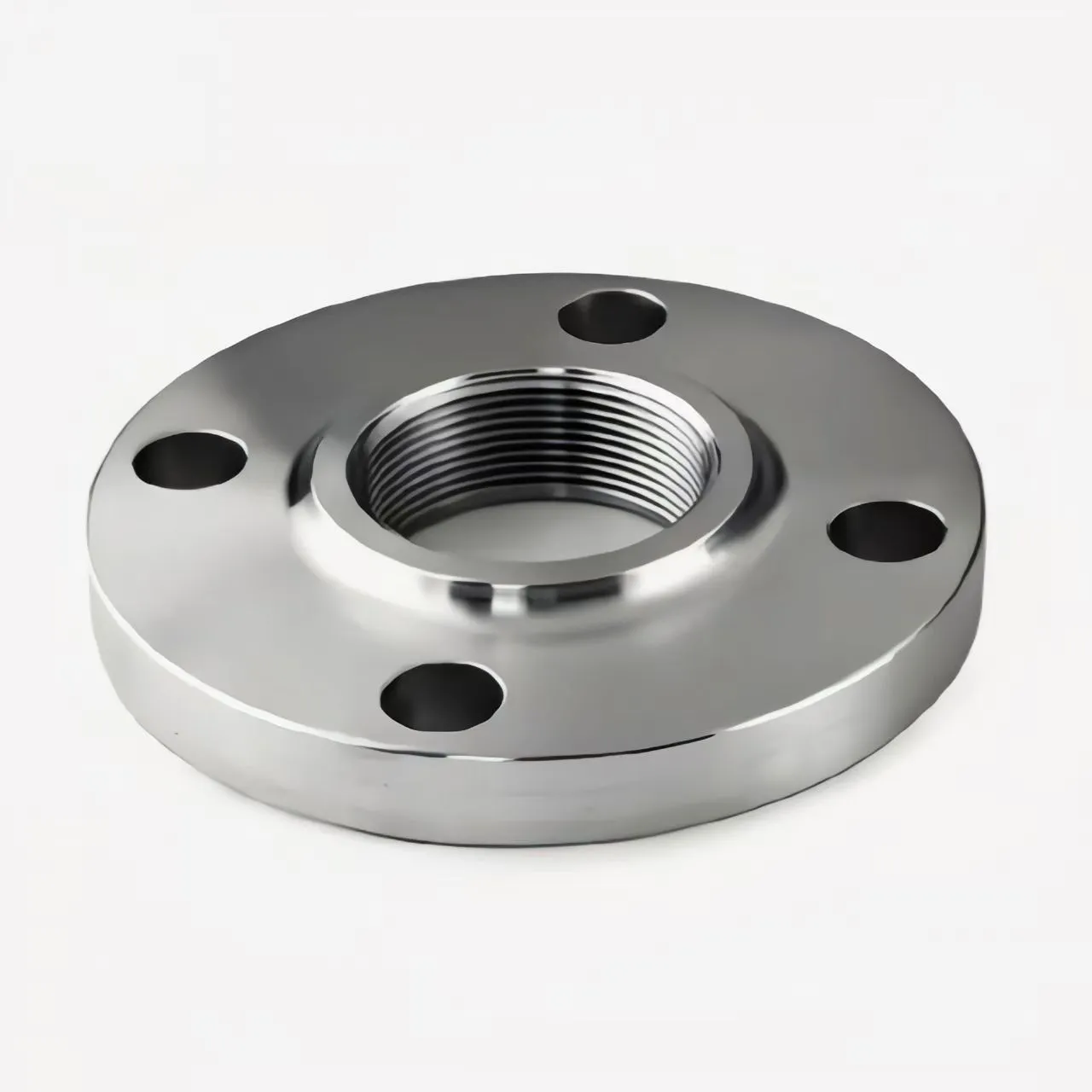
Understanding Threaded Flanges and Material Importance
Threaded flange parts have tapered threads on the inside that automatically connect to pipe threads on the outside, making safe connections without the need for welding. This specific piece of pipe has NPT threads that meet ASME B1.20.1 standards. This lets it be installed in dangerous places where hot-work permits could be dangerous. The threaded connecting method protects galvanized coatings and gets rid of heat-affected areas that could weaken the pipe's integrity.
Critical Role of Material Selection
In industrial settings, the makeup of a material has a direct effect on how well it works. The base material decides how well something resists corrosion when exposed to chemicals, how strong it is when pressure and temperature change, and how long it will last in difficult working conditions. Bad choices of materials lead to early failures, higher upkeep costs, and possible safety risks that lower the total reliability of the system.
Industrial Challenges Addressed
Modern factories have to deal with a lot of complicated operating needs that need unique fitting solutions. Chemical plants that work with harmful substances need materials that don't break down easily, and refineries need parts that stay together even when they're under a lot of pressure and heat. Water treatment plants need materials that don't get contaminated and can handle being wet all the time and going through chemical treatments.
Top Materials for Threaded Flanges: Corrosion Resistance and Strength Comparison
Knowing the properties of a material helps buying managers choose the best options for each job. Each type of material has its own benefits that are tailored to specific operating needs and threaded flange environmental problems.
Carbon Steel Solutions
For general-purpose uses, ASTM A105 cast carbon steel is the standard in the business. This material is very strong and doesn't cost a lot of money for systems that work in mild temperature ranges. Carbon steel threaded flanges are great for structural uses where they won't be exposed to much rust because they are stronger and less likely to break when compared to other materials. As long as the material stays the same size, it can handle forces from Class 150 to Class 2500. But in corrosive settings, carbon steel needs protective layers or cathodic protection to stop oxidation and make it last longer.
Stainless Steel Performance
Grades 304 and 316L of stainless steel are very resistant to rust because they contain chromium, which forms protective oxide layers. Grade 304 is good for general acidic conditions, while 316L is better at handling chlorides and acids that are common in chemical and marine settings. These materials stay strong at high temperatures and don't crack from stress rusting. ASTM A182 F304 is easy to shape and weld, which makes it a good choice for complicated installs. The 316L type has less carbon in it, which stops carbides from forming and makes the material more resistant to rust in sensitive conditions. Depending on the pressure class, both grades can handle temperatures from -29°C to 538°C.
High-Performance Alloy Options
Duplex stainless steels have both austenitic and ferritic structures. They are twice as strong as regular stainless steel and are still very resistant to rust. When used overseas, where reducing weight and increasing strength are important for system performance, these materials work great.In harsh conditions with high temperatures and harsh chemicals, Inconel metals work better than other materials. Its nickel-based makeup stops rusting, carburization, and stress corrosion cracks in situations where other materials don't work. The higher prices of these premium metals are justified by the fact that they last longer and need less upkeep.
How to Choose the Best Threaded Flange Material for Your Application
To choose the right materials, you need to carefully look at the environmental and operating factors. This evaluation method makes sure that the best performance is achieved while keeping initial prices and lifecycle costs in check.
Environmental Assessment Protocol
First, look at the chemicals that are in the process fluids and the environment. You need to find acidic substances that could damage certain materials, like hydrogen sulfide, chlorides, or organic acids. Keep track of changes in temperature, pressure, and exposure to UV rays or airborne pollutants that can speed up the breakdown of materials. When different metals are in the system, you should think about electrical compatibility. When electrolytes are present, electrochemical processes between threaded flange different materials speed up rusting, so it's important to choose materials that have the least amount of galvanic potential differences.
Performance Requirements Analysis
Check the mechanical loading conditions, such as the effects of internal pressure, external forces, and temperature cycles. These forces must be able to be handled by threaded flange joints while keeping the integrity of the seal for the entire design life. Use industry standards and government rules related to your application area to figure out safety factors. Check the standards for maintenance entry and how often they need to be done. Materials that don't foul or scale can help with some tasks because they cut down on the time needed for cleaning and the time that operations have to be stopped. Think about whether the number of times you need to take things apart supports the cost of high-quality materials that keep the threads intact through multiple connection processes.
Cost-Benefit Optimization
Compare the cost of the materials to how long they are expected to last and the cost of repairs. Most of the time, higher-quality materials have lower total costs of ownership because they need less upkeep and are repaired less often. To make smart buying choices, you should figure out the lifetime costs, which include installation work, downtime costs, and disposal costs. When buying in bulk, it may be better to choose certain types of materials that fit with goals for standardization at the plant. By sticking to a few standard types of materials, you can simplify your inventory and maybe even get big savings from suppliers.
Installation, Maintenance, and Longevity of Threaded Flanges by Material Type
The best way to install and take care of different types of materials is to follow the right steps for installation and repair. Understanding the needs for each material makes sure that the system works well and is reliable.
Installation Best Practices
Thread compound must be used on carbon steel fittings to keep them from galling and make sure they close properly. To keep the process fluid from getting dirty, use pipe dope or thread tape that is compatible with it. Specifications for torque depend on the type of material and the pressure class. In general, carbon steel can handle higher torque values than stainless steel. When working with stainless steel systems, you need to be careful not to scratch the surface, which could start rusting. Use oils that are made to work with stainless steel, and keep carbon steel tools and work areas clean. Less torque is needed to keep the seal compressed properly and avoid damaging the threads.
Material-Specific Maintenance Protocols
Depending on how they corrode and break, different materials need different ways to be maintained. Knowing these changes helps you make good plans for maintenance and inspections. To keep rust protection, carbon steel systems need to have their coatings checked and touched up on a frequent basis. Keep an eye out for signs of galvanic rusting at the points where two different metals meet, and take the right steps to isolate the areas. Cathodic protection systems need to be tested and fixed on a regular basis to make sure they work properly. Maintenance for stainless steel is mostly about keeping the inactive film intact and stopping chloride from building up. Deposits that could lead to pocket rust or pitting are removed by regular cleaning. Stay away from threaded flanges from cleaners that contain chloride because they can cause stress rust cracks in areas that are already sensitive.
Service Life Expectations
The choice of material has a big effect on how long something is supposed to last in different operating circumstances. Knowing these connections helps you figure out when to replace things and set your budget properly. If you take the right precautions, carbon steel devices should last between 15 and 25 years in normal conditions. Corrosive settings can shorten the life of something by 5 to 10 years, based on how bad the exposure is and how well it is maintained. Regular check programs help find signs of wear and tear before they become a problem. In the right situations, stainless steel parts can last between 25 and 40 years. The mechanism for passive corrosion defense works consistently and doesn't need much upkeep. The best longevity is achieved by choosing the right material type for the surroundings.
Sourcing and Buying Guide for High-Quality Threaded Flanges
Consistent quality and agreement with international standards are made possible by supply lines that you can count on. Choosing experienced makers with the right certifications is important for the success of the project and the reliability of operations.
Manufacturer Qualification Criteria
Check out possible providers' quality control systems, their ability to make things, and their technical know-how. The ISO 9001 certification shows that the company manages quality in a planned way, and the API and ASME certifications show that the company knows how to meet the standards for making pressure vessels. To get an idea of how well a source has done in the past, look at audit records and customer references. When evaluating a company's manufacturing capabilities, it should look at its forging power, heat treatment facilities, precise cutting, and testing tools. Integrated sites usually offer better quality control and more reliable delivery than sellers who rely on many partners.
Quality Assurance Requirements
List the material's qualifications, such as mill test records, chemical analyses, and checks of its mechanical properties. While ASTM and EN standards set the minimum standards, customer specs may add more tests or documentation needs. Make sure that methods for tracking materials can identify them all the way through the supply chain. Testing and inspection services from a third party add to the quality guarantee for important uses. Verification by a third party of dimensions, material properties, threaded flange, and performance features lowers the risk of buying and makes sure that project specs are met.
Logistics and Support Services
Check the logistics skills of the supplier, such as their experience with foreign shipping, how they package items, and when they send them. The right packing keeps the product's identity and keeps it from getting damaged during shipping. Reliable shipping plans help keep projects on track and keep inventory costs as low as possible. Technical support services, such as technical help, unique design options, and support after the sale, add value on top of just supplying the product. These services are especially important for applications that are hard to understand or that need to be changed to fit the needs of a specific project.
Conclusion
When choosing a material for a threaded flange, you need to think carefully about how well it resists rust, how strong it is, and what the purpose needs. For everyday uses, carbon steel is a strong and affordable option. Stainless steel types, on the other hand, are better at resisting rust in harsh conditions. High-performance metals are worth the extra money because they last longer and are more reliable in harsh circumstances. In industrial settings, choosing the right provider, installing, and maintaining materials correctly can improve their performance and make sure that systems will work reliably for a long time.
FAQ
1. What material offers the best corrosion resistance for marine applications?
Stainless steel 316L provides optimal corrosion resistance for marine environments due to its molybdenum content, which enhances resistance to chloride attack and pitting corrosion common in saltwater exposure.
2. Can carbon steel threaded flanges be used in chemical processing?
In chemical processes, carbon steel plates need protective coatings or cathodic protection. Materials made of stainless steel or alloy steel usually last longer in chemically harmful settings.
3. How do material choices affect pressure ratings?
The strength of a material directly affects how much pressure it can withstand. Most of the time, carbon steel can handle higher pressure classes than stainless steel of the same size, but in extreme situations, specific metals may be better than both.
4. What inspection intervals are recommended for different materials?
In acidic settings, carbon steel systems need to be inspected every two to three years. Stainless steel parts may be inspected every five to seven years. No matter what kind of material it is, inspections should be done more often when conditions are bad.
5. Are threaded flanges suitable for high-temperature applications?
Different materials have different temperature limits. For example, carbon steel works well up to 400°C, stainless steel 304/316L up to 538°C, and some metals can handle higher temps. Check the material's specs to find out its exact temperature range at working forces.
Partner with HONG KAI FORGING for Superior Threaded Flange Solutions
HONG KAI FORGING makes precision-engineered threaded flange solutions that meet the demanding requirements of industrial procurement managers and project engineers. Our wide range of materials includes ASTM A105 carbon steel, 316L stainless steel, and special alloy types made to meet ASME B16.5, EN 1092-1, and other foreign standards. We offer solid supply chain support for uses in the energy sector, chemical processing, and water treatment in Shanxi Province, where we can forge, machine, and test parts all at the same time. Get in touch with kevin.zhao@hkflange.com to talk about your unique needs and find out why top companies around the world choose our threaded flange maker skills for their most important piping systems.
References
1. American Society of Mechanical Engineers. "ASME B16.5 Pipe Flanges and Flanged Fittings: Design and Material Requirements for Industrial Applications." ASME International Standards, 2020.
2. Materials Performance Institute. "Corrosion Resistance of Stainless Steel Flanges in Chemical Processing Environments." Industrial Materials Research Journal, Vol. 45, No. 3, 2021.
3. European Committee for Standardization. "EN 1092-1 Flanges and Their Joints: Circular Flanges for Pipes, Valves, Fittings and Accessories." European Standards Publication, 2018.
4. National Association of Corrosion Engineers. "Material Selection Guidelines for Marine and Offshore Applications." NACE International Technical Publication, 2019.
5. Pressure Vessel Research Council. "Mechanical Properties and Performance Analysis of Forged Steel Flanges Under High-Pressure Conditions." PVRC Technical Report Series, 2020.
6. Industrial Piping Systems Institute. "Installation and Maintenance Best Practices for Threaded Flange Connections in Process Industries." IPSI Technical Manual, 2021.
Clear Communication, and Reliable Technical Support