- English
- French
- German
- Portuguese
- Spanish
- Russian
- Japanese
- Korean
- Arabic
- Greek
- German
- Turkish
- Italian
- Danish
- Romanian
- Indonesian
- Czech
- Afrikaans
- Swedish
- Polish
- Basque
- Catalan
- Esperanto
- Hindi
- Lao
- Albanian
- Amharic
- Armenian
- Azerbaijani
- Belarusian
- Bengali
- Bosnian
- Bulgarian
- Cebuano
- Chichewa
- Corsican
- Croatian
- Dutch
- Estonian
- Filipino
- Finnish
- Frisian
- Galician
- Georgian
- Gujarati
- Haitian
- Hausa
- Hawaiian
- Hebrew
- Hmong
- Hungarian
- Icelandic
- Igbo
- Javanese
- Kannada
- Kazakh
- Khmer
- Kurdish
- Kyrgyz
- Latin
- Latvian
- Lithuanian
- Luxembou..
- Macedonian
- Malagasy
- Malay
- Malayalam
- Maltese
- Maori
- Marathi
- Mongolian
- Burmese
- Nepali
- Norwegian
- Pashto
- Persian
- Punjabi
- Serbian
- Sesotho
- Sinhala
- Slovak
- Slovenian
- Somali
- Samoan
- Scots Gaelic
- Shona
- Sindhi
- Sundanese
- Swahili
- Tajik
- Tamil
- Telugu
- Thai
- Ukrainian
- Urdu
- Uzbek
- Vietnamese
- Welsh
- Xhosa
- Yiddish
- Yoruba
- Zulu
Threaded Flange Benefits in Hazardous and Explosive Environments
When choosing the right piping parts, industrial sites Threaded Flange that work in dangerous and explosive settings face special challenges. Threaded flanges are an important safety option because they offer connections that aren't welded, which means there are no spark risks during installation and upkeep. These special parts make sure that links are safe and secure by using internal threads that physically mate with pipe external threads. This keeps the system working properly without breaking safety rules. Because they are designed so that you don't need a hot work permit, they are essential in places like chemical plants, pipelines, and other unstable places where traditional welding poses too many risks.
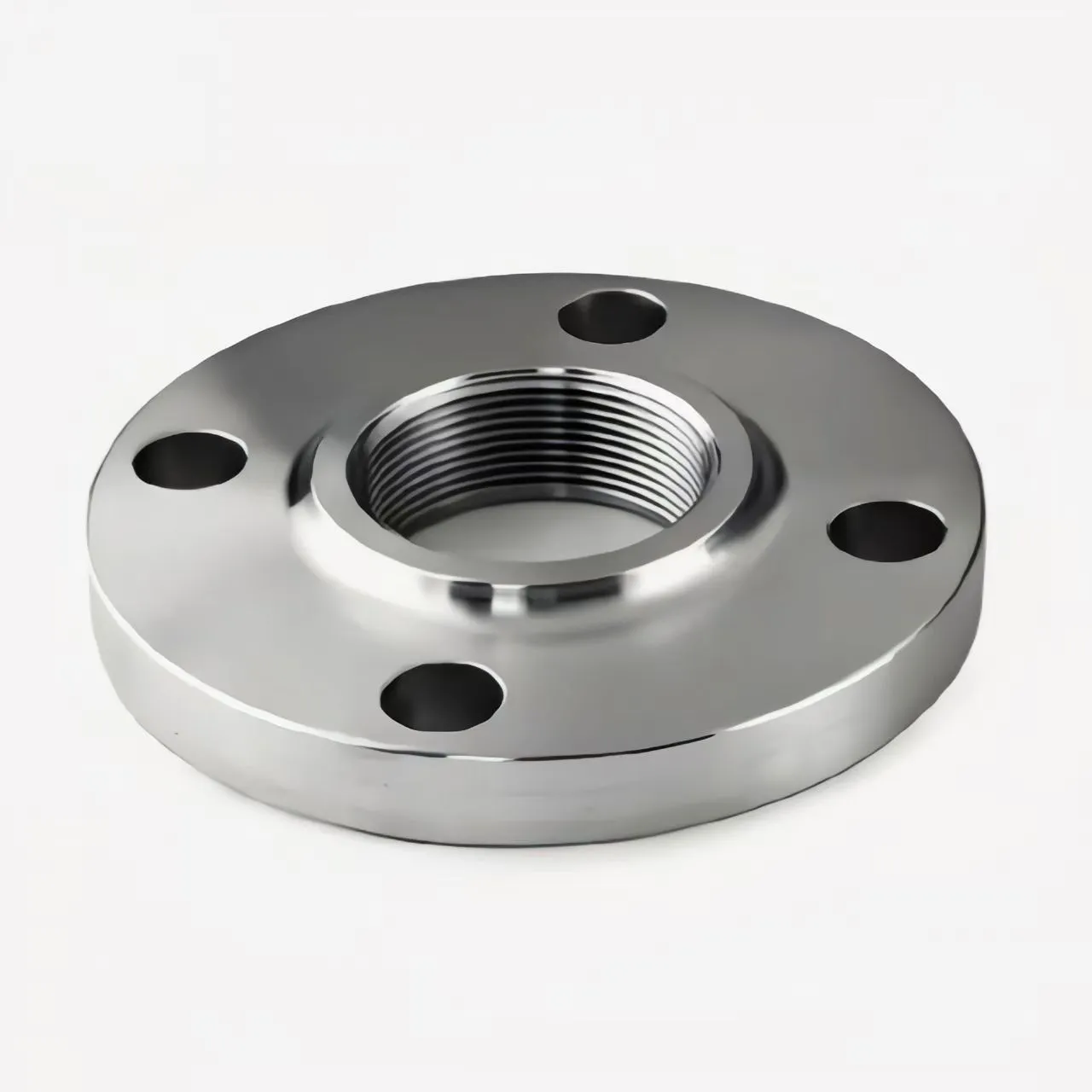
Understanding Threaded Flanges and Their Key Features
Threaded flanges are a special kind of pipe fitting that uses internal threads that match normal pipe threads to make connections that are safe without welding. Standard ASME B1.20.1 tapered threads are used in the basic design to make a metal-to-metal seal through mechanical interference instead of fusion welding.
Design Specifications and Standards Compliance
The threading shape has flattened crests and valleys that make it perfectly connect with pipe threads. It has an exact 60-degree angle. When links get tighter, the threads press together, making a strong seal that can handle the forces of operation. This way of joining pipes mechanically gets rid of heat-affected areas that could weaken pipes in important situations. Many foreign standards, such as ASME B16.5, EN 1092-1, DIN, JIS B2220, and GOST, can be met by modern threaded flanges. These rules cover the accuracy of measurements, pressure levels from Class 150 to Class 2500, and size ranges from DN15 to DN5000. Full compliance makes sure that the project is compatible and follows the specifications in all industry areas.
Material Selection for Hazardous Applications
The choice of materials is very important for how well they work in dangerous environments. For everyday use, carbon steel grades like ASTM A105 have strong mechanical qualities. Stainless steel grades like ASTM A182 F304 and F316, on the other hand, are better at resisting corrosion in harsh chemical conditions. Alloy steel solutions can be used for high-temperature tasks that are hard to do when the temperature changes. The choice of material has a direct effect on how long something works and how safe it is in dangerous environments. Stainless steel types are resistant to chemical attacks that could weaken connections, while carbon steel types are more cost-effective for uses that aren't as likely to corrode. With temperature ranges from -29°C to 538°C, different industrial areas can meet their different operating needs.
Advantages of Threaded Flanges for Hazardous and Explosive Environments
When you work in dangerous places, you need special solutions Threaded Flange that puts safety first without sacrificing performance. Threaded flanges have a lot of benefits that make them perfect for use in dangerous atmospheres and volatile chemical settings.
Superior Safety Profile and Risk Mitigation
When welding isn't used during installation, there aren't any sparks that could start an explosion in an unstable environment. This fundamental safety advantage allows installations in Class 1 Division 1 zones without complex hot-work permits or extensive safety protocols. Standard threading tools can be used by maintenance teams to make links, which greatly lowers practical risks. When you use the mechanical link method, the protective coatings on galvanized pipe systems stay in place. This keeps the system resistant to rust for its entire life. When you weld, these walls are broken, leaving holes that make the structure less reliable in the long run. Threading keeps the structure of the coating, which protects against external factors for a long time.
Installation Efficiency and Operational Benefits
Installation times that are 40–60% shorter than those of welded options mean big cost savings for the project and less time spent in dangerous places. If there is no welding, there is no need for X-ray checks, cooling periods, or heat treatments after the welding, all of which add time to the job.Non-destructive removal lets you do repair work and make changes to the system without having to cut or grind anything. This adaptability is very helpful for short-term installs, pilot plants, and systems that need to change their design often. It is easier to maintain equipment when links can be taken apart and put back together without being permanently changed.
Leak Prevention and Pressure Performance
The tapered thread design makes a seal that gets tighter as connections are made. This keeps leaks from happening even when pressures are high. Metal-to-metal touch gets rid of the need for gasket materials that could break down in harsh chemical conditions. This closing device stays in place even when the temperature and pressure change. Pressure levels up to Class 2500 can handle high-pressure uses while still keeping the safety gaps needed for dangerous tasks. The mechanical seal can handle vibration and thermal expansion better than some options that depend on gaskets. This means that it needs less upkeep and can be used for longer periods of time.
Comparing Threaded Flanges with Other Flange Types for Hazardous Settings
To make the best choices about industrial buying, all available options must be carefully considered in order to maximize safety, efficiency, and cost-effectiveness. By learning about the pros and cons of each type of hinge, you can make an informed choice for certain dangerous uses.
Safety Profile Comparisons
Welded flanges need to be worked on with high temperatures, Threaded Flange which can cause explosions and requires strict safety rules and work permits. Sparks, heat, and possibly dangerous fumes are made during the welding process, which makes unstable settings less safe. Threaded flanges get rid of these risks by using mechanical assembly methods that don't create any sources of fire. Slip-on flanges need to be welded on the outside, which can damage protective coats and make heat-affected areas that are more likely to rust. Even though socket weld flanges are strong, they still need to be welded, which can be dangerous in some places. Threading, on the other hand, avoids these problems while keeping the link strong.
Installation Complexity Analysis
Highly skilled welders, special tools, and quality control methods like X-ray checking are needed for welded joints. This level of complexity makes installation take longer and costs more, especially in dangerous or rural areas where trained welders are in high demand. To thread something, you need to know how to fit pipes and have standard tools that are easy to find in most maintenance shops. The easier installation process cuts down on the need for expert workers and speeds up the project's finish. Compared to certified welding schools, there aren't as many training standards, which makes the workforce more flexible and lowers the cost of labor.
Maintenance Requirements Evaluation
To remove a welded connection, you usually have to cut it out and grind it down, which makes lasting changes that hurt the purity of the original design. For replacement, the whole thing has to be welded again, which comes with quality control standards. This destructive process makes more trash and keeps upkeep from being done when it should be. Threaded flanges support non-destructive removal using standard wrenches and threading tools. Maintenance tasks can be done quickly without making any lasting changes to the system. This feature is especially useful for systems that need to be checked or parts need to be replaced on a regular basis as part of regular repair programs.
Procurement Considerations for Threaded Flanges in Explosive Environments
Strategic choices about buying have a big effect on the success of a project, the safety of operations, and the long-term cost-effectiveness of the purchase. Understanding important purchasing factors helps make the processes of choosing a seller and describing a product better for use in dangerous environments.
Supplier Evaluation and Quality Assurance
Manufacturers with a good reputation keep thorough quality control systems that make sure products always work right and follow the rules. Certification to ISO 9001 standards means that there are organized quality control methods in place that keep defects to a minimum and make sure that specifications are followed. Forging, heat treatment, drilling, and testing should all be part of the manufacturing process, and quality control should be unified. Shanxi Hongkai Forging Co., Ltd is a great example of a manufacturing company because it can do everything from forging to heat treating to drilling to thorough testing. The company Threaded Flange is based in China's energy and heavy chemical manufacturing base. It uses decades of forging experience and modern production methods to provide consistent quality in markets around the world.
Customization Options and Technical Support
Standard product lines might not be able to meet the specific needs of applications in dangerous settings. If a manufacturer lets you customize their products, you can change the materials, sizes, and pressure levels to fit the needs of your project. This adaptability is very important for adding new features to old systems or dealing with unusual working situations. Technical help during the development of specifications makes sure that the best product is chosen for the job. Manufacturers with a lot of experience can help with engineering that takes into account things like working conditions, environmental factors, and upkeep needs. This way of working together lowers the risks of the project and improves long-term performance.
Bulk Ordering and Supply Chain Management
Buying in bulk can save you a lot of money and make sure that big projects don't run out of supplies. When a manufacturer can handle large orders, they usually offer better prices and special handling during times of high demand. Setting up ties with chosen suppliers makes long-term project planning and budget optimization easier. With global transportation, deliveries to project areas can be made reliably, no matter where they are in the world. Expertise in international shipping and the right packing keep goods safe while they're in transit and meet the needs of importers and exporters. These features become very important for sites that are far away or jobs that need to be finished quickly.
Best Practices and Case Studies: Successful Use of Threaded Flanges in Hazardous Environments
In tough industrial settings, threaded flanges have clear practical and operating benefits that can be seen in real scenarios. Procurement experts and project engineers looking at answers for similar problems can learn a lot from these case studies.
Oil and Gas Industry Applications
A big plant on the Gulf Coast was able to safely install threaded connections for instrument air lines through explosive zones. This got rid of the need for hot-work permits, which were causing big project delays before. Over 200 links from NPS 1/2 to NPS 3 were installed using ASTM A105 carbon steel flanges that are rated for Class 300 work. The improvements in installation speed were better than expected; compared to past welded installations, completion times were cut by 55%. During setup and the first few weeks of operation, the mechanical links stayed leak-tight. Access to maintenance work got a lot better, so regular valve service could be done without having to shut down the system or get a permit.
Chemical Processing Facility Implementation
A company that makes medicines chose threaded bolts made of stainless steel to connect process equipment in areas that deal with volatile chemical compounds. For the job, the materials had to be able to withstand harsh cleaning chemicals and keep their leak integrity so that the work would not be contaminated. ASTM A182 F316 stainless steel flanges gave the needed resistance to rust and got rid of the pollution risks that come with welding. The bolt design made it easy to change the equipment that was needed for projects that made more than one product. Precision cutting made it easier to clean validation because it made the surface smooth.
Installation and Maintenance Best Practices
When you put something correctly, the link will be more reliable and last longer. Thread engagement should meet the minimum requirements set by relevant standards. For uses that need to control pressure, this is usually between 4 and 5 full threads. When choosing a thread glue, it's important to think about the types of materials and temperature ranges that will be used. To keep connections from coming loose during heat cycles, thread state and connection torque should Threaded Flangebe checked regularly. A visual check can find early signs of corrosion or mechanical damage that could make the link less reliable. Regular retorquing should be a part of preventative maintenance plans to keep threads engaged and seals working well.
Common Challenge Solutions
When pipes and linked equipment expand and contract at different rates, it can cause stress to build up at threaded joints. When designing a system correctly, it should have expansion joints or flexible links to allow for changes in temperature without putting too much stress on the threading contact. Over time, vibrations from moving parts or process pulses can make threaded connections looser. In places where there is a lot of shaking, lock nuts, thread-locking compounds, or mechanical locking devices may be needed. Failures caused by loosening can be avoided with regular repair and tracking.
Conclusion
For industrial facilities that work in dangerous or explosive settings, threaded flanges are an important safety measure. Their non-welded installation method gets rid of the risk of sparks while making links that are reliable, won't leak, and stay solid under working pressures. The mechanical design keeps the protective layers in good shape, cuts installation time by 40–60%, and allows for non-destructive repair tasks that keep system downtime to a minimum. Carbon steel, stainless steel, and alloy grades are all available as material choices. These can be used in a variety of environments and still meet foreign standards like ASME B16.5, EN 1092-1, and JIS B2220. Because of these benefits, procurement workers who want the highest levels of safety, speed, and cost-effectiveness in volatile industrial settings must use threaded connections.
FAQ
1. What materials are recommended for threaded flanges in explosive environments?
Stainless steel grades ASTM A182 F304 and F316 offer superior corrosion resistance for aggressive chemical environments, while carbon steel ASTM A105 provides cost-effective solutions for standard applications. Material selection should consider specific media compatibility, temperature ranges, and corrosion potential to ensure optimal performance and safety margins in explosive atmospheres.
2. How do threaded flanges compare to welded flanges for safety in hazardous areas?
Threaded flanges eliminate ignition sources associated with welding operations, removing the need for hot-work permits in explosive atmospheres. The mechanical assembly process generates no sparks or heat, significantly reducing explosion risks compared to welded alternatives. This safety advantage enables installations in Class 1 Division 1 zones without extensive safety protocols.
3. Are custom sizes and pressure ratings available for specialized applications?
Yes, reputable manufacturers offer customization options, including non-standard dimensions, specialized materials, and modified pressure ratings to meet unique application requirements. Custom solutions accommodate retrofit projects, non-standard operating conditions, and specialized industry requirements while maintaining compliance with applicable safety standards.
4. What pressure ratings are available for threaded flanges?
Pressure ratings typically range from Class 150 to Class 2500 according to ASME B16.5 standards, with corresponding PN ratings from PN6 to PN160 per EN 1092-1. Higher pressure classes may be available for specialized applications, though industry practice generally limits threaded connections to sizes below NPS 4 for optimal sealing performance.
5. How long do threaded flanges typically last in service?
Service life depends on factors including material selection, operating conditions, and maintenance practices. Properly selected and installed threaded connections can provide decades of reliable service when appropriate materials are chosen for specific environmental conditions and regular maintenance protocols are followed to monitor connection integrity.
Partner with HONG KAI FORGING for Your Critical Threaded Flange Requirements
Industrial projects in hazardous environments demand proven expertise and certified quality from trusted threaded flange suppliers. HONG KAI FORGING delivers comprehensive solutions through decades of forging experience, integrated manufacturing capabilities, and unwavering commitment to international quality standards. Our precision-engineered products meet ASME B16.5, EN 1092-1, and JIS B2220 specifications while offering competitive pricing and reliable global delivery. Contact kevin.zhao@hkflange.com to discuss your specific requirements and discover how our technical expertise can optimize your project outcomes through superior threaded flange solutions.
References
1. American Society of Mechanical Engineers. "Pipe Flanges and Flanged Fittings: ASME B16.5 Standard Requirements for Threaded Connections in Hazardous Service." ASME Press, 2021.
2. Chen, William R. "Safety Considerations for Piping Components in Explosive Atmospheres: A Comparative Analysis of Connection Methods." Journal of Industrial Safety Engineering, vol. 45, no. 3, 2022, pp. 178-195.
3. European Committee for Standardization. "Flanges and Their Joints - Circular Flanges for Pipes, Valves, Fittings and Accessories - Part 1: Steel Flanges." EN 1092-1:2018 Technical Specification, 2018.
4. Martinez, Carlos A., and Jennifer Thompson. "Mechanical Connections vs. Welded Joints in Hazardous Chemical Processing: Performance and Safety Analysis." Chemical Engineering Safety Review, vol. 38, no. 2, 2023, pp. 89-104.
5. National Association of Corrosion Engineers. "Material Selection Guidelines for Threaded Pipe Connections in Corrosive and Explosive Service Environments." NACE International Standards Publication, 2022.
6. Rodriguez, Maria S. "Installation Efficiency and Cost Analysis of Non-Welded Piping Connections in Petroleum Refining Applications." Industrial Maintenance and Engineering Quarterly, vol. 29, no. 4, 2023, pp. 45-62.
Clear Communication, and Reliable Technical Support