- English
- French
- German
- Portuguese
- Spanish
- Russian
- Japanese
- Korean
- Arabic
- Greek
- German
- Turkish
- Italian
- Danish
- Romanian
- Indonesian
- Czech
- Afrikaans
- Swedish
- Polish
- Basque
- Catalan
- Esperanto
- Hindi
- Lao
- Albanian
- Amharic
- Armenian
- Azerbaijani
- Belarusian
- Bengali
- Bosnian
- Bulgarian
- Cebuano
- Chichewa
- Corsican
- Croatian
- Dutch
- Estonian
- Filipino
- Finnish
- Frisian
- Galician
- Georgian
- Gujarati
- Haitian
- Hausa
- Hawaiian
- Hebrew
- Hmong
- Hungarian
- Icelandic
- Igbo
- Javanese
- Kannada
- Kazakh
- Khmer
- Kurdish
- Kyrgyz
- Latin
- Latvian
- Lithuanian
- Luxembou..
- Macedonian
- Malagasy
- Malay
- Malayalam
- Maltese
- Maori
- Marathi
- Mongolian
- Burmese
- Nepali
- Norwegian
- Pashto
- Persian
- Punjabi
- Serbian
- Sesotho
- Sinhala
- Slovak
- Slovenian
- Somali
- Samoan
- Scots Gaelic
- Shona
- Sindhi
- Sundanese
- Swahili
- Tajik
- Tamil
- Telugu
- Thai
- Ukrainian
- Urdu
- Uzbek
- Vietnamese
- Welsh
- Xhosa
- Yiddish
- Yoruba
- Zulu
Best Welding Neck Flange Practices for Pipeline Safety
Choosing and using the right flange joints is very important for keeping pipelines safe in commercial settings. There are different kinds of flanges, but the Welding Neck Flange is the best for high-pressure and important service uses. This unique part has a long, curved hub that is made for butt welding. This makes sure that the structure is strong and that stress is spread evenly throughout the pipeline system. When placed and kept according to best practices in the industry, these flanges reduce the chance of leaks and work very well in harsh environments like oil and gas, petrochemical, power generation, and chemical processing plants.
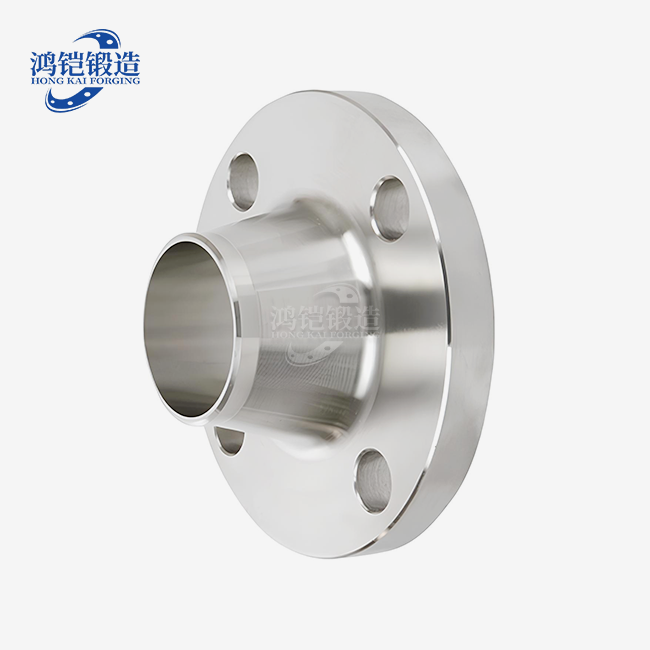
Understanding Welding Neck Flanges and Their Role in Pipeline Safety
The Welding Neck Flange is a major step forward in pipeline connection technology. It was designed to meet the complicated needs of industrial systems that work under high pressure. This unique flange design has a long, tapered hub that makes the shift from the flange face to the pipe wall smoother. This makes the way stress is distributed much better.
Design Characteristics and Engineering Advantages
In engineering, the curved hub shape is used for more than just connecting. The steady change in thickness moves the stress from the base of the flange to the pipe itself, which makes it much stronger against failure when there are heavy bending moments and cyclic loads. This design idea is very important in situations where outside forces and changes in temperature make operations difficult. The inside diameter of the joining pipe is precisely machined to match the bore of the hub. This makes a smooth flow path that removes turbulence and lowers erosion-corrosion throughout the piping system. This smooth shift is especially useful when working with rough materials or flows moving quickly.
Industry Standards and Material Specifications
Modern weld neck flanges meet a number of international standards. These include ASME B16.5 for NPS ½" to 24" sizes with Class 150 to 2500 pressure ratings, ASME B16.47 for larger diameters NPS 26" to 60", EN 1092-1 for DN10 to DN2000 sizes with PN6 to PN400 ratings, and JIS B2220 for 10K to 40K ratings. Choosing the right materials is very important for making sure that something works well and stays safe over time. For normal uses, carbon steel grades like ASTM A105 are very strong. For chemical processing conditions, on the other hand, stainless steel grades like A182 F304 and F316L are much more resistant to corrosion. Different types of alloy steel, such as A182 F11 and F22, work better in high-temperature situations where resistance to creep is important.
Best Installation Practices to Ensure Pipeline Integrity
Safe and effective pipeline operation starts with following the right steps for installation. To get the best results from butt-welding, you need to pay close attention to every detail, Welding Neck Flange, and follow standard welding methods.
Pre-Installation Inspection and Preparation
Before welding starts, a full pre-installation check makes sure that all the parts meet the requirements. It is important to check the right certification of the material, the accuracy of the measurements, and the state of the surface visually. To keep the flow going and keep stress from building up at the joint, the flange hole has to exactly match the pipe plan. For standard uses, the right beveling angle is 37.5 degrees. Pipe preparation also includes getting the root face measurements right and making sure the surface is smooth. Any surface flaws, dirt, or mechanical damage must be fixed by grinding and cleaning the surface properly.
Welding Procedures and Quality Control
The welding process follows approved welding procedure standards that spell out the requirements for preheating, the temperatures between passes, and, if needed, heat treatment after the welding process. Root pass welding needs extra care to make sure that the weld goes all the way through while avoiding adding too much support, which could cause stress concentrations. To keep metallurgy problems like grain growth or hardness changes from happening, progressive fill passes must keep the right amount of heat input. The last cap pass should make a shape that is smooth and even, which makes it easier for the load to be spread across the joint. For every welding job, you need to keep records with the welder's name, process numbers, and inspection results.
Common Installation Mistakes and Prevention
Several mistakes during installation can weaken joints and put people's safety at risk. When the pipe and joint are not lined up correctly, eccentric loading happens. This makes the stress concentration higher and shortens the service life of the Welding Neck Flange. During the welding process, concentricity is maintained by using the right tools and following the right fit-up processes. When cleaning isn't done properly, contaminants can get in and cause weld flaws or rust start-up sites. Before welding can start, all surfaces must be thoroughly cleaned of any grease or other foreign materials and any mill scale, rust, or other buildup that has formed. Controlling contamination also means keeping finished welds from being exposed to the air until the final check is complete.
Comparing Welding Neck Flanges with Other Types for Optimal Pipeline Safety
Learning about the changes in how different types of flanges, Welding Neck Flangework lets you make smart choices that are best for safety and cost-effectiveness in certain situations.
Structural Comparison and Performance Analysis
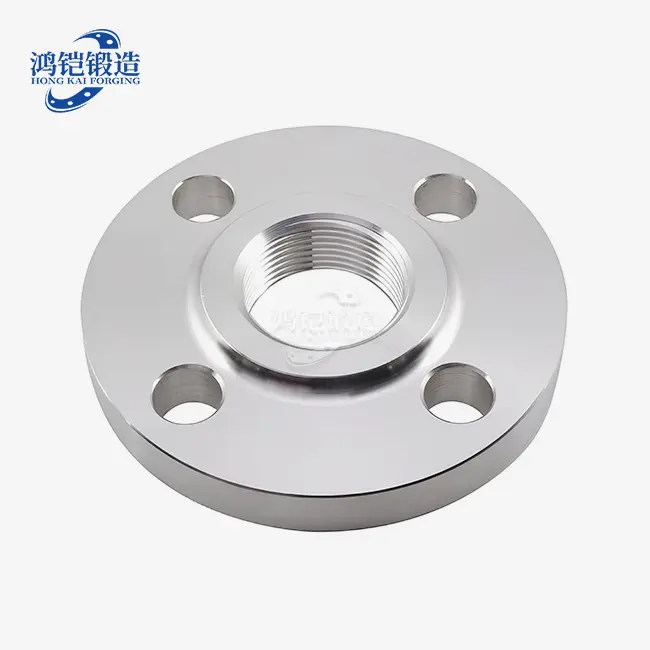
Welding Neck Flange designs are better for structural performance than slip-on, socket weld, or threaded options. The tapered hub better spreads stresses than other designs, and the butt-weld link makes a full-strength joint that matches the pipe's ability to hold pressure. Even though slip-on flanges are cheaper at first, they don't last as long because stress builds up at the fillet weld. Socket weld flanges have the same problems, and they can also cause rust in cracks where the socket meets the pipe. Even though threaded flanges are useful for smaller sizes, they can't handle the pressure or be reliable enough for important uses.
Pressure Rating and Safety Considerations
When choosing a flange, the ability to control pressure is one of the most important safety factors. Weld neck designs can handle the highest pressure ratings of any normal flange layout. For carbon steel materials in ambient temperature service, Class 2500 values are higher than 6,000 PSI. When choosing, you need to be very careful because temperature can change pressure rates. Our weld neck flanges can handle higher loads at high temperatures than other types because they are better at spreading stress evenly. This performance edge is more and more important in industrial and power generation settings where thermal stresses and internal pressure loads work together.
Cost-Benefit Analysis for Critical Applications
Although weld neck flanges usually have higher starting prices than other options, their better performance often makes the cost worth it because they require less maintenance and are more reliable. Being able to do a full radiographic check adds to its value in critical service situations where failure would have serious effects that demand high-quality assurance. Long-term cost factors include a lower chance of failure before its time, fewer upkeep tasks that need to be done, and more system uptime. These things usually matter more than differences in the starting costs, especially in cases where unexpected shutdowns have big effects on the economy.
Procurement Guide: Selecting Reliable Welding Neck Flange Suppliers
For buying to go smoothly, suppliers' skills and the quality of their products must be carefully checked so that the service lasts as long as possible.
Supplier Evaluation Criteria
Certifications for manufacturers are an important way to make sure that their technical and quality control systems work. Specialized certifications, like API Q1 or ASME certification, show that you know a lot about a certain industry. ISO 9001 certification shows that you have systematic quality control processes. When evaluating production skills, one should look at the forging facilities, heat treatment tools, machining capacity, and testing capabilities. Integrated makers who control the whole production process, from the raw materials to the final review, usually have better quality control than assembly operations that rely on many suppliers.
Quality Verification and Documentation
The paperwork for material approval must allow for full tracking from the steel mill to the delivery of the finished product. For each lot of material, certified Welding Neck Flange mill test results should confirm its chemical make-up, mechanical properties, and heat treatment settings. Dimensional inspection records show that the product meets all safety standards and customer requirements. Important measurements, like the width of the flange, the location of the bolt holes, and the accuracy of the hub bore, need to be checked using a coordinate measuring machine or another accurate measuring method.
Custom Versus Standard Product Considerations
Since standard goods are made in larger quantities, they can be made faster and for less money. But for certain uses, changes may need to be made specifically to meet the needs of the service or system. Custom changes could include pressure values that aren't normal, special materials, longer hubs, or different facing designs. To make sure that performance and safety standards are still met while still meeting standard approval requirements, these changes need to be carefully evaluated by engineers.
Maintaining Pipeline Safety: Advantages and Pressure Ratings of Welding Neck Flanges
The built-in benefits of weld neck flange designs directly improve pipeline safety through a number of systems that deal with common failure modes and operating issues.
Performance Advantages and Safety Benefits
For uses that are loaded and unloaded over and over again, better wear resistance is the most important safety benefit. The curved hub design spreads stress more evenly than other flange types, which increases the service life in tough operating situations like temperature changes, pressure changes, and mechanical loads from the outside. Full radiography inspection lets you check the quality of the weld across the whole thickness of the joint. In important service apps, where hidden bugs could lead to catastrophic failures, this quality assurance feature is a must. Ultrasonic tests and other nondestructive examination methods can be used on the butt-weld geometry to get a full picture of its soundness. Problems with weathering and rust that are common with other types of flanges are lessened by seamless flow properties. The matching bore width gets rid of flow limits and turbulence that speed up material degradation in rough or high-speed working conditions.
Pressure Rating Classifications and Applications
When you understand how pressure rating systems work, you can make the right choice for your working situations. The ASME Class numbers—150, 300, 600, 900, 1500, and 2500—represent the highest pressures that can be used at normal temperatures. For service at higher temperatures, changes need to be made. The European EN 1092-1 standards use PN (Pressure Nominal) names that show the same connection between pressure and temperature, but with metric units. For use in the Asian market, Japanese JIS standards use K-class names and pressure numbers that go with them.
Maintenance Best Practices and Inspection Protocols
Regular inspection programs should include both visual review of the outside and assessment of the inside during planned repair breaks. The external checkup checks the state of the flange face, makes sure the bolts are tight, and looks for leaks around the gasket interfaces.During maintenance shutdowns, an internal exam can be used to check for erosion patterns, rust conditions, and weld integrity. Advanced checking methods, like magnetic particle testing or dye penetrant examination, can find problems on the surface that could affect the safety of the process going forward. Bolt retensioning methods make sure that the seal stays compressed properly throughout its service life. Over time, thermal cycling and creep relaxation can lower bolt loads, which could make the seal less reliable. Systematic bolt tensioning with measured tools makes sure that the gasket is always loaded Welding Neck Flange evenly and that the closing works perfectly.
Conclusion
Implementing best practices for Welding Neck Flange applications significantly enhances pipeline safety through superior design characteristics, proper installation procedures, and comprehensive maintenance protocols. The tapered hub design provides exceptional stress distribution and fatigue resistance that surpasses other flange types in demanding applications. Proper supplier selection, quality verification, and adherence to international standards ensure reliable performance throughout the service life. Regular inspection and maintenance programs maximize safety benefits while minimizing operational risks in critical industrial applications.
FAQ
1. What distinguishes welding neck flanges from slip-on flanges in terms of safety?
Weld neck flanges provide superior safety through their butt-weld connection that creates a full-strength joint matching the pipe's pressure capability. The tapered hub distributes stress more effectively than slip-on flanges, which concentrate stress at the fillet weld location. This design difference results in significantly better fatigue resistance and higher pressure ratings for critical applications.
2. How do material grades affect welding neck flange performance in different applications?
Carbon steel grades like A105 offer excellent strength for standard applications, while stainless steel A182 F304/316L provides superior corrosion resistance for chemical processing. Alloy steels such as A182 F11/F22 deliver enhanced high-temperature performance where creep resistance becomes critical. Material selection must align with service conditions, including pressure, temperature, and media compatibility requirements.
3. Can welding neck flanges be customized for specialized pipeline requirements?
Yes, customization options include non-standard pressure ratings, special materials, extended hubs, and modified facing configurations. Custom modifications require careful engineering evaluation to ensure performance and safety standards are satisfied. Lead times and costs increase with customization complexity, but specialized applications often justify these requirements for optimal performance.
Partner with HONG KAI FORGING for Superior Pipeline Safety Solutions
HONG KAI FORGING stands ready to support your critical pipeline projects with premium Welding Neck Flange solutions manufactured to the highest industry standards. Our integrated production capabilities spanning forging, heat treatment, machining, and comprehensive quality testing ensure exceptional product reliability for demanding applications. Located in Shanxi Province's renowned forging hub, we combine traditional expertise with modern manufacturing technology to deliver flanges meeting ASME B16.5, EN 1092-1, and other international standards. Contact our technical team at kevin.zhao@hkflange.com to discuss your specific requirements and discover why leading industrial companies worldwide trust HONG KAI FORGING as their preferred welding neck flange supplier.
References
1. American Society of Mechanical Engineers. "Pipe Flanges and Flanged Fittings: NPS 1/2 through NPS 24 Metric/Inch Standard." ASME B16.5-2020.
2. European Committee for Standardization. "Flanges and their Joints - Circular Flanges for Pipes, Valves, Fittings and Accessories, PN Designated." EN 1092-1:2018.
3. Johnson, Robert M. "Piping System Design and Engineering: Best Practices for Industrial Applications." Industrial Press, 2019.
4. Petroleum Institute Standards. "Large Diameter Carbon Steel Flanges." API Standard 605, Fifth Edition, 2021.
5. Miller, Charles D. and Thompson, Sarah K. "Welding Procedures and Quality Control for Critical Pipeline Applications." Journal of Pipeline Engineering, Volume 18, 2020.
6. International Association of Pipeline Safety. "Flange Selection and Installation Guidelines for High-Pressure Service." Technical Report IAPS-2021-07.
Clear Communication, and Reliable Technical Support
_1785832351830.webp)
_1784000712665.webp)