- English
- French
- German
- Portuguese
- Spanish
- Russian
- Japanese
- Korean
- Arabic
- Greek
- German
- Turkish
- Italian
- Danish
- Romanian
- Indonesian
- Czech
- Afrikaans
- Swedish
- Polish
- Basque
- Catalan
- Esperanto
- Hindi
- Lao
- Albanian
- Amharic
- Armenian
- Azerbaijani
- Belarusian
- Bengali
- Bosnian
- Bulgarian
- Cebuano
- Chichewa
- Corsican
- Croatian
- Dutch
- Estonian
- Filipino
- Finnish
- Frisian
- Galician
- Georgian
- Gujarati
- Haitian
- Hausa
- Hawaiian
- Hebrew
- Hmong
- Hungarian
- Icelandic
- Igbo
- Javanese
- Kannada
- Kazakh
- Khmer
- Kurdish
- Kyrgyz
- Latin
- Latvian
- Lithuanian
- Luxembou..
- Macedonian
- Malagasy
- Malay
- Malayalam
- Maltese
- Maori
- Marathi
- Mongolian
- Burmese
- Nepali
- Norwegian
- Pashto
- Persian
- Punjabi
- Serbian
- Sesotho
- Sinhala
- Slovak
- Slovenian
- Somali
- Samoan
- Scots Gaelic
- Shona
- Sindhi
- Sundanese
- Swahili
- Tajik
- Tamil
- Telugu
- Thai
- Ukrainian
- Urdu
- Uzbek
- Vietnamese
- Welsh
- Xhosa
- Yiddish
- Yoruba
- Zulu
Threaded Flange vs Weld Neck Flange: Key Differences Explained
When engineers and procurement managers compare Threaded Flange and weld neck flange choices for industrial pipe systems, they need to know what the main differences are between them. Weld neck flanges need to be permanently welded together to join, while threaded flanges have internal threads that match pipe threads, making fitting easy without welding. The type of joint you choose has a big effect on the safety of the system, the amount of upkeep that needs to be done, and the cost of running the system. Threaded flanges work best in low-pressure situations where the parts need to be taken apart often, while weld neck flanges are stronger in high-pressure settings. This comparison helps industrial buyers make smart choices based on the needs of their projects and the limits of their operations.
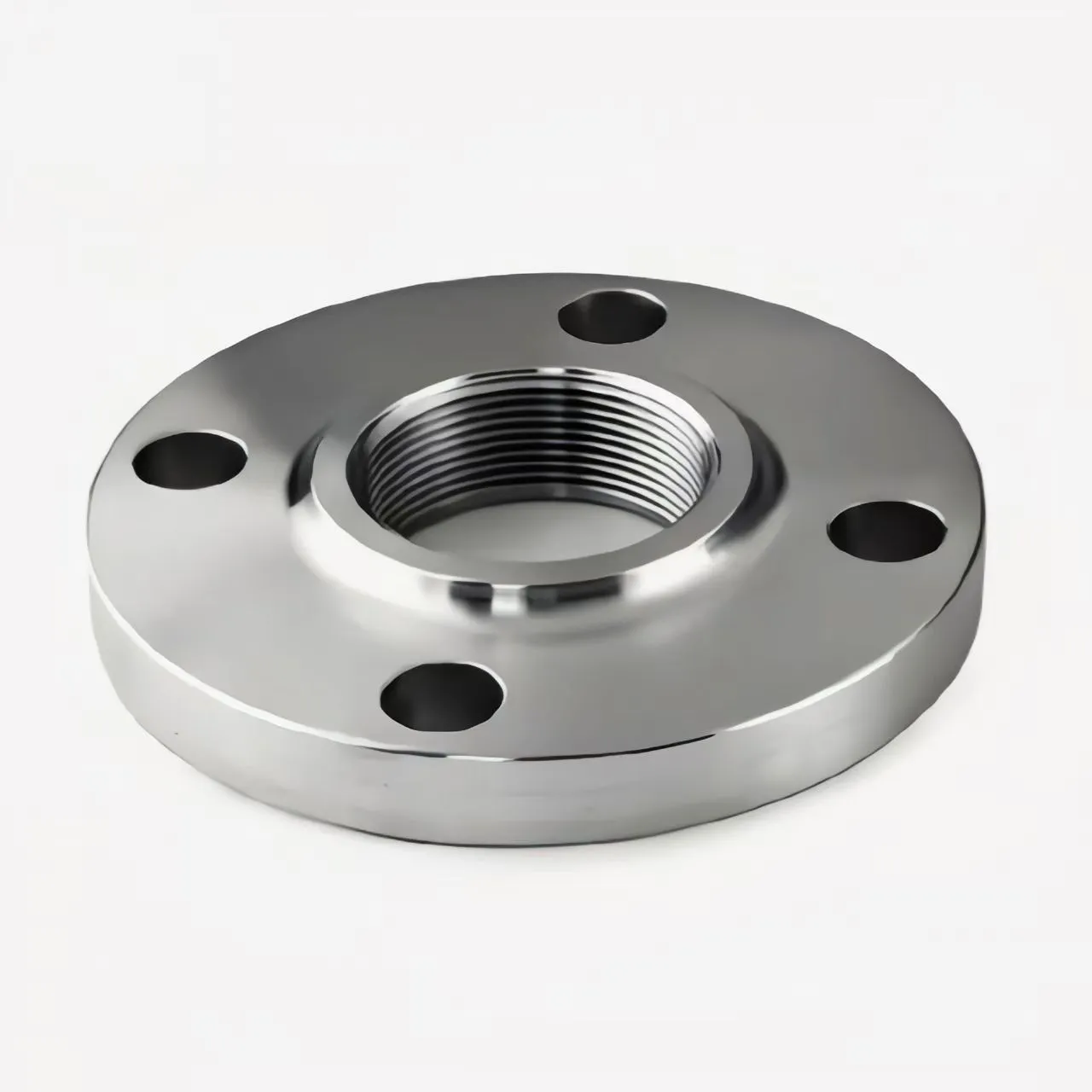
Understanding Threaded Flanges and Weld Neck Flanges
Different threaded and weld neck flanges are basically different in how they are connected and how they are built. These differences have a direct effect on how well they work and what kinds of uses they can have in industrial pipe systems.
Design Characteristics of Threaded Flanges
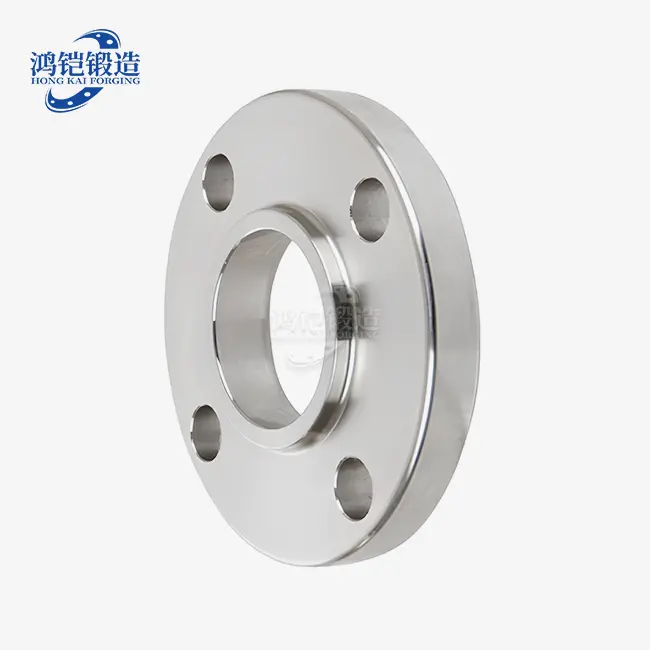
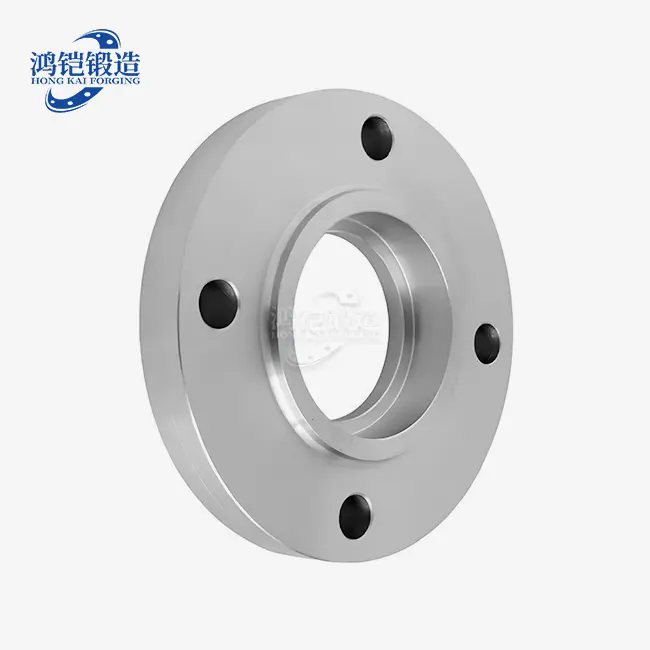
Threaded Flange parts have internal threads that are precisely machined to meet ASME B1.20.1 standards. These threads interact with each other, instead of fusion welding, to make mechanical links. When properly tightened, the tapered thread shape keeps a 60-degree angle with smoothed crests and valleys, making metal-to-metal seals. This way of joining pipes mechanically gets rid of heat-affected areas that could weaken the pipes. This is especially useful in dangerous places where welding could be dangerous. Several foreign standards, such as ASME B16.5, EN 1092-1, DIN, and GOST, are met by modern threaded flanges. These flanges come in a range of sizes and pressure levels, from DN15 to DN5000. They can meet a wide range of industry needs. Carbon steel (ASTM A105), stainless steel (ASTM A182 F304/F316), and special alloy steels for temperature-sensitive uses are all materials that can be used.
Weld Neck Flange Construction Principles
It is possible for butt welding to work with weld neck flanges because they have long, curved hubs that spread stress slowly from the flange to the pipe wall. Compared to mechanical links, this design is better at resisting fatigue and keeping air in. The welded link creates a strong metal bond that is lasting and becomes an integral part of the pipe system structure. In fluid movement uses, the wide hub design makes it possible for smooth bore changes, which reduces turbulence and wear. Weld neck flanges are commonly used for important building projects in the oil and gas, power generation, and chemical processing industries because they can handle higher pressures and wide temperature ranges.
Key Differences Between Threaded Flanges and Weld Neck Flanges
Knowing the differences in how these flange types work lets buying workers choose parts that meet the needs of the system and deliver the expected performance.
Installation Methods and Time Requirements
The installation differences between threaded flange and weld neck flanges significantly impact project timelines and labor needs. When compared to welded connections, threaded connections can be put together 40–60% faster because they don't need qualified welders, X-ray checks, or cooling periods. Connections can be made with simple sewing tools, without the need for special tools or a lot of safety planning. Weld neck installations need skilled welders, the right way to prepare the joint, the right way to weld, and checks after the weld. Even though it takes longer, this method makes lasting links that are stronger and less likely to leak. For the welding process to work, the environment and safety rules must be strictly followed, especially in small areas or dangerous settings.
Pressure and Temperature Capabilities
The ability to handle pressure is a key difference between these hinge types. Threaded Flange applications usually stay within the Class 150 to Class 600 pressure bands. Best practices in the industry say that they shouldn't be used above NPS 4 sizes because they could leak in extreme situations. Maximum pressure values are limited by the depth of thread engagement and the width of the pipe wall. Weld neck flanges work great in high-pressure situations and can usually handle grades from Class 150 to Class 2500 across a wider range of sizes. Welded connections are better at spreading stress than threaded ones, so they can work reliably even when the load changes. Because they are made of a single piece, weld neck styles also work better when temperatures change.
Maintenance and Serviceability Considerations
Maintenance accessibility differs substantially between these flange configurations. Threaded connections let you take things apart without damaging them, so you can repair equipment, make changes to a system, or set something up temporarily. This adaptability is useful in pilot plants, testing sites, and other places where entry for maintenance is needed on a regular basis. Weld neck flanges can't be used for regular teardown because they need to be cut and re-welded in order to be removed. But because they are permanent, you don't have to worry about the link coming loose because of vibrations or changes in temperature, which means that stable installations will need less long-term upkeep.
Advantages and Ideal Applications of Threaded Flanges vs Weld Neck Flanges
Each flange type offers distinct operational advantages that align with specific industrial requirements and environmental conditions.
Threaded Flange Benefits in Specialized Applications
The advantages of threaded connections extend beyond simple installation convenience to address specific industrial challenges. These flanges eliminate spark hazards during installation, enabling safe connections in explosive atmospheres without complex hot-work permits. This capability makes them essential for active refineries, chemical plants, and grain handling facilities where ignition sources pose significant risks. Coating preservation represents another critical advantage, particularly in galvanized piping systems where welding destroys protective zinc barriers. Threading maintains corrosion protection integrity throughout the system lifecycle, essential for fire protection systems, municipal water distribution, and marine applications. The ability to preserve existing coatings reduces long-term maintenance costs and extends system service life. Material compatibility benefits include connections with cast iron, galvanized steel, and specialized alloys that present welding challenges. Threaded connections can work with materials that expand and contract at different rates without causing mechanical problems that could cause them to fail early.
Weld Neck Flange Superior Performance Characteristics
Weld neck flanges work better than any other type of flange in tough situations where stability and pressure control are very important. The welded link is better at resisting failure under cycle loading conditions that happen a lot in reciprocating machinery installations and heat cycling situations. Because they last so long, they are often chosen for important structures where failure would have very bad effects. When using dangerous fluids, where even small leaks can be dangerous to people or the environment, the benefits of leak protection become even more important. The metallurgical link that forms during welding gets rid of any possible leak paths that might be present in threaded connections. This gives you trust in the long-term performance of containment. Structural integrity benefits include uses that prevent vibration and dynamic loading. Weld neck flanges keep connections strong in situations where threaded flanges might come loose. This makes them popular choices for spinning equipment, pipeline systems, and places where earthquakes are likely to happen.
Comparative Procurement Guide: Choosing Between Threaded and Weld Neck Flanges
Procurement decisions must balance technical requirements with economic considerations and supply chain factors to optimize project outcomes.
Technical Selection Criteria
Pressure and temperature are the main factors that determine which type to use. Threaded flanges are best for uses below 600 psig and in mild temperature ranges. System fluid characteristics influence material selection, with corrosive environments favoring stainless steel threaded options to avoid problems with heat-affected zones that could cause corrosion. An installation environment study checks to see if welding activities are possible. Threaded solutions work best in confined areas, places where explosives are present, or places where hot-work permits are hard to get. The extra difficulty of welded connections, on the other hand, is worth it for important uses that need to be as reliable as possible.
Economic and Supply Considerations
Cost analysis extends beyond initial flange prices to include installation labor, inspection requirements, and lifecycle maintenance expenses. Threaded Flange installations save money on work because they require less skilled welding, and connections can be made faster. This is especially helpful in remote areas where trained welders may not be available. Supply reliability considerations include manufacturer certification, compliance with international standards, and quality assurance capabilities. Reputable suppliers like Shanxi Hongkai Forging maintain comprehensive testing facilities and certification documentation essential for critical applications. Lead time factors vary based on material specifications and customization requirements, with standard designs usually ready to ship from stock.
Quality Assurance and Certification Requirements
Material certifications, dimensional compliance, and testing standards must all be included in the procurement specs. Compliance with ASME B16.5 means that measurements can be used interchangeably, and material test results confirm the chemical makeup and mechanical properties. Hydrostatic pressure testing confirms that pressure control works as required by standards. Third-party inspection skills are useful for important tasks that need an outside check of the quality of the product. Well-known makers keep in touch with official inspection groups and offer complete documentation packages that meet the quality standards of projects.
Installation and Maintenance Best Practices
Proper installation and maintenance procedures significantly influence flange performance and service life across both connection types.
Threaded Connection Installation Guidelines
Successful threaded installations require attention to threading techniques, sealant application, and torque control. Thread engagement depth should be achieved at least hand-tight plus two to three additional turns, depending on pipe size and pressure requirements. Proper thread sealants compatible with system fluids prevent leakage while allowing future disassembly when required. Torque control prevents over-tightening that could damage threads or create stress concentrations leading to premature failures. Instead of impact loading, which could damage the link, installation tools should apply force in a controlled way. Before putting something together, checking the threads for damage that might affect how well they seal is important.
Weld Neck Installation and Inspection Procedures
Weld neck setups must strictly follow welding methods that are approved for certain mixtures of materials and service conditions. As part of joint preparation, there are standards for cleaning, fit-up limits, threaded flange, and the right way to bevel the edges. These all affect the quality of the weld. Root pass welding methods set up the entry and fusion properties that are needed to keep pressure inside. For some mixtures of materials and thicknesses, a post-weld heat treatment may be needed to remove any remaining stresses and improve the mechanical qualities. Radiographic examination is one type of non-destructive testing that checks the quality of the internal repair and makes sure it meets acceptance standards. Dimensional checks make sure that the end assembly fits the standards of the specifications.
Preventive Maintenance Strategies
Maintenance scheduling should address the specific characteristics of each flange type. Threaded connections benefit from periodic inspection of thread condition and sealant effectiveness, with retightening schedules based on operating conditions and vibration exposure. Visual checks can identify early signs of rust or loosening that could threaten the stability of a link. Weld neck flanges require different maintenance approaches focusing on gasket replacement, bolt torquing, and inspection for signs of corrosion or mechanical damage. Because welded connections are solid, you don't have to worry about them coming free, but you do need to keep an eye on the state of the flange face and the integrity of the fasteners.
Conclusion
The selection between Threaded Flange and weld neck flange options depends on careful evaluation of pressure requirements, installation constraints, and maintenance considerations. Threaded flanges work best in low-pressure situations where mounting freedom and coating protection are important. On the other hand, weld neck flanges work best in high-pressure, high-temperature, and critical service situations. When purchasing, workers understand these basic differences, they can choose the best flanges for each job, taking performance, safety, and cost into account. Proper installation and maintenance practices maximize service life and reliability regardless of flange type selection, supporting overall system integrity and operational efficiency.
FAQ
1. What pressure ratings are suitable for threaded flanges?
Threaded flanges can usually handle pressure levels from Class 150 to Class 600. Because of the chance of leakage, it is not recommended to use them in sizes larger than NPS 4. The safest pressure values are based on the thread engagement depth and the width of the pipe wall.
2. Can threaded flanges be used in high-temperature applications?
Weld neck flanges work better in high-temperature situations because they better distribute heat stress and form a strong bond with metal. Threaded flanges can work in mild temperatures up to 538°C, but this depends on the material used.
3. What are the material options for threaded flanges?
Standard materials include alloy steels, carbon steel (ASTM A105), and stainless steel (ASTM A182 F304/F316). The service conditions, such as temperature, pressure, and fluid interaction needs, affect the choice of material.
4. How do installation times compare between flange types?
Threaded connections can be installed 40–60% faster than weld neck flanges because they don't need trained welders, X-rays, or cooling times. All you need are basic threading tools.
Contact HONG KAI FORGING for Premium Threaded Flange Solutions
HONG KAI FORGING delivers precision-engineered threaded flange products meeting the most demanding industrial requirements. Our manufacturing capabilities encompass forging, heat treatment, machining, and comprehensive testing under one roof, ensuring consistent quality and reliable performance. As a leading threaded flange supplier, we maintain extensive inventory across pressure ratings from Class 150 to Class 2500 in materials including carbon steel, stainless steel, and specialized alloys. Contact kevin.zhao@hkflange.com today for technical consultation and competitive pricing on your next procurement project.
References
1. American Society of Mechanical Engineers. "Pipe Flanges and Flanged Fittings: NPS 1/2 Through NPS 24 Metric/Inch Standard." ASME B16.5-2020.
2. European Committee for Standardization. "Flanges and Their Joints - Circular Flanges for Pipes, Valves, Fittings and Accessories, PN Designated." EN 1092-1:2018.
3. Peterson, Mark J. "Industrial Piping Systems: Design and Installation Practices." McGraw-Hill Professional Engineering, 2019.
4. Thompson, Robert K. "Mechanical Connections in Process Piping: Performance and Reliability Analysis." Journal of Pressure Vessel Technology, Vol. 145, 2021.
5. Wilson, David L. "Flange Selection Criteria for Chemical Processing Applications." Chemical Engineering Progress, March 2020.
6. International Association of Oil & Gas Producers. "Recommended Practice for Flange Management." IOGP Report 435-3, 2019.
Clear Communication, and Reliable Technical Support