- English
- French
- German
- Portuguese
- Spanish
- Russian
- Japanese
- Korean
- Arabic
- Greek
- German
- Turkish
- Italian
- Danish
- Romanian
- Indonesian
- Czech
- Afrikaans
- Swedish
- Polish
- Basque
- Catalan
- Esperanto
- Hindi
- Lao
- Albanian
- Amharic
- Armenian
- Azerbaijani
- Belarusian
- Bengali
- Bosnian
- Bulgarian
- Cebuano
- Chichewa
- Corsican
- Croatian
- Dutch
- Estonian
- Filipino
- Finnish
- Frisian
- Galician
- Georgian
- Gujarati
- Haitian
- Hausa
- Hawaiian
- Hebrew
- Hmong
- Hungarian
- Icelandic
- Igbo
- Javanese
- Kannada
- Kazakh
- Khmer
- Kurdish
- Kyrgyz
- Latin
- Latvian
- Lithuanian
- Luxembou..
- Macedonian
- Malagasy
- Malay
- Malayalam
- Maltese
- Maori
- Marathi
- Mongolian
- Burmese
- Nepali
- Norwegian
- Pashto
- Persian
- Punjabi
- Serbian
- Sesotho
- Sinhala
- Slovak
- Slovenian
- Somali
- Samoan
- Scots Gaelic
- Shona
- Sindhi
- Sundanese
- Swahili
- Tajik
- Tamil
- Telugu
- Thai
- Ukrainian
- Urdu
- Uzbek
- Vietnamese
- Welsh
- Xhosa
- Yiddish
- Yoruba
- Zulu
How to Choose the Right Socked Welding Flange for Your Project?
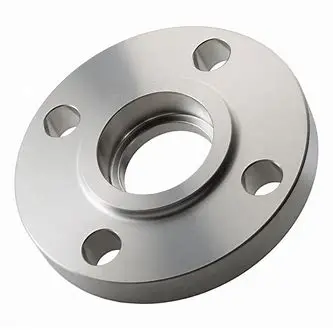
To choose the right socket welding flange for your industry project, you need to carefully look at the technical specs, operational needs, and provider capabilities. Socket welding flanges have a special socket shape that fits the pipe end and uses external fillet welding to make a strong, leak-proof link that is perfect for high-pressure, small-diameter uses. These parts are made to foreign standards like ASME B16.5, EN 1092-1, and DIN. They come in sizes DN15 to DN5000 and pressure values from PN6 to PN160. For the best performance in important industrial uses like instrumentation systems, hydraulic circuits, and process pipes, it's important to know the specific features and the right selection criteria.
Understanding Socket Welding Flanges: Basics and Key Specifications
What Makes Socket Welding Flanges Unique
Socket welding flanges are a special kind of pipe part that is made with a counterbore that is recessed to fit the pipe end and make a safe link through external fillet welding. This clever design stops the internal weld from sticking out, which makes it perfect for situations where flow leakage needs to be avoided. Like the standard specifies, socket welding flanges are better for transporting dangerous media than threaded connections or slip-on options because they make lasting joints that are hermetically sealed. The socket shape acts as a guide for alignment, so there's no need for tack welding during fitting. This function is very useful in small spaces where it's hard to be exact with your placement. Precision casting is used to make the parts, and then they are carefully machined to make sure that the dimensions are correct. Each flange goes through strict quality tests to make sure it meets international standards.
Essential Technical Specifications
Shanxi HongKai Forging makes socket welding flanges that are compatible with a number of foreign standards. This makes sure that their products can be used anywhere in the world and are reliable. ASME B16.5 standards cover NPS 1/8" through 4" with pressure classes from 150 to 2500. This is a very broad set of specifications. The European EN 1092-1 standards cover sizes from DN6 to DN100 and pressure levels from PN16 to PN400. The JIS B2220 standards cover pressure levels from 10K to 40K. Material choice is very important for rail performance. You can choose from carbon steel (ASTM A105), stainless steel grades (ASTM A182 F304/316L), and special alloy steel types. The normal expansion gap is 1/16 inch (1.6 mm), the face finish needs to be 125–250 RMS according to ASME B16.5 and the hardness needs to be HB 200 for carbon steel grades. Depending on the material, the temperature range for operation is from -29°C to +400°C.
Criteria for Choosing the Right Socket Welding Flange
Operational Requirements Assessment
To choose the right hinge, you must first carefully look at all of the practical factors that apply to your project. It is important that the pressure needs match the design pressures of the system, taking into account both normal operation and possible surge situations. When thinking about temperature, you need to think about both steady-state processes and heat cycling effects that could weaken joints over time. Another important factor is fluid compatibility, especially when working with acidic, poisonous, or valuable materials. Socket hinges are perfect for situations where process cleanliness must not be compromised because they are welded on the outside, which keeps the inside clean and makes checking easy. Selection choices are also affected by things like the amount of vibration, the weather, and how easy it is to do upkeep.
System Compatibility and Integration
To make sure that new pipes will work with old ones, you need to pay close attention to the size standards, pressure rates, and material requirements. The design of the socket must take into account the thickness of the pipe wall and allow for enough contact depth for effective welding. When choosing a material, it's important to think about how well it will work with other parts galvanically. Pressure values should be higher than the highest system pressures with the right safety factors. Choosing the right flange is often limited by how it will be installed, especially in repair situations or small areas. The self-aligning socket welding flanges are easier to install than butt weld options because they align themselves. This saves money on work and reduces the chance of welding mistakes. However, the planning part must include checking the room needs for access to the outside for welding.
Supplier Evaluation Criteria
Quality assurance skills, such as material approvals, dimensional verification, and pressure testing methods, are important factors used to choose a provider. Suppliers should keep up-to-date licenses for international standards that apply and provide detailed paperwork on how materials can be tracked. When ordering in big quantities or with specific requirements, lead times become very important. Forging, heat treatment, drilling, and testing facilities should all be built into the manufacturing process so that quality control is maintained throughout the whole process. This integrated method is shown by Shanxi HongKai Forging's three modern production centers, which can do everything from processing raw materials to final inspection and packing.
Comparing Socket Welding Flanges to Other Flange Types
Performance Characteristics Analysis
Socket welding flanges are very resistant to wear and have a failure strength that is about 50% higher than slip-on designs. Because they work so well, they are perfect for places with a lot of shaking, like hydraulic systems or steam service. The single external fillet weld design makes it strong enough and makes it easy to check the quality visually. Socket welds are better for uses that need to keep dangerous media from leaking than threaded flanges because the threads don't wear down as easily. Unlike butt weld flanges, socket designs need less accuracy when cutting and preparing the pipe. This lowers the total project costs while keeping the same level of performance.
Installation and Maintenance Considerations
One big benefit of socket welding flanges over other types is that they are easier to install. The built-in alignment feature cuts down on installation time and gets rid of common welding mistakes that happen with other types of flanges. Welders can quickly get things to fit right, even in tough field situations where entry is limited. Socket welding designs are better for maintenance because they have an external weld setup that makes checking easy without taking the system apart. This benefit of easy entry is especially useful in important situations where frequent inspections need to be kept up. Since there is no internal weld entry, there are also no worries about flow being blocked or contamination during service.
How to Install Socket Welding Flanges Properly
Pre-Installation Preparation
Careful preparation of the pipe and flange is the first step in a proper fitting that guarantees a good weld and long-term performance. Pipe ends need to be square-cut and deburred so that they don't get in the way of the socket engaging, and flange surfaces need to be checked for accuracy in measurements and compliance with surface finish standards. Verification of materials through mill test papers makes sure that pipe and flange materials can be used together. Welding process qualification is an important part of getting ready, especially for uses that need to follow a code. Welders who want to be qualified must show that they are skilled at the specific types of materials and roles that are needed for the project. Different types of materials and environmental situations have different pre-heating needs. For example, carbon steel grades usually need pre-heating for thicknesses greater than a certain point.
Welding Execution and Quality Control
To solder, the pipe has to be inserted into socket welding flange with a 1/16-inch expansion gap. This is then followed by approved external fillet welding. Maintaining gaps correctly stops thermal stress from building up and allows for thermal growth during operation. Weld shapes must meet certain size standards while staying away from too much penetration that could weaken the pipe wall. Visual inspection, confirming dimensions, and pressure testing in line with relevant codes and standards are all quality control methods. For important tasks, you might need non-destructive testing methods like liquid penetrant inspection. Post-weld heat treatment requirements change based on the type of material and how it will be used. Documentation needs also change based on the project requirements.
Where and How to Buy Quality Socket Welding Flanges
Supplier Qualification Process
To choose reliable providers, you need to carefully look at their technical know-how, manufacturing skills, and quality control systems. Manufacturers who are certified should keep up-to-date quality management system certifications like ISO 9001, as well as product certifications that meet the guidelines. Audits of manufacturing facilities can teach you a lot about how to make things and how to check for quality. When it comes to custom apps or tough service conditions, technical help skills become even more important. Suppliers should offer technical help with choosing materials, making specifications, and giving advice based on the particular application. The technical team at Shanxi HongKai Forging provides full help throughout the entire buying process, making sure that the best product is chosen for each project's needs.
Procurement Considerations
Prices are different depending on the type of material, the amount needed, and the level of personalization. Standard socket welding flange setups usually have the best prices. Custom standards, on the other hand, might need extra tools or longer wait times. For special materials or sizes that aren't common, minimum order numbers are often required. Managing lead times means making sure that project plans and manufacturing skills work well together. Standard goods may be in stock, but custom specs take longer lead times that change based on how complicated the product is and how busy the factory is right now. For important uses, faster delivery choices may be available, but they usually come with higher prices.
Conclusion
To pick the correct socket welding flange, you need to carefully think about the job requirements, the fit of the system, and the supplier's abilities. When leak-tight performance and quick fitting are very important, these specialized parts work great in small-diameter, high-pressure situations. For important industrial uses, getting the best results means knowing the technical specs, performance characteristics, and correct installation steps. Partnering with experienced makers who offer full technical support, certified products, and reliable delivery plans increases the chances of project success while lowering the risks that come with using substandard parts or suppliers who don't have the right skills.
FAQ
1. What pressure ratings are suitable for different applications?
According to ASME B16.5 standards, socket welding flanges can handle pressure levels from Class 150 to Class 2500. The right one should be chosen based on the highest system pressures plus the right safety factors. It is best for general industrial uses to use lower pressure classes (150–300), while higher levels (600–2500) are needed for high-pressure hydraulic systems, steam service, and important process uses.
2. Are socket welding flanges suitable for corrosive environments?
Choosing the right material for a corrosive climate is important. For most chemical uses, stainless steel types (304L, 316L) offer great corrosion protection. Specialized alloy steels are better at resisting certain corrosive media, while in corrosive settings, carbon steel types need protective coatings or cathodic protection. Long-term success is guaranteed by choosing the right materials based on the process factors.
3. What are typical lead times for custom socket welding flange orders?
Lead times depend on the difficulty of the specifications, the supply of materials, and the current production plans. Standard setups may be ready in two to four weeks, but unique specs usually take six to eight weeks to make. For important uses, faster shipping choices may cut down on wait times, but their availability depends on production capacity and the need to get materials.
Partner with HONG KAI FORGING for Premium Socket Welding Flange Solutions
HONG KAI FORGING is a reliable company that makes socket welding flanges. They make precision-engineered parts that meet the strictest industry standards. Our combined production facilities in Shanxi Province use advanced forging techniques and strict quality control to make flanges that go beyond international standards like ASME B16.5, EN 1092-1, and DIN. We've been making high-quality products for over 30 years, and we can help your project succeed by giving you unique solutions, low prices, and reliable delivery dates. Contact kevin.zhao@hkflange.com right away to talk about your unique needs and find out how our certified goods can improve the performance of your piping system and make sure it will work reliably for a long time.
References
1. American Society of Mechanical Engineers. "ASME B16.5 Pipe Flanges and Flanged Fittings: NPS 1/2 through NPS 24 Metric/Inch Standard." New York: ASME Press, 2020.
2. European Committee for Standardization. "EN 1092-1 Flanges and Their Joints - Circular Flanges for Pipes, Valves, Fittings and Accessories, PN Designated." Brussels: CEN Publications, 2018.
3. Mohitpour, Moness, and Harold Golshan. "Pipeline Design and Construction: A Practical Approach, Third Edition." New York: ASME Press, 2007.
4. Nayyar, Mohinder L. "Piping Handbook, Seventh Edition." New York: McGraw-Hill Professional, 2000.
6. Singh, Keval P., and Alan I. Soler. "Mechanical Design of Heat Exchangers and Pressure Vessel Components." Berlin: Springer-Verlag, 1984.
7. Townson, Philip G. "Flanged Joints: Design and Analysis for Pressure Vessel Applications." London: Professional Engineering Publishing, 2002.
Clear Communication, and Reliable Technical Support