- English
- French
- German
- Portuguese
- Spanish
- Russian
- Japanese
- Korean
- Arabic
- Greek
- German
- Turkish
- Italian
- Danish
- Romanian
- Indonesian
- Czech
- Afrikaans
- Swedish
- Polish
- Basque
- Catalan
- Esperanto
- Hindi
- Lao
- Albanian
- Amharic
- Armenian
- Azerbaijani
- Belarusian
- Bengali
- Bosnian
- Bulgarian
- Cebuano
- Chichewa
- Corsican
- Croatian
- Dutch
- Estonian
- Filipino
- Finnish
- Frisian
- Galician
- Georgian
- Gujarati
- Haitian
- Hausa
- Hawaiian
- Hebrew
- Hmong
- Hungarian
- Icelandic
- Igbo
- Javanese
- Kannada
- Kazakh
- Khmer
- Kurdish
- Kyrgyz
- Latin
- Latvian
- Lithuanian
- Luxembou..
- Macedonian
- Malagasy
- Malay
- Malayalam
- Maltese
- Maori
- Marathi
- Mongolian
- Burmese
- Nepali
- Norwegian
- Pashto
- Persian
- Punjabi
- Serbian
- Sesotho
- Sinhala
- Slovak
- Slovenian
- Somali
- Samoan
- Scots Gaelic
- Shona
- Sindhi
- Sundanese
- Swahili
- Tajik
- Tamil
- Telugu
- Thai
- Ukrainian
- Urdu
- Uzbek
- Vietnamese
- Welsh
- Xhosa
- Yiddish
- Yoruba
- Zulu
Socked Welding Flange vs Slip-On: Which Is Right for You?
To choose between a Slip-On Flange and a Socked Welding Flange, you need to know how each one is designed and what uses it best. For high-pressure, small-diameter uses, Socked Welding Flange are perfect because they have hollow counterbores that fit over the ends of the pipes. This makes strong links through external fillet welding. Slip-on flanges are easy to install, but they can only handle a small amount of pressure. They slide over lines and need to be welded on both the inside and the outside. What you choose relies on how much pressure you need, how hard the installation is, and how reliable you need it to be in the long run.
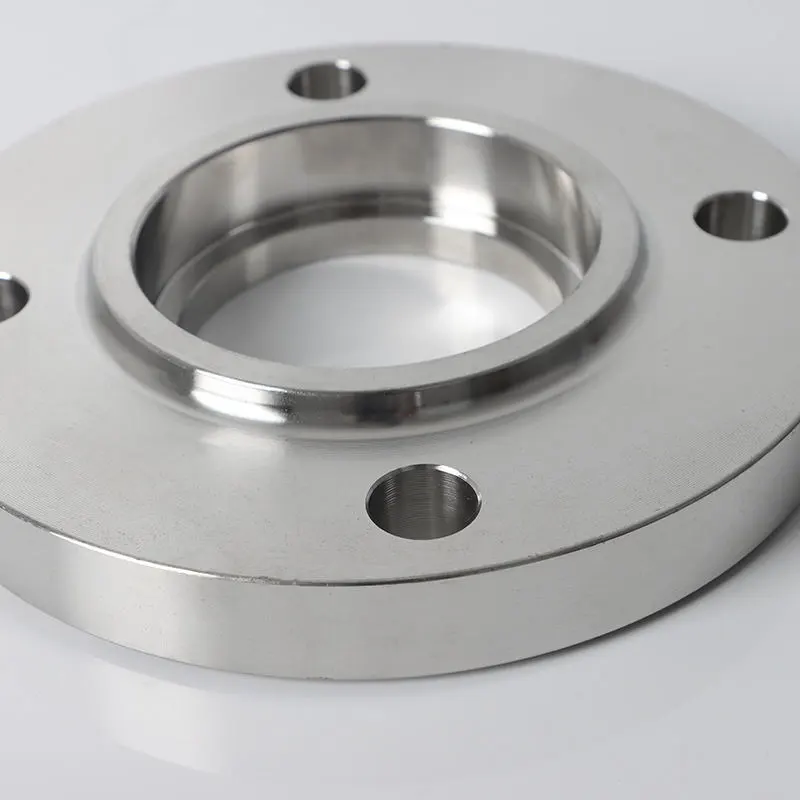
Understanding Socket Welding and Slip-On Flanges
Specialized joining methods are needed for industrial pipe systems to work properly and safely. In complex industrial systems, these two types of flanges are used for different things, and depending on the needs of the application, each has its own benefits.
Design Fundamentals of Socket Welding Flanges
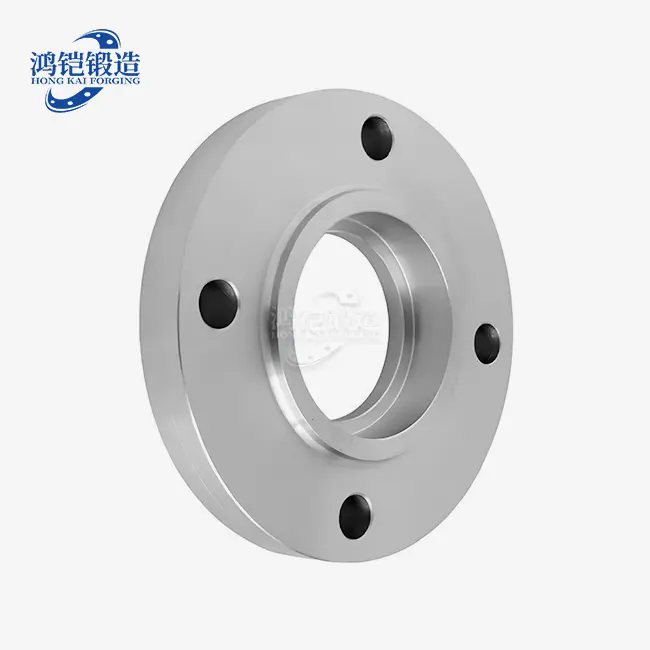
The socket welding flanges have a hollow hole that fits pipe ends, making a way to make sure they are lined up correctly. The socket depth is usually 1/16 inch (1.6 mm) from the face of the flange. This keeps the structure strong and stops the interior weld from sticking out. This arrangement gets rid of alignment problems during installation, which is especially helpful in small areas where exact positioning is hard. The external fillet welding technique for Socket Welding Flanges thoroughly penetrates the joint without affecting fluid flow. Manufacturing standards like ASME B16.5, EN 1092-1, and DIN establish dimensions and materials. According to ASME specifications, diameters range from NPS 1/8" to 4" and pressures from Class 150 to Class 2500.
Slip-On Flange Construction Principles
For slip-on flanges, the concept is simple: the flange slides over the outside of the pipe before welding starts. Both internal and external welds are needed to seal the connection, which makes the work more difficult and takes longer. The design works better for uses with bigger diameters than socket welding alternatives. Specifications for materials are the same for all types of socket welding. These include carbon steel (ASTM A105), stainless steel grades (A182 F304/316L), and special metal combinations. Because of the way the slip-on design is built, pressure values are usually lower than socket welding alternatives.
Comparative Analysis: Socket Welding Flange vs Slip-On Flange
The differences in performance between these flange types show important practical differences that affect purchasing choices. When engineers and buying workers understand these differences, they can make smart choices based on the needs of a specific application.
Pressure and Temperature Performance
That's because Socket Welding Flange designs can handle more pressure, with Class 2500 values possible compared to the usual Class 600 limits on slip-on designs. The hole socket improves structural support by spreading stress loads more evenly across the flange body. Temperature cycling resistance is especially impressive, as socket welding flanges keep the joint's integrity through rounds of temperature expansion and contraction. Slip-on flanges work great in mild pressure situations where ease of fitting is more important than maximum pressure needs. The dual-weld arrangement requires more work, but it makes two sets of sealing devices that work better when conditions are stable.
Installation Complexity and Labor Requirements
Single external welds are needed for Socked Welding Flange, which cuts down on welding time and checking needs. The self-aligning socket gets rid of the need for tack welding, which speeds up installation in the field. Skilled welders can finish socket weld joints faster, which is especially helpful in large projects or places with limited room. Slip-on installs need both internal and external welding passes, which raises the cost of work and the number of quality control checks that need to be done. But the design allows for less exact pipe cutting limits, which could make up for the extra work by cutting down on preparation time.
Economic Considerations and Lifecycle Costs
When the pressure class and material requirements are the same, the material prices for different types of flanges stay the same. Because the deep socket needs to be machined with great accuracy, socket welding flanges usually cost more than other parts. But shorter assembly times often make up for higher unit costs by saving money on project labor. When there is a lot of shaking or temperature changing, socket welding designs are better because they are easier to maintain over time. The better response to fatigue means longer service times and fewer replacements, which lowers the total cost of ownership.
How to Choose the Right Flange for Your Application
To choose the right flange, you need to carefully think about the working conditions, fitting limitations, and expected long-term performance. This decision framework helps procurement workers make choices by showing them important selection factors.
Operating Environment Assessment
Implementing socket welding flanges is very helpful for high-pressure hydraulic systems. These flanges are used in power plants for steam sampling lines where other connection methods would not work because of pressure changes and temperature changes. The form of the external weld makes it easier to check visually while keeping critical process media from getting contaminated inside. For safe media containment, petrochemical manufacturing settings need performance that doesn't leak. Through fillet welding, socket welding flanges create an airtight cover while preventing internal weld splatter that could damage the catalyst or stop flow.
Installation Space and Accessibility Factors
When plumbing is confined, Socket Welding Flanges are better because they make it easier to get to the weld area. The single external weld gets rid of the need for internal welding, which might not be possible in small spaces. This advantage of being easy to get to is especially helpful for bringing in instrumentation and control systems. Slip-on flanges are useful when cutting pipes precisely is hard or when changes need to be made in the field and freedom is needed. The design can handle small changes in dimensions while still keeping the joint's integrity.
Material Selection and Compatibility
Astm A105 carbon steel compositions are cost-effective options for normal temperature and pressure uses. Stainless steel types (A182 F304/316L) are used in places that are corrosive or where clean handling is needed. Specialized metal formulas can meet the needs of environments with high temperatures or chemicals that don't mix well.
Procurement and Supply Considerations for Socket Welding Flanges
To strategically source specialized flanges, you need to carefully evaluate suppliers and follow quality control rules. Finding makers with a history of success and full certification skills is key to successful procurement.
Supplier Qualification and Certification Requirements
Manufacturers with a good reputation keep their licenses up to date with foreign standards like ASME, EN, DIN, JIS, and GOST. This multi-standard compliance makes sure that global projects can work together, no matter what the standards are in each area. Material tracking, dimensional verification, and performance testing procedures should all be part of quality control systems. Integrated casting, heat treatment, precision machining, and full testing tools must all be part of the manufacturing process. This vertical merger makes sure that quality control happens at every stage of production and that delivery times stay competitive.
Quality Assurance and Testing Protocols
To make sure that Socked Welding Flange have the right socket depth and hole concentricity, their dimensions must be checked. For a material to be certified, its chemical makeup and mechanical properties must be checked. Pressure testing proves that a structure is strong under the conditions that were planned. Specifications for the surface finish based on ASME B16.5 make sure that the gaskets fit properly and work without leaks. Hardness testing shows that the heat treatment worked right. This is especially important for carbon steel materials that will be heated.
Logistics and Delivery Considerations
When buying Socket Welding Flange units, it's helpful to build relationships with sellers who offer flexible inventory management and fast shipping. Due to tight project schedules, technical or number changes often need to be dealt with quickly. The rules for packaging must protect areas that have been precisely machined during shipping and make it easy to move things around on the job site. For regulatory clearance processes, documentation needs to include test results on the materials, certificates of dimensions, and statements of compliance.
Brand Trust and Reliability in Socket Welding Flange Suppliers
The quality of the products, the dependability of delivery, and the level of professional help all have a big effect on the success of a project. Critical infrastructure applications can trust makers that have been around for a long time and have a track record of success.
Manufacturer Reputation and Track Record
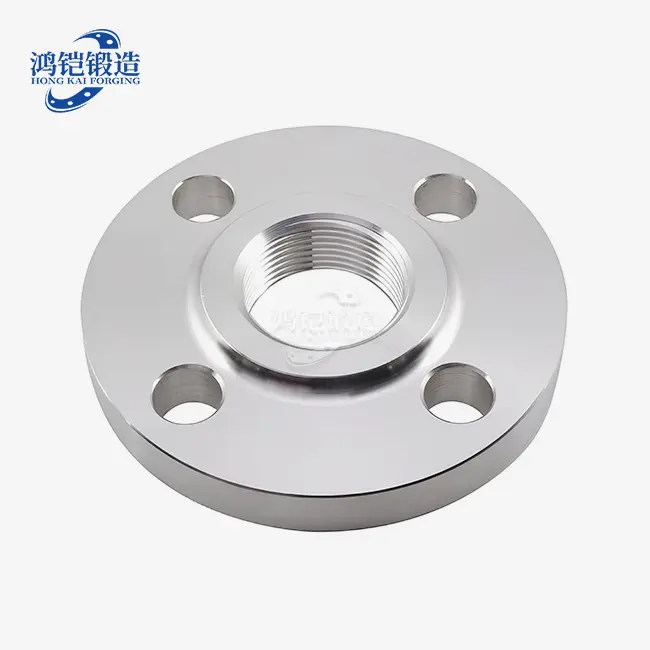
HONG KAI FORGING is a well-known example of high-quality manufacturing. They can do everything from forging to heat treatment to drilling to full testing. The company stays ahead of the competition by taking advantage of its location in Shanxi Province's industry route and its easy access to raw materials and energy sources. The manufacturer's certifications cover ASME, EN, DIN, JIS, GOST, and Chinese state standards for Socked Welding Flange, which makes sure that their products can be used in any project around the world. Three high-tech production sites give us extra manufacturing power and the ability to adapt to changing demand trends.
Customer Support and Technical Services
Reliable providers offer full technical advice services to help with creating specifications and making applications work better. As part of engineering help, material selection advice, pressure-temperature rating confirmation, and fitting process suggestions are given. After-sales service includes things like warranty help, getting new parts, and giving advice on field service. These services are especially helpful for setups that are hard to understand or for applications that have specific needs.
Conclusion
Choosing between socket welding and Socked Welding Flange requires careful consideration of pressure requirements, installation constraints, and long-term performance expectations. Socked Welding Flange excel in high-pressure, small-diameter applications where superior fatigue resistance and leak-proof performance prove critical. Their single external weld design simplifies installation while preventing internal contamination. Slip-on flanges offer installation flexibility and accommodate moderate pressure applications effectively. Material selection, supplier qualification, and quality assurance protocols remain equally important regardless of flange type selection. Successful procurement depends on partnering with established manufacturers offering comprehensive certification, technical support, and reliable delivery performance.
FAQ
1. What are the main advantages of socket welding flanges over slip-on types?
Socket Welding Flange designs have 50% higher failure strength than slip-on options, which makes them better for places with a lot of shaking. The single external weld gets rid of the extension of the internal weld, which stops flow leakage and makes inspections easier. Socket alignment features cut down on installation time and get rid of the need for tack welding.
2. Are socket welding flanges suitable for high-pressure applications?
Socket welding flanges can handle pressure levels of up to Class 2500 according to ASME B16.5 standards, which is a lot more than what a normal slip-on can do. The deep socket design evenly spreads stress loads, keeping the joint strong even when it's under a lot of pressure. Because of this, they are perfect for hydraulic systems, steam uses, and important process pipes.
3. How do I check the strength of the join in socket welding flanges?
External fillet welds in socket welding flanges make it possible to do a full eye check, while slip-on versions need to be looked at from the inside. A visual check should be done to make sure that there are no flaws like cracks or undercutting and that the entry is complete. Dye penetrant testing can find breaks in the surface, and radiography examination may be needed for very important tasks.
Partner with HONG KAI FORGING for Premium Socket Welding Solutions
HONG KAI FORGING delivers exceptional Socked Welding Flange manufacturing excellence through integrated production capabilities and multi-standard certifications. Our precision-machined flanges meet stringent ASME B16.5, EN 1092-1, and DIN requirements while offering competitive pricing and reliable delivery schedules. As a trusted socket welding flange supplier, we provide comprehensive technical consultation and quality assurance protocols that ensure project success. Contact kevin.zhao@hkflange.com today to discuss your specific requirements and experience the reliability of partnering with China's leading flange manufacturer. Our engineering team stands ready to optimize your piping system performance through superior socket welding flange solutions.
References
1. American Society of Mechanical Engineers. "ASME B16.5 Pipe Flanges and Flanged Fittings: NPS 1/2 through NPS 24 Metric/Inch Standard." New York: ASME Press, 2020.
2. European Committee for Standardization. "EN 1092-1 Flanges and their Joints - Circular Flanges for Pipes, Valves, Fittings and Accessories." Brussels: CEN Publications, 2018.
3. Deutsches Institut für Normung. "DIN Standards for Industrial Flanges: Design, Materials, and Testing Requirements." Berlin: DIN Media GmbH, 2019.
4. Bickford, John H. "Gaskets and Gasketed Joints: Design and Analysis of Static Sealing Systems." New York: Marcel Dekker Publishers, 2017.
5. Nayyar, Mohinder L. "Piping Handbook: Design, Construction, and Installation of Industrial Piping Systems." New York: McGraw-Hill Professional, 2019.
6. International Organization for Standardization. "ISO 7005 Series: Metallic Flanges for Industrial Applications." Geneva: ISO Publications, 2021.
Clear Communication, and Reliable Technical Support
_1788925464817.webp)
_1788493431992.webp)