- English
- French
- German
- Portuguese
- Spanish
- Russian
- Japanese
- Korean
- Arabic
- Greek
- German
- Turkish
- Italian
- Danish
- Romanian
- Indonesian
- Czech
- Afrikaans
- Swedish
- Polish
- Basque
- Catalan
- Esperanto
- Hindi
- Lao
- Albanian
- Amharic
- Armenian
- Azerbaijani
- Belarusian
- Bengali
- Bosnian
- Bulgarian
- Cebuano
- Chichewa
- Corsican
- Croatian
- Dutch
- Estonian
- Filipino
- Finnish
- Frisian
- Galician
- Georgian
- Gujarati
- Haitian
- Hausa
- Hawaiian
- Hebrew
- Hmong
- Hungarian
- Icelandic
- Igbo
- Javanese
- Kannada
- Kazakh
- Khmer
- Kurdish
- Kyrgyz
- Latin
- Latvian
- Lithuanian
- Luxembou..
- Macedonian
- Malagasy
- Malay
- Malayalam
- Maltese
- Maori
- Marathi
- Mongolian
- Burmese
- Nepali
- Norwegian
- Pashto
- Persian
- Punjabi
- Serbian
- Sesotho
- Sinhala
- Slovak
- Slovenian
- Somali
- Samoan
- Scots Gaelic
- Shona
- Sindhi
- Sundanese
- Swahili
- Tajik
- Tamil
- Telugu
- Thai
- Ukrainian
- Urdu
- Uzbek
- Vietnamese
- Welsh
- Xhosa
- Yiddish
- Yoruba
- Zulu
Slip On Flange Specifications Every Buyer Must Review
Purchasers of industrial pipe components must grasp Slip On Flange features for optimal performance and lowest price. The critical sections glide over pipe ends to weld medium-to-low pressure. Din, EN 1092-1, and ASME B16.5 approval for flexible slip-on flanges. They can resist DN15–DN5000 diameters and PN6–PN160 pressures. By understanding dimensional margins, material qualities, and application constraints, you can make wise purchases that balance performance and budget.
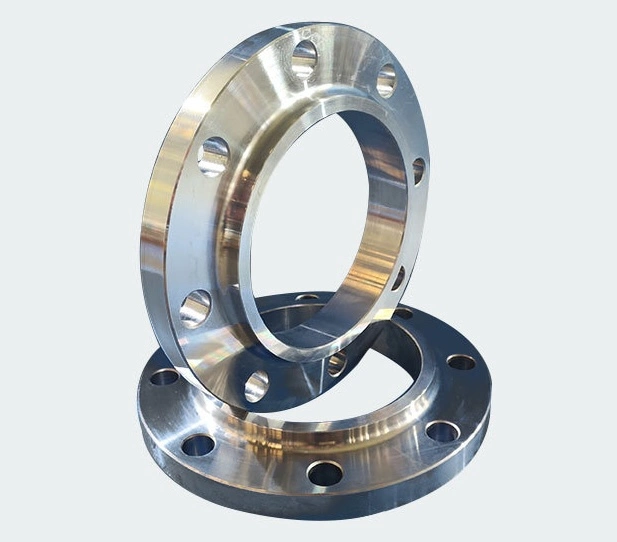
Understanding Slip On Flange Specifications – Key Dimensions and Material Standards
Industrial pipe systems need reliable, easy-to-install components. Learn slip-on flange design theory and sizing requirements to understand its major characteristics.
Essential Dimensional Parameters
To accommodate standard pipe diameters and assure alignment, bore diameter requirements often include a ±0.1mm tolerance. Slip-on pipes are simpler to install than weld neck pipes and have larger internal diameters. Flanges with lower hubs use less material and distribute weight better. Circles must meet flange faces and bolt holes must be aligned to international standards. The bolt circle diameter, number of holes, and hole sizes must fulfil pressure class specifications to compress the gasket and retain the connection. Druck affects thickness. Class 150 and Class 600 installations have different size restrictions.
Material Standards and Compliance Requirements
Slip On Flange works well with carbon steel, notably ASTM A105, at high industrial temperatures. These durable, cheap materials are suitable for big tasks. In chemical handling and maritime settings, ASTM A182 F304 and F316 stainless steels resist corrosion better. Some alloy steel combinations improve mechanical properties. Every material is tensile, impact, and chemically tested. ASME B16.5 ensures accurate measurements and supply chain traceability.
Pressure Rating Classifications
Pressure grades affect bolting, flange thickness, and structural design. Slip-on flanges are utilised in ASME Class 150–600 PN6–PN160. Each rating category has temperature-specific maximum operating pressures. It enhances purchase judgements. Understand how pressure grades affect service conditions to avoid over-specification and safety gaps. Temperature derating curves are necessary for long-term performance because high operating temperatures reduce maximum pressures.
Slip On Flange Types and Design Variations – Choosing What Suits Your Pipeline
Know which flange layouts work best in certain situations to choose the right one. Each design iteration solves positioning and performance issues.
Standard Design Configurations
Rising face forms are the most common, having a slightly elevated sealing surface to aid the gasket seal. The top part is usually 1.6 mm above the flange face, giving an enclosed loading area for bolts. Compressed fibre and spiral-wrapped sealing make this method effective. Since flat face forms have no top sealing surface, fluid contacts the whole flange. This connection method works for equipment or components with lower face profiles. Even surface spread avoids gasket removal and maintains sealing pressure. Different Slip On Flange RTJs feature drilled holes for metal ring gaskets. Regular gaskets fail in high-pressure settings, but these designs succeed. The right groove dimensions ensure ring gasket fitment and slip-on installation's structural advantages.
Application-Specific Design Considerations
The best valve depends on pipeline conditions. Fluid properties, temperature, and servicing accessibility affect long-term performance. In corrosive situations, stainless steel with proper surface treatments works well. High-temperature applications may need creep-resistant carbon steels. Vibration is crucial when connecting spinning equipment since slip-on designs are fragile and must work under dynamic load. Knowing these limits helps buying teams utilise parts efficiently and save money. Temperature, air exposure, and chemicals affect material and surface treatment. Correct specs save money on needless materials and ensure dependability.
Slip On Flange vs. Other Flange Types – Making the Right Choice
A full flange comparison lets you make smart purchases that save your firm money in the long run. Knowing each style's pros and cons helps match the component to the application.
Strength and Performance Comparisons
Tapered hubs reduce stress transmission from the pipe wall to the flange body, making weld neck flanges fatigue-resistant. Slip On Flange pieces have about a third of the fatigue strength, therefore they work best in static or low-cycle settings. This strength difference affects spinning tool and thermal cycling links. Slip-on socket weld replacements have small installation forms but must be cut and fitted correctly. The socket design costs more but avoids internal cracks and facilitates alignment. Installation is difficult, but skilled welding may need extra work. Threaded connections make adding anything simple, but data may leak across the interface. Slip On Flange designs work well for lesser diameters where welding is problematic, but pressure issues preclude their use in vital services.
Cost-Effectiveness Analysis
Slip-ons cost less because they utilise less materials and are easier to make. Lower hub profiles use less material and can handle mild pressure. Simple alignment phases minimise installation costs, but two welding procedures may offset the benefits. Estimate lifetime expenses including maintenance and service duration. Even if the initial price is appealing, overusing it may cause it to fail early and need replacement. Matching applications provides system-wide economic success. Material availability determines cost. The exotic alloys take longer than carbon steel. Market knowledge helps procurement professionals optimise purchasing schedules and prices.
Installation and Maintenance Best Practices for Slip On Flanges
Placement influences long-term performance. Knowing the most important installation and maintenance steps may extend system life and avoid costly issues.
Step-by-Step Installation Procedures
Before shaping, pipes must be straight and the proper length. The pipe end must fit through the flange hole 1.6 mm from the face. Internal and external fillet welds are allowed in this recess, which prevents welding from reaching the sealing surface Slip-on designs enable minor modifications before welding, so align while installing. The right alignment tools align bolt holes, flanges, and gasket surfaces. A temporary tack weld may retain items while final alignment is determined. Slip On Flange welding requires dual fillet welding expertise. The outside fillet weld joins the pipe's outside diameter to the flange hub, while the inner weld seals it. Warping is avoided and a complete weld and throat size are achieved with careful welding.
Maintenance and Inspection Protocols
Visual inspections detect problems before they damage the system. Ideal exterior fillet welds are smooth, uniform, and crack-free. Borescope internal welds when possible. Scheduled repair windows allow system disassembly for thorough inspection. When to replace a gasket depends on chemical and temperature exposure. The right torque steps compress the seal evenly and avoid Slip On Flange distortion. Bolt thread length and quality are tested for fit. IT components benefit from installation dates, material certificates, and maintenance records. Documentation assists regulatory inspections and predictions. Repair things before they break with service history.
Procurement Guide: How to Buy Slip On Flanges with Confidence
Strategic procurement reduces component prices and delivery times while assuring dependability. Know the market and suppliers for project-winning purchases.
Supplier Evaluation Criteria
Technical expertise, production capability, and quality control are needed to assess a manufacturer. For international needs, suppliers need credentials and quality procedures. Production site inspections demonstrate the company's skills beyond marketing. Established providers may need remote audits. Documenting material tracking ensures project and legal compliance. Mill test reports should include chemical composition, mechanical properties, and heat treatment parameters for each shipment. Raw materials to machining are monitored. Product compliance is tested by suppliers or subcontractors before delivery. Dimensional, pressure, and non-destructive testing ensure quality and reduce field installation hazards.
Pricing and Market Factors
Raw steel, alloys, and global demand affect pricing. Knowing these market features helps procurement professionals organise savings and stock purchases. Supply contracts may stabilise prices but boost short-term costs. Custom Slip On Flanges cost more and take longer. Standard setups save costs and waits. Correctly combining customised and conventional items reduces costs and enhances supply. Specific manufacturing processes only make sense for large quantities since volume affects pricing. Supplier location, product size, and delivery speed impact freight and transportation costs. Comparing costs requires knowing all landing costs, not just unit prices. International merchants' low prices may be countered by delivery.
Building Long-Term Supplier Relationships
Reliable partnerships need clear expectations, frequent communication, and appreciating each other's strengths and flaws. Buyers prefer being aware of potential issues, while suppliers expect realistic timelines and needs. These connections help supply chain and urgent demands. Superior vendors provide tech support, unlike commodity merchants. Engineers enhance specifications, installation, and performance. Help is needed for system construction and field issues. Performance indicators including delivery, quality, and reactivity objectively assess suppliers. Performance assessments praise achievements and suggest improvements. These factors guide supplier growth purchases.
Conclusion
You must understand the requirements, use, and vendor capabilities to acquire Slip On Flange components. These flexible parts are cost-effective for medium to low pressure purposes and available in several materials and fittings. Dimensional precision, material compliance, pressure number, and supplier reliability are crucial. If procurement experts understand the balance between performance criteria and cost, they may make budget-friendly project decisions. Fitting specifications accurately maximises service life and avoids over-engineering, which wastes money.
Frequently Asked Questions
Understanding common questions and concerns helps procurement pros make smart choices and stay away from mistakes like design errors or application mismatches.
1. What materials are most commonly used for slip-on flanges?
In general manufacturing settings, carbon steel ASTM A105 is the most common material used because it works well at high temperatures and is inexpensive. Grades of stainless steel, like 304 and 316, are better at resisting rust in chemical processing and naval settings. Alloy steel formulas are used for specific needs where better mechanical qualities are needed, but they cost more and take longer to deliver.
2. How do I ensure products meet international standards?
Material certificates and dimensional inspection records that are still valid show that the product meets certain standards, such as ASME B16.5, EN 1092-1, and DIN requirements. Verification by a third party through independent inspection agencies gives you more peace of mind, especially for important applications. Certification of a supplier's quality systems by ISO 9001 or a similar program shows that they follow standards in a planned way and are always trying to get better.
3. Can slip-on flanges be customized for unique applications?
Custom production can handle non-standard sizes, special materials, and unique design needs, but it usually needs a minimum order quantity and longer delivery times. Manufacturers with a lot of experience can change common designs to fit different needs while still following the rules. Getting suppliers involved early on in the planning process helps create the best custom solutions while keeping costs and plans under control.
Partner with HONG KAI FORGING for Premium Slip On Flange Solutions
HONG KAI FORGING delivers enterprise-grade Slip On Flanges with specifications ranging from DN15 to DN4000 and pressure ratings from PN6 to PN160. Our integrated manufacturing capabilities ensure consistent quality through forging, heat treatment, precision machining, and comprehensive testing protocols. With compliance to ASME B16.5, EN 1092-1, DIN, and GOST standards, we serve clients across Europe and the Americas with reliable performance and competitive pricing. Contact kevin.zhao@hkflange.com today to discuss your project requirements and receive expert guidance from our experienced technical team as a trusted slip on flange manufacturer.
References
1. American Society of Mechanical Engineers. "ASME B16.5 Pipe Flanges and Flanged Fittings: NPS 1/2 Through NPS 24 Metric/Inch Standard." New York: ASME Press, 2020.
2. European Committee for Standardization. "EN 1092-1 Flanges and Their Joints - Circular Flanges for Pipes, Valves, Fittings and Accessories." Brussels: CEN Publications, 2018.
3. Deutsches Institut für Normung. "DIN Standards for Industrial Flanges: Dimensional and Material Requirements." Berlin: DIN Publications, 2019.
4. Japanese Industrial Standards Committee. "JIS B2220 Steel Pipe Flanges: Specifications and Testing Requirements." Tokyo: Japanese Standards Association, 2021.
5. International Organization for Standardization. "ISO 7005 Metallic Flanges: Design and Manufacturing Standards for Industrial Applications." Geneva: ISO Publications, 2022.
6. American Welding Society. "AWS D1.1 Structural Welding Code: Requirements for Flange Connection Welding Procedures." Miami: AWS Publications, 2020.
Clear Communication, and Reliable Technical Support
_1788850469940.webp)