- English
- French
- German
- Portuguese
- Spanish
- Russian
- Japanese
- Korean
- Arabic
- Greek
- German
- Turkish
- Italian
- Danish
- Romanian
- Indonesian
- Czech
- Afrikaans
- Swedish
- Polish
- Basque
- Catalan
- Esperanto
- Hindi
- Lao
- Albanian
- Amharic
- Armenian
- Azerbaijani
- Belarusian
- Bengali
- Bosnian
- Bulgarian
- Cebuano
- Chichewa
- Corsican
- Croatian
- Dutch
- Estonian
- Filipino
- Finnish
- Frisian
- Galician
- Georgian
- Gujarati
- Haitian
- Hausa
- Hawaiian
- Hebrew
- Hmong
- Hungarian
- Icelandic
- Igbo
- Javanese
- Kannada
- Kazakh
- Khmer
- Kurdish
- Kyrgyz
- Latin
- Latvian
- Lithuanian
- Luxembou..
- Macedonian
- Malagasy
- Malay
- Malayalam
- Maltese
- Maori
- Marathi
- Mongolian
- Burmese
- Nepali
- Norwegian
- Pashto
- Persian
- Punjabi
- Serbian
- Sesotho
- Sinhala
- Slovak
- Slovenian
- Somali
- Samoan
- Scots Gaelic
- Shona
- Sindhi
- Sundanese
- Swahili
- Tajik
- Tamil
- Telugu
- Thai
- Ukrainian
- Urdu
- Uzbek
- Vietnamese
- Welsh
- Xhosa
- Yiddish
- Yoruba
- Zulu
Key Socked Welding Flange Characteristics Every Buyer Needs
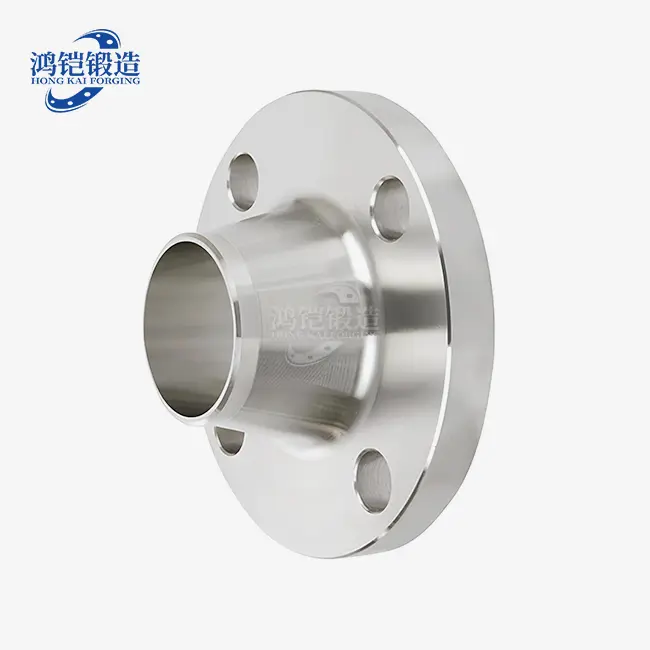
When considering high-pressure plumbing choices, industrial buyers must grasp Socked Welding Flange basics. Special hollow counterbore flanges connect pipe ends and provide strong linkages by external fillet welding. Sockets eliminate internal weld protrusion and increase leak resistance, making them vital for nuclear, petrochemical, and sensor small-diameter, high-pressure pipelines. These flanges meet high international standards including ASME B16.5 and EN 1092-1, making them ideal for harsh industrial environments.
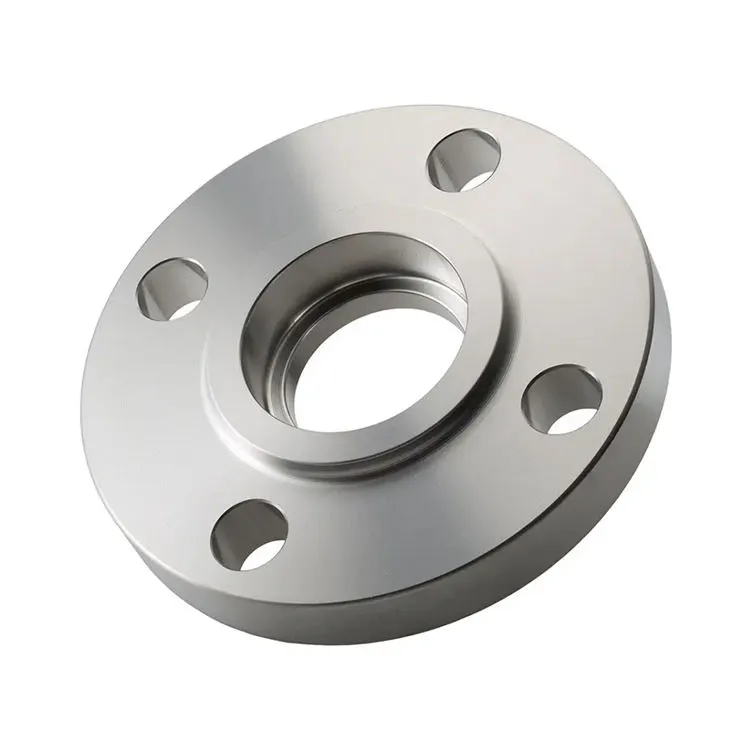
Understanding Socket Welding Flanges: Types, Dimensions, and Standards
Socket welding flanges are industrial pipe parts for tiny bores and high pressures. Using a cut socket that fits the pipe end and filling it with metal creates a leak-proof junction. This design prevents internal weld metal from entering the flow stream. Fluid flows smoothly and sensitive processes are not polluted.
Structural Design and Configuration
The socket design aligns everything, so fitting doesn't need tack welding. This capability helps with placing in tiny places when accuracy is difficult. Socket Welding Flange assemblies, unlike threaded connections, provide permanent interconnections to convey hazardous products and maintain structural integrity under difficult situations. To ensure accurate proportions, things must be thoroughly forged and machined. To satisfy international requirements and perform effectively in harsh situations, each flange undergoes several quality inspections. The usual expansion gap is 1/16 inch (1.6 mm), allowing heat expansion without deforming the connection.
International Standards and Compliance
Socket welding flanges meet a number of international norms, which makes them compatible all over the world:
- ASME B16.5: NPS 1/8" to 4", Class 150-2500, for use in North America
- EU standards EN 1092-1 cover DN6 to 100 and PN16 to PN400.
- Japan's industry rules say that DN6 to 100 and 10K to 40K are acceptable.
- DN15 to DN100 and PN6 to PN160 are DIN standards that make sure they work with German products.
These precise rules ensure that Socked Welding Flange sizes, pressure ratings, and material requirements are consistent throughout markets. Certified testing laboratories verify compliance to ensure product reliability and legal conformity in critical circumstances.
Material Selection and Properties
Joint performance and longevity depend on material choice. Carbon steel grades like ASTM A105 are sturdy for everyday usage, whereas stainless steel grades like A182 F304/316L resist rust. Alloy steel can withstand power generating and petroleum process temperatures and pressures. Material grades vary, but temperatures are normally between -29°C and +400°C. ASME B16.5 requires a surface polish between 125 and 250 RMS to ensure seal fit and no leaks. Hardness specifications (HB < 200 for carbon steel grades) balance weldability and strength.
Comparing Socket Welding Flanges with Other Flange Types: Making the Right Choice
By understanding socket welding flange benefits and drawbacks compared to alternative connection techniques, you can make educated purchases. Pressure, mounting, and operational requirements determine which flange is ideal for a project.
Performance Comparison Analysis
Socket welding flanges are 50% stronger and fatigue-resistant than slip-on ones. Single exterior fillet welds strengthen and make visual inspection easier. This advantage is crucial in high-stress areas where a joint break might be disastrous. Butt weld flanges provide superior flow but must be prepped for welding and enable pipe access. Socked Welding Flange offers simpler installation without prep, though threaded flanges are simpler to install than soldered connections, they can't take as much pressure or leak as butt welds. Slip-on flanges are inexpensive yet ineffective in demanding structural circumstances.
Installation and Maintenance Considerations
The built-in alignment function speeds installation and eliminates welding errors. Technicians can rapidly find the proper fit under harsh field circumstances. This efficiency reduces labour expenses and improves project planning, which is particularly beneficial in turnaround scenarios when downtime is still crucial. Maintenance benefits from visual inspection and simpler joint removal. The weld may be checked outside without injuring it, thus no inside entrance is required. These qualities enable predictive maintenance plans and longer repair intervals than conventional connecting methods.
Installation, Welding Procedures, and Inspection: Ensuring Optimal Performance
The Socket Welding Flange will work well and last a long time if it is installed correctly. Understanding important building steps, welding settings, and inspection standards can help keep systems reliable and stop costly breakdowns.
Step-by-Step Installation Process
Preparing the pipe ends for installation starts with making sure the cuts are straight and the surface is finished properly. The pipe goes into the hole until it hits the bottom, and then it is pulled out to make the 1/16-inch growth gap that is needed. This space allows for temperature growth while keeping stress from building up at the weld root. Because the socket is naturally aligned, there is no need for tack welding. Welders can go straight to the final welding steps, which cuts down on installation time and eliminates the chance of making alignment mistakes. If you choose the right electrodes and set the right welding settings, the penetration and fusion properties will meet code standards.
Quality Control and Welding Standards
Procedures for welding must meet the standards set by ASME Section IX for qualified welders and process details. Preheating needs depend on the thickness of the material and the temperature of the surrounding area. For some steel types or high-stress situations, it may be necessary to heat treat the metal after the welding process. Visual evaluation checks the weld shape, the state of the surface, and the correctness of the measurements for a Socket Welding Flange. Magnetic particle inspection and other non-destructive testing methods can find surface flaws that could weaken the stability of a joint. Before the system is put into service, leak tightness is checked with pressure tests.
Common Installation Challenges and Solutions
Installations in confined spaces have special problems that need special tools and methods. Orbital welding methods give reliable results even when entry is limited, and they still follow the rules. With pre-qualified welding processes, you don't have to do as many inspections, and the project can be finished faster. Verification of material suitability stops galvanic corrosion in devices that use more than one metal. Choosing the right seal and following the power specs will keep the system running smoothly for as long as it lasts. For regulatory compliance, documentation needs to include certificates for materials, records of welding, and inspection reports.
Procurement Insights: Sourcing, Pricing, and Supplier Selection
To buy socket welding flanges strategically, you need to know how the market works, what influences prices, and what your suppliers can do. Sourcing methods that work well balance cost concerns with quality needs and service performance.
Pricing Structure and Market Dynamics
The main factor that affects prices is the cost of materials, which changes based on product markets and alloy fees. Stainless steel types are more expensive because the raw materials are more expensive and they have to be processed in a certain way. Options made of carbon steel are cost-effective for uses that don't involve corrosion and keep the structure's strength. Customization needs, like non-standard sizes, special materials, or specific testing requirements, may be necessary for some uses but raise the cost per unit. When you place a large order, you can get a discount, which is especially helpful for big projects or long-term deals.
Supplier Evaluation Criteria
Quality standards, such as ISO 9001, ASME certification, and compliance with the Pressure Equipment Directive (PED), show that a product can be made and is accepted by regulators. Supplier audit programs check the technical skills, quality systems, and production methods that make sure products always work well. Decisions about which suppliers to choose are affected by their manufacturing ability and delivery success records for items like Socked Welding Flange. Location affects shipping prices and wait times, which is especially important when needs need to be met quickly or when the project site is far away. In addition to providing products, technical support services like engineering help and application advice add value.
Supply Chain Management Strategies
Long-term supply deals keep prices stable and make sure that supplies are always available for ongoing activities. Inventory programs that are handled by vendors cut down on carrying costs and make sure that materials are available when they are needed. Electronic buying systems make it easier to place orders and show the progress of orders and arrival dates in real time. Multiple seller approval and supply base diversification are two ways to lower risk. Market information about what materials are available and how much they cost lets you plan your purchases ahead of time. Emergency procurement processes make sure that important materials can be gotten when sudden supply problems happen.
Applications and Performance: Why Socket Welding Flanges Are Trusted in Industry
Components for Socket Welding Flange units are very important in many different industries because they work reliably in tough situations. Making the right choices about application and design is based on knowing specific use cases and performance needs.
High-Pressure Hydraulic Systems
Power plant steam sample lines and hydraulic control systems employ socket welding flanges. The design resists vibrations and temperature fluctuations better than fixed solutions. Nuclear materials must fulfil radiation and high-temperature standards. Petrochemical plant catalyst input lines employ these flanges to prevent contamination. The exterior weld is straightforward to examine and protects costly process catalysts. In hydrogen sulfide-contaminated sour service conditions, NACE MR0175 ensures efficiency.
Instrumentation and Control Systems
This type of link, Socked Welding Flange, is used in process industries for instrument tubing, analyzer sample lines, and small-bore process pipes where dependability can't be compromised. Fillet welding creates a hermetic cover that stops rogue pollution in environmental compliance applications. Chemical processing industries employ these clamps to handle hazardous material when leakage is prohibited. Cracks that may store acidic deposits or produce tension are eliminated by the hole design. Material traceability and authorisation ensure regulated uses comply.
Performance Optimization and Innovation Trends
Precision casting and computer-controlled machining are two examples of advanced manufacturing methods that make the dimensions and surface finish better. Digital quality tracking tools keep an eye on the manufacturing process in real time and record what's happening. New materials like duplex stainless steels and special alloys allow for harsher usage. Coatings prevent corrosion while retaining weldability. These modifications allow socket welding flanges to be employed in modern industrial and green energy applications.
Conclusion
For small-bore, high-pressure pipe uses that need high dependability and the ability to stop leaks, Socked Welding Flange is the best choice. The way they are designed, with features like external bonding and natural alignment, gives them big benefits over other ways to connect. Long-lasting success in important industrial uses depends on choosing the right materials, following the right installation steps, and working with the right suppliers. As manufacturing methods and material sciences keep getting better, these tried-and-true parts will continue to be necessary for challenging pipe systems in a wide range of fields.
FAQ
1. What makes socket welding flanges superior to threaded connections?
Socket welding flanges make lasting, leak-proof connections through fillet welding. This gets rid of the chance that threaded connections will come loose when the temperature or pressure changes. The welded link can handle more pressure and doesn't have the rotating leak path that comes with threaded connections.
2. How do I figure out what the right socket welding flange specs for my job?
The standards for specifications rely on the working pressure, temperature, compatibility with media, and the codes that apply. Check ASME B16.5 for pressure-temperature ratings, choose the right materials based on how resistant they need to be to corrosion, and make sure the size standards match the ones your pipe system needs.
3. What kind of quality standards should I look for in providers of socket welding flanges?
Some important qualifications are ASME certification for parts of pressure vessels, ISO 9001 certification for quality management systems, and ASTM-specification material certificates. For European uses, PED marking may be needed, and for sour service conditions, NACE approval may be needed.
Partner with HONG KAI FORGING for Premium Socket Welding Solutions
HONG KAI FORGING stands as your trusted Socked Welding Flange manufacturer, delivering precision-engineered components that exceed international standards. Our comprehensive manufacturing capabilities spanning forging, heat treatment, machining, and testing ensure consistent quality for critical industrial applications. Located in Shanxi Province's renowned forging hub, we leverage abundant resources and advanced technology to provide competitive pricing without compromising performance. Contact kevin.zhao@hkflange.com to talk about your unique needs and find out how our expertise in ASME, EN, and DIN standards compliance can support your next project with reliable, high-performance socket welding flange supplier solutions.
References
1. American Society of Mechanical Engineers. "ASME B16.5 Pipe Flanges and Flanged Fittings: NPS 1/2 through NPS 24." ASME International Standards, 2020.
2. European Committee for Standardization. "EN 1092-1 Flanges and their joints - Circular flanges for pipes, valves, fittings and accessories." CEN Publications, 2018.
3. Harvey, John F. "Pressure Vessel Design: Nuclear and Chemical Applications." Van Nostrand Reinhold Engineering Series, 2019.
4. Singh, Karan. "Industrial Piping and Equipment Estimation Manual." Gulf Professional Publishing, 2018.
5. Nayyar, Mohinder L. "Piping Handbook: Seventh Edition." McGraw-Hill Professional Engineering, 2021.
6. British Standards Institution. "BS 4504 Specification for circular flanges for pipes, valves and fittings." BSI Standards Publication, 2017.
Clear Communication, and Reliable Technical Support