- English
- French
- German
- Portuguese
- Spanish
- Russian
- Japanese
- Korean
- Arabic
- Greek
- German
- Turkish
- Italian
- Danish
- Romanian
- Indonesian
- Czech
- Afrikaans
- Swedish
- Polish
- Basque
- Catalan
- Esperanto
- Hindi
- Lao
- Albanian
- Amharic
- Armenian
- Azerbaijani
- Belarusian
- Bengali
- Bosnian
- Bulgarian
- Cebuano
- Chichewa
- Corsican
- Croatian
- Dutch
- Estonian
- Filipino
- Finnish
- Frisian
- Galician
- Georgian
- Gujarati
- Haitian
- Hausa
- Hawaiian
- Hebrew
- Hmong
- Hungarian
- Icelandic
- Igbo
- Javanese
- Kannada
- Kazakh
- Khmer
- Kurdish
- Kyrgyz
- Latin
- Latvian
- Lithuanian
- Luxembou..
- Macedonian
- Malagasy
- Malay
- Malayalam
- Maltese
- Maori
- Marathi
- Mongolian
- Burmese
- Nepali
- Norwegian
- Pashto
- Persian
- Punjabi
- Serbian
- Sesotho
- Sinhala
- Slovak
- Slovenian
- Somali
- Samoan
- Scots Gaelic
- Shona
- Sindhi
- Sundanese
- Swahili
- Tajik
- Tamil
- Telugu
- Thai
- Ukrainian
- Urdu
- Uzbek
- Vietnamese
- Welsh
- Xhosa
- Yiddish
- Yoruba
- Zulu
Best Lap Joint Flange Types for Corrosive Environments
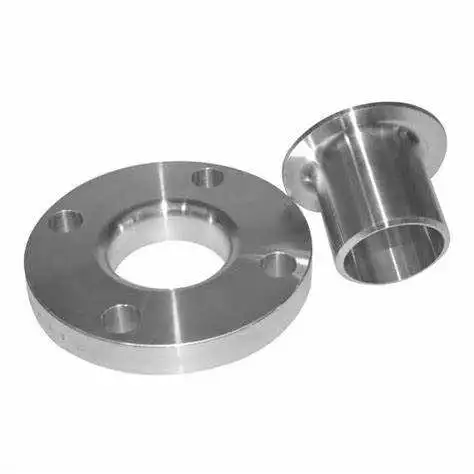
When selecting piping components for aggressive industrial environments, Lap Joint Flange assemblies stand out as the optimal choice for corrosive applications requiring frequent maintenance access. These two-component systems combine a stub end with a backing flange, enabling 360° rotation for perfect alignment while maintaining exceptional chemical resistance. Available in specifications ranging from DN15 to DN4000 with pressure ratings from PN6-PN160, these assemblies comply with international standards including ASME B16.5, EN 1092-1, and DIN, making them indispensable for chemical processing, marine, and food processing industries where corrosion protection and operational flexibility are paramount.
Understanding Lap Joint Flanges for Corrosive Environments
Two-Part Design and Functional Advantages
Lap Joint Flange systems are great because they solve important problems in corrosive pipe uses with their innovative two-part design. These assemblies are different from regular welded flanges because they have a stub end that welds directly to the pipe and a separate backing flange that can slide over the assembly. Because of this split, engineers can choose expensive metals that don't rust, like Hastelloy C276 or Inconel 625, for the stub end that touches the process media while using cheaper carbon steel for the structure of the backing flange.
Application Scope and Industry Relevance
Lap Joint Flange assemblies are the best choice for corrosive uses that need to be accessed often for repair when looking for pipe parts for harsh industrial settings. These two-part systems have a short end and a backing plate. They can be rotated 360° for perfect alignment and are very resistant to chemicals. These assemblies are made to international standards like ASME B16.5, EN 1092-1, and DIN and come in sizes ranging from DN15 to DN4000 with pressure ratings from PN6 to PN160. They are essential for industries like chemical processing, marine, and food processing that need to protect against corrosion and be flexible in how they work.
Material Flexibility and Cost Efficiency
Because lap joints are made of flexible materials, they can save a lot of money without sacrificing efficiency. Grades 304, 316, and 316L of stainless steel are very good at resisting corrosion in mild chemical conditions. Duplex and super duplex alloys, on the other hand, are better at resisting chloride, which is important for naval uses. The backing plate can keep the standard carbon steel construction, which cuts the overall project costs by 40 to 60 percent compared to solid exotic metal options.
Top Lap Joint Flange Types Ideal for Corrosive Environments
Choosing the right flange configuration relies on how aggressive the surroundings is, how much pressure is needed, and how easy it is to do upkeep. The mixtures of materials below have been shown to work well in a number of harsh industrial settings.
Standards Compliance and System Compatibility
Accurate measurements and the ability to work with other systems are still very important for a good purchase and installation. These flange systems meet a number of foreign standards, such as ASME B16.5, ASME B16.47, EN 1092-1, DIN, JIS B2220, and GOST. This full agreement with standards makes sure that the new pipes will work with the old ones without any problems, no matter where they are installed or what the original equipment manufacturer's instructions say.
Duplex and Super Duplex for Extreme Conditions
Marine settings and chemical processes that use a lot of chloride need stronger rust protection than what normal stainless steel can provide. Duplex metals have microstructures that are both austenitic and ferritic. They have twice the yield strength of regular stainless steel and are very resistant to stress corrosion cracking. Super duplex grades, like 2507, work great in harsh chemical conditions and seas where regular materials fail too soon.
Stainless Steel Options for Cost-Effective Protection
Stainless steel Lap Joint Flange joints made of stainless steel work well in many industrial settings where reasonable corrosion protection is needed and costs are low. Grade 316L is better at resisting rusting than standard 304 stainless steel, so it can be used in places where salt is present. Temperatures range from -45°C to +400°C, and these designs can take pressures up to PN160 without losing their structural integrity.
Comparing Lap Joint Flanges with Other Flange Types for Corrosive Uses
Knowing how different types of flanges work differently helps you make smart buying choices based on your needs, the limitations of your installation, and the overall cost of the product over its lifetime. Depending on how it will be used and how often it needs to be maintained, each hinge arrangement has its own benefits.
High-Performance Alloys for Corrosive Conditions
To get a good service life from alloys, highly active chemical processes need special metal solutions. Nickel-based alloys, like Inconel 625 and Hastelloy C276 are very resistant to acids that oxidize and acids that reduce. When it comes to marine conditions and alkaline liquids, Monel 400 works really well. The longer service intervals and shorter maintenance breaks of these high-end materials make up for their higher price.
Slip-On Flanges: Cost vs. Flexibility
Slip-on flanges are cheaper at first, but they can't be used with a wider range of materials and are harder to take apart than Lap Joint Flange systems. Because slip-on designs are soldered together, they can't make the best use of materials. Instead, the whole flange has to be made from expensive metals that don't rust. Also, repair access needs to be cut and rewelded, which adds a lot to the time and money needed for work.
Weld Neck Flanges: Strength vs. Installation Complexity
The structural strength and smooth flow of weld neck flanges are better, but they are much more expensive and harder to install. The built-in hub design stops cost savings that can be achieved with lap joint assemblies, and the set bolt hole direction can make it hard to line up parts that were originally installed. However, weld neck designs are still better for high-pressure situations where lap joint designs can't handle it.
Installation and Maintenance Best Practices for Lap Joint Flanges in Corrosive Settings
Operational Flexibility and Maintenance Advantages
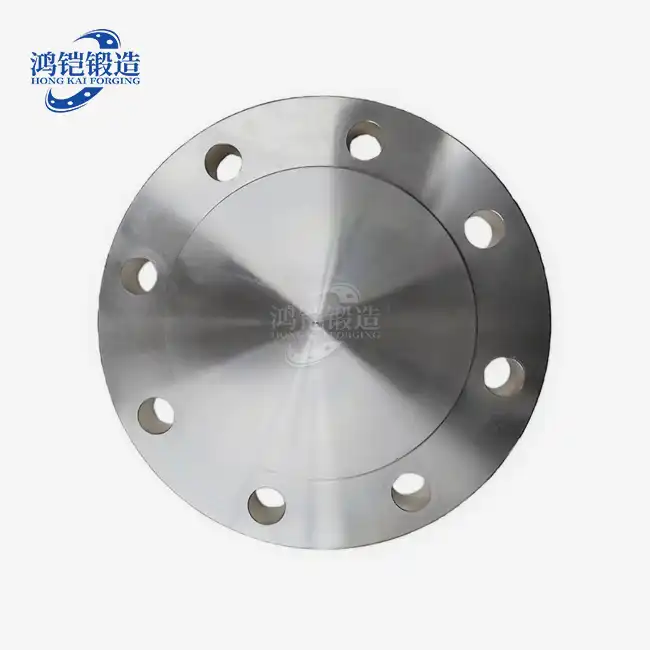
Even though blind flanges are necessary to keep systems separate, they can't give you the operating flexibility you need for regular repair and inspection. Lap joint designs let you quickly take things apart without having to cut anything, which makes them perfect for processes that need to be cleaned or have parts replaced on a frequent basis. This ease of entry means lower upkeep costs and better system reliability over the life of the equipment.
Installation Practices and Sealing Considerations
In harsh settings, the service life and dependability of Lap Joint Flange systems are directly affected by how they are installed and maintained. Following known best practices stops failure modes from happening too soon and guarantees the best long-term performance. The right amount of bolt torque keeps the gasket from getting damaged and makes sure there is enough closing force for the pressure grade. The flexible backing flange design takes away pipe stress during bolt-up operations. However, choosing the right seal is still important for chemical compatibility. Most chemical uses work well with PTFE-faced gaskets, while spiral-wound designs work well with higher temperatures and pressures.
Inspection Methods and Long-Term Reliability
To get the most out of maintenance, regular eye inspections should happen at the same time that the process is shut down. Ultrasonic thickness measurement and visual penetrant testing are two types of corrosion tracking tools that can find material degradation early on, before it becomes a major problem. Keeping records of what was found during inspections helps with planning future maintenance and buying new parts.
Procurement Guide for Lap Joint Flanges in Corrosive Applications
Case Study: Cost Savings and Performance Benefits
A big petrochemical plant used Hastelloy C276 stub ends and carbon steel backing flanges to make lap joint flange units for their sulfuric acid handling system. Over the course of five years of operation, the plant had no failures due to the flanges and 35% lower material costs than solid Hastelloy alternatives. Maintenance workers said that the easy removal of the lap joint design cut the time it took to change parts by 60%.
Supplier Evaluation and Technical Capabilities
To find good flange assemblies, you need to carefully look at the skills, quality certifications, and expert help resources of the suppliers. Procurement strategies that work well combine initial cost concerns with long-term performance needs and factors related to source dependability. Lap Joint Flange manufacturers must follow ISO 9001 and pressure equipment guidelines to be certified. The firm should be able to create all materials and sizes and maintain precise measurements. Technical assistance tools like application engineering and material selection aid during design.
Strategic Sourcing and Cost Optimization
Large projects or buildings that need regular upkeep can save a lot of money by signing bulk purchasing deals. Standardizing materials for use in multiple uses makes inventory simpler and makes it easier to negotiate prices. Long-term supply deals with qualified makers make sure that materials are always available and protect against price changes.
Conclusion
In harsh settings, special combinations of materials or changes to the sizes of parts are often needed that aren't available in normal catalogs. Expert makers offer application engineering help to choose the best materials and configure them in the best way for each process. This joint method makes sure the best performance while avoiding over-specification, which adds costs that aren't needed. Lap Joint Flange assemblies are the best choice for corrosive industry uses that need chemical protection and operating freedom. Their unique two-part design lets you save a lot of money by choosing the right materials and makes upkeep easy, which is very important in harsh settings. Meeting international standards makes sure that they can be used in all global markets, and their track record of reliability in harsh environments like chemical processing, sea, and food processing shows that they can be trusted. To do good procurement, you need to work with skilled makers who can offer full technical help and quality assurance all along the supply chain.
FAQ
1. What materials are best for highly corrosive chemical environments?
Hastelloy C276 and Inconel 625 are very resistant to acids and poisons that oxidize metals. These nickel-based metals keep their shape even when exposed to strong chemicals, and they are also very easy to work with when making stub ends. To save money, the backing plate can still be made of carbon steel.
2. How do I determine the correct pressure rating for my application?
The choice of pressure grade is based on the highest system pressure, temperature, and safety factors set by the relevant rules. Standard pressure-temperature rates for common materials are given by ASME B16.5; however, engineering estimates may be needed for special alloys. For important uses, talk to skilled engineers and manufacturers.
3. Can lap joint flanges be reused after disassembly?
Yes, the non-welded form of the backing lip means that it can be used more than once without breaking down. The stub end stays soldered to the pipe forever, but the seal and backing flange can be changed when they wear out. This ability to be used again saves a lot of money in situations where repair entry is needed often.
Partner with HONG KAI FORGING for Superior Lap Joint Flange Solutions
In chemical processing, naval, and industrial settings, HONG KAI FORGING makes the best Lap Joint Flange kits because they are made to work in harsh, corrosive conditions. Our integrated production center in Shanxi Province combines advanced forging skills with full quality control to make sure that every assembly meets or beats international standards like DIN, EN 1092-1, and ASME B16.5. Our lap joint flange manufacturer can meet a wide range of project needs with specs from DN15 to DN4000 and pressure levels up to PN160. We also offer reasonable prices and reliable delivery times. Contact kevin.zhao@hkflange.com right away for expert advice and quotes that are made to fit the needs of your unique toxic application.
References
1. American Society of Mechanical Engineers. "Pipe Flanges and Flanged Fittings: NPS 1/2 through NPS 24 Metric/Inch Standard." ASME B16.5-2020.
2. European Committee for Standardization. "Flanges and Their Joints - Circular Flanges for Pipes, Valves, Fittings and Accessories, PN Designated - Part 1: Steel Flanges." EN 1092-1:2018.
3. Materials Technology Institute. "Guidelines for Material Selection and Corrosion Control in Chemical Process Industries." MTI Publication No. 58, 2019.
4. National Association of Corrosion Engineers. "Material Requirements for Sulfuric Acid Service." NACE MR0175/ISO 15156-3:2020.
5. Petroleum Equipment Institute. "Flange Design and Selection Criteria for Corrosive Service Applications." PEI Technical Bulletin 47-2021.
6. International Organization for Standardization. "Corrosion of Metals and Alloys - Guidelines for Material Selection in Chemical Process Equipment." ISO 17245:2015.
Clear Communication, and Reliable Technical Support
_1788925464817.webp)
_1788850469940.webp)
_1788490886865.webp)