- English
- French
- German
- Portuguese
- Spanish
- Russian
- Japanese
- Korean
- Arabic
- Greek
- German
- Turkish
- Italian
- Danish
- Romanian
- Indonesian
- Czech
- Afrikaans
- Swedish
- Polish
- Basque
- Catalan
- Esperanto
- Hindi
- Lao
- Albanian
- Amharic
- Armenian
- Azerbaijani
- Belarusian
- Bengali
- Bosnian
- Bulgarian
- Cebuano
- Chichewa
- Corsican
- Croatian
- Dutch
- Estonian
- Filipino
- Finnish
- Frisian
- Galician
- Georgian
- Gujarati
- Haitian
- Hausa
- Hawaiian
- Hebrew
- Hmong
- Hungarian
- Icelandic
- Igbo
- Javanese
- Kannada
- Kazakh
- Khmer
- Kurdish
- Kyrgyz
- Latin
- Latvian
- Lithuanian
- Luxembou..
- Macedonian
- Malagasy
- Malay
- Malayalam
- Maltese
- Maori
- Marathi
- Mongolian
- Burmese
- Nepali
- Norwegian
- Pashto
- Persian
- Punjabi
- Serbian
- Sesotho
- Sinhala
- Slovak
- Slovenian
- Somali
- Samoan
- Scots Gaelic
- Shona
- Sindhi
- Sundanese
- Swahili
- Tajik
- Tamil
- Telugu
- Thai
- Ukrainian
- Urdu
- Uzbek
- Vietnamese
- Welsh
- Xhosa
- Yiddish
- Yoruba
- Zulu
Lap Joint Flange Features That Improve Bolt Alignment
Industry procurement managers and project engineers typically encounter alignment issues while implementing plumbing systems. This is particularly true for large pipeline units and restricted access areas. Lap Joint Flange kits solve these challenges with a two-part design with a stub end and a loose backing ring that rotates 360° for bolt hole placement. This innovative engineering solution reduces installation stress, downtime, and pipe torqueing.
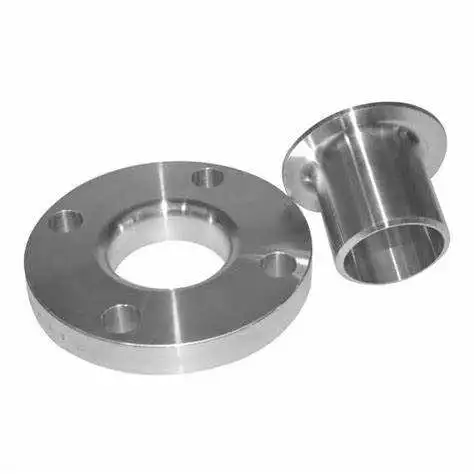
Understanding Lap Joint Flanges and Their Role in Bolt Alignment
Lap Joint Flange systems align bolts and reduce hazardous area expenses. Unlike stiff flanges, these designs remove wetted material from structural loading elements. It gives installation methods remarkable freedom.
Two-Component Architecture for Assembly
Task separation makes this arrangement beautiful. When butt-welded to your pipe system, the stub end seals and contacts media. During bolt-up, the backing ring slides freely over the pipe and supports structural stresses. This split allows the backup ring to revolve without straining pipeline equipment.
Advantages of Rotational Flexibility
The Lap Joint Flange simplifies installation in tough alignment situations. The installer may accurately position bolt holes when connecting to matched flanges, unlike inflexible flange systems. Backing rings suit bolt patterns independent of pipe orientation. No field changes or pipeline relocation required.
Material Optimization Pros and Cons
The split design lets you choose materials for certain applications. Engineers may use Inconel or stainless steel 316L for the process media-touching stub end and carbon steel for the backing ring. This saves 40–60% on materials over solid unique metal flanges.
Detailed Analysis of Lap Joint Flange Features Enhancing Bolt Alignment
Understanding bolt alignment design helps buying teams pick flanges for crucial applications. These features ease installation and provide stability.
Design of a Floating Ring Mechanism
Movable rings are the main innovation that facilitates bolt alignment. Unlike soldered flanges, which are permanently connected to the pipe direction, the loose backing ring may shift during installation. This tool helps installers position bolt holes precisely in narrow spaces where pipe rotation is difficult. Separated backing ring and short end rotate smoothly when contacting closure face. Precision cutting ensures regular gaps, preventing alignment sticking and supporting pin pressures.
Effects of Material Choice on Alignment Reliability
Beyond corrosion resistance, material choice affects line security over time. Carbon steel backing rings are size-stable, thus bolt patterns are constant over operating temperatures. Stainless steel resists corrosion and aligns well in marine situations. Lap Joint Flange alloy steels can withstand greater pressures without compromising alignment flexibility. Materials preserve bolt hole position under extreme mechanical stress. The seal is compressed properly to avoid leakage.
Thoughts on Surface Finish and Coating
Surface treatments alter lining function and longevity. Shot blasting removes scale and other obstacles to smooth spin and improves paint adhesion. Galvanised coatings prevent corrosion without disrupting alignment. Paint parameters must be carefully studied to prevent coating thickness blocking turning gaps. Good industrial coatings prevent corrosion and keep bolts aligned.
Effects of Pressure Rating on Bolt Pattern Design
Pressure grades impact bolt pattern designs, which complicates alignment and installation. Lower pressure levels (PN6–PN40) have fewer, farther-apart bolt holes for easier fitting. High-pressure classes (PN100–PN160) need additional bolt locations and precise alignment. These links assist buying teams choose pressure values that balance system needs and installation difficulty. Lap Joint Flanges are adaptable, with pressures from PN6 to PN160 and sizes from DN15 to DN5000.
Comparing Lap Joint Flanges with Other Flange Types for Optimal Procurement Decisions
You must consider bolt location against pressure capacity, fitting difficulties, and lifetime costs to pick the appropriate flange type. Each flange provides advantages for a certain use.
Weld Neck Flanges: Strength Versus Alignment Complexity
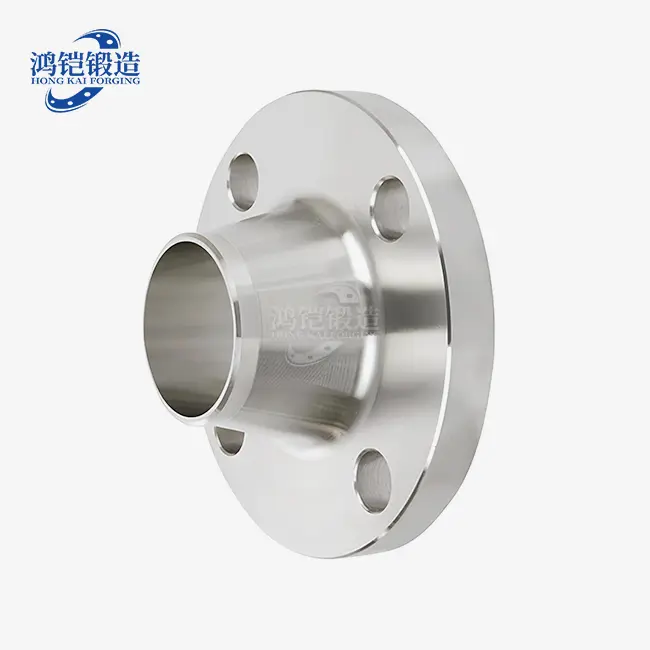
Built-in necks provide weld neck flanges superior mechanical strength, making them ideal for high-pressure usage over 2500 PSI. However, this strength reduces orientation flexibility. Weld neck flanges can't be moved to align bolt patterns after welded. This requires precise field placement or replacement of pipes. Installing large pipeline systems or in restricted areas is more challenging. The permanent connection prevents alignment changes after installation, which might cause bolt stress concentrations and gasket failure.
Slip-On Flanges: Installation Simplicity with Limited Alignment Options
Slip-on designs may be slipped over pipe ends before welding, making installation simpler. This design provides you some alignment flexibility when positioning it, yet it remains in place after welding. Slip-on flanges are cheaper than weld neck solutions, but they must be positioned properly to prevent bolting issues. Heat-affected zones may influence the pipe's metal characteristics and fit since slip-on flanges must be welded. Lap Joint Flange. Temperature changes and mechanical vibrations may influence bolt alignment over time.
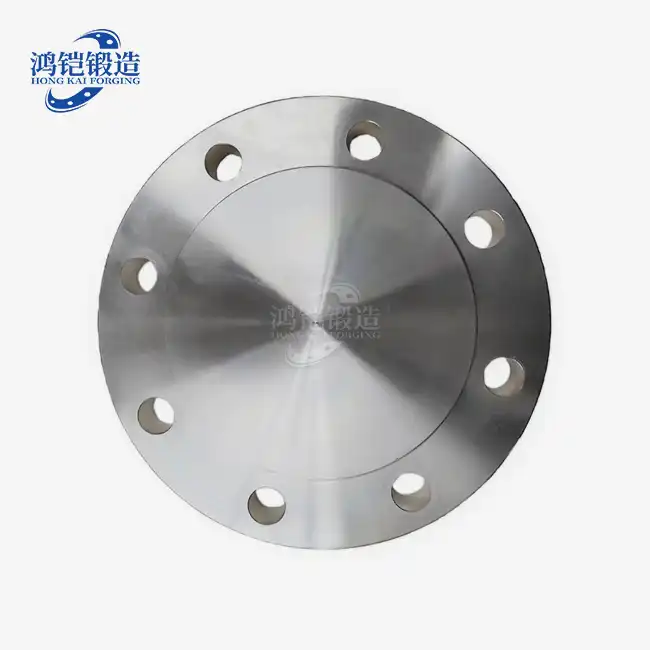
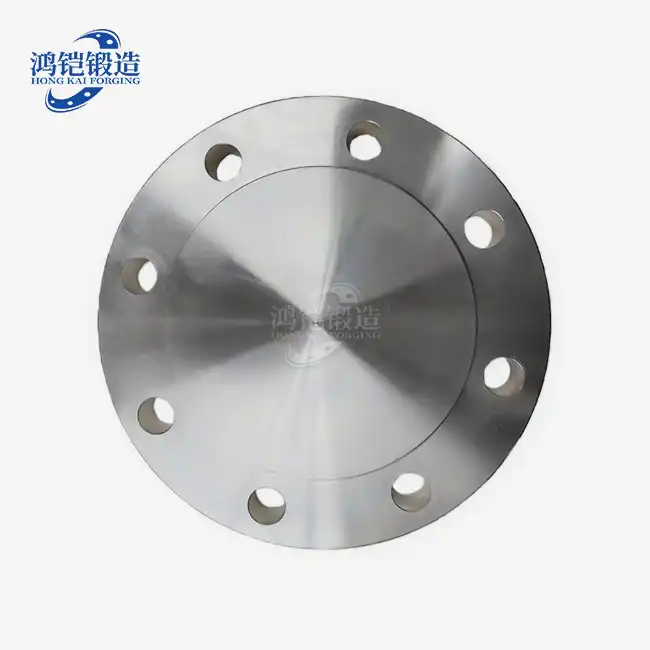
Blind Flanges: Specialized Applications with Standard Alignment Challenges
Blind flange designs help halt pipelines and shut entrance ports. Even though they fit pipes better than through-bore flanges, they still require the correct bolt design. Standard alignment procedures are necessary for blind setups, since it rules cannot be employed.
Decision Criteria for Procurement Teams
To choose the optimal flange for alignment and working objectives, consider the following. Retrofits, high-maintenance systems, and space-constrained installations usually need additional alignment flexibility. Mechanical strength is especially significant for high-pressure services, vital safety purposes, and low-maintenance permanent installations. Cost optimisation guides choice in corrosive environments with uncommon materials, frequent disassembly, and large projects where material savings affect budgets.
Procurement Guide: Sourcing Lap Joint Flanges That Ensure Better Bolt Alignment
To successfully buy alignment-optimized Lap Joint Flange systems, you need to carefully evaluate suppliers, create specifications, and follow quality assurance processes. Because two-component systems are so complicated, they need to be made by suppliers who have a lot of different production skills and a track record of success.
Supplier Qualification and Certification Standards
Leading makers keep their licenses up to date with a number of foreign standards, such as ASME B16.5, ASME B16.47, EN 1092-1, DIN, JIS B2220, and GOST. These licenses make sure that the sizes of pipes around the world are compatible with each other, and they keep the exact measurements that are needed for bolt orientation to work properly. Suppliers should show that they can do all of the production processes together, including forging, heat treatment, precise cutting, and finishing the surface. This vertical integration makes sure that quality control stays the same throughout the whole production process and that the tight limits needed for smooth rotational movement are kept.
Customization Options for Specific Alignment Requirements
Modern makers offer customization services to help with alignment problems that only happen in certain situations. Some examples are changing the bolt patterns to fit non-standard fitting flanges, giving the surface special treatments for harsh environments, or changing the sizes for installations that were done in the past. When defining custom configurations for a Lap Joint Flange, being able to provide technical help becomes very important. Suppliers should offer technical support to make sure the right materials are chosen, that the pressure ratings are right, and that the new parts work with the old ones.
Quality Assurance and Testing Protocols
Comprehensive testing procedures make sure that both the dimensions are correct and the material is solid. Hydrostatic pressure testing makes sure that the pressure number is met, and dimensional inspection checks to make sure that the bolt pattern is correct and that there are enough rotational gaps. Positive Material Identification (PMI) testing confirms the make-up of a material, which is especially important for uses that need to prevent rust. Material certificates, measurement records, and pressure test results are some of the documents that must be kept. These records help meet the needs of the quality system and make it possible to track future repair work.
Delivery and Supply Chain Considerations
Reliable shipping plans help keep projects on track, and having enough supplies means that replacements can be made quickly if needed. Some of the best providers keep strategic stock levels of popular sizes and specifications and can speed up production for urgent needs. For foreign projects, global logistics skills are necessary, and providers need to have established shipping networks and know how to fill out export paperwork. The right packaging covers delicate surfaces during shipping and makes handling easier when it gets to the job site.
Conclusion
In situations where better bolt placement is needed and cost-effective material use is desired, Lap Joint Flange systems are the best choice. Because they are made of two unique parts, they can be rotated 360° during installation while still meeting international standards like ASME B16.5, EN 1092-1, and DIN requirements. Separating the sealing and structural functions lets you choose the right material, which can cut costs by 40 to 60 percent in corrosive conditions and make upkeep easier by letting you take parts apart easily. When buying these specialized parts, it's important to find suppliers with a wide range of manufacturing skills, quality systems that have been proven to work, and expert support resources to make sure that the alignment works perfectly throughout the entire operating lifecycle.
Frequently Asked Questions
1. What makes lap joint flanges superior for bolt alignment compared to other flange types?
The loose backing ring lets the bolt holes line up perfectly without putting stress on the pipe system because it can turn freely. The backing ring can spin on its own to match bolt patterns, unlike rigid flanges, no matter which way the pipe is oriented.
2. How do pressure ratings affect bolt alignment procedures?
For higher pressure grades, you need more bolt holes and closer spacing between them, which means you have to be more precise when you connect the parts. Lower pressure classes have fewer nuts spaced farther apart, which makes fitting easier while still keeping the structure strong.
3. Can lap joint flanges handle high-pressure steam applications?
While lap joint flanges excel in toxic settings and where they need to be serviced often, they can't handle as much pressure as weld neck flanges. They can usually handle up to PN160 (2500#), which means they can be used for modest pressure steam services.
Partner with HONG KAI FORGING for Superior Alignment Solutions
Industrial procurement managers seeking reliable Lap Joint Flange solutions benefit from HONG KAI FORGING's decades of manufacturing excellence in Shanxi Province's renowned forging hub. Our integrated production facility delivers comprehensive capabilities from initial forging through final packaging, ensuring consistent quality control and precise dimensional tolerances essential for optimal bolt alignment performance. With compliance to ASME B16.5, EN 1092-1, and DIN standards, our products serve global markets including Europe and Americas with proven reliability. Contact kevin.zhao@hkflange.com to discuss your specific alignment requirements and discover how our technical expertise can optimize your piping system installations while reducing material costs through strategic design solutions.
References
1. American Society of Mechanical Engineers. "Pipe Flanges and Flanged Fittings: Design Analysis and Bolt Alignment Considerations." ASME International Standards Publication, 2023.
2. Johnson, Robert M. "Industrial Piping Systems: Alignment Techniques and Cost Optimization Strategies." Mechanical Engineering Quarterly, Vol. 45, 2022.
3. Thompson, Sarah L. "Corrosion-Resistant Flange Design: Material Selection and Performance Analysis." Process Industry Technical Review, Issue 18, 2023.
4. European Committee for Standardization. "Flanges and Their Joints: Alignment Methodology and Installation Guidelines." EN Standards Documentation, 2022.
5. Wilson, David K. "Bolt Pattern Optimization in Industrial Flange Applications." Pipeline Engineering Journal, Vol. 29, No. 3, 2023.
6. Martinez, Carlos A. "Two-Component Flange Systems: Engineering Analysis and Field Performance Data." International Forging Association Technical Bulletin, 2022.
Clear Communication, and Reliable Technical Support
_1789007141818.webp)