- English
- French
- German
- Portuguese
- Spanish
- Russian
- Japanese
- Korean
- Arabic
- Greek
- German
- Turkish
- Italian
- Danish
- Romanian
- Indonesian
- Czech
- Afrikaans
- Swedish
- Polish
- Basque
- Catalan
- Esperanto
- Hindi
- Lao
- Albanian
- Amharic
- Armenian
- Azerbaijani
- Belarusian
- Bengali
- Bosnian
- Bulgarian
- Cebuano
- Chichewa
- Corsican
- Croatian
- Dutch
- Estonian
- Filipino
- Finnish
- Frisian
- Galician
- Georgian
- Gujarati
- Haitian
- Hausa
- Hawaiian
- Hebrew
- Hmong
- Hungarian
- Icelandic
- Igbo
- Javanese
- Kannada
- Kazakh
- Khmer
- Kurdish
- Kyrgyz
- Latin
- Latvian
- Lithuanian
- Luxembou..
- Macedonian
- Malagasy
- Malay
- Malayalam
- Maltese
- Maori
- Marathi
- Mongolian
- Burmese
- Nepali
- Norwegian
- Pashto
- Persian
- Punjabi
- Serbian
- Sesotho
- Sinhala
- Slovak
- Slovenian
- Somali
- Samoan
- Scots Gaelic
- Shona
- Sindhi
- Sundanese
- Swahili
- Tajik
- Tamil
- Telugu
- Thai
- Ukrainian
- Urdu
- Uzbek
- Vietnamese
- Welsh
- Xhosa
- Yiddish
- Yoruba
- Zulu
OEM Guide to Custom Lap Joint Flange Solutions
When industrial procurement managers and project engineers have problems with complicated pipe systems, custom Lap Joint Flange options are the best way to solve them. These high-tech two-part systems, which have a stub end and a backing flange, can be rotated 360° for perfect alignment and are very resistant to rust. They can also be taken apart quickly. In our in-depth guide, we look at how OEM custom solutions meet the specific needs of each project, make sure that materials work well together, and meet strict safety standards in a wide range of industries, such as chemical processing, marine uses, and food manufacturing.
Understanding Lap Joint Flanges: Definition, Types, and Applications
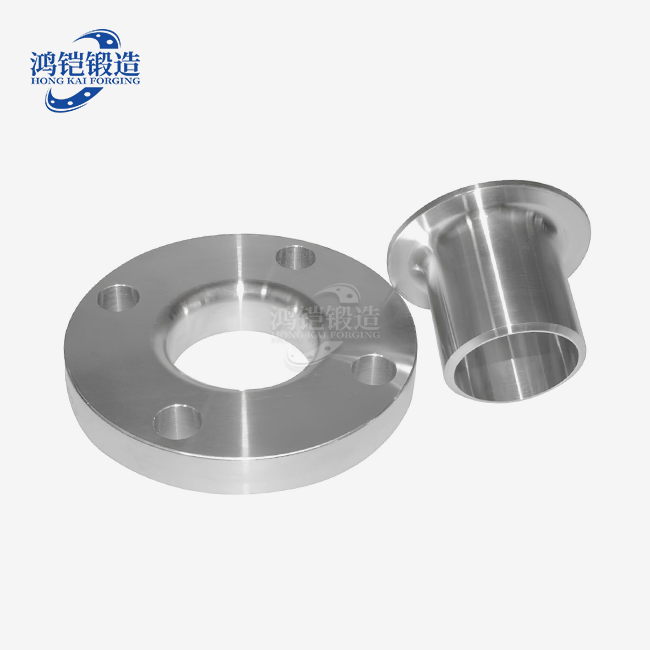
The unique two-part design of lap joint flanges sets them apart from standard single-piece flange configurations, making them the best engineers can make. These sets come with a stub end that is butt-welded to your pipe system and a separate backing lip that can be moved around over the pipe assembly.
Core Design Features and Functionality
The stub end part provides the important closing surface while staying in direct contact with the process media. This lets engineers choose the best materials that won't rust exactly where they're needed. The backing plate, on the other hand, handles structural loads and pin connections. This lets you choose a cheaper material without sacrificing performance. This division gives material optimization a huge amount of freedom. For stub ends that deal with aggressive media, chemical processing plants often use unusual metals like Hastelloy C276 or Inconel 625. Standard carbon steel backing flanges are used to keep costs down and meet structural needs.
Material Selection and Standards Compliance
Modern Lap Joint Flange systems can work with a wide range of materials, such as carbon steel grades A105 and A350 LF2, stainless steel types 304, 316, and 316L, and special alloy steels. The choice of material is based on temperature ranges from -45°C to +400°C and pressure grades from PN6 to PN160. Following international guidelines makes sure that all global projects can work together without any problems. In North America, uses follow ASME B16.5 and B16.47 standards, while in Europe, installations follow EN 1092-1 standards. Meeting more DIN, JIS B2220, and GOST standards makes industry projects that involve people from all over the world compatible.
Industrial Applications and Use Cases
When you use two different types of materials together, you save a lot of money on materials. This is especially true in systems that handle sulphuric acid, where corrosion-resistant stub ends and cheap backing flanges cut costs by 40 to 60 percent. The quick disassembly feature is useful for repair access in water treatment plants, and the corrosion resistance is useful for saltwater settings in naval uses.
Comparing Lap Joint Flanges: Making the Right Choice for Your Pipe Joints
To know when to choose a lap joint configuration over another type of flange, you need to carefully look at the working features, upkeep needs, and cost factors. Based on its pressure grade, fitting limitations, and service conditions, each type of flange is best for a certain job.
Performance Comparison with Traditional Flange Types
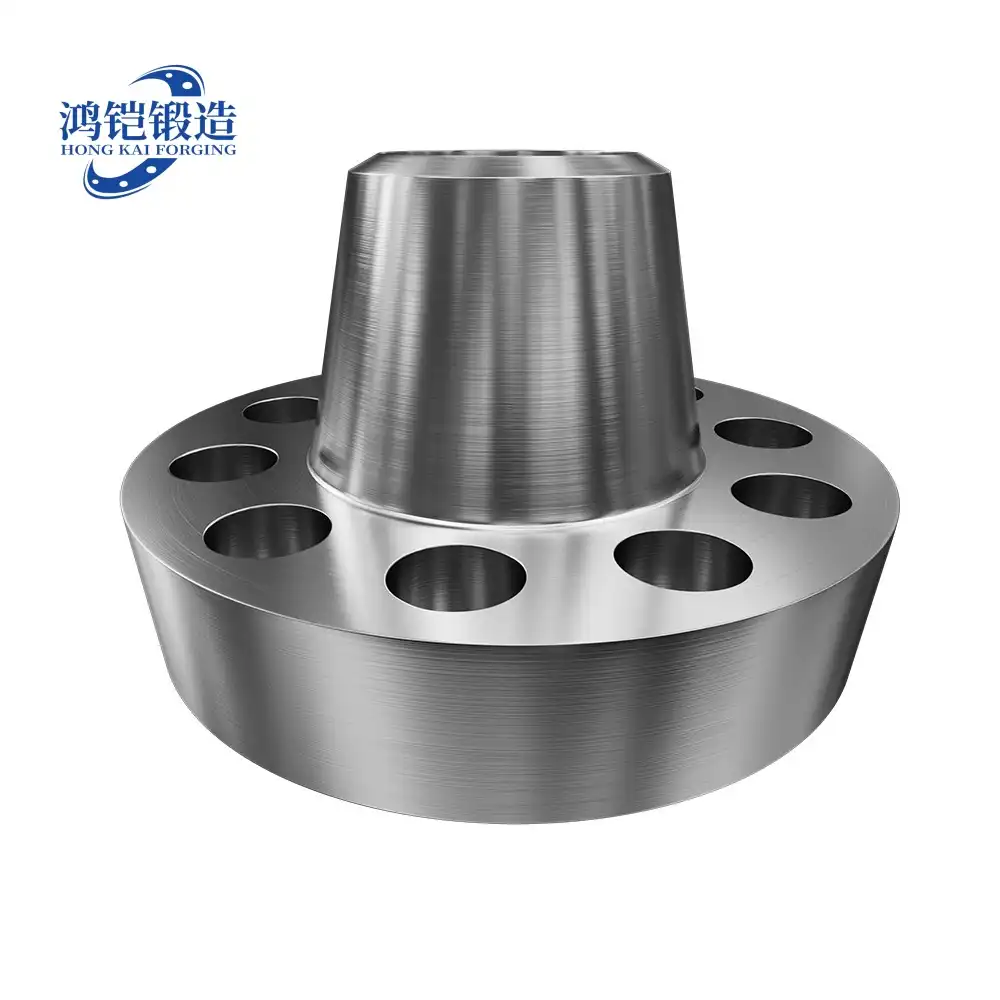
Weld neck flanges work great in high-pressure situations with pressures above 600 PSI because their tapered hub shape spreads stress better. But they need to be fitted perfectly and can't be taken apart often without cutting operations. Lap Joint Flange assemblies give up some pressure capability but offer unmatched adaptability for uses that need a lot of upkeep. Slip-on flanges are easy to install and can handle mild pressures, but they don't help you save material like lap joint designs do. For smaller bore pipes, socket weld designs are very good at resisting wear, but they can't match the alignment freedom that spinning backing flanges offer.
Installation and Maintenance Considerations
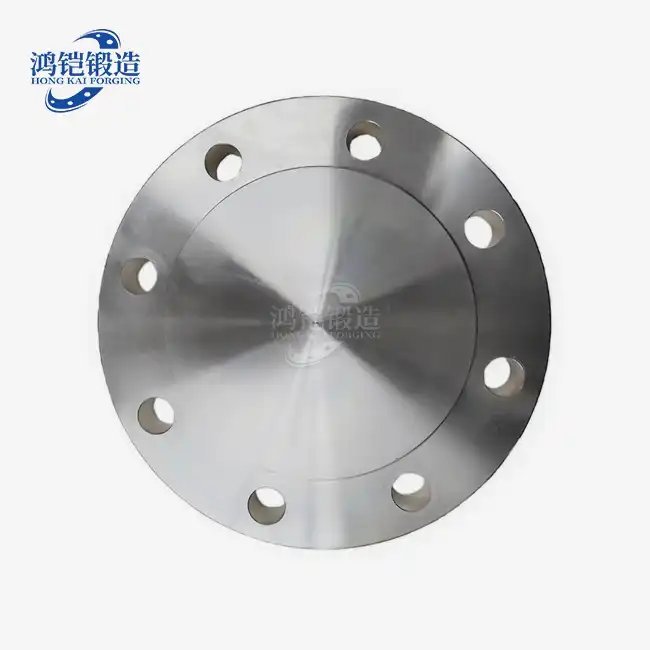
The rotatable backing flange of the Lap Joint Flange makes it easier to line up the pipes during installation. This is especially helpful for repair jobs where there isn't enough room for the pipes to turn. Maintenance teams like that the pipes can be disconnected quickly and easily, without the need for special tools or processes for realigning the pipes. Blind flanges are used for completely different things. They can be used to close off pipe systems permanently or temporarily. Threaded connections are easy to put together but can't handle as much pressure as bonded connections.
Cost Analysis and Economic Benefits
The biggest economic benefit of lap joint designs is that they help keep material costs low. When projects need rare alloy compatibility, they can save a lot of money by only using expensive materials for media-contact parts and standard materials for structure parts. Installation work costs go down because alignment steps are made easier and fit-up time is cut down. Long-term upkeep costs go down a lot when they have to be accessed often for cleaning, inspection, or part replacement.
Technical Insights: Specifications, Pressure Ratings, and Installation Guidelines
Accurate technical specifications are needed for many business uses to make sure they work well and follow safety rules. Knowing about pressure levels, dimensional limits, and fitting procedures can save you a lot of money and make sure that the product will last for a long time.
Dimensional Standards and Size Ranges
Standard Lap Joint Flange kits can fit pipes from DN15 (1/2 inch) to DN4000 (157 inches), which is pretty much all industry pipe needs. Bolt circle alignment is ensured by measurements that meet ASME B16.5 standards, and face-to-face dimensions are in line with industry standards to make system integration go smoothly. The pressure levels go from Class 150 (PN6) for low-pressure uses to Class 2500 (PN160) for tough process conditions. Temperature rates allow for low-temperature uses at -45°C and high-temperature uses at up to 400°C, but this depends on the material chosen and how well it works with the seal.
Installation Best Practices
The right way to put something starts with prepping the stub end, making sure that the wall is thick enough and that the sharp angles are right for full-penetration welds. The Lap Joint Flange backing flange slides over the pipe before the short end is welded. This keeps the structure from going wrong after the welding is done. The choice of gasket is very important for how well the seal works. Full-face gaskets are usually used on flat-face designs, while standard inside-diameter gaskets can fit on raised-face stub ends. When seals and process media are made of the same material, they don't break down early or cause leakage problems.
Quality Assurance and Testing Protocols
Protocols for thorough testing confirm success in real-world service situations. At 1.5 times the design pressure, hydrostatic pressure testing proves the structure's integrity, and positive material identification verifies the accuracy of the alloy's makeup. Dimensional checking makes sure that the bolt holes are lined up, the faces are aligned, and the general shape is correct. Measurements of the surface finish confirm the quality of the gasket fitting surface, which stops leaks from happening during operation.
OEM Custom Solutions: Why Choose Custom Lap Joint Flanges?
Custom engineering solutions are made to solve problems that are unique to a project and can't be solved with standard store goods. Customized methods backed by full expert support are needed for non-standard pressure ratings, unusual material combinations, and specialized sizes.
Addressing Unique Project Requirements
For retrofit uses, it's common to need non-standard sizes to fit the interfaces of current equipment. Custom Lap Joint Flange options can work with odd pipe plans, unique bolt patterns, or changed face configurations without affecting the way the product works. Material choices go beyond normal options because of process-specific needs. For nuclear uses, materials must be impact-tested and have an approved grain structure. For pharmaceutical uses, surfaces must be electropolished and meet high hygiene standards.
Advanced Manufacturing Capabilities
Modern forging methods allow for more complicated shapes and better material qualities than machined options for Lap Joint Flange. Controlled grain flow patterns improve wear resistance, and optimizing the heat treatment process improves resistance to corrosion and mechanical qualities. Statistical process control is used in quality systems to make sure that the dimensions of each production batch are the same. Traceability methods keep track of where materials come from all the way through to delivery of the end product, meeting important application needs.
Emerging Technology Integration
Digital manufacturing technologies allow for quick development and testing of designs before committing to full production. Three-dimensional modeling checks that the fit-up conditions are correct, and finite element analysis finds the best ways to distribute stress. In harsh settings, advanced surface processes make things last longer. Thermal spray coats protect against rust, and special platings make chemicals work better with the base material than they could on their own.
Procurement Guide: Finding Trusted Lap Joint Flange Suppliers and Manufacturers
The choice of supplier has a big effect on the success of a project through consistent quality, reliable delivery, and the ability to provide expert help. In addition to price, other things that are taken into account include the ability to manufacture, compliance with certifications, and the possibility of a long-term relationship.
Supplier Evaluation Criteria
The ability to manufacture determines the quality of the product and how consistently it is delivered. Integrated facilities that do casting, heat treatment, drilling, and testing are better at controlling quality than assembly operations that get parts from different sources. Certification compliance proves that the quality system works and that it follows the rules. ISO 9001 quality management systems show that an organization is dedicated, and API 6A, NACE, and CE marks show that the product meets specific industry standards.
Geographic and Logistical Considerations
Supplier position affects how well you can communicate, how long it takes to send a Lap Joint Flange, and how much it costs to land everything. While domestic suppliers may have shorter wait times and easier transportation, their production costs may be higher than those of offshore suppliers. Chinese companies like Shanxi Hongkai Forging offer reasonable prices, have well-established quality control systems, and follow foreign standards. Their position in Dingxiang County gives them access to a lot of energy supplies and good transportation, which helps their production run smoothly.
Building Long-Term Partnerships
Successful partnerships require clear ways to communicate and agreement on what the project needs. Technical support lets you choose the right product and get help with its use, which keeps you from making costly design mistakes. When quality stays the same across multiple orders, it builds trust in the supplier's abilities. Established documentation systems and change control processes make sure that specifications are followed even when project timelines are stretched.
Conclusion
For industrial sites that need flexible, cost-effective piping links in harsh service conditions, Custom Lap Joint Flange options are a smart investment. The two-part design uses materials more efficiently and keeps operating freedom by having backing flanges that can be rotated and parts that can be taken apart quickly. Meeting foreign standards like ASME B16.5, EN 1092-1, and DIN specifications makes sure that the product can be used in a wide range of industry settings around the world. To do a good job of procurement, you need to choose manufacturers with a lot of experience, integrated production capabilities, thorough quality systems, and a history of delivering custom solutions that meet the needs of specific projects while keeping prices low and delivery dates reliable.
FAQ
1. What makes lap joint flanges different from other flange types?
The unique two-component design separates sealing functions from structural loads, enabling material optimization and rotational alignment flexibility. Unlike rigid flange types, the backing flange rotates independently of the piping system, eliminating alignment struggles during installation while allowing material cost savings through strategic alloy placement.
2. Can custom lap joint flanges meet international pressure vessel codes?
Custom configurations readily accommodate ASME, EN, DIN, and other international standards through proper material selection and dimensional compliance. Pressure ratings from PN6 to PN160 cover most industrial applications, while material certifications ensure code compliance for critical service conditions.
3. How do I select the right materials for corrosive environments?
The choice of material is based on the process media, temperature ranges, and concentration levels. Grades 316 and 316L of stainless steel are generally resistant to rust. Other metals, such as Hastelloy or Inconel, can handle chemicals that are harsh. The two-material method only lets expensive metals be used where they will touch the media.
Partner with HONG KAI FORGING for Custom Lap Joint Flange Solutions
Shanxi Hongkai Forging offers full custom Lap Joint Flange making services, backed by decades of forging experience and the ability to control all stages of production. Our Dingxiang County plant has state-of-the-art forging tools, as well as full machining, testing, and quality control facilities all in one place. We are experts at making unique solutions that meet ASME, EN, and DIN standards using a wide range of materials, from common steel to rare metals. Get in touch with our technical team at kevin.zhao@hkflange.com to talk about your unique needs and find out why HONG KAI FORGING is the lap joint flange provider of choice for major projects around the world.
References
1. American Society of Mechanical Engineers. "ASME B16.5 Pipe Flanges and Flanged Fittings: NPS 1/2 Through NPS 24 Metric/Inch Standard." New York: ASME Press, 2020.
2. European Committee for Standardization. "EN 1092-1 Flanges and Their Joints - Circular Flanges for Pipes, Valves, Fittings and Accessories." Brussels: CEN Publications, 2018.
3. Nayyar, Mohinder L. "Piping Handbook." 8th Edition. New York: McGraw-Hill Professional, 2019.
4. Singh, Kshitij. "Industrial Piping and Equipment Estimation Manual." Cambridge: Gulf Professional Publishing, 2017.
5. Buthod, Andre P. "Pressure Vessel Design Manual: Illustrated Procedures for Solving Major Pressure Vessel Design Problems." 4th Edition. Oxford: Butterworth-Heinemann, 2013.
6. Antaki, George A. "Piping and Pipeline Engineering: Design, Construction, Maintenance, Integrity, and Repair." New York: Marcel Dekker, 2003.
Clear Communication, and Reliable Technical Support
_1789352446138.webp)
_1788925464817.webp)