- English
- French
- German
- Portuguese
- Spanish
- Russian
- Japanese
- Korean
- Arabic
- Greek
- German
- Turkish
- Italian
- Danish
- Romanian
- Indonesian
- Czech
- Afrikaans
- Swedish
- Polish
- Basque
- Catalan
- Esperanto
- Hindi
- Lao
- Albanian
- Amharic
- Armenian
- Azerbaijani
- Belarusian
- Bengali
- Bosnian
- Bulgarian
- Cebuano
- Chichewa
- Corsican
- Croatian
- Dutch
- Estonian
- Filipino
- Finnish
- Frisian
- Galician
- Georgian
- Gujarati
- Haitian
- Hausa
- Hawaiian
- Hebrew
- Hmong
- Hungarian
- Icelandic
- Igbo
- Javanese
- Kannada
- Kazakh
- Khmer
- Kurdish
- Kyrgyz
- Latin
- Latvian
- Lithuanian
- Luxembou..
- Macedonian
- Malagasy
- Malay
- Malayalam
- Maltese
- Maori
- Marathi
- Mongolian
- Burmese
- Nepali
- Norwegian
- Pashto
- Persian
- Punjabi
- Serbian
- Sesotho
- Sinhala
- Slovak
- Slovenian
- Somali
- Samoan
- Scots Gaelic
- Shona
- Sindhi
- Sundanese
- Swahili
- Tajik
- Tamil
- Telugu
- Thai
- Ukrainian
- Urdu
- Uzbek
- Vietnamese
- Welsh
- Xhosa
- Yiddish
- Yoruba
- Zulu
Slip On Flange Material Choices: Steel, Stainless & Alloy Options
Procurement experts must grasp material alternatives when choosing Slip On Flanges for industrial pipe systems. Carbon steel, stainless steel, and alloy steel have different benefits based on use, environment, and budget. These flanges slip over pipe ends and are welded on both sides, offering cost-effective medium-low pressure solutions that meet ASME B16.5, EN 1092-1, and DIN requirements.
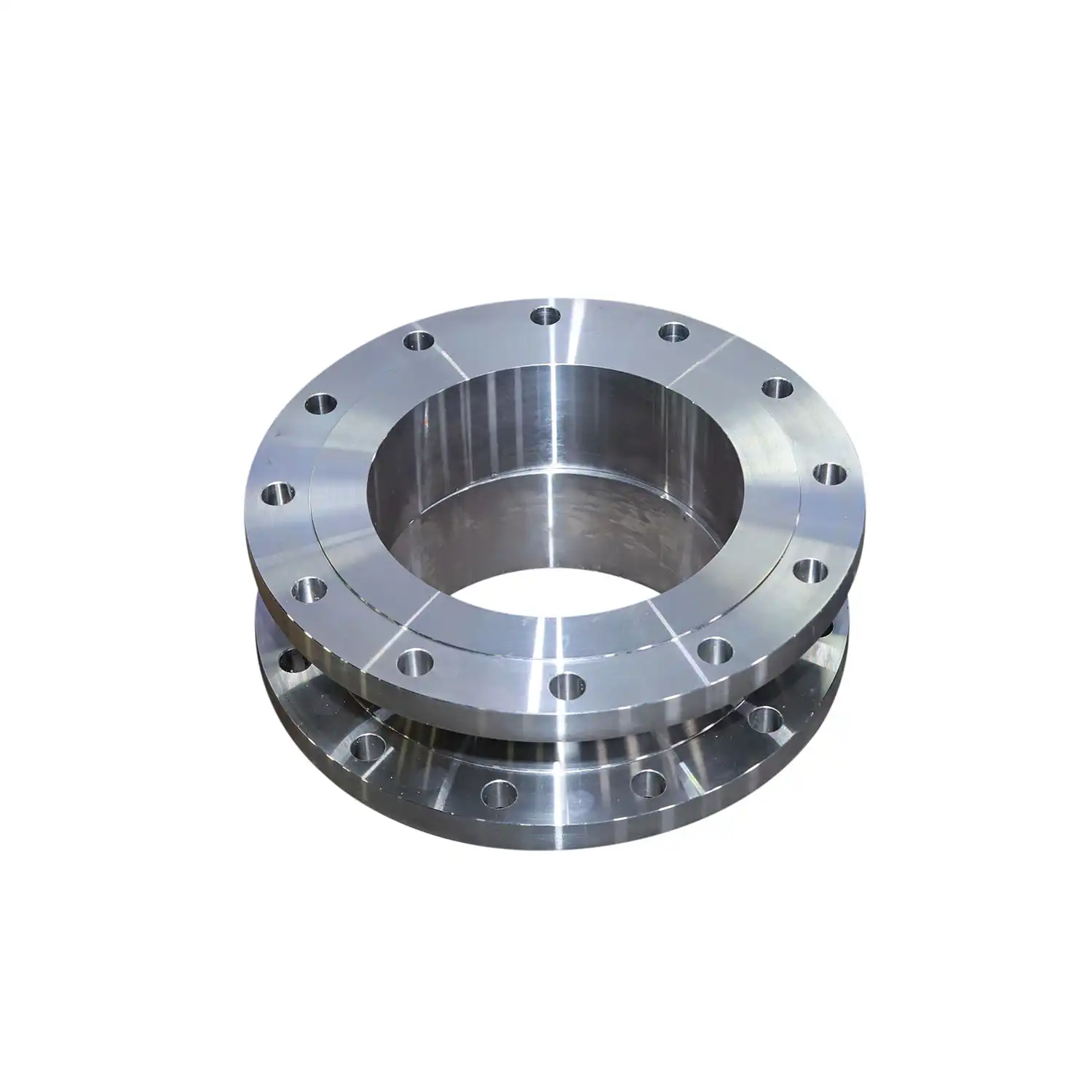
Understanding Slip On Flanges and Their Applications
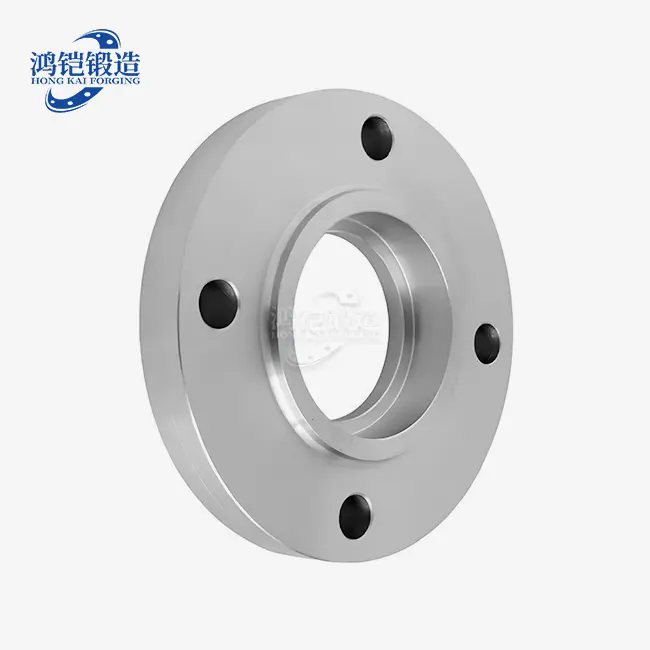
Slip-on flanges are adaptable for engineers and buyers of industrial pipe systems seeking dependable connections. These sections are fillet welded to pipes after sliding over them. This eliminates the need to cut pipe ends like weld neck flanges.
Design Characteristics and Installation Benefits
Slip On Flanges are intended to mate easier than other flanges during manufacture. The flange hole is slightly larger than the pipe's outer diameter, so it fits flawlessly. This design allows workers to make tiny pipe length modifications after installation, solving a typical alignment issue in complex pipe systems. Both the internal hub and outer pipe surface are welded to strengthen and prevent leaks during usage. These flanges are suitable for budget-conscious applications since they weigh less and cost less to build than weld neck flanges due to their smaller hub form.
Industrial Applications Across Sectors
When moderate pressure ratings and minimal cost are more essential than wear resistance, slip-on flanges function well. Utility systems at ordinary manufacturing facilities utilise these flanges for cooling water lines, compressed air networks, and low-pressure steam. They construct dependable distribution line connections for water treatment facilities with Class 150 to Class 300 pressure levels. These flanges are utilised on non-critical auxiliary lines in the chemical and oil industries where installation flexibility and restricted space are more essential than pressure. They are preferable for maritime and construction than weld neck choices because to their reduced installed length. This flange provides strong connections for ballast systems, tank venting, and bilge usage in vessel hulls when space optimisation is still necessary. They achieve this without compromising structure.
Material Types for Slip On Flanges: Steel, Stainless Steel & Alloy Explained
A flange's performance, durability, and cost of ownership depend on its material. The composition and function of each material allows purchasing teams to make selections that match project demands and working circumstances.
Carbon Steel: Cost-Effective Strength
ASTM A105 carbon steel flanges are inexpensive and have great mechanical strength. These materials perform well when conserving money is more essential than corrosion prevention. The material is easy to weld and machine, making installation and maintenance simpler. Carbon steel flanges can withstand -20°F to 650°F, making them suitable for most industrial applications. Cathodic or coating corrosion prevention may be required in tough or damp environments.
Stainless Steel: Superior Corrosion Resistance
ASTM A182-compliant Grades 304 and 316 stainless steel Slip On Flanges provide excellent rust prevention and cleanliness. Grade 304 stainless steel resists corrosion and chemicals due to its 18% chromium and 8% nickel content. Grade 316 stainless steel with molybdenum resists salt corrosion and pitting. Therefore, 316 grade is beneficial in coastal areas, food processing factories, and chlorinated compound chemical plants. When heated to high temperatures, the material remains strong and cleans easily for safe usage.
Alloy Steel: Enhanced Performance Characteristics
Chromium, molybdenum, and vanadium provide alloy steel flanges higher mechanical properties in difficult conditions. These materials operate well in high-temperature environments where carbon steel would rust or weaken. Typical alloy steels include ASTM A182 F11, F22, and F91. Each is built for certain temperatures and pressures. Improved metallurgy allows these flanges to remain structurally sound in petroleum, electricity, and other high-stress industries.
Comparison of Slip On Flange Materials: Key Performance Metrics
By comparing material qualities, procurement specialists may evaluate performance aspects and investment costs. Each material has advantages depending on the work and environment.
Corrosion Resistance Analysis
Carbon steel plates require environmental controls or coatings to prevent corrosion and chemical attack. Painting, galvanising, and cathodic protection systems increase installation costs but are cost-effective for many purposes. Certain stainless steels resist rust better than others. Grade 304 handles most chemical and atmospheric conditions, whereas Grade 316 handles chloride and seawater. When you consider how frequently you need to replace the material, the additional expense is generally worth it.
Pressure and Temperature Ratings
Slip On Flange pressure ratings depend on material qualities, temperature, and design criteria. ASME B16.5 recommends carbon steel flange ratings between 150 and 600. The ratings cover most industrial utility usage. Stainless steel flanges maintain pressure ratings at higher temperatures than carbon steel ones. The material is robust at high temperatures, making it suitable for steam systems and chemical processing equipment.
Dimensional Standards and Manufacturing Considerations
When produced to international standards, all materials have the same production and measurement restrictions. ASME B16.5 DN15–DN4000 flanges feature the same bolt designs, gasket surfaces, and hub forms regardless of material. Different materials machine differently, affecting cost and delivery time. Carbon steel may be machined using standard equipment, while stainless steel requires specific cutting tools and procedures for proper surface finishes. Heated alloy steels take longer to manufacture but have the finest practical properties.
How to Choose the Right Slip On Flange Material for Your Project
When choosing strategic materials, you need to look at a lot of things, like working conditions, performance needs, and cost factors. When making a good procurement choice, you should weigh the original investment against the total cost of ownership over the life of the system.
Environmental and Operating Condition Assessment
Extreme temperatures affect material selection. Carbon steel flanges are cheaper and superior for low-corrosion applications below 400°F. High temperatures or corrosive environments are solid reasons to spend extra for stainless steel or alloy steel since they last longer and need less maintenance. Chemical compatibility testing prevent costly material failures and safety incidents. To operate well, chloride exposure, pH, and chemical quantities must match the material's capacity. For critical usage, chemical compatibility tables and material testing support decisions. Choosing the right material is affected by things like pressure cycling and wear, especially in systems that start up and shut down a lot. Slip-on flanges work best in static or low-cycle situations, but the choice of material affects how long they last and how reliable they are in the long run.
Economic Analysis and Total Cost Evaluation
The initial cost of materials is only one part of the overall economic effect. The costs of system downtime, maintenance needs, and replacement times all have a big impact on the long-term economy of a project. Carbon steel flanges like Slip On Flange cost less upfront, but corrosive environments may necessitate frequent covering replacement. Although stainless steel flanges cost more initially, they don't need to be maintained and may be used longer between service visits, improving overall cost performance. Life cycle cost analysis, which includes the prices of materials, installation, upkeep, and replacement schedules, is the most true way to compare costs. Premium material purchases that lower lifetime ownership costs are often good for projects with long operating horizons.
Supplier Quality and Certification Requirements
Working with approved makers makes sure that the materials meet all the standards and requirements that apply. Material test certificates, dimensional inspection records, and ISO 9001 quality control systems all make sure that products are conformant and can be tracked. International standard compliance, such as meeting ASME, EN, DIN, and JIS requirements, makes it possible for projects to work together across borders and get governmental permission. Manufacturers with more than one license can work on projects in a variety of countries and meet a wide range of customer needs. Paperwork for quality assurance that includes chemical analysis, mechanical tests, and dimensional verification helps meet the needs of project paperwork and regulatory compliance. Complete control from the raw materials to the final check makes sure that everyone is responsible and helps with failure analysis if problems happen.
Trusted Slip On Flange Solutions for Your Supply Chain
Shanxi HongKai Forging has Slip On Flanges for several industries. These include carbon, stainless, and alloy steel. Our facility is in Dingxiang County, Shanxi Province's "Hometown of Forging". We can service worldwide markets swiftly and easily due to local resources and strong transportation.
Our manufacturing capabilities include forging, heat treatment, precision machining, and quality testing. This ensures quality from raw materials to transportation and reasonable pricing for bulk orders. To fulfil ASME B16.5, EN 1092-1, DIN, and GOST requirements, each flange is chemically and physically tested.
Slip-On Flange sizes from DN15 to DN4000 and pressure values from PN6 to PN160 may be custom made. Our engineers assist identify materials, verify they meet requirements, and advise on project use. Quality certifications and accurate papers allow worldwide building project purchases.
Because of their 30-year history, HongKai Forging is a reliable flange supplier for procurement personnel. Our well-established supply network serves America, Europe, and other regions via devoted customer service and skilled support teams.
Conclusion
Slip on flange material affects system performance, cost, and project success. Carbon steel is cheaper in regular manufacturing settings, whereas stainless steel resists corrosion better in extreme environments. High-temperature and high-pressure circumstances are when alloy steels' superior metalworking is worth the expense. When purchasing staff know these material features, they may make wise decisions to increase system performance and TCO. Working with professional manufacturers that maintain their quality certifications and provide full technical assistance is the best method to accomplish projects and conduct operations smoothly for years.
FAQ
1. What determines the material choice for a Slip On Flange in industrial applications?
Material selection depends on operating temperature, pressure requirements, chemical exposure, and economic considerations. Carbon steel suits general industrial use below 400°F with minimal corrosive exposure. Stainless steel grades 304 and 316 handle corrosive environments and higher temperatures. Alloy steel serves extreme conditions requiring enhanced mechanical properties.
2. How do pressure ratings differ between carbon steel and stainless steel flanges?
Both materials achieve similar pressure ratings under ASME B16.5 standards, typically Class 150 through Class 600. However, stainless steel maintains these ratings across wider temperature ranges due to superior high-temperature strength retention. Material choice should consider operating conditions rather than just pressure ratings.
3. What quality certifications should procurement teams require for flange materials?
Essential certifications include ISO 9001 quality management, material test certificates per ASTM standards, and compliance documentation for applicable international specifications (ASME, EN, DIN). Chemical analysis reports, mechanical test results, and dimensional inspection certificates ensure material traceability and performance verification.
Partner With HONG KAI FORGING for Premium Slip On Flange Solutions
HONG KAI FORGING stands ready to support your procurement requirements with certified Slip On Flange manufacturer capabilities spanning carbon steel, stainless steel, and alloy steel options. Our comprehensive quality assurance processes and international standard compliance ensure reliable performance for critical industrial applications. Contact kevin.zhao@hkflange.com today for detailed quotations, technical specifications, and delivery schedules tailored to your project requirements. Experience the advantages of partnering with a trusted slip on flange supplier committed to excellence in manufacturing and customer service.
References
1. American Society of Mechanical Engineers. "Pipe Flanges and Flanged Fittings: NPS 1/2 through NPS 24 Metric/Inch Standard." ASME B16.5-2020.
2. European Committee for Standardization. "Flanges and Their Joints - Circular Flanges for Pipes, Valves, Fittings and Accessories, PN Designated." EN 1092-1:2018.
3. Becht Engineering Company. "Flange Material Selection Guidelines for Process Industries." Industrial Piping Engineering Handbook, 2019.
4. Materials Technology Institute. "Corrosion Resistance of Stainless Steel Flanges in Chemical Processing Applications." MTI Publication No. 78, 2020.
5. Petroleum Equipment Institute. "Slip-On Flange Performance in Oil and Gas Applications: Material Comparison Study." PEI Technical Report 2021-04.
6. International Association of Pipeline Engineers. "Cost-Benefit Analysis of Flange Material Selection in Industrial Piping Systems." IAPE Technical Bulletin, Vol. 45, 2020.
Clear Communication, and Reliable Technical Support