- English
- French
- German
- Portuguese
- Spanish
- Russian
- Japanese
- Korean
- Arabic
- Greek
- German
- Turkish
- Italian
- Danish
- Romanian
- Indonesian
- Czech
- Afrikaans
- Swedish
- Polish
- Basque
- Catalan
- Esperanto
- Hindi
- Lao
- Albanian
- Amharic
- Armenian
- Azerbaijani
- Belarusian
- Bengali
- Bosnian
- Bulgarian
- Cebuano
- Chichewa
- Corsican
- Croatian
- Dutch
- Estonian
- Filipino
- Finnish
- Frisian
- Galician
- Georgian
- Gujarati
- Haitian
- Hausa
- Hawaiian
- Hebrew
- Hmong
- Hungarian
- Icelandic
- Igbo
- Javanese
- Kannada
- Kazakh
- Khmer
- Kurdish
- Kyrgyz
- Latin
- Latvian
- Lithuanian
- Luxembou..
- Macedonian
- Malagasy
- Malay
- Malayalam
- Maltese
- Maori
- Marathi
- Mongolian
- Burmese
- Nepali
- Norwegian
- Pashto
- Persian
- Punjabi
- Serbian
- Sesotho
- Sinhala
- Slovak
- Slovenian
- Somali
- Samoan
- Scots Gaelic
- Shona
- Sindhi
- Sundanese
- Swahili
- Tajik
- Tamil
- Telugu
- Thai
- Ukrainian
- Urdu
- Uzbek
- Vietnamese
- Welsh
- Xhosa
- Yiddish
- Yoruba
- Zulu
Slip On Flange Applications Across HVAC and Fire Systems
Slip On Flange connections are durable and cheap, making them vital for industrial HVAC and fire protection systems. The double-welded pipe flanges fit over pipe ends. Installation is easy and they retain structural integrity at medium to low pressure. Their use in corporate buildings, factories, and fire safety networks shows their adaptability in fluid distribution systems, where engineering teams still value alignment flexibility and cost.
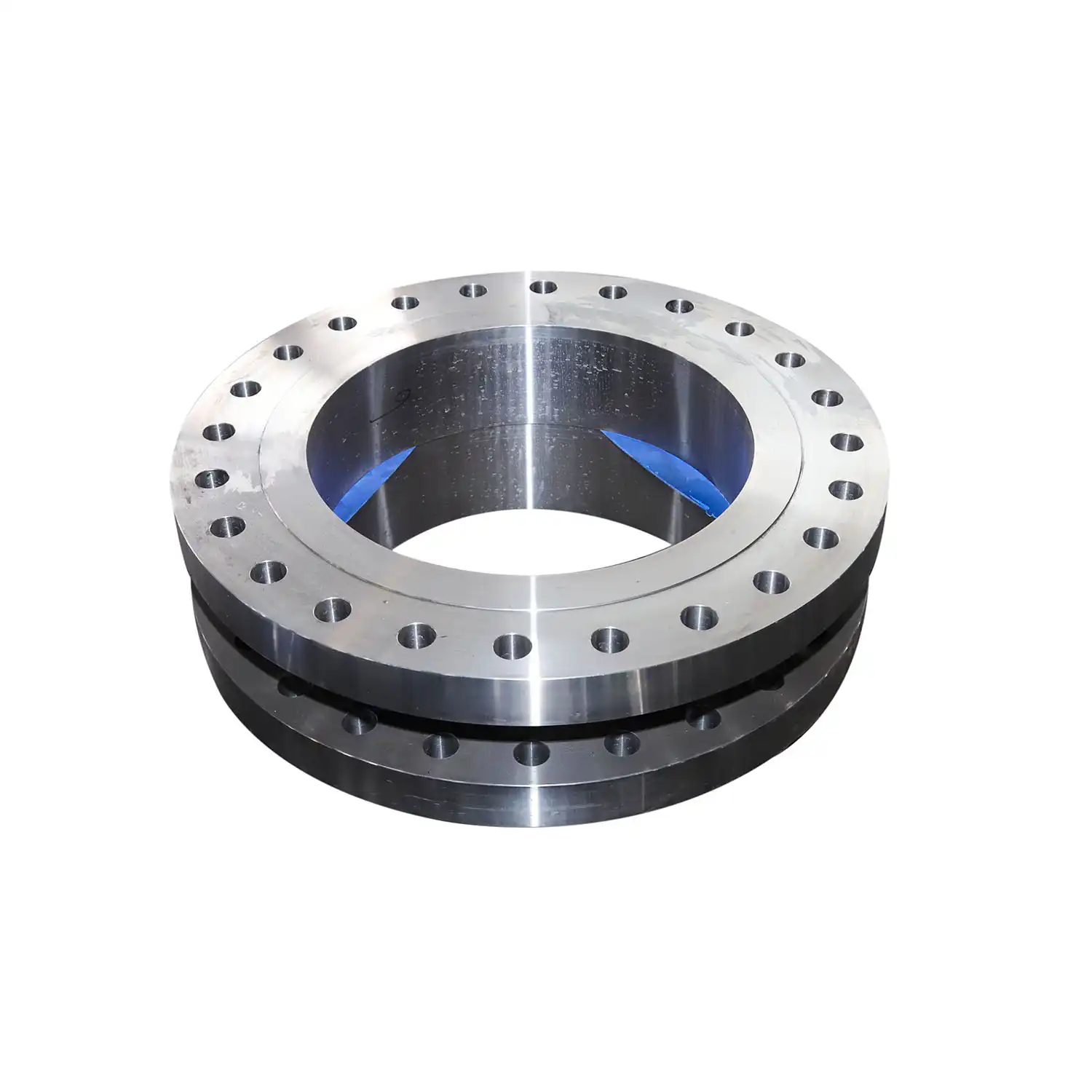
Understanding Slip On Flanges in HVAC and Fire Systems
Slip-on flanges cover pipe ends before welding. Pipes don't need to be curved like weld necks. This makes them perfect for HVAC applications where fast installation affects project schedules and labour costs. Flanges are fillet welded to pipes at the inner hub and outer pipe connection. This two-welded link can handle 150–600 PSI.
Material Selection and Standards Compliance
Proper materials impact HVAC and fire system performance. Carbon steel that meets ASTM A105 standards benefits high-temperature heating and steam networks. ASTM A182 F304/316 stainless steel resists corrosion better in humid industrial HVAC systems with chemical contact. Slip On Flange fulfils North American ANSI/ASME B16.5, European EN 1092-1, and Pacific Rim JIS B2220. Pressures range from PN6 to PN160, and diameters from DN15 to DN4000. This ensures components satisfy multiple system needs.
Design Benefits and Limitations
Slip-on connectors are good for non-critical work due to their medium strength. They're cheaper than stronger options. Their reduced hub shape makes them lighter and cheaper to construct, making them perfect for big HVAC systems looking to save money. However, their low wear strength prohibits them from being used in shaking or pressure-changing systems. Fillet welds concentrate strain, making difficult fire suppression lines problematic. These restrictions must be addressed during system design to determine the right base.
Comparing Slip On Flanges with Other Flange Types for HVAC and Fire Systems
Comparing flange types' performance shows HVAC and fire protection pros and cons. Business- and budget-friendly decisions may be made by procurement managers who understand these similarities.
Pressure Rating and Installation Complexity Analysis
Slip-On Flange connections suit Class 150–300 applications. Weld neck flanges can withstand Class 2500 pressure. HVAC distribution systems, cold water networks, and low-pressure fire suppression lines with low pressures benefit from slip-on variations. Flange types differ in installation challenges. Slippers need two fillet welds but no beveling, reducing preparation time. Installing socket weld fittings is simple and fits smaller pipes. Although threaded connections are easier to install, heating systems regularly change temperatures, weakening them.
Cost-Benefit Considerations
Slip On Flanges are cheaper to make than weld neck options because to their thinner material and simpler fabrication. The lower hub type is stronger and uses less raw material for medium-pressure use. The cost benefit is essential for big HVAC systems with multiple flange connections. Labour costs complicate. Slip-on flanges need two welding processes but don't need bevelling, therefore fitting costs are neutral or positive. Slip-on alignment options are useful for confined places and limited access. This might lower repair expenses.
Durability and Service Life Assessment
Long-term success requires usage and upkeep. Slip-on flanges endure steady-pressure, low-vibration situations. Two-weld construction makes them safer than single-welded ones. Prevention of corrosion depends more on material than joint type. Stainless steel slip-on flanges last as long as others with proper installation and maintenance. Carbon steels need coatings or cathodic protection in severe conditions.
Installation and Maintenance of Slip On Flanges in HVAC and Fire Safety Systems
Proper installation influences system dependability and longevity. The manufacture of slip-on flanges requires particular welding and quality control instructions.
Step-by-Step Installation Guidelines
Before installation, pipe ends are cut and cleaned for straightness and cleanliness. When the flange slides over the pipe end, it separates it by 1/16 to 1/8 inch. This shields the gasket during welding. Ordering welding processes carefully avoids distortion and assures full entrance. Outward fillet weld follows inner hub backing weld. Controlling heat flow and electrode selection prevents metallurgical difficulties that weaken joints. Weld quality is next checked by magnetic particle or dye penetrant analysis. Slip On Flange welding requires lip and bolt hole alignment inspections. Sometimes temporary limitations are needed during welding, especially on bigger diameters with high thermal distortion pressures.
Maintenance Protocols and Inspection Routines
Regularly examine welds, gaskets, and bolt holes. Monitor corrosion in wet HVAC or fire systems where water pools. Annual exams are enough in safe jobs. Corrosive conditions may need more frequent inspections. Preventive maintenance includes gasket replacement, pin strength testing, and surface protection. Slip-on flanges are redundant owing to their two-weld structure, however rust may occur on weld surfaces. Service life may be extended with proper coatings and drainage. Fixing common faults entails detecting leaks, corrosion, or mechanical distortion. Gasket failure, the most common repair, is caused by system vibration or bad fittings. Weld deterioration often implies incorrect beginning practices or extreme service conditions.
Procurement and Sourcing Strategies for Slip On Flanges
Effective procurement plans need rigorous evaluation of each provider's knowledge, quality methods, and delivery performance. The worldwide manufacturing of flanges offers HVAC and fire system purchasers possibilities and problems.
Supplier Evaluation Criteria
Quality certificates evaluate sellers. ISO 9001 and ISO 14001 certifications show quality and environmental responsibility. Industry certifications like API 6A or NACE may help. Measurement inspection and material test certificates verify product compliance. Manufacturing skills affect delivery dependability and price. In integrated forging, heat treating, machining, and testing facilities, quality and lead times improve. Evaluation of manufacturing capacities assures providers can grow projects without sacrificing quality or time. Shipping prices, delivery timeframes, and communication depend on location. Slip On Flange providers may be cheaper globally, but local vendors may respond quicker and simplify shipping. These tactics are usually used in balanced sourcing.
Pricing Analysis and Volume Considerations
Prices vary widely by seller and order size. Setup and minimum order requirements increase small batch sales costs. Bulk agreements may save money when project needs remain constant. Material surcharges make stainless steel standards pricey. Knowing markets and preparing purchases may save you a lot. Budgeting is easier and specification changes are possible with long-term price agreements. Supplier cooperation and specification improvement may lead to value engineering. Different materials and sizes may save costs without sacrificing performance. Technically competent suppliers may spot these possibilities throughout proposal development.
Future Trends and Innovations in Slip On Flanges for HVAC and Fire Systems
Technology changes flange form and production. Computerised tracking systems, material science developments, and changing laws affect HVAC and fire safety device manufacture and use.
Advanced Material Technologies
Development of corrosion-resistant alloys increases harsh environment use. Nickel-based metals and super-duplex stainless steels last longer in harsh conditions. These materials may be worth the additional money since they last longer and need less upkeep. Rust resistance improves with coating technology. High-performance polymeric coatings and fusion-bonded epoxy solutions cost less and retain barriers better than metal additions. These treatments help somewhat corrosive carbon steel flanges. Additive manufacturing enables complicated shapes and quick prototypes. If technology advances, bespoke solutions and less inventory may be possible.
Smart Monitoring Integration
Internet-of-Things lets you monitor flange and system functioning live. Flange sensors measure pressure, temperature, and leakage. This feature schedules repairs to reduce downtime. Slip On Flange concerns are analysed using data analytics techniques. As machine learning algorithms improve prediction, you can schedule repairs and monitor objects. The technique benefits large facility operators with multiple pipes. Infrastructure tracking and building management systems can monitor the whole building. Continuous condition monitoring maintains systems ready and energy-efficient. This aids fire prevention and HVAC optimisation.
Regulatory and Standards Evolution
Energy efficiency and environmental preservation are emphasised in building regulations. These factors affect HVAC material and installation. Fire safety standards adapt to emerging dangers and building technologies. This impacts flange performance and standards. International cooperation simplifies worldwide tasks. Standardisation may simplify specification and expand supplier possibilities. Traditions and regional preferences delay universal standards adoption. Sustainability favours recyclable resources and green manufacturing. Life cycle assessment helps eco-conscious companies choose products by examining implications.
Conclusion
Slip On Flanges are cost-effective for medium-pressure, non-critical HVAC and fire system applications. Their easy installation and adjustable materials make them excellent for a variety of workplaces where conserving money and time during installation are still important. Although pressure and fatigue constraints limit their employment in high-stress conditions, they have proven effective in utility systems, fire protection networks, and general HVAC purposes, making them valuable pieces of contemporary building infrastructure. When choosing these flanges for a project, procurement teams should consider their savings and performance.
FAQ
1. What pressure ratings are suitable for slip on flanges in HVAC applications?
In HVAC systems, standard slip-on flanges can handle pressure levels from Class 150 to Class 600 well. Slip-on flanges are a good choice for most industrial heating, ventilation, and air conditioning uses that work well within the Class 150 to Class 300 ranges.
2. Can slip on flanges withstand high-temperature fire suppression systems?
The temperature range is determined by the material choice, not the type of joint. Slip-on flanges made of carbon steel can handle temperatures up to 800°F, while those made of stainless steel can handle higher temps. Slip-on flanges can be used in most situations because fire control devices usually work within these temperature ranges.
3. How do maintenance requirements differ between slip on and weld neck flanges?
The maintenance needs for each type of flange are the same: change the gasket, check the bolt torque, and keep an eye out for rust. For slip-on flanges, you need to keep an eye on both the internal and external weld areas. For weld neck flanges, you only need to keep an eye on the single butt weld joints.
Partner with HONG KAI FORGING for Reliable Slip On Flange Solutions
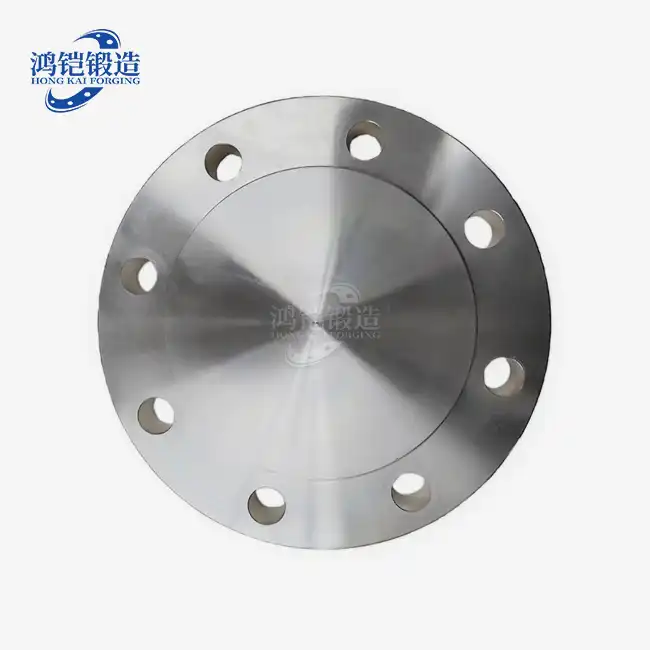
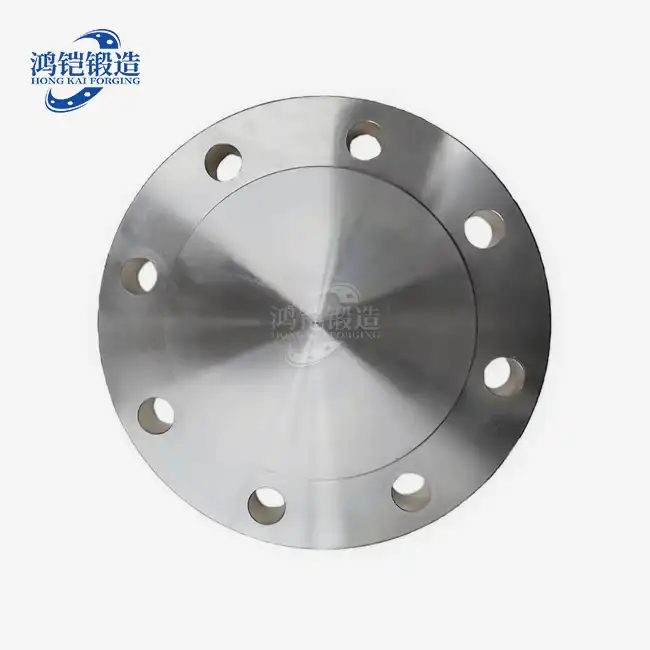
HONG KAI FORGING delivers premium Slip On Flange products specifically engineered for demanding HVAC and fire protection applications. Our comprehensive manufacturing capabilities, spanning forging through final inspection, ensure consistent quality and competitive pricing for your critical infrastructure projects. With certifications meeting ASME B16.5, EN 1092-1, and international standards, plus proven delivery performance to Europe and the Americas, we provide the reliability your procurement team requires. Contact kevin.zhao@hkflange.com today to discuss bulk pricing, customization options, and how our slip on flange supplier expertise can support your next project's success.
References
1. American Society of Mechanical Engineers. "Pipe Flanges and Flanged Fittings: NPS 1/2 through NPS 24 Metric/Inch Standard." ASME B16.5-2020.
2. European Committee for Standardization. "Flanges and their joints - Circular flanges for pipes, valves, fittings and accessories, PN designated." EN 1092-1:2018.
3. National Fire Protection Association. "Installation of Sprinkler Systems." NFPA 13: Standard for the Installation of Sprinkler Systems, 2022 Edition.
4. American Society of Heating, Refrigerating and Air-Conditioning Engineers. "HVAC Systems and Equipment Handbook." ASHRAE Handbook Fundamentals, 2021.
5. Deutsches Institut für Normung. "Flanges for pipes, valves, fittings and accessories with PN designation." DIN EN 1092-1:2018-12.
6. Japanese Industrial Standards Committee. "Steel pipe flanges." JIS B 2220:2004, Steel pipe flanges for general use.
Clear Communication, and Reliable Technical Support
_1788493431992.webp)
_1788490886865.webp)