- English
- French
- German
- Portuguese
- Spanish
- Russian
- Japanese
- Korean
- Arabic
- Greek
- German
- Turkish
- Italian
- Danish
- Romanian
- Indonesian
- Czech
- Afrikaans
- Swedish
- Polish
- Basque
- Catalan
- Esperanto
- Hindi
- Lao
- Albanian
- Amharic
- Armenian
- Azerbaijani
- Belarusian
- Bengali
- Bosnian
- Bulgarian
- Cebuano
- Chichewa
- Corsican
- Croatian
- Dutch
- Estonian
- Filipino
- Finnish
- Frisian
- Galician
- Georgian
- Gujarati
- Haitian
- Hausa
- Hawaiian
- Hebrew
- Hmong
- Hungarian
- Icelandic
- Igbo
- Javanese
- Kannada
- Kazakh
- Khmer
- Kurdish
- Kyrgyz
- Latin
- Latvian
- Lithuanian
- Luxembou..
- Macedonian
- Malagasy
- Malay
- Malayalam
- Maltese
- Maori
- Marathi
- Mongolian
- Burmese
- Nepali
- Norwegian
- Pashto
- Persian
- Punjabi
- Serbian
- Sesotho
- Sinhala
- Slovak
- Slovenian
- Somali
- Samoan
- Scots Gaelic
- Shona
- Sindhi
- Sundanese
- Swahili
- Tajik
- Tamil
- Telugu
- Thai
- Ukrainian
- Urdu
- Uzbek
- Vietnamese
- Welsh
- Xhosa
- Yiddish
- Yoruba
- Zulu
Slip On Flange Benefits Explained for Industrial Piping Systems
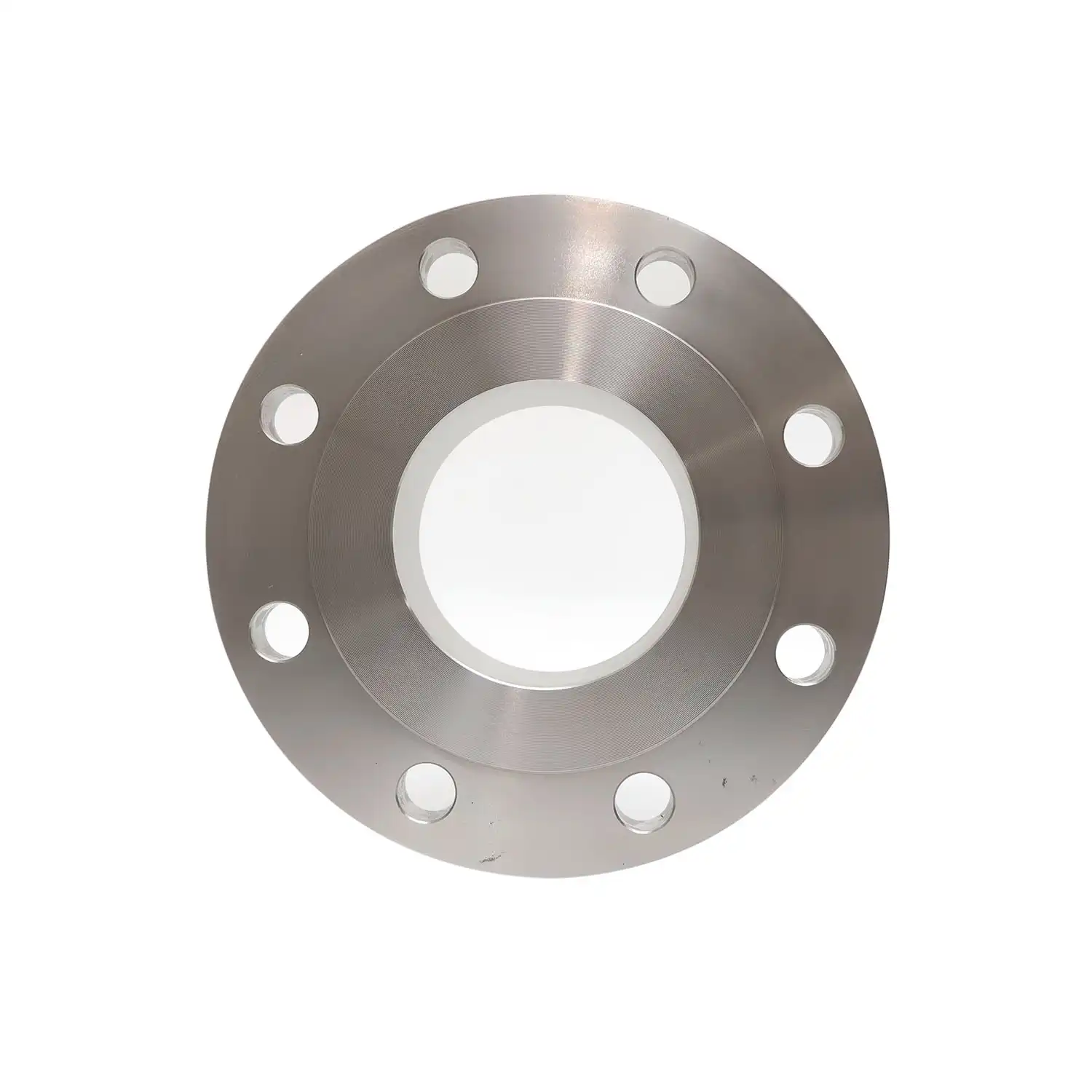
When choosing piping parts for industrial projects, knowing the real benefits of each flange type can have a big effect on how much the system costs to build and how reliable it is. The Slip On Flange is great for medium-low pressure uses because it is both inexpensive and easy to install. This flange fits over the pipe end and is welded on both sides, making a strong link without the need for pipe ends to be cut. Its design lets for small changes to be made during fabrication, which solves common alignment problems that procurement managers and project engineers face in water treatment, HVAC, and general industrial pipe plans that are very complicated.
Understanding Slip On Flanges: Design, Materials, and Standards
What Makes the Design Unique?
The basic idea behind this type of Slip On Flange is to slide the part over the pipe and then secure it with fillet welds on both the inside and outside. Weld neck alternatives need precise beveling, but this method can handle small differences in size. For uses where wear resistance is not the most important thing, the lower hub shape cuts down on material weight while keeping the structure strong. This design theory came about because of problems that come up during fabrication in the real world, where changes need to be made on the spot and exact pipe lengths are hard to achieve.
Material Selection for Diverse Environments
There are three main types of materials used to make these flanges, and each one is best for a certain set of operating conditions. Carbon steel choices, such as ASTM A105, work very well in high-temperature applications that are popular in heating systems and utility lines in general. Some types of stainless steel, like ASTM A182 F304 and F316, are better at resisting rust in chemical processing and naval settings where they are constantly exposed to corrosive substances. Different types of alloy steel fill in the gaps for specific uses that need better mechanical qualities. Choosing the right materials has a direct effect on how long they last, and when sourcing teams choose materials for their projects, they have to think about things like temperature ranges, fluid chemistry, and exposure to rust from the outside.
Compliance with International Standards
Following well-known standards makes sure that products can work with each other in global supply chains and that regulations are followed. These parts are in line with ASME B16.5 for NPS ½" through 24" in Class 150 to 600 grades, which is enough for most industrial plumbing needs in North America. The EN 1092-1 standard covers sizes from DN10 to DN2000 and pressure levels from PN6 to PN100, which is good for European projects. Extra standards, like JIS B2220 for Japanese needs and GOST for Russian markets, make sure that a single seller can work on projects in multiple countries. Sizes from DN15 to DN5000 and pressure values from PN6 to PN160 make them useful for projects that need to meet a range of requirements. This full compliance with standards gets rid of problems with buying and cuts down on lead times for purchase.
Slip On Flange vs Other Flange Types: Making the Right Choice
Installation Method Differences
When project managers compare different fitting methods, they can see why they choose certain types of flanges for different situations. Weld neck flanges need pipe ends to be cut and to be perfectly lined up. This makes them perfect for high-stress, high-pressure situations, but it also makes work more expensive. Threaded flanges can be used instead of welding, but they can only be used in smaller sizes and at lower pressures. Blind flanges are used for something totally different: they close off the ends of pipes. In real life, the Slip On Flange design works best when there are modest forces and installation speed is important. The ease of assembly is appreciated by field workers, which speeds up the project's finish.
Cost-Benefit Analysis
Budget concerns go beyond the initial buy price and include the cost of workers for installation, any necessary repairs, and ongoing upkeep. Weld neck choices have better wear strength, but they take longer to install and need skilled welders to make sure they fit right. The Slip On Flange option cuts fabrication hours by about 30% in most installs, which has a direct effect on project costs. Being able to fine-tune pipe lengths after placement keeps expensive recutting of pipes from being needed when measurements are off by a small amount. This adaptability comes in handy when installing something new is hard because of the way the system is already set up.
Application-Specific Selection Criteria
More than anything else, pressure levels and working conditions determine which flange to use. Slip On Flange designs are a good choice for cooling water systems that work below 300 psi in Class 150 or Class 300 grades because they save money. When placing a lot of pipes in a small area, fire protection networks benefit from the quick alignment features. On the other hand, weld neck flanges are needed for steam lines above 600 psi or for uses with a lot of shaking, even though they are more expensive. By knowing these differences, you can avoid over-specification, which loses money, and under-specification, which puts safety at risk.
Advantages of Slip On Flanges in Industrial Piping Systems
Industrial sites in the building, petrochemical, and industrial sectors depend on parts that balance performance with cost-effectiveness. These flanges are still popular choices for certain uses because of the following features.
1. Reduced Installation Time: Fabrication teams finish installs faster because the design doesn't need any beveling and makes alignment easier. Welders can make the link stronger with two fillet welds instead of one complicated groove weld because the pipe moves into place. Projects with hundreds of links get a lot more done in less time, which is important when plant downtime costs a lot.
2. Tolerance for Alignment Variations: In real life, pipe systems don't always match up perfectly with horizontal models. Misalignments happen because of structural changes, base shifting, and manufacturing tolerances, which makes installing rigid flanges harder. These differences can be handled by the Slip On Flange design, which lets the spin be adjusted before welding. This built-in freedom cuts down on field rework and the stress that comes with trying to match parts that don't work together.
3. Cost Efficiency Across Project Lifecycle: The lighter weight of the material compared to weld neck options directly lowers shipping costs, especially for large diameter sizes or foreign orders. Less time spent on cutting is good for fabrication shops, and end users like it because it's easier to handle during upkeep. With hundreds of connections in a normal industrial building, these saves add up to a lot of money.
4. Versatile Pressure and Size Range: Available in pressures from PN6 to PN160 and sizes from DN15 to DN4000, this product can be used in a wide range of situations. In water treatment plants, smaller diameters are used for instrument hookups and bigger diameters are used for main distribution lines. Because of this, procurement teams can combine sources instead of having to manage a lot of different ones for different needs.
Procurement Guide: Buying Slip On Flanges for Industrial Projects
Evaluating Supplier Capabilities
When looking for a trusted provider, you need to look at more than just the price. From the forging step to the final check, manufacturing unification shows that quality control is done at every stage of production. Suppliers who have their own facilities with heat treatment, machining, and testing equipment get more uniform results than dealers who buy from a lot of different suppliers. Shanxi Hongkai Forging is a good example of this combined method because it has complete production facilities such as forging workshops, machining centers, and quality testing labs. Their position in Dingxiang County, which is known as a forging hub with lots of resources and well-established supply lines, helps them stick to their output schedules.
Certification and Quality Verification
Industrial projects need providers to provide test results, records of dimensional inspections, and compliance certificates as part of their documentation. Reputable makers keep their certifications up to date for a number of international standards, which shows that they can serve customers around the world. Facilities for physical and chemical testing use spectroscopic analysis, mechanical property testing, and non-destructive examination to make sure that parts meet standards before they are shipped. During supplier qualification, people who work in procurement should ask for sample records and details on site audits.
Optimizing Bulk Purchase Strategies
Consolidated buying is helpful for big projects because it lowers the cost per unit and makes handling easier. When suppliers offer a range of sizes and pressure levels, buying teams can get all the pipes they need from a single source. Customization services that include non-standard sizes, special grades of materials, or combined sealing packages make turnkey solutions that make installation easier. Making a commitment to buy in bulk can get you better prices and let you keep your inventory flexible by delivering parts at different times to fit building plans.
Maintenance and Longevity: Ensuring Long-Term Performance of Slip On Flanges
Inspection Protocols for Extended Service Life
Small problems can't turn into system failures if they are checked regularly in Slip On Flange applications. During planned repair breaks, visual checks should be done, paying special attention to the state of the gaskets, the integrity of the welds, and any surface corrosion. External layers may break down before internal parts, which can be a good sign of problems caused by external exposure. Ultrasonic testing can check the thickness of walls in acidic services and find erosion patterns before leaks happen. Setting inspection times based on the seriousness of the service makes sure that the right tracking is done without spending too much on maintenance.
Corrosion Prevention Strategies
In harsh settings, protective steps make parts last longer. Depending on the conditions of contact, coating methods like epoxy, polyurethane, or galvanizing can help carbon steel flanges. Some types of stainless steel can't be damaged by many acidic chemicals, but in some places they can be damaged by chloride stress corrosion. In underground or submerged uses, cathodic protection devices keep electrochemical breakdown from happening. When choosing materials for the first time, you should think about how they will react to corrosion in the working area.
Addressing Common Operational Problems
Leaks usually start when a seal fails, a bolt loosens, or the flange face gets damaged. By following the right torque methods during installation, you can avoid both under-tightening, which can cause leaks, and over-tightening, which can damage seals. When the temperature changes, the stress in the bolts relaxes, so they need to be re-torqued during the first few hours of use. If you accidentally damage the sides of a flange, you should either machine them or replace them instead of trying to fix them. Keeping specific records of maintenance helps find links that aren't working right and need to be inspected more often or replaced before they break.
Conclusion
The usefulness of Slip On Flange designs in medium-low pressure industrial pipe systems comes from decades of technical progress that has been made to deal with problems that come up during installation. They are a good choice for water supply, HVAC, fire protection, and general industry because they are cost-effective, easy to install, and can handle slight alignment issues. Global compatibility is ensured by meeting international standards like ASME B16.5, EN 1092-1, and JIS B2220. Different types of materials, such as carbon steel, stainless steel, and alloy steel, are used in different work settings. Choosing the right source by looking at their combined manufacturing skills and quality certifications is the best way to make sure that parts work reliably throughout the lifecycle of a project.
FAQ
1. How does a Slip On Flange differ from a weld neck flange?
The main difference is in how they are installed and how strong they are under stress. Weld neck flanges have a long, tapered hub that is soldered to a beveled pipe end. This gives them better wear protection for high-pressure or high-cycle uses. The Slip On Flange type fits over the pipe and has two fillet welds, which makes fitting easier but gives it about one-third the stress strength. Because of this, weld neck choices are better for steam lines and other important services, while Slip On Flange designs are better for utility systems and lower-pressure uses.
2. Are these flanges suitable for high-pressure environments?
They work well enough in Class 150 and Class 300 situations to handle most utility and general industry tasks. For steady loads, there are higher pressure values up to Class 600. However, weld neck options are usually chosen when pressure goes over 600 psi or when there is a lot of temperature cycling. Based on the real working conditions, application-specific engineering review checks for suitability.
3. How can I verify supplier reliability and product quality?
Ask for test results on the materials, certificates of measurement inspection, and copies of the quality management system's certifications. Suppliers with a good reputation show proof that they follow the rules and can be tracked back to the raw materials they use. Referrals from current clients in related fields can help you figure out how reliable shipping and consistent products are.
Partner with HONG KAI FORGING for Reliable Slip On Flange Supply
To find industrial piping parts, you need a source with both production know-how and quick customer service. In Shanxi Province, HONG KAI FORGING has a wide range of production facilities. They make Slip On Flange products from DN15 to DN4000 and can withstand pressures from PN6 to PN160. Forging, heat treatment, precision machining, and strict quality testing are all part of our combined powers. This makes sure that our products always work well in tough industrial settings. Meeting the guidelines set by ASME, EN, DIN, JIS, and GOST helps meet the needs of foreign projects in North America and Europe. We offer reasonable prices, on-time deliveries, and expert help throughout the lifecycles of projects for procurement managers and project engineers in the energy, petrochemical, water treatment, and heavy industrial industries. Email our team at kevin.zhao@hkflange.com to talk about your unique needs and get detailed quotes for your future projects.
References
1. American Society of Mechanical Engineers. (2020). ASME B16.5: Pipe Flanges and Flanged Fittings NPS 1/2 Through NPS 24 Metric/Inch Standard. New York: ASME Press.
2. European Committee for Standardization. (2018). EN 1092-1: Flanges and Their Joints - Circular Flanges for Pipes, Valves, Fittings and Accessories. Brussels: CEN Publications.
3. Becht, C. (2017). Process Piping: The Complete Guide to ASME B31.3 (4th ed.). New York: ASME Press.
4. Parisher, R. A., & Rhea, R. A. (2021). Pipe Drafting and Design (4th ed.). Cambridge: Gulf Professional Publishing.
5. Nayyar, M. L. (2019). Piping Handbook (8th ed.). New York: McGraw-Hill Education.
6. Singh, A. K. (2018). Piping and Pipeline Engineering: Design, Construction, Maintenance, Integrity, and Repair. Boca Raton: CRC Press.
Clear Communication, and Reliable Technical Support