- English
- French
- German
- Portuguese
- Spanish
- Russian
- Japanese
- Korean
- Arabic
- Greek
- German
- Turkish
- Italian
- Danish
- Romanian
- Indonesian
- Czech
- Afrikaans
- Swedish
- Polish
- Basque
- Catalan
- Esperanto
- Hindi
- Lao
- Albanian
- Amharic
- Armenian
- Azerbaijani
- Belarusian
- Bengali
- Bosnian
- Bulgarian
- Cebuano
- Chichewa
- Corsican
- Croatian
- Dutch
- Estonian
- Filipino
- Finnish
- Frisian
- Galician
- Georgian
- Gujarati
- Haitian
- Hausa
- Hawaiian
- Hebrew
- Hmong
- Hungarian
- Icelandic
- Igbo
- Javanese
- Kannada
- Kazakh
- Khmer
- Kurdish
- Kyrgyz
- Latin
- Latvian
- Lithuanian
- Luxembou..
- Macedonian
- Malagasy
- Malay
- Malayalam
- Maltese
- Maori
- Marathi
- Mongolian
- Burmese
- Nepali
- Norwegian
- Pashto
- Persian
- Punjabi
- Serbian
- Sesotho
- Sinhala
- Slovak
- Slovenian
- Somali
- Samoan
- Scots Gaelic
- Shona
- Sindhi
- Sundanese
- Swahili
- Tajik
- Tamil
- Telugu
- Thai
- Ukrainian
- Urdu
- Uzbek
- Vietnamese
- Welsh
- Xhosa
- Yiddish
- Yoruba
- Zulu
Slip On Flange Features That Boost Pipeline Reliability
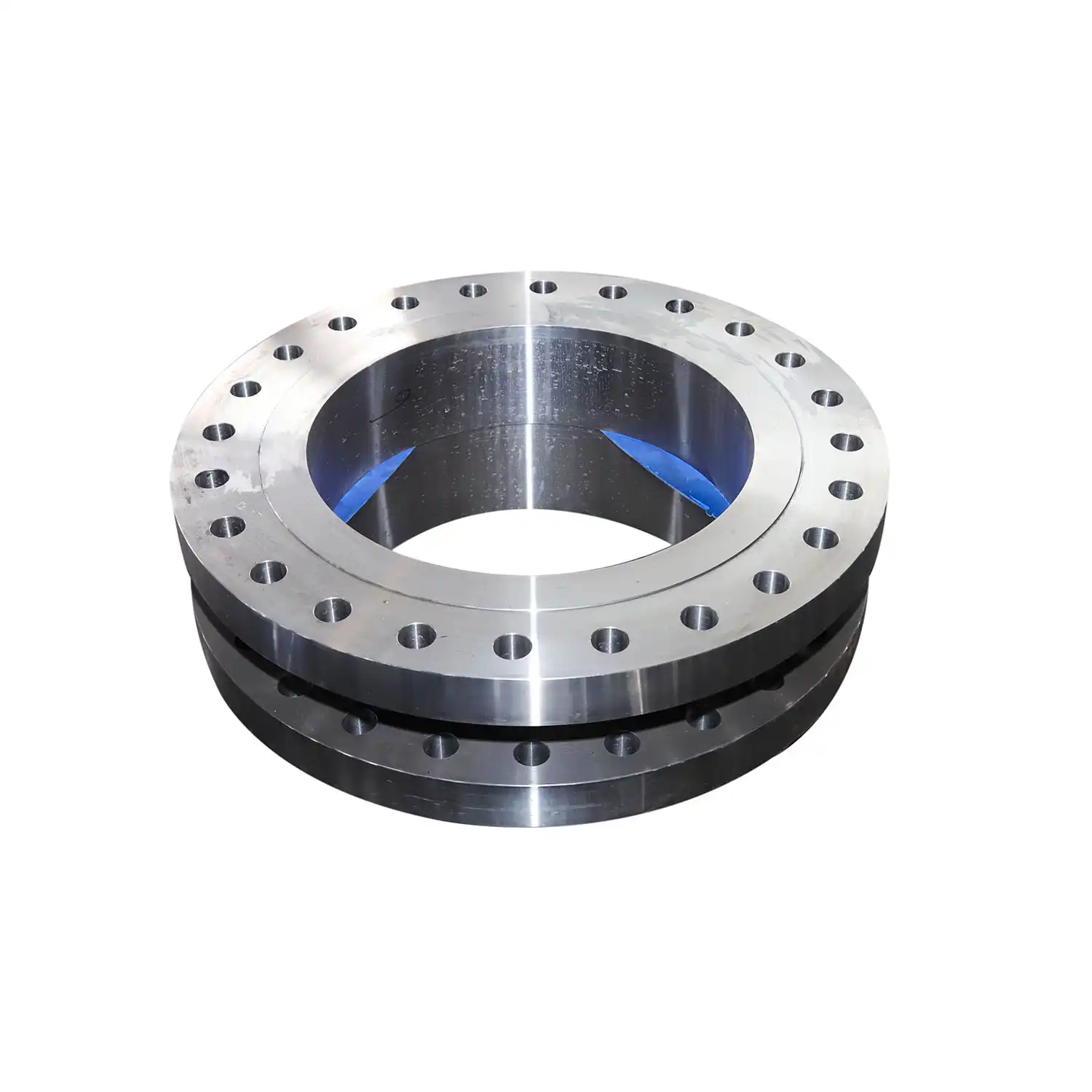
Slip-on flange components represent a cornerstone of modern pipeline reliability, delivering cost-effective solutions that enhance operational efficiency across industrial applications. These engineered fittings slide over pipe ends and utilize dual-welded connections to provide moderate strength suitable for medium-low pressure services. Their standardized design compliance with ANSI/ASME B16.5, DIN, and EN 1092-1 specifications ensures dimensional compatibility while offering flexible installation options that reduce fabrication complexity and project timelines.
Understanding Slip On Flanges: Design, Materials, and Functionality
For industrial piping systems to work, they need solid connection methods that strike a balance between performance and ease of installation. Slip-on flanges play this important role because they are designed in a way that makes them easy to put together without sacrificing structural integrity.
Engineering Design Principles
The basic design of slip-on flanges is based on their ability to slide over the ends of pipes before welding starts. Unlike weld neck options that need beveled pipe preparations, these parts can work with normal pipe cuts and stay perfectly aligned during construction. The flange hole diameter is usually bigger than the pipe's outer diameter by about 0.125 inches. This gives enough room for placement and welding on the inside. This design method solves common alignment problems that come up in complicated pipe systems where it's hard to keep accurate readings. Fabricators can make small changes to pipe lengths after placing them, which avoids the need for expensive repair that often happens with rigid connection methods.
Material Selection and Performance Characteristics
The long-term dependability and service life of pipeline links are directly affected by the materials that make them up. Carbon steel grades that meet ASTM A105 standards work well in high-temperature situations up to 850°F, while stainless steel grades that meet ASTM A182 F304/316 standards are better at resisting rust in harsh chemical conditions. To make sure they meet international pressure vessel rules, these materials' metallurgical qualities are put through a lot of tests. Different grades of material have different mechanical properties that decide the right temperature and pressure ranges. In general industry settings where cost is more important than corrosion, carbon steel options are used. Stainless steel options, on the other hand, are necessary in food preparation, pharmaceutical, and marine settings.
Standard Compliance and Dimensional Accuracy
Slip-on flanges' size ranges and pressure values are controlled by international standards to make sure they work with everything. Pressure ratings for Classes 150 to 2500 are set by ASME B16.5 standards. Pressure ratings for PN6 to PN100 are set by EN 1092-1 standards. The Japanese Industrial Standards (JIS B2220) give more details for Asian markets, with classes for 10K to 40K pressures. These standard measurements make it possible for makers to use the same parts and keep performance standards the same. Precision cutting makes it possible to keep the bore width within ±0.1mm, which makes sure that the seal seats properly and that the connections don't leak for the lifetime of the flange.
Key Features of Slip On Flanges That Enhance Pipeline Reliability
The dependability of a pipeline rests on the features of its parts that reduce the need for maintenance while increasing operating efficiency. There are a number of engineering benefits to slip-on flange designs that make the system work better.
Cost-Effectiveness and Economic Benefits
When you look at how much it costs to add different types of connections, you can see that slip-on flanges are more cost-effective. Because less material is used in the hub area, material costs for weld neck flanges are usually 20–30% lower. For less money, this lighter shape means less shipping costs and easier handling during installation. Another important cost point where slip-on systems do well is how well they use labor. These flanges can be put in place by installation teams without the need for special beveling tools or complicated pipe preparation steps. Standard fillet welding techniques are used instead of specialized butt welding techniques for the simple welding process. This cuts down on both the skill level needed and the time it takes to install.
Installation Flexibility and Alignment Advantages
Alignment problems are common with complex pipe systems, which can make installation more difficult and extend project timelines. Slip-on flanges solve these problems because they are designed in a way that allows for small changes in size without needing a lot of changes in the field. Being able to fine-tune pipe placing after the initial placement gets rid of a lot of common manufacturing problems. Installers can move the flange along the pipe to find the best spacing while keeping the sealing surface in the right place. This feature of being able to change is especially useful for retrofitting jobs where the current pipe layouts make it hard to work.
Pressure Rating Classifications and System Matching
The right choice of pressure grade guarantees long-term dependability while avoiding over-specification, which raises costs for no reason. The following pressure classes can help you figure out how to match your system to the right pressure:
- Class 150 (PN16): It can be used for low-pressure water systems, HVAC systems, and general utility services that work below 285 PSI at room temperature.
- Class 300 (PN40): This type of pipe can handle mild pressures up to 740 PSI. It can be used in low-pressure steam systems, chemical processes, and compressed air systems.
- Class 600 (PN100): Made for using higher pressures in oil and gas, high-pressure steam systems, and industrial processes up to 1480 PSI.
These pressure ratings are put through a lot of thorough hydrostatic testing to make sure they can work in certain circumstances. When choosing materials and figuring out wall thickness, it's important to make sure that there are enough safety gaps while keeping designs as cheap as possible.
How to Choose the Right Slip On Flange for Your Industrial Pipeline
To choose the right flange specs, you need to carefully look at the system requirements and working factors. Choosing what to buy affects both the short-term costs of installation and the long-term costs of upkeep over the life of the pipeline.
Pressure and Temperature Assessment
When choosing the right flange, you need to think about the operating conditions. For example, the pressure and temperature levels set the right material grades and pressure rates. For systems that work above 600°F, carbon steel materials need to be heat treated properly, while alloy steel compositions may be needed for temperatures over 1000°F. When a pump starts up, a valve opens, or the flow stops, there are temporary pressure spikes above usual working levels. This is when pressure surge analysis becomes very important. For these short-term situations, choosing a higher pressure number is often needed to make sure there are enough safety gaps during upset situations.
Material Compatibility Considerations
Chemical compatibility between the materials used for the flanges and the process fluids keeps them from breaking down too soon because of rust or chemical attack. Stainless steel types are very resistant to most organic chemicals and weak acids. For places that are very corrosive, however, you may need to use different alloy formulas. When linking different metals in the same pipe system, the galvanic rusting potential must be looked at. If you choose the right materials or use isolation seals, you can stop electrochemical processes that speed up corrosion at connection points.
Industry-Specific Requirements and Standards
Different types of industries have different needs that affect how flanges are chosen. Materials used in pharmaceutical applications need to have smooth surfaces and be approved for food contact. On the other hand, materials used in marine applications need to be more resistant to rust and shaking. Oil and gas businesses often list extra tests they need to be done, such as sulfide stress cracking protection and low-temperature impact testing. These stricter requirements make sure that the equipment will work reliably in tough offshore or sour gas service circumstances, where failure would have very bad results.
Procurement Guide: Buying Slip On Flanges from Trusted Suppliers
Successful pipeline projects depend on sourcing high-quality components from reputable manufacturers who demonstrate consistent quality control and reliable delivery performance. Supplier selection criteria extend beyond initial pricing to encompass technical support, certification compliance, and long-term partnership potential.
Certification and Quality Assurance Standards
Reliable providers have full quality management systems that meet ISO 9001 requirements and provide material certifications that show what the materials are made of and how they work. These certificates make it possible to track the products throughout the whole production process and give important proof that the products meet the requirements of the pressure vessel code. Independent testing of dimensional accuracy, material features, and surface finish standards by third-party inspection services is another way to make sure the quality. Many providers can meet the quality standards for a specific project by inspecting the goods in the way that the customer specifies.
Pricing Strategies and Lead Time Considerations
Understanding how prices work in the market helps buying managers make the best choices about what to buy while still making sure quality standards are met. A lot of the time, volume buying agreements save a lot of money and make sure that important tasks get delivered first. Planning for lead times is very important for the success of a project, especially when special materials or custom specs are needed. Items in stock usually ship within two to three weeks, but engineered-to-order parts may need six to eight weeks to be made and tested.
Partnership Benefits with Established Manufacturers
Long-term ties with suppliers offer many benefits besides low pricing. For example, they can help with developing specifications, give priority during supply shortages, and work with you to solve problems when application problems arise. Manufacturers that have been around for a long time, like Shanxi Hongkai Forging, can offer skilled advice throughout the whole buying process. Their full range of production services includes casting, heat treating, machining, and testing all under one roof. This makes sure that quality control is always in place while keeping prices low. This combination gets rid of any quality problems that might happen when more than one seller works on the same product.
Comparative Insights: Slip On Flange vs Other Flange Types for B2B Buyers
Industrial procurement decisions require comprehensive understanding of available flange types and their respective advantages in specific applications. Comparing slip-on flange designs to other designs helps optimize component selection based on your budget and working needs.
Weld Neck Flange Comparisons
Weld neck flanges are better at resisting wear because the stress loads move gradually from the pipe to the flange body thanks to their tapered hub design. Weld neck flanges are better for high-pressure cycle services or connecting equipment that moves around because they have about three times the wear strength of slip-on designs. When butt welding is used to connect weld neck flanges, radiography testing can be done for important uses where weld strength must be checked. However, this better performance comes at a higher cost in materials and more difficult fitting requirements, such as the need to prepare curved pipes and use specific welding techniques.
Threaded and Socket Weld Alternatives
As a result, threaded flanges don't need to be welded at all, so they can be used in situations where hot work limits make welding impossible. These connections work well for pipe systems with a diameter of less than 2 inches, where mechanical joining methods give enough power for the job. For socket weld flanges, the alignment benefits of slip-on designs are combined with strength qualities that are similar to weld neck performance. The socket configuration makes it easy to place the pipe and only needs one fillet weld, which makes installation easier than with a weld neck and stronger than with a normal slip-on connection.
Application-Specific Selection Guidelines
The selection process requires balancing performance requirements against economic considerations while ensuring adequate safety margins for the intended service. Low-pressure utility systems can save money by using slip-on flanges without losing reliability. On the other hand, high-pressure process uses may be worth the extra cost of weld neck designs. Slip-on flange designs are often preferred in marine and coastal settings because they are easy to install and don't weigh much, which is important for buildings that need to be light. The need for two welds creates two backup ways to connect, which makes important marine systems more reliable in places where repair may be hard to get to.
Conclusion
The dependability of a pipeline rests on choosing the right flange designs that meet business needs and provide long-term performance value. Slip-on flanges are a cost-effective way to handle medium to low pressure uses because they are easy to install and have been used successfully in many different industry sectors. Following international standards makes sure that they are compatible and gives you choices for materials that help solve certain environmental problems. To be successful in procurement, you need to work with makers who have a lot of experience and can offer full technical support, quality certifications, and reliable delivery performance to help you meet project goals and maintain operational excellence throughout the pipeline's service life.
Certified slip-on flanges from HONG KAI FORGING, a known slip-on flange manufacturer, will make your system more reliable. Our wide range of products, made in our state-of-the-art factories in Shanxi Province, includes sizes from DN15 to DN4000 and pressure levels from PN6 to PN160. To help you with your important industrial projects, we offer full material certifications, strict quality testing, and reliable shipping around the world. Get in touch with kevin.zhao@hkflange.com right away for expert advice and price options that are tailored to your pipeline's needs.
References
1. American Society of Mechanical Engineers. "ASME B16.5 Pipe Flanges and Flanged Fittings: Standards and Specifications for Industrial Applications." ASME Press, 2023.
2. European Committee for Standardization. "EN 1092-1 Flanges and their Joints - Circular Flanges for Pipes, Valves, Fittings and Accessories." CEN Publishing, 2022.
3. Harvey, John F. "Theory and Design of Pressure Vessels: Flange Design and Analysis Methods." Van Nostrand Reinhold Engineering Series, 2021.
4. Megyesy, Eugene F. "Pressure Vessel Handbook: Flange Selection and Application Guidelines." Pressure Vessel Publishing, 2023.
5. Singh, Kiran. "Pipeline Engineering and Construction: Flange Systems for Industrial Applications." McGraw-Hill Professional, 2022.
6. Watkins, Robert J. "Industrial Piping Systems: Design, Installation, and Maintenance of Flange Connections." Butterworth-Heinemann Technical Publications, 2023.
Clear Communication, and Reliable Technical Support