- English
- French
- German
- Portuguese
- Spanish
- Russian
- Japanese
- Korean
- Arabic
- Greek
- German
- Turkish
- Italian
- Danish
- Romanian
- Indonesian
- Czech
- Afrikaans
- Swedish
- Polish
- Basque
- Catalan
- Esperanto
- Hindi
- Lao
- Albanian
- Amharic
- Armenian
- Azerbaijani
- Belarusian
- Bengali
- Bosnian
- Bulgarian
- Cebuano
- Chichewa
- Corsican
- Croatian
- Dutch
- Estonian
- Filipino
- Finnish
- Frisian
- Galician
- Georgian
- Gujarati
- Haitian
- Hausa
- Hawaiian
- Hebrew
- Hmong
- Hungarian
- Icelandic
- Igbo
- Javanese
- Kannada
- Kazakh
- Khmer
- Kurdish
- Kyrgyz
- Latin
- Latvian
- Lithuanian
- Luxembou..
- Macedonian
- Malagasy
- Malay
- Malayalam
- Maltese
- Maori
- Marathi
- Mongolian
- Burmese
- Nepali
- Norwegian
- Pashto
- Persian
- Punjabi
- Serbian
- Sesotho
- Sinhala
- Slovak
- Slovenian
- Somali
- Samoan
- Scots Gaelic
- Shona
- Sindhi
- Sundanese
- Swahili
- Tajik
- Tamil
- Telugu
- Thai
- Ukrainian
- Urdu
- Uzbek
- Vietnamese
- Welsh
- Xhosa
- Yiddish
- Yoruba
- Zulu
Lap Joint Flange Composition: Materials, Stub Ends, Backing
Lap Joint Flanges are sophisticated two-part pipe assemblies with a metal backing ring and short end. They are cost-effective and may be rotated 360° for perfect alignment in corrosive situations. Its revolutionary design separates moist and structural pressure parts. Engineers may pick the finest material for each application. In a variety of industrial pipe networks, corrosion-resistant stub ends and economical backing flanges provide versatile solutions that fulfil international standards including ASME B16.5, EN 1092-1, and DIN.
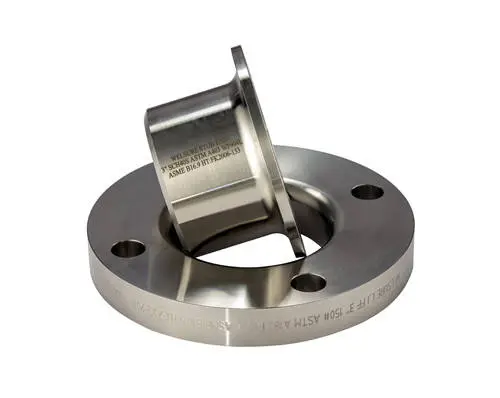
Understanding Lap Joint Flanges: Composition and Key Components
Industrial pipe systems require reliable, cost-effective, and maintenance-friendly couplings. These advanced two-part flanges meet these needs by changing how normal flanges are made.
Three Essential Elements of Flange Assembly
This hinge mechanism contains three essential parts that work effectively. Structure's backbone is rear ring. Supporting bolts give mechanical strength without medium contact. This separation lets normal carbon steel be used without corrosion protection, cutting project expenses. Direct pipe connections close stub ends. Accommodates media-moving chemicals. This object may be made of Hastelloy, stainless steel 316L, or rare metals, depending on the process. Critical regions are best protected from corrosion by material arrangement.
Gasket system and Lap Joint Flange seal surfaces fit together and regulate thermal expansion and operating stresses to complete assembly. New spiral-wrapped, metallic, and hybrid gaskets seal from -45°C to +400°C.
Material Selection Principles for Optimal Performance
When choosing flange materials, engineers must consider mechanical, chemical, and thermal properties. Carbon steel backing rings are robust and affordable for most uses. At normal temperatures, A105 carbon steel retains its shape. Since 304, 316, and 316L stainless steel resist corrosion and perform well, stub ends are generally manufactured with these. Clean and contaminant-free chemical, marine, and food-grade conditions suit these materials. You may need Inconel 625, Monel 400, or Duplex stainless steel. These high-end materials are used in areas with severe corrosion, high temperatures, or chemical contact. its longer longevity offsets its greater initial cost.
Lap Joint Flange Design Standards and Dimensions
International engineering standards provide safe, compatible, and effective workplace goods worldwide. Modern flange standards fulfil the demands of increasingly demanding operating environments while reducing costs and improving efficiency.
International Standards and Compliance Requirements
ASME B16.5 specifies sizes, pressure rates, and materials for 24-inch flanges. They also defined 150# to 2500# pressure classes and temperature limitations. These standards ensure compatibility across North American industrial markets and entail rigorous testing and certification. European EN 1092-1 standards may be utilised with metric and imperial units and provide pressure values from PN6 to PN160 and nominal sizes from DN15 to DN4000. Important construction projects need tracking supplies, proper measurements, and extensive quality records, which the standard emphasises. DIN Lap Joint Flange specifications are more specific for chemical operations and high-pressure systems. These standards exceed ASME and EN requirements and consider European rules and fitting procedures.
Pressure Ratings and Temperature Considerations
Material thickness, bolt specifications, and flange form affect pressure values. Standard pressure classes can withstand 150 to 2500 PSI, and safety elements ensure their reliability in normal and abnormal conditions. Temperature derating graphs demonstrate how to handle high temperatures that may damage material properties. These flanges accommodate various gaskets and distribute stress uniformly throughout the closing surfaces due to their flat face. This configuration is ideal for parts that need to be taken apart regularly or where bolt holes are hard to align. Dimensional tolerances regulate bolt hole location, face flatness, and width precision. These criteria ensure proper installation and prevent system-damaging stress concentrations.
Lap Joint Flange vs Other Flange Types: Making Informed Decisions
Choosing the correct flanges affects project costs, installation time, and future maintenance. Knowing the benefits and drawbacks of each flange design helps you make educated purchases that optimise performance and cost.
Performance Comparison Analysis
Lap Joint Flange systems are ideal for frequent disassembly, cheap material costs, and flexible fitting. The rotating design reduces pipe stress during bolt-up and aligns bolt holes regardless of pipe orientation. This is ideal for pipe repair work with limited rotation space. Strong and stress-distributing weld neck flanges are ideal for high-pressure and critical services. However, its rigidity needs precise manufacturing and installation alignment, which may increase labour costs and installation time. Slip-on flanges are cheaper and simpler to install than weld neck versions, but they are weaker. The Lap Joint Flange overlap joint arrangement is cost-effective and suitable for light pressure applications.
Cost-Benefit Analysis Considerations
Lap joint devices simplify material optimisation, their biggest economic advantage. For acidic media applications, using pricey metals for the stub ends and carbon steel for the supporting rings may save 40 to 60% on materials. This material use maximises performance and reduces project expenses. Flexible alignment and stress-free construction characteristics save installation expenses. Maintenance teams prefer that parts may be rapidly removed for cleaning, inspection, or replacement without cutting welds or changing the system. To calculate the total cost of ownership, sum the initial prices of materials, installation labour, ease of care, and replacement expenses throughout the estimated service life. Modular architecture saves money on maintenance and extends service durations, offsetting higher initial costs.
Installation and Maintenance of Lap Joint Flanges
By following proper installation techniques, you can ensure flange systems perform well and last long, and prevent frequent operational issues. Best practices save installation time and improve system safety and performance.
Step-by-Step Installation Guidelines
The installation begins with correct stub end welding by professional welders. The butt weld link requires complete penetration welding with the correct heat treatment to maintain material quality and specifications. The weld is examined for stability after welding, perhaps using x-rays, before pressurisation. The backing ring glides smoothly over the final stub end assembly and aligns bolt holes in either orientation. This means no pipe modification or force is needed during flange mate-up. Follow the manufacturer's binding surface preparation and compression guidelines to properly insert a gasket. Lap Joint Flange bolts must be tightened to compress the seal uniformly and prevent lip bend. Flange size, pressure grade, and bolt material determine torque specifications. Lubricating bolt threads prevents galling and ensures proper force.
Preventive Maintenance Strategies
Gasket, bolt, and flange face stability should be checked regularly. Visual inspection detects gasket expansion, pin loosening, and rust damage before they affect system performance. Recording inspection data aids preventive maintenance and fulfils regulations. Lap joint systems are straightforward to disassemble for gasket replacement. Without damaging pipe systems or using scaffolding, maintenance staff may easily detach flanges. Repair downtime and production losses are greatly reduced by this functionality. After system startup, bolts may need to be retensioned due to temperature cycles and gasket stress. Setting the correct maintenance schedules based on system use and prior performance data enhances efficiency and reduces unnecessary maintenance.
Procurement Guide: Buying Lap Joint Flanges for Industrial Applications
To do procurement right, you need to know a lot about scientific requirements, quality standards, and the supplier's skills. Comprehensive evaluation criteria make sure that the standard of the products is maintained while keeping prices low and delivery times reliable.
Technical Specification Requirements
For both stub ends and backing rings, material approvals must include mill test records, chemical analyses, and proof of mechanical properties. For important uses like the nuclear, pharmaceutical, or food processing industries, traceability paperwork helps with regulatory compliance and quality checks. Dimensional inspection records make sure that the product meets the requirements of relevant standards, such as ASME, EN, or DIN. Important measures include the general size, the location of the bolt holes, the flatness of the face, and the required surface finish. Statistical process control paperwork shows that the quality and ability of making are always the same. Pressure testing approval proves that the Lap Joint Flange is solid under certain working conditions. Protocols for hydrostatic testing usually go above the working pressure by certain safety factors. This finds any possible problems before they are installed. For important tasks, you might need non-destructive testing like magnetic particle inspection or dye penetrant examination.
Supplier Evaluation Criteria
Manufacturing skills should cover the whole production process, from getting the raw materials to packing them up and sending them out. Integrated facilities that do casting, drilling, heat treatment, and testing all under one roof usually have better quality control and more reliable delivery. Quality management systems, such as ISO 9001 certification, show that you are committed to consistent quality and methods for ongoing growth. Third-party checks and customer references are two more ways to confirm a supplier's skills and track record of performance. For foreign projects that need to coordinate deliveries to various places, global logistics skills are important. Suppliers with a lot of experience know the export paperwork, shipping rules, and customs processes that keep projects on schedule and avoid delays.
Conclusion
The complex structure of lap joint flange systems makes them useful for a wide range of tough industrial uses. This is made possible by cleverly optimizing materials and coming up with new ways to build them. By separating the structure and closing functions, it is possible to choose materials that are less expensive while still meeting the performance standards needed in corrosive environments. When procurement workers understand how stub ends, backing rings, and gasket systems work together, they can choose the best options that balance beginning costs with long-term operational needs. Modern manufacturing standards make sure that these units work with products from all over the world, and thorough testing methods make sure that they work well in a wide range of settings. Because of this, they are important parts of modern industrial piping systems.
FAQ
Professionals in procurement and engineers often have specific technical questions about choosing the right hinge, making sure it works well in a certain application, and how well it performs. These questions show common problems with making choices in the planning and buying of industrial pipes.
1. What materials work best for corrosive environments?
Grades 316 and 316L of stainless steel are very good at resisting rusting by most industrial chemicals, such as acids, chlorides, and organic solvents. Because 316L has a low carbon content, carbides don't form and the metal stays resistant to rust when it is bonded. In certain situations, unusual metals might be needed, like Hastelloy C-276 for tough rust situations or Monel 400 for uses with hydrofluoric acid.
2. How do the benefits for maintenance stack up against other types of flanges?
The two-piece design makes it easy to take apart quickly without damaging the pipes or cutting the welds. This cuts down on repair time by 60–80% compared to welded joints. The flexible backing ring makes it easier to line up the parts when putting them back together, and the separate stub end makes replacing the seal easier. These features are especially useful in situations where cleaning or checking things often is needed, like when making food or medicines.
3. Can dimensions and pressure ratings be customized?
Standard sizes range from DN15 to DN4000, and pressure levels run from PN6 to PN160, which is enough for most industry uses. When it comes to specific uses, custom manufacturing can handle odd-shaped parts, rare materials, or special design needs. Custom goods usually have lead times between 4 and 8 weeks, but this depends on how hard the product is to make and how readily available the materials are.
Partner with HONG KAI FORGING for Superior Flange Solutions
HONG KAI FORGING delivers exceptional Lap Joint Flange assemblies that meet stringent international standards while providing cost-effective solutions for your critical piping applications. Our integrated manufacturing facility in Shanxi Province combines advanced forging capabilities with comprehensive quality control systems, ensuring every flange meets ASME B16.5, EN 1092-1, and DIN specifications. With decades of experience serving global markets and proven expertise as a trusted lap joint flange manufacturer, we provide technical support, competitive pricing, and reliable delivery schedules that support your project success. Contact kevin.zhao@hkflange.com today to discuss your specific requirements and discover how our engineering excellence can optimize your piping system performance and operational efficiency.
References
1. American Society of Mechanical Engineers. "ASME B16.5 Pipe Flanges and Flanged Fittings: NPS 1/2 through NPS 24 Metric/Inch Standard." New York: ASME Press, 2020.
2. European Committee for Standardization. "EN 1092-1 Flanges and Their Joints - Circular Flanges for Pipes, Valves, Fittings and Accessories." Brussels: CEN Publishing, 2018.
3. Deutsches Institut für Normung. "DIN Standards for Industrial Flange Applications and Material Specifications." Berlin: DIN Media GmbH, 2019.
4. Bickford, John H. "Gaskets and Gasketed Joints, Second Edition: Engineering Design and Application Guidelines." New York: Marcel Dekker Publications, 2019.
5. Jawad, Maan H. "Design of Plate and Shell Structures: Pressure Vessel and Piping Applications." New York: ASME Press, 2021.
6. Singh, Krishna P. "Mechanical Design of Process Equipment: Heat Exchangers, Pressure Vessels, and Piping Systems." Industrial Engineering Press, 2020.
Clear Communication, and Reliable Technical Support
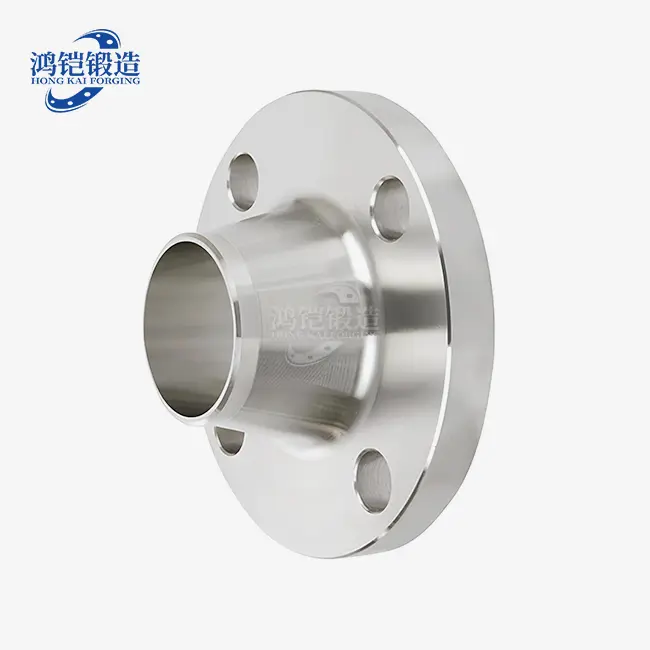
_1788832638059.webp)
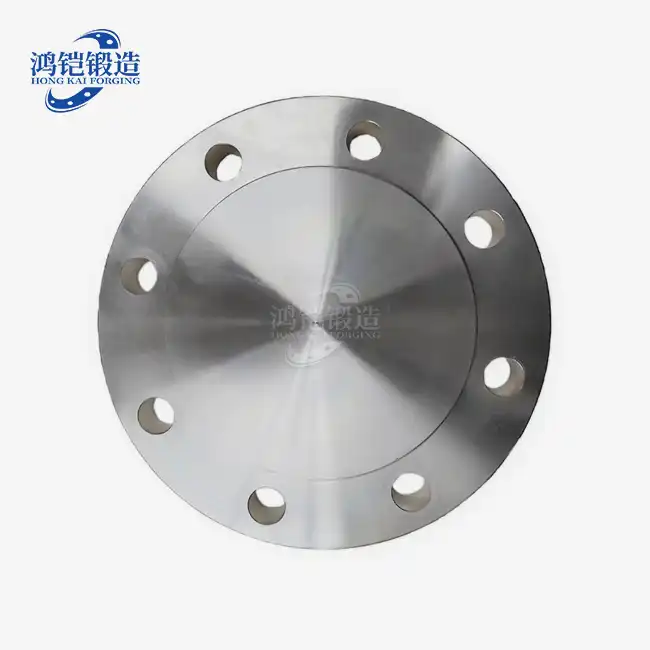
_1788493431992.webp)