- English
- French
- German
- Portuguese
- Spanish
- Russian
- Japanese
- Korean
- Arabic
- Greek
- German
- Turkish
- Italian
- Danish
- Romanian
- Indonesian
- Czech
- Afrikaans
- Swedish
- Polish
- Basque
- Catalan
- Esperanto
- Hindi
- Lao
- Albanian
- Amharic
- Armenian
- Azerbaijani
- Belarusian
- Bengali
- Bosnian
- Bulgarian
- Cebuano
- Chichewa
- Corsican
- Croatian
- Dutch
- Estonian
- Filipino
- Finnish
- Frisian
- Galician
- Georgian
- Gujarati
- Haitian
- Hausa
- Hawaiian
- Hebrew
- Hmong
- Hungarian
- Icelandic
- Igbo
- Javanese
- Kannada
- Kazakh
- Khmer
- Kurdish
- Kyrgyz
- Latin
- Latvian
- Lithuanian
- Luxembou..
- Macedonian
- Malagasy
- Malay
- Malayalam
- Maltese
- Maori
- Marathi
- Mongolian
- Burmese
- Nepali
- Norwegian
- Pashto
- Persian
- Punjabi
- Serbian
- Sesotho
- Sinhala
- Slovak
- Slovenian
- Somali
- Samoan
- Scots Gaelic
- Shona
- Sindhi
- Sundanese
- Swahili
- Tajik
- Tamil
- Telugu
- Thai
- Ukrainian
- Urdu
- Uzbek
- Vietnamese
- Welsh
- Xhosa
- Yiddish
- Yoruba
- Zulu
Slip On Flange vs Socket Weld Flange: Pressure & Cost Comparison
When choosing between Slip On Flange and socket-weld flanges for industrial applications, procurement managers face critical decisions affecting both system performance and budget allocation. Slip-on flanges slide over pipe ends and provide cost-effective solutions for medium-low pressure applications, while socket weld flanges offer superior strength through recessed socket connections. This comprehensive comparison examines pressure ratings, cost implications, and application-specific advantages to guide your procurement strategy. Understanding these differences enables industrial engineers to optimize pipeline safety, operational efficiency, and long-term value across manufacturing, petrochemical, and infrastructure projects.
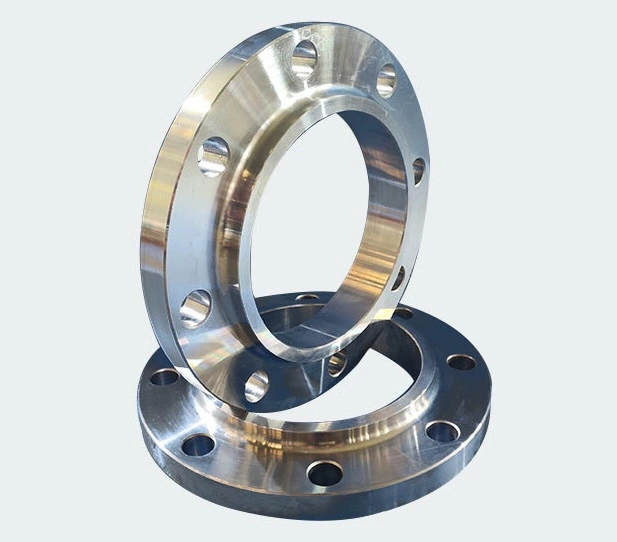
Understanding Slip-On Flanges and Socket Weld Flanges
What really sets these different types of flanges apart is how they are connected and how they are built. Slip-on flanges are a simple technical answer. The flange is slid over the end of the pipe and then fillet-welded on both sides. With this design, you don't need beveled pipe ends, which makes positioning much easier during the manufacturing and fitting processes.
Design Characteristics of Slip-On Flanges
When compared to weld neck options, the Slip On Flange design has a smaller hub profile, which means less material is used and the product is lighter. The width of the bore usually exceeds the outer diameter of the pipe by about 1/16 inch. This makes fitting easier and keeps enough space for welding. These flanges are compatible with pipe systems around the world because they meet foreign standards like ASME B16.5, EN 1092-1, DIN, and GOST. There are two fillet welds in the process: one on the hub's back side and one on its inside circle. This two-welding method keeps costs low while providing enough structural integrity for mild pressure uses. The design lets the pipe length be slightly changed after it has been placed, which solves a typical alignment problem in complicated pipe setups.
Socket Weld Flange Engineering
Some socket weld flanges have a deep socket design that lets the pipe fit into a cut hole before it is welded. Full penetration welding makes the mechanical link stronger in this setup. This means that these flanges can be used in high-pressure and high-temperature situations. To make sure the socket fits well and the weld is strong, the depth of the socket is usually equal to the pipe's wall width plus 1/16 inch. When installing a pipe, it needs to be carefully cut and fitted so that it fits correctly in the hole and leaves the right amount of space at the bottom. This design complexity makes installation take longer, but it provides Slip On Flange better resistance to fatigue and pressure control, which are important for critical service uses.
Pressure Ratings and Performance Comparison
When choosing a flange for an industrial purpose, pressure grade is the most important thing to think about. The way each type of flange is welded and its mechanical features directly affect how well it can handle working forces and cyclic loading.
Slip-On Flange Pressure Capabilities
Standard slip-on flanges can handle pressure levels from PN6 to PN160 (Class 150 to Class 600), but this depends on the material used and the temperature. Fillet welds cause stress concentrations at the joint contact, which makes them less resistant to fatigue than butt-welded options. When the stress concentration factor stays within acceptable limits, these flanges work best in situations with steady or low cycling pressure. ASTM A105 carbon steel can handle temperatures up to 400°F, while ASTM A182 F304/316 stainless steel can handle temperatures up to 800°F and is better at resisting rust. Following ASME B16.5 rules for the relationship between pressure and temperature ensures safe performance in a wide range of industrial situations.
Socket Weld Performance Parameters
Socket weld flanges can handle more pressure than other types because they are fully penetrated during welding. The recessed socket design spreads loads out more evenly, which makes the wear strength about three times higher than with slip-on options. In certain combinations, these flanges are often used for uses up to Class 1500 ratings. The quality of the welding has a big effect on performance because the right entry and heat treatment are needed to get the best mechanical features. When joint dependability is very important, socket weld connections work great in situations with changing pressures, sudden changes in temperature, or acidic environments.
Cost Analysis: Factors Affecting Price and Value
Economic factors include more than just the original buy price. They also include the cost of labor, materials, and upkeep over the product's lifetime. When buying, teams understand these cost components, and they can correctly figure out the total costs of ownership.
Initial Cost Comparison
Material prices are better for slip-on flanges because they are easier to make and need less material. When compared to socket weld options, the lower hub shape uses about 20–30% less raw material, which can save a lot of money on big jobs. Because slip-on flanges don't need as much cutting and quality control, they are more cost-effective and easier to make. Because they need to be machined precisely and have tighter limits for size, socket weld flanges are more expensive. Production costs go up because of the extra work that goes into making sockets and the loss of material during the process. This is especially true for specialty metal materials. However, these initial costs often pay for themselves in high-pressure situations where Slip On Flange dependability is still very important.
Installation and Labor Considerations
Different types of flanges have interesting trade-offs when it comes to labor costs. Slip-on flange installation needs two different passes of welding, but it gives you more positioning options, which can cut down on the time it takes to fit up complicated pipe systems. Being able to change the length of the pipe after placing it gets rid of the need for expensive rework that often happens in tight-tolerance situations. For socket weld placement, the pipe needs to be carefully prepared and fit, but only one welding pass is usually needed. Skilled welders can make socket weld connections quickly, but the need for accuracy may make the fitting process longer than with slip-on options. The total cost of labor relies on how hard the job is to get to and how skilled the welders are.
Comparative Analysis: Slip-On Flange vs Socket Weld Flange for Different Applications
The best way to choose a flange depends on the needs of the application. Each type has its own benefits based on the service conditions and operating factors. By knowing these application patterns, engineers can better match the features of a flange to the needs of a system.
Medium-Pressure Utility Systems
Slip-on flanges are very useful for industrial utility networks that care more about cost-effectiveness and placement freedom than maximum pressure capacity. For the best results, use these flanges in cooling water systems, compressed air networks, and fire protection setups. For big installs, the moderate pressure levels (Class 150–300) save a lot of money while still meeting the needs of utility systems. When installing new pipes after the fact, where the old ones might not meet exact size standards, the alignment freedom comes in very handy. Slip-on flanges are also better for maintenance access because the easier connection Slip On Flange method makes fixes and changes go more quickly when the plant is shut down.
High-Pressure Process Applications
Socket weld flanges are clearly better in high-pressure process systems where the quality of the joints has a direct effect on safety and durability. The better mechanical qualities and fatigue resistance make it useful for petrochemical process lines, high-pressure steam systems, and important sensor links. The full-penetration welding gets rid of any possible leak paths that could form when the pressure changes. Socket weld connections are especially useful in chemical processing areas with acid media because the way they are welded prevents cracks from forming that could start rusting. The stronger joints also provide safety gaps that are needed when working with dangerous materials under high pressure.
Procurement Guidance for B2B Buyers
For buying plans to work, suppliers' skills, quality certifications, and the stability of the supply chain must all be carefully looked at. Global B2B buyers have to find a mix between lowering costs and making sure quality standards are met, all while making sure they follow the rules for their business.
Supplier Selection Criteria
Quality standards, like ISO 9001, ASME certification, and material tracking documents, are the building blocks of evaluating suppliers. To make sure the products are conformant, suppliers should show that they can test them in a variety of ways, such as mechanically, chemically, and dimensionally. Manufacturing ability and freedom are very important for big projects that need to be delivered on time every time. Having integrated production skills that include casting, heat treatment, machining, and quality testing helps with controlling quality and making sure deliveries are made on time. Logistics prices and arrival times for foreign purchases can be affected by how close a location is to major shipping routes.
Order Management and Logistics
Minimum order numbers (MOQs) are very different between suppliers Slip On Flange and types of products. Usually, specialty materials need bigger pledges. Understanding how suppliers set their MOQs helps buying teams get the best prices on large orders and keep track of their stock. Pay close attention to export paperwork and rules, especially for businesses that are controlled, such as nuclear power, pressure vessels, and petrochemical processes. To make the customs processing and regulatory approval processes go more smoothly, suppliers should give full material certificates, dimensional reports, and compliance paperwork.
Conclusion
The choice between Slip On Flange and socket weld flanges comes down to weighing the need for pressure, cost, and the needs of the application. Slip-on flanges work great in medium-pressure situations where saving money and having a choice of how to install them are important. They save a lot of money on materials and labor. Socket weld flanges are worth the extra cost in high-pressure, high-cycling situations where their better joint strength and wear resistance ensure safety and dependability. To do a good job of procurement, you need to carefully look at all of the costs involved, such as the original purchase price, the difficulty of installation, and the ongoing upkeep that is needed to get the most value over the lifespan of the project.
FAQ
1. What is the maximum pressure rating for slip-on flanges?
In most cases, standard slip-on flanges can handle pressure ratings up to Class 600 (PN100). However, in some cases and at certain temperatures and materials, Class 900 values can be reached with special setups. The amount of pressure that can be applied varies a lot depending on the material used, the temperature, and the quality of the welding.
2. How do welding requirements differ between these flange types?
For Slip On Flange joints, you need two fillet welds (on the back face and the inside circle), but for socket weld flanges, you only need one full-penetration weld. Socket welds need more accurate fit-up and pipe preparation, but skilled operators can cut down on total welding time by only needing to make one weld.
3. Which flange type offers better long-term value?
The long-term value rests on how it is used. Slip-on flanges are better for moderate-pressure uses where upkeep isn't needed very often. Socket weld flanges, on the other hand, are worth the higher starting cost in critical high-pressure uses where reliability and safety margins are very important.
4. Can slip-on flanges be used in cyclic pressure applications?
Slip-on flanges can handle light to mild cycling of pressure, but they shouldn't be used in harsh cycle situations because the fillet weld interface can become fatigued. Socket-weld flanges are about three times more resistant to wear in high-cycling situations.
Partner with HONG KAI FORGING for Premium Flange Solutions
HONG KAI FORGING stands as your trusted Slip On Flange manufacturer, delivering enterprise-grade solutions with specifications ranging from DN15 to DN4000 and pressure ratings from PN6 to PN160. Our integrated production capabilities encompass forging, heat treatment, precision machining, and comprehensive quality testing to ensure compliance with ASME B16.5, EN 1092-1, DIN, and international standards. Contact kevin.zhao@hkflange.com to discuss your specific requirements and discover how our three decades of expertise can optimize your procurement strategy with reliable delivery to Europe and the Americas.
References
1. American Society of Mechanical Engineers. ASME B16.5-2020: Pipe Flanges and Flanged Fittings NPS 1/2 Through NPS 24 Metric/Inch Standard. New York: ASME Press, 2020.
2. European Committee for Standardization. EN 1092-1:2018 Flanges and their joints - Circular flanges for pipes, valves, fittings and accessories, PN designated - Part 1: Steel flanges. Brussels: CEN, 2018.
3. Harvey, John F. Theory and Design of Pressure Vessels. 2nd Edition. New York: Van Nostrand Reinhold Company, 1985.
4. Bickford, John H. Gaskets and Gasketed Joints. 2nd Edition. New York: Marcel Dekker Inc, 1998.
5. Mohitpour, Moness, Howard Golshan, and Alan Murray. Pipeline Design & Construction: A Practical Approach. 3rd Edition. New York: ASME Press, 2007.
6. Brown, William M. An Introduction to Welding Metallurgy of Carbon and Low Alloy Steels. Edison Welding Institute, 1990.
Clear Communication, and Reliable Technical Support