- English
- French
- German
- Portuguese
- Spanish
- Russian
- Japanese
- Korean
- Arabic
- Greek
- German
- Turkish
- Italian
- Danish
- Romanian
- Indonesian
- Czech
- Afrikaans
- Swedish
- Polish
- Basque
- Catalan
- Esperanto
- Hindi
- Lao
- Albanian
- Amharic
- Armenian
- Azerbaijani
- Belarusian
- Bengali
- Bosnian
- Bulgarian
- Cebuano
- Chichewa
- Corsican
- Croatian
- Dutch
- Estonian
- Filipino
- Finnish
- Frisian
- Galician
- Georgian
- Gujarati
- Haitian
- Hausa
- Hawaiian
- Hebrew
- Hmong
- Hungarian
- Icelandic
- Igbo
- Javanese
- Kannada
- Kazakh
- Khmer
- Kurdish
- Kyrgyz
- Latin
- Latvian
- Lithuanian
- Luxembou..
- Macedonian
- Malagasy
- Malay
- Malayalam
- Maltese
- Maori
- Marathi
- Mongolian
- Burmese
- Nepali
- Norwegian
- Pashto
- Persian
- Punjabi
- Serbian
- Sesotho
- Sinhala
- Slovak
- Slovenian
- Somali
- Samoan
- Scots Gaelic
- Shona
- Sindhi
- Sundanese
- Swahili
- Tajik
- Tamil
- Telugu
- Thai
- Ukrainian
- Urdu
- Uzbek
- Vietnamese
- Welsh
- Xhosa
- Yiddish
- Yoruba
- Zulu
Threaded Flange Features Every Engineer Should Know in 2026
As safety rules get stricter and industrial pipe systems change, threaded flanges have become essential parts for engineers looking for quick and reliable ways to connect things. These special pipe parts have threads on the inside that match normal pipe threads. This lets you make safe mechanical connections without having to weld. Modern screw flange designs are very helpful in dangerous areas, steel systems, Threaded Flange, and situations where repair needs to be done often. Knowing their special qualities, how they meet standards, and how they can be used helps procurement workers make smart choices that improve business efficiency and cut costs in complicated industrial projects.\
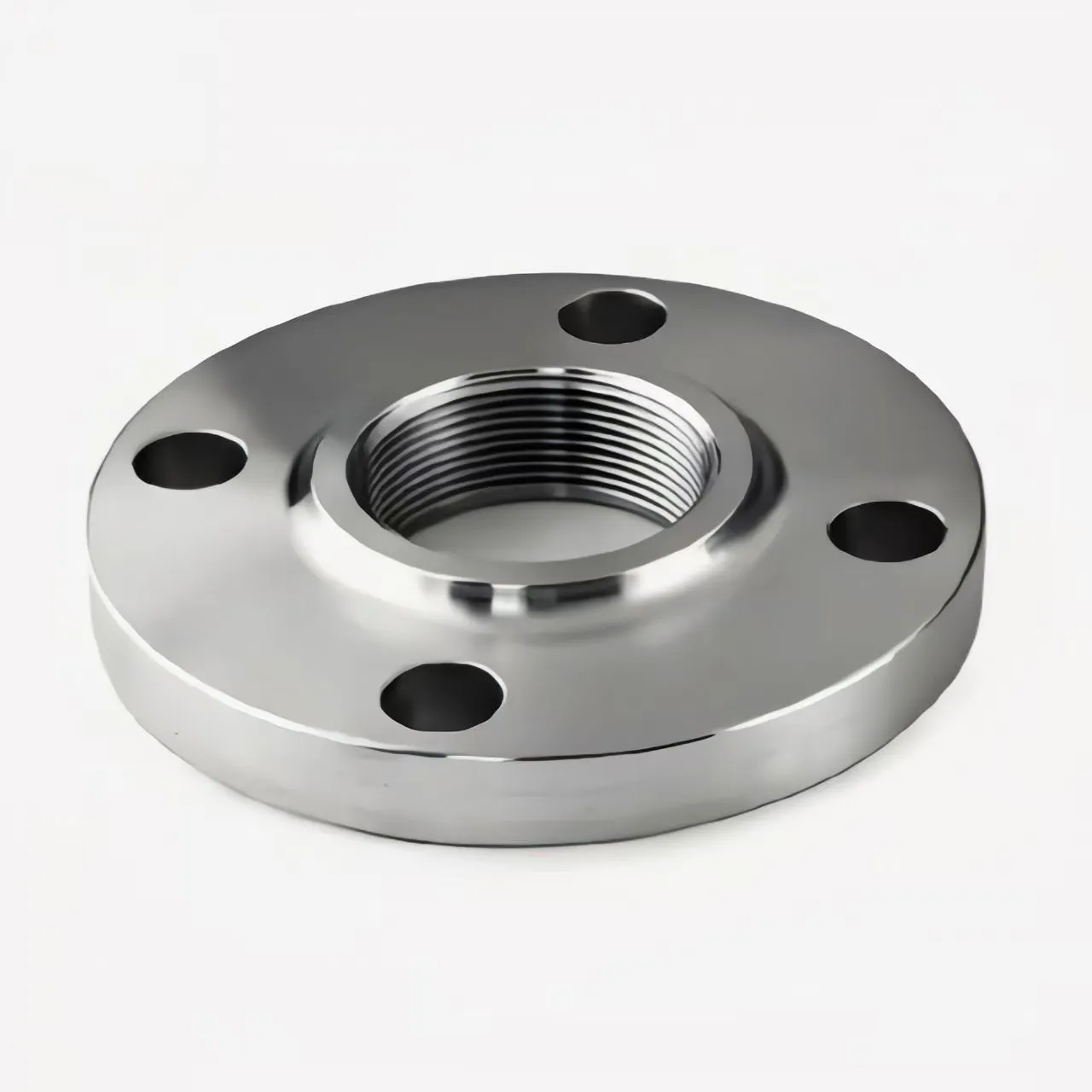
Understanding Threaded Flanges: Core Concepts and Benefits
Threaded flanges represent a specialized category of piping components engineered to create secure connections through mechanical thread engagement rather than welding processes. The fundamental design incorporates internal tapered threads that conform to ASME B1.20.1 standards, creating reliable metal-to-metal seals when properly installed with matching pipe threads.
Fundamental Working Principle
For the system to work, the internal threads of the flange and the external threads of the pipe must precisely interact with each other. As the link gets tighter, the tapered thread shape creates compression forces that make seals that won't leak. This way of joining pipes mechanically gets rid of heat-affected areas that can weaken pipes. This makes these parts especially useful in situations where welding could be dangerous or cause problems with the materials being used. The thread is shaped at a 60-degree angle, with flattened crests and valleys that make sure stress is spread evenly across the link contact. In terms of sealing performance, this setup is better than parallel thread designs. It is also easier to put together and take apart for repair tasks.
Operational Advantages
Installation speed is one of the best things about it; compared to welded options, it has been shown to save 40 to 60 percent of the time needed. The extra speed comes from not having to prepare for, do, and check the weld after it's done. Maintenance teams don't need special welding gear or licenses to make links because they can use normal threading tools. Because they are important for safety, these parts must be used in dangerous places where welding could cause an explosion. Threaded connections are used to keep operations safe and make sure the stability of systems in chemical plants, refineries, and food processing plants. Installing things in busy manufacturing settings is easier when you don't need a hot work permit. Coating protection skills keep galvanized and other protective surface treatments in good shape, while welding would damage them. This trait is very important in places like fire protection networks, water treatment systems, Threaded Flange, and corrosive settings where the stability of the coating directly affects how long the system lasts and how well it works.
Technical Specifications and Standards for Threaded Flanges in 2026
To make sure they work in all manufacturing settings around the world, modern threaded links have to meet a number of international standards. By understanding these specs, engineers can choose the right parts for the job while still following the rules.
Global Standards and Compliance Requirements
Within North America, ASME B16.5 is the main standard for measuring and rating pressures and sizes. It covers NPS ½" through 24" sizes and pressure classes from 150 to 2500. The standard sets important measurements, like bolt patterns, ring thickness, and hub configurations, that make sure parts from different makers can be used together. For use in Europe, pipes must meet the dimensions set out in EN 1092-1 guidelines for sizes DN10 to DN100 and pressure rates from PN6 to PN40. These requirements are in line with how businesses work in Europe and work with pipe systems from around the world. Japan uses JIS B2220 for many things in its factories, especially when it comes to ships and heavy manufacturing, where accuracy and dependability are very important. As a result of the strict requirements of Japanese industrial sites, the standard covers pressure levels from 10K to 20K.
Material Specifications and Performance Characteristics
For general industrial uses, carbon steel choices, mostly ASTM A105-made material, offer cost-effective solutions. These materials have great mechanical qualities under normal temperature and pressure settings. They are also easy to machine so that accurate thread profiles can be made. Stainless steel types, like ASTM A182 F304 and F316 grades, are better at resisting rust in chemical processes and food-grade settings. The choice of material depends on the working conditions. For marine or coastal systems, F316 is better at resisting chloride. There are types of alloy steel that can be used in high-temperature situations where standard carbon steel would expand or weaken too much. When designing and installing these specialized materials, differential growth effects need to be carefully thought through.
Installation Protocols and Safety Considerations
For a proper fitting to start, the threads must be checked to make sure they are compatible, and the surfaces are free of damage. Using thread lubricant to improve the seal and stop galling during assembly is another benefit. To get the best seals without putting too much stress on the parts, torque specs must match the qualities of the material and the pressure needs. Safety rules stress how important it is to test the system for pressure before turning it on. Hydrostatic testing checks the integrity of the link and finds possible leak paths that could put practical safety at risk. For regulatory compliance and planning upkeep, documentation needs to include material certificates, pressure test results, and installation records.
Comparing Threaded Flanges with Other Flange Types
Understanding the relative advantages and limitations of different flange types enables engineers to make informed selections based on specific application requirements. Each connection method offers unique benefits Threaded Flange that align with particular operational scenarios.
Structural and Functional Distinctions
When used in high-pressure situations, weld neck designs are stronger, but they often need to be welded by skilled professionals and then heated afterward. The smooth bore transition lowers the chance of turbulence and erosion, which makes them perfect for demanding process uses where flow properties are very important. Slip-on configurations make installation easier for bigger diameter uses where threading isn't possible. But they need to be welded around the edges, which creates heat-affected zones and could damage the covering. Good strength qualities are built into the design, and construction costs are kept low. Socket weld types excel in small-bore applications where full penetration welds are difficult to achieve. The socket design provides positive pipe positioning during welding while creating strong mechanical connections. However, the crack that forms at the base of the socket can be a place where rust starts in some service conditions.
Performance Comparison in Various Environments
Temperature switching shows that different types of connections work differently in important ways. Threaded flanges accommodate thermal expansion through mechanical adjustment, while welded connections may develop stress concentrations that lead to premature failure. This flexibility makes threaded connections particularly suitable for systems experiencing frequent temperature variations. Vibration resistance varies significantly among connection types, with threaded connections providing excellent damping characteristics when properly installed with appropriate thread compounds. The mechanical interface distributes vibrational stresses more effectively than rigid welded joints, reducing fatigue-related failures in dynamic applications. Maintenance accessibility strongly favors threaded connections, which permit non-destructive disassembly for equipment servicing or system modifications. This capability proves invaluable in pilot plants, temporary installations, and facilities requiring frequent configuration changes without permanent alterations to piping infrastructure.
Procurement Guide: How to Buy Threaded Flanges for Your Business in 2026
To do procurement right, you need to carefully look at technical needs, provider skills, and long-term performance goals. Because modern industrial applications are so complicated, they need thorough methods for developing specifications and evaluating vendors.
Material Compatibility and Specification Development
Before you can figure out the pressure rating, you have to look at all of the operating conditions, such as the highest working pressure, changes in temperature, and any safety factors that are needed by the codes that apply. Class 150 ratings are good for most general uses, while Class 300 and higher ratings are better for more demanding working conditions. When choosing materials, you need to think about how well they work with other chemicals, how hot they can get, and how likely it is that they will corrode when different metals are in the system. When it comes to normal uses, carbon steel is a cheap option, while stainless steel grades offer better corrosion protection at higher prices. When retrofitting old equipment and keeping the connections that work with it, accuracy in the dimensions becomes very important. It may be necessary to make custom specs to meet special installation needs or non-standard size restrictions that standard goods can't meet.
Supplier Evaluation and Quality Assurance
Facility checks, quality system certifications, and output capacity Threaded Flange assessments should all be part of a manufacturing capability review. Companies that have been around for a while and have ISO 9001 certification show that they are committed to regular quality management practices that help make sure products are delivered on time. Different applications and places have different testing and licensing rules. For some projects, a third party must check and record the material's traceability. Suppliers have to give full test results that include chemical analysis, mechanical qualities, and data to confirm dimensions. Since recent world problems, supply chain dependability has become more important. Suppliers with a variety of production sites and strong inventory management systems are more likely to meet important project deadlines for delivery on time.
Pricing Strategies and Logistics Considerations
Prices on the market are based on the prices of raw materials, the difficulty of making the product, and changes in demand that can be very big at different times. Long-term supply deals may help keep costs stable for projects that need to know how much to order and when it will be delivered. Strategies for buying in bulk can lower unit costs while still making sure there is enough inventory to finish the job. To get the best total purchase economics, you need to weigh the costs of storage and keeping goods against the money you could save. When sending internationally, things like customs paperwork, figuring out duties, and the logistics of transport can all affect the total cost of delivery. When it comes to shorter wait times and easier purchasing, domestic suppliers may be better, while foreign sources may be better for saving money on big orders.
Future Trends and Innovations in Threaded Flanges
The evolution of industrial technology continues to drive innovations in flange design, materials, and manufacturing processes. Understanding these trends enables engineers to anticipate future capabilities and plan accordingly for emerging requirements.
Advanced Materials and Coating Technologies
Duplex stainless steel grades are becoming more popular for uses that need stronger and more resistant to rust steels than normal austenitic grades. When compared to super-austenitic options, these materials are more cost-effective while still performing better in chloride-containing settings. Protective coating systems are always changing as new polymer and ceramic technologies come out that make them better at blocking harmful poisons and high temperatures. Putting these coats on things can make them last a lot longer and require less upkeep in harsh conditions. Additive manufacturing methods are starting to change how threaded flange production is conducted, particularly for specialized applications requiring complex geometries or unique material properties. While still emerging, these technologies may revolutionize custom component production and reduce lead times for specialized requirements.
Smart Technology Integration
Adding IoT sensors lets you check the stability of a link in real time using different measurement methods, such as strain tracking, temperature sensing, and vibration analysis. These systems can give early warnings of problems that are starting to happen before they become very bad. Predictive maintenance algorithms use sensor data to find the best check times Threaded Flange and parts that are getting close to the end of their useful life. This feature cuts down on unplanned downtime and repair tasks that aren't needed but add to the cost of doing business. Blockchain and cloud-based platforms keep lasting records of material approvals, test results, and installation data. Digital documentation systems make quality assurance and traceability standards easier to meet.
Conclusion
Threaded flanges continue to play a crucial role in modern industrial piping systems, offering unique advantages that make them indispensable for specific applications. Their ability to provide secure connections without welding makes them essential for hazardous environments, galvanized systems, and applications requiring maintenance flexibility. Understanding the technical specifications, comparative advantages, and procurement considerations enables engineers to leverage these components effectively while ensuring optimal performance and cost-effectiveness. As industrial technology evolves, threaded links will still be important for keeping processes safe, efficient, and long-lasting.
FAQ
1. What are the main applications for threaded flanges in industrial systems?
Threaded flanges excel in applications where welding is prohibited or impractical, including hazardous environments, galvanized piping systems, and facilities requiring frequent maintenance access. They are commonly used in water treatment plants, fire protection systems, small-bore process lines, and temporary installations where non-destructive disassembly is beneficial.
2. How do pressure ratings affect threaded flange selection?
Pressure ratings determine the maximum allowable working pressure for safe operation under specified temperature conditions. Class 150 flanges can handle many general uses up to 285 PSI at room temperature, while Class 300 and higher grades can handle tougher situations. Manufacturer pressure-temperature charts must be carefully used to figure out how pressure and temperature relate to each other.
3. What maintenance considerations apply to threaded flange connections?
Regular inspection schedules should include visual examination for signs of leakage, corrosion, or mechanical damage. Thread compound degradation may require periodic renewal, particularly in high-temperature applications. Connection torque should be verified during maintenance outages to ensure proper sealing without overstressing components.
Partner with HONG KAI FORGING for Premium Threaded Flange Solutions
HONG KAI FORGING stands as a trusted threaded flange manufacturer with decades of experience serving global industrial markets. Our comprehensive product range includes precision-machined flanges complying with ASME B16.5, EN 1092-1, and other international standards, available in sizes from DN15 to DN4000 with materials including carbon steel, stainless steel, and specialized alloys. Located in Shanxi Province's renowned forging hub, our integrated manufacturing capabilities encompass forging, heat treatment, machining, and quality testing under one roof. Contact kevin.zhao@hkflange.com to discuss your project requirements and experience our commitment to quality, reliability, and customer satisfaction.
References
1. American Society of Mechanical Engineers. "ASME B16.5 Pipe Flanges and Flanged Fittings: NPS 1/2 Through NPS 24 Metric/Inch Standard." New York: ASME Press, 2020.
2. European Committee for Standardization. "EN 1092-1 Flanges and Their Joints - Circular Flanges for Pipes, Valves, Fittings and Accessories." Brussels: CEN Publications, 2018.
3. Mohitpour, Mohammad, and Harvey Golshan. "Pipeline Design & Construction: A Practical Approach, Third Edition." New York: American Society of Civil Engineers, 2019.
4. Nayyar, Mohinder L. "Piping Handbook, Eighth Edition." New York: McGraw-Hill Professional, 2019.
5. Singh, Karan, and Robert Chuse. "Pressure Vessel Design Manual, Fourth Edition." Oxford: Butterworth-Heinemann, 2018.
6. Smith, Peter and Thomas Van Laan. "Piping and Pipeline Engineering: Design, Construction, Maintenance, Integrity, and Repair." New York: McGraw-Hill Education, 2017.
Clear Communication, and Reliable Technical Support