- English
- French
- German
- Portuguese
- Spanish
- Russian
- Japanese
- Korean
- Arabic
- Greek
- German
- Turkish
- Italian
- Danish
- Romanian
- Indonesian
- Czech
- Afrikaans
- Swedish
- Polish
- Basque
- Catalan
- Esperanto
- Hindi
- Lao
- Albanian
- Amharic
- Armenian
- Azerbaijani
- Belarusian
- Bengali
- Bosnian
- Bulgarian
- Cebuano
- Chichewa
- Corsican
- Croatian
- Dutch
- Estonian
- Filipino
- Finnish
- Frisian
- Galician
- Georgian
- Gujarati
- Haitian
- Hausa
- Hawaiian
- Hebrew
- Hmong
- Hungarian
- Icelandic
- Igbo
- Javanese
- Kannada
- Kazakh
- Khmer
- Kurdish
- Kyrgyz
- Latin
- Latvian
- Lithuanian
- Luxembou..
- Macedonian
- Malagasy
- Malay
- Malayalam
- Maltese
- Maori
- Marathi
- Mongolian
- Burmese
- Nepali
- Norwegian
- Pashto
- Persian
- Punjabi
- Serbian
- Sesotho
- Sinhala
- Slovak
- Slovenian
- Somali
- Samoan
- Scots Gaelic
- Shona
- Sindhi
- Sundanese
- Swahili
- Tajik
- Tamil
- Telugu
- Thai
- Ukrainian
- Urdu
- Uzbek
- Vietnamese
- Welsh
- Xhosa
- Yiddish
- Yoruba
- Zulu
Socked Welding Flange OEM Guide: Custom Materials & Grades
Understanding the ins and outs of Socket Welding Flange specs is essential for successfully purchasing high-performance pipe parts for important industrial uses. This detailed guide answers all the complicated questions that industrial buyers have when they need unique materials and special grades for tough conditions. In places like nuclear power plants and industrial factories, where dependability is key, socket welding flanges are the backbone of small-diameter, high-pressure pipe systems.
Understanding Socket Welding Flanges: Basics and Specifications
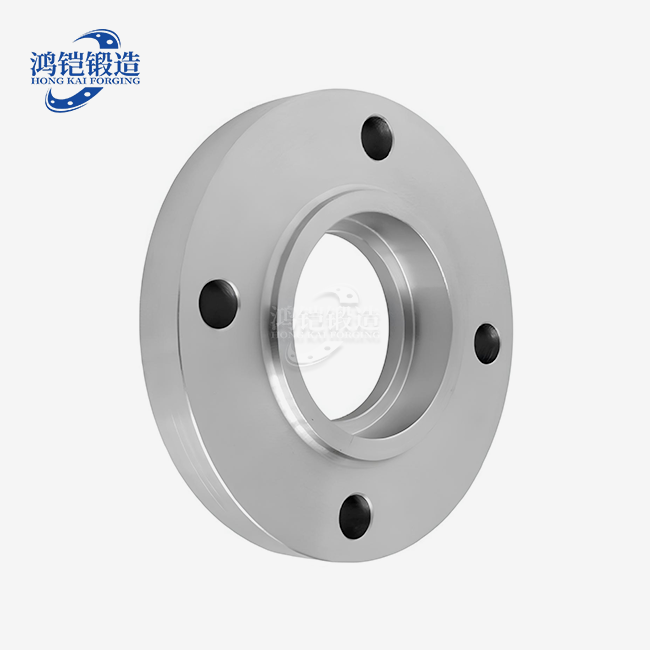
Socket welding flanges are a specific type of pipe part that is made for circumstances that need high structural strength and leak-proof performance. These parts have a hollow counterbore that fits the pipe end and makes a strong link through external fillet welding. This stops the internal weld from sticking out and contaminating the process media.
Core Design Principles and Structural Features
Traditional slip-on or threaded flanges are different from socket welding flanges because of how they are built. The socket design has a precision-machined counterbore that makes installation easier by eliminating alignment problems. This creates a natural placement guide that speeds up assembly and reduces welding mistakes. This built-in alignment feature is very helpful in tight areas where it's hard for repair teams to be precise with their placement. Socket welding flanges make permanent, fully sealed joints that can be used to move dangerous media, unlike threaded connections that can come loose when the temperature or vibration changes. To make sure that the dimensions are exact and meet strict international standards, the process starts with precision casting and then moves on to careful cutting.
International Standards and Compliance Requirements
To make sure they work everywhere and are safe, modern socket welding flanges have to meet a number of international standards. The ASME B16.5 standard sets the sizes and pressure-temperature limits for pipes with NPS 1/8" to 4" diameters and pressure classes from 150 to 2500. For use in Europe, pipes with sizes from DN6 to DN100 and pressure values from PN16 to PN400 must meet the requirements set out in EN 1092-1. In the DN6 to DN100 size range, the Japanese Industrial Standards (JIS B2220) give rules for 10K to 40K pressure ratings. The DIN standards, on the other hand, cover DN15 to DN100 uses with PN6 to PN160 pressure ratings. These detailed guidelines make sure that materials can be tracked, that measurements are correct, and that they work the same way in all kinds of industry settings.
Material Selection and Performance Characteristics
The variety of materials that are available has a direct effect on performance factors like how long something lasts, how well it resists rust, and how much pressure it can handle in tough settings. Grades of carbon steel like ASTM A105 are inexpensive choices for common uses, while grades of stainless steel like A182 F304/316L offer better corrosion protection for handling aggressive media. Alloy steel types, such as A182 F11 and F22, are used in high-temperature situations where carbon steel grades would creep bend. Extreme service conditions, such as cryogenic temperatures, highly corrosive environments, and nuclear service uses that need better radiation protection, can be met by exotic materials and specialized metals.
Comparison and Selection: How to Choose the Right Socket Welding Flange for Your Project
To choose the best flange designs, you need to look at a lot of practical factors, such as the pressure needs, temperature ranges, media compatibility, and installation limitations. This study makes sure that industrial projects are reliable over the long term and reduces their operational costs as much as possible.
Performance Comparison with Alternative Flange Types
Socket Welding Flange designs offer distinct advantages over alternative connection methods in specific applications. Compared to weld neck flanges, socket welding versions can handle the same amount of pressure as weld neck flanges, but they don't need to be prepared as precisely and don't need to be inspected with x-rays in many situations. The single external fillet weld design makes it easy to check visually while still providing the same level of structural stability as more complicated butt weld designs. Slip-on flanges are easy to install, but they can't compare to socket welding designs when it comes to wear strength. Socket welding flanges have about 50% better fatigue strength, according to tests done by the industry. This makes them perfect for places with a lot of shaking, like hydraulic systems and equipment that makes steam.
Material Grade Selection for Specific Operating Conditions
Temperature, pressure, and toxic climate must all be carefully thought through when matching flange materials to practical needs. Carbon steel types work well in normal situations where the temperature is less than 400°F and the medium is not toxic. But industrial uses that deal with sour gas or chemicals that eat away at metal need stainless steel or special alloys. For use in temperatures above 800°F, alloy steel types that keep their mechanical qualities under thermal stress are needed. For nuclear uses, materials must meet ASME Section III standards and have better resistance to radiation. They must also have strict paperwork for material tracking.
Cost-Benefit Analysis and Lifecycle Considerations
Even though premium materials cost more at first, lifetime analysis often shows that the extra money is worth it because they last longer and need less upkeep. In corrosive settings, stainless steel flanges may cost 300% more at first, but they save money in the long run by not needing to be replaced and by reducing unexpected downtime that could cost thousands of dollars an hour in lost production. By choosing materials that are best for the job, OEM customization improves performance while keeping costs low. Custom heat treatment methods, specialized surface treatments, and changed physical specs can meet the needs of particular applications without making standard parts too complicated.
Installation and Maintenance Guide for Socket Welding Flanges
Using the right construction methods and preventative maintenance schedules will make sure that important applications work at their best, last longer, and stay safe.
Step-by-Step Installation Procedures
To install a socket welding flange correctly, the pipe must first be carefully prepared, which includes being cut to the right length and giving it enough room for growth. The usual 1/16-inch (1.6mm) expansion gap keeps the pipe from binding when it expands due to heat and makes sure that the weld penetration shape is correct. When putting the pipe into the socket, it needs to be carefully lined up so that it doesn't experience uneven loading, which could damage the joint. The pipe should go all the way to the bottom of the hole and then be pulled out to make the required expansion gap. Finally, it should be tack-welded into place. This process makes sure that the shape of the weld stays the same and stops stress concentrations that could cause the weld to fail early. For welding to work, approved procedures standards (WPS) must be used that are right for the base materials. Preheating needs depend on the type of material and how thick it is. For carbon steel uses, preheating usually needs to be done above 32°F atmospheric temperature. For pressure vessels or thick-section parts, a post-weld heat treatment may be necessary.
Quality Assurance and Inspection Protocols
A visual check of finished welds makes sure that the profile shape is correct, there are no flaws, and the welds meet the relevant welding standards. The design of the external fillet weld makes it easier to do a full visual check without having to do expensive x-ray tests. Before putting a joint into service, it is tested for stability under pressure. Usually, the test pressure is 1.5 times the design pressure number. Hydrostatic testing, which uses water instead of air, is better than pneumatic testing, especially when checking things with a large diameter or high pressure.
Preventive Maintenance Strategies
Corrosion, erosion, thermal fatigue, and mechanical damage are all types of damage that could happen and should be included in regular check plans. The frequency of visual inspections depends on the level of service. For example, important applications may need to be checked every three months, while normal applications may only need to be checked once a year. Some common types of wear are preferred corrosion in areas where the heat from the welding has been affected, erosion damage from fast flow, and fatigue cracking from repeated loads. Early spotting lets you fix or replace something before it fails in a way that causes damage to the environment or hurts people.
OEM Solutions: Custom Materials and Grades for Tailored Performance
Specialized materials, changed designs, and better production methods that standard stock products can't handle are used to make custom socket welding flange solutions that solve specific engineering problems.
Bespoke Material Solutions for Specialized Applications
Extreme service conditions often need materials that go beyond what ASTM says they should be. For offshore uses, duplex stainless steels are stronger and less likely to rust, and super-austenitic types are better for chemical processing conditions that are very corrosive. Nickel-based metals can be used in high-temperature situations where standard alloy steels can't. For cryogenic uses, materials must be able to stay flexible at very low temperatures. 316L stainless steel works reliably down to -320°F. Specialized tests, such as Charpy impact tests, make sure that the material is tough at low temperatures so that it doesn't break easily when used with liquid natural gas or industrial gas.
Real-World OEM Project Case Studies
A big petroleum plant needed socket-welded flanges for hydrogen service at a temperature of 1000°F. Standard A182 F22 alloy steel couldn't handle the harsh hydrogen attack conditions, so a special A182 F91 makeup that had more chromium was made. The solution stopped failures before they happened and met the standards of ASME Section VIII for pressure vessel uses. For nuclear power uses, socket welding flanges with better radiation protection and strict documentation of the material's history were needed. The managed nitrogen content in the custom A182 F316LN makeup gave it better resistance to radiation while still meeting the low-temperature toughness needs of emergency core cooling systems.
Manufacturer Selection and Quality Assurance
To choose good OEM makers, you need to look at their certifications, production skills, and quality control systems. ISO 9001 certification sets the basic standards for quality management, while ASME approval shows that you can make pressure-retaining parts. Audits of manufacturing facilities check the production skills of places like testing labs, forging equipment, heat treatment facilities, and machine centers. Integrated production capabilities, such as buying materials, casting, heat treating, machining, and testing, make quality control better than facilities that use a lot of different suppliers.
Procurement Insights: Buying Guide for Socket Welding Flanges
To make sure that you get quality parts at a good price, strategic buying needs a full evaluation of the suppliers, a study of the costs, and an evaluation of the risks in the supply chain.
Supplier Evaluation and Certification Requirements
For providers to be qualified, they must show that they can make the products that are needed. For pressure-retaining parts, ASME certification proves their ability, and other certifications, such as NACE compliance, cover specific service needs. Material test certificates (MTCs) are important for quality control and legal compliance because they show where something came from and how it was made. Checking the financial health of suppliers lowers the risk of disruptions in the supply chain. This is especially important for long-term projects that need regular delivery schedules. Evaluation of manufacturing ability makes sure that providers can meet the needs of the project without lowering quality or delivery time.
Cost Structure Analysis and Negotiation Strategies
The main factor that affects the price of a flange is the cost of the raw materials. Grades of stainless steel and alloys are much more expensive than carbon steel options. The cost of making something more complicated, like by casting, heat treating, milling, and testing, depends on its size, pressure grade, and specific needs. Through economies of scale, volume buying deals can save you money. Usually, there are price breaks at 100, 500, and 1000-piece quantities. Long-term supply deals can lock in good prices and make sure that projects will have supplies for many years.
Global Supply Chain Considerations
International purchasing can save you money, but it can also be hard to make sure the quality of the goods you buy because of things like import taxes, longer wait times, and other problems. Domestic sellers may charge more than foreign ones, but they can send goods faster and make contact easy. Logistics and transportation costs affect the total landing costs, especially for heavy cast parts that need to be handled in a certain way. When you combine orders, you save money on shipping costs per unit and lower the risk of damage during foreign shipping.
Conclusion
Socket welding flanges are very important parts of high-pressure, small-diameter pipe systems that can't be compromised on performance or dependability. Knowing how different types of materials, design requirements, and application needs affect each other can help you make smart purchasing decisions that improve performance and reduce costs. The careful choice of qualified original equipment makers (OEMs) who have a track record of working with custom materials and specialized grades guarantees the success of the project while still meeting strict industry standards. As industrial uses move toward more difficult service conditions, socket welding flanges that are properly designed and made will become even more important.
FAQ
What material grades work best for corrosive environments?
Stainless steel types, such as 316L and duplex compositions, are better at resisting corrosion than carbon steel options. Super-austenitic types or nickel-based metals may be needed for places that are very harsh. For sour service uses that use hydrogen sulfide, NACE MR0175 certification is necessary.
How do socket welding flanges compare to slip-on designs under high pressure?
Socket welding flanges have about 50% higher fatigue strength than slip-on options. This makes them better for uses with high vibration and cycle loads. The external fillet weld design allows for the same amount of pressure and easy eye checking without the need for x-ray testing.
What certifications should I require from an OEM flange supplier?
Some important qualifications are ASME production capability, ISO 9001 quality management systems, and ASTM material certifications. Some other requirements could be NACE compliance for bad service, nuclear quality assurance according to 10CFR50 Appendix B, or PED approval for use in Europe.
Partner with HONG KAI FORGING for Custom Socket Welding Solutions
HONG KAI FORGING stands as your trusted Socket Welding Flange manufacturer, delivering precision-engineered solutions tailored to your most demanding applications. Our integrated manufacturing capabilities spanning three advanced facilities in Shanxi Province enable custom material grades, specialized heat treatments, and enhanced quality assurance protocols that standard suppliers cannot match. Whether you require NACE-compliant materials for sour service, cryogenic-grade stainless steels, or exotic alloy compositions, our engineering team collaborates closely with your specifications to optimize performance and minimize lifecycle costs. Contact kevin.zhao@hkflange.com today for expert consultation and competitive quotes on your next critical piping project, backed by our commitment to quality, reliability, and global logistics support.
References
1. American Society of Mechanical Engineers. "ASME B16.5 - Pipe Flanges and Flanged Fittings: NPS 1/2 through NPS 24 Metric/Inch Standard." New York: ASME Press, 2020.
2. Committee for Standardization. "EN 1092-1: Flanges and their Joints - Circular Flanges for Pipes, Valves, Fittings and Accessories." Brussels: CEN Publications, 2018.
3. Harvey, John F. "Pressure Vessel Design: Nuclear and Chemical Applications." Princeton: Van Nostrand, 2019.
4. Mohitpour, Mohammad, et al. "Pipeline Design & Construction: A Practical Approach." New York: ASME Press, 2021.
5. National Association of Corrosion Engineers. "NACE MR0175/ISO 15156: Petroleum and Natural Gas Industries - Materials for Use in H2S-Containing Environments." Houston: NACE International, 2020.
6. Winkel, Paul, et al. "Welding Metallurgy and Weldability of Stainless Steels." Hoboken: John Wiley & Sons, 2019.
Clear Communication, and Reliable Technical Support