- English
- French
- German
- Portuguese
- Spanish
- Russian
- Japanese
- Korean
- Arabic
- Greek
- German
- Turkish
- Italian
- Danish
- Romanian
- Indonesian
- Czech
- Afrikaans
- Swedish
- Polish
- Basque
- Catalan
- Esperanto
- Hindi
- Lao
- Albanian
- Amharic
- Armenian
- Azerbaijani
- Belarusian
- Bengali
- Bosnian
- Bulgarian
- Cebuano
- Chichewa
- Corsican
- Croatian
- Dutch
- Estonian
- Filipino
- Finnish
- Frisian
- Galician
- Georgian
- Gujarati
- Haitian
- Hausa
- Hawaiian
- Hebrew
- Hmong
- Hungarian
- Icelandic
- Igbo
- Javanese
- Kannada
- Kazakh
- Khmer
- Kurdish
- Kyrgyz
- Latin
- Latvian
- Lithuanian
- Luxembou..
- Macedonian
- Malagasy
- Malay
- Malayalam
- Maltese
- Maori
- Marathi
- Mongolian
- Burmese
- Nepali
- Norwegian
- Pashto
- Persian
- Punjabi
- Serbian
- Sesotho
- Sinhala
- Slovak
- Slovenian
- Somali
- Samoan
- Scots Gaelic
- Shona
- Sindhi
- Sundanese
- Swahili
- Tajik
- Tamil
- Telugu
- Thai
- Ukrainian
- Urdu
- Uzbek
- Vietnamese
- Welsh
- Xhosa
- Yiddish
- Yoruba
- Zulu
Lap Joint Flange Characteristics Every Engineer Should Know
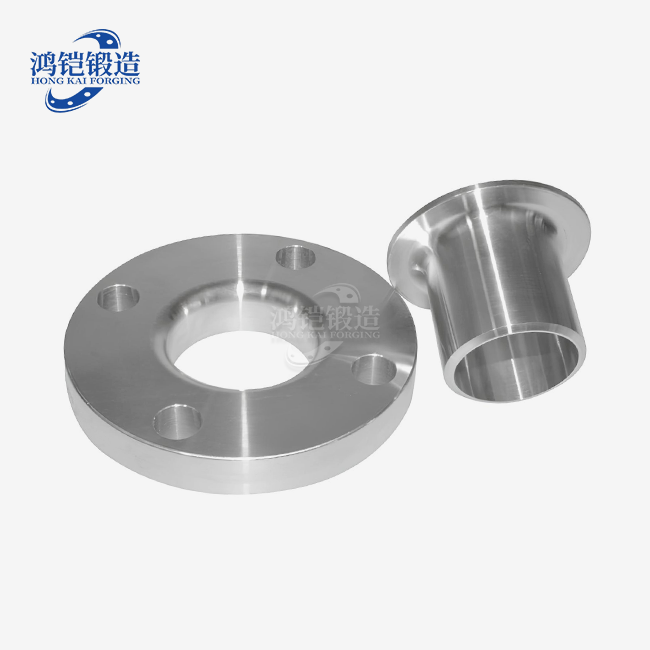
When industrial engineers have to deal with pipe problems that need to be taken apart and reassembled many times, they need to know how Lap Joint Flange work. These special two-part systems have a one-of-a-kind design that combines a stub end soldered to the pipe with a loose backing flange. This allows for easy alignment at any angle without putting any stress on the pipe system. In places where corrosion is a problem, uses that need a lot of upkeep, and complicated retrofit projects, this new configuration meets important technical needs that standard flanges can't.
Understanding Lap Joint Flange Basics
Fundamental Design Principles
The Lap Joint Flange is a high-tech engineering answer for problems with orientation in complicated pipe networks. This assembly is different from most hard flanges because it has two separate parts: a stub end that is butt-welded to the pipe and a loose backing flange that can slide over the pipe assembly. The separation of tasks is what makes engineering so smart. The sealing surface and media contact are on the stub end, and the structural loads and bolt links are on the support flange. Instead of settling for a single material option, this section lets engineers choose the best materials based on specific needs.
Dimensional Standards and Specifications
Several foreign standards, such as ASME B16.5, ASME B16.47, EN 1092-1, DIN, JIS B2220, and GOST, are met by modern lap joint systems. These standards make sure that all global supply chains are the same size. The size runs from DN15 to DN5000, and the pressure values go from PN6 to PN160. Standardization gives buying workers peace of mind that parts will work together no matter where they come from. Ratings for temperature range from -45°C to +400°C, which makes them useful for a wide range of industrial uses, from cold systems to moderate-temperature processes.
Material Selection Considerations
When compared to standard flange designs, the material choices for lap joint systems give you more freedom than ever before. Engineers can choose expensive metals that don't rust, like stainless steel 316L, Inconel, or Hastelloy, for the stub end and use cheaper carbon steel for the backing plate. Costs are cut by a lot with this material optimization approach, especially in harsh chemical settings where rare alloys are needed. Compared to solid foreign metal flanges, this method cuts material costs by 40–60% while keeping the same performance levels.
Detailed Comparison of Lap Joint Flanges with Other Flange Types
Structural and Performance Differences
When you compare lap joint kits to weld neck flanges, the ability to rotate is what stands out as the main benefit. Weld neck flanges need to be precisely aligned before they can be welded. If they are not aligned correctly, stress peaks could happen. These worries are taken away by the loose flange design, which lets you make changes after fitting. Slip-on flanges are similar to lap joint designs in that they are easy to install, but they don't have the same benefits for material efficiency. Because wet parts can't be separated from structural parts, it's hard to choose the right material for harmful uses.
Installation Process Variations
The way that Lap Joint Flange kits are put together is very different from how things are usually done. The backing lip is first slid onto the pipe, and then the short end is welded on to make sure the parts are in the right place. This process lets the field be adjusted without having to join again. Blind flanges are used for something completely different; they terminate systems instead of allowing for flexible connections. Threaded flanges can be removed, but they don't have the pressure-handling capacity or leak-tight integrity needed for important uses.
Cost and Maintenance Implications
Economic research shows that lap joint systems work best in situations where they need to be taken apart often. When compared to cut-and-reweld methods needed for fixed flange types, the reusable backing flange lowers the cost of repair. Maintenance teams like being able to quickly separate when they need to do regular checks or service the equipment. Ring-type joint flanges seal better in high-pressure situations, but they need special covers and close cutting tolerances. The lap joint design gives up the ability to withstand the highest pressures in exchange for operating freedom and lower costs.
Benefits and Applications of Lap Joint Flanges in B2B Settings
Core Industrial Advantages
Lap joints are great because they allow for rotational freedom, which makes it easier to line up pipes that are close together. When bolt hole patterns won't line up because of built-up tolerances or heat expansion, the free-spinning feature gets rid of the need for field modifications.
Here are the primary benefits driving growth across all industries:
- Cost Optimization: Separating materials lets expensive metals be used only where they touch media, which cuts project costs by 40 to 60 percent in acidic situations
- Installation Flexibility: The ability to rotate 360° eliminates alignment problems during field building work
- Maintenance Efficiency: taking things apart quickly without having to cut welds cuts down on downtime during regular checks
- Material Compatibility: Building with a mix of materials improves efficiency and keeps prices low
- Stress Reduction: free flange movement stops pipes from twisting during bolt-up procedures
These benefits all help with buying goals like keeping costs low, making installations go more smoothly, and making sure the system will work reliably for a long time. The combination is especially useful in places that need a lot of upkeep and where the ease of entry has a direct effect on operational costs.
Industrial Application Scenarios
Lap joint kits are used a lot in corrosive media handling systems in chemical processing plants. Being able to choose Hastelloy C276 stub ends with carbon steel backing flanges makes it possible to handle strong acids cost-effectively while keeping the structure's integrity. Water treatment systems are easier to clean because they are easy to take apart. Slurry handling systems need to be accessed often to remove sediment, so the quick-disconnect feature is very important for keeping the process running smoothly. When corrosion resistance needs to be met and room is limited, marine and offshore sites face special problems. The Lap Joint Flange design solves both problems by making the best use of materials and giving installers more options for tight areas.
Pressure Ratings and Safety Compliance
In industrial settings, pressure control must work reliably in a range of service circumstances. Lap joint assemblies can handle pressures between 150# and 2500#, based on the size and type of material used. This is enough for most business needs that aren't very high-pressure. Following safety standards involves doing things like hydrostatic testing, material approval, and checking the dimensions according to the right rules. The flat face shape makes it easier to choose the right gasket while still providing effective sealing across all pressure ranges.
How to Choose and Procure Lap Joint Flanges for Your Projects
Application Assessment Methodology
To choose the right lap joint kits, you need to carefully consider the conditions of use, the suitability of the materials, and the needs of the operation. Start by looking at the properties of the media, such as its corrosivity, temperature range, and patterns of changing pressure, that affect the choice of material. When integrating a system, things to think about include how well the bolt patterns work together, how much room is available, and how easy it will be to do future upkeep. The ability to rotate is most useful in repair situations where the way pipes are set up now limits the fitting options.
Supplier Evaluation Criteria
For procurement to go well, companies must work with suppliers who can show they have complete quality processes and follow global standards. You should check licenses that include ASME, EN 1092-1, and any other standards that apply to your area and business. The ability to make things should include combined production, such as forging, heat treatment, machining, and testing all done in the same building. This combination makes sure that the quality stays the same and cuts down on the complexity of the supply chain and changes in lead times.
Procurement Strategy Optimization
Cost optimization, quality certification, and on-time delivery are all important parts of effective buying strategies. For both the stub end and the backing flange, you should ask for specific material certificates that include chemistry analysis and proof of the mechanical properties. When looking at suppliers, think about the possibility of a long-term relationship. This is especially important for businesses that need to do regular upkeep or are planning to grow. Having established relationships makes it easier to get professional help and get special treatment when there are capacity issues or urgent transportation needs.
Installation Guide and Maintenance Tips for Lap Joint Flanges
Step-by-Step Installation Procedures
The right way to put something starts with checking and preparing the parts. Before starting work in the field, make sure that the dimensions are correct, the surface finish is good, and the materials are certified. Thoroughly clean all the parts, getting rid of any protection layers or dirt that might affect the quality of the welding. Before placing and bonding the stub end, the backing flange must be slid onto the pipe as part of the installation process. This order makes sure that the parts fit together correctly and stops the problems that happen during building that happen when the processes are switched around.
Alignment and Bolting Best Practices
To get the best performance, you need to pay close attention to the torque specs and adjustment details. Most alignment issues are taken care of by the ability to rotate, but make sure the gasket is in the right place and the bolts are engaged before adding the final force values that are required by standards. To make sure the gasket is compressed evenly, use torque tools that have been measured and follow cross-pattern tightening steps. Keep an eye out for any binding or resistance during spinning. This could mean that there are interference issues between components or problems with the dimensions that need to be fixed.
Maintenance and Troubleshooting Guidelines
As part of regular inspections, the sealing surfaces, the state of the bolts, and any signs of rust or wear should be looked at visually. The Lap Joint Flange design makes these checks easier by letting the system be taken apart without making any lasting changes to the pipes. Take care of any leaks right away by using a systematic analysis method that checks the state of the gasket, the torque of the bolts, and the sealing surface. The modular design lets you change parts without causing major system disruptions, which means that corrected maintenance has less of an effect on operations.
Conclusion
By using new ways to separate parts and allow them to rotate, the Lap Joint Flange design is an advanced engineering answer that solves many problems in industry. Cost savings through material separation, installation freedom through 360° rotation, and upkeep efficiency through quick disassembly are just a few of the benefits that make these products so valuable for demanding industrial uses. When engineers know about these features, they can make smart choices that balance performance needs with cost concerns, making sure that important pipe systems will work reliably for a long time.
FAQ - Common Questions About Lap Joint Flanges
What applications benefit most from lap joint flange designs?
Lap joint kits work great in places where metals rust and need expensive, rare alloys, in systems that need to be serviced often, and in repair projects that have trouble aligning parts. Chemical processes, water treatment, and marine uses are the main ones where the benefits of the design outweigh the costs of implementation.
How do material selection criteria differ between stub ends and backing flanges?
Materials for stub ends have to be able to withstand rust, temperature changes, and chemical attacks. 316L stainless steel, Inconel, and Hastelloy are all common choices, but it depends on how hard the service will be. Backing plates hold up structures and are usually made of carbon steel, unless the situation calls for stronger materials.
Can lap joint flanges handle high-pressure applications?
Standard designs can handle pressures of up to 2500# (PN420), but this depends on the size and type of material. But for uses that go beyond these rates, you might need a different kind of flange, like a ring-type joint, which seals better because the metals touch each other instead of relying on gaskets.
Partner with HONG KAI FORGING for Premium Lap Joint Flange Solutions
HONG KAI FORGING makes Lap Joint Flange assemblies that are the best in the world and meet the strict needs of industry uses around the world. Our integrated manufacturing facility in Shanxi Province blends decades of experience with full quality systems that make sure the facility always performs well in a wide range of service situations. Get in touch with kevin.zhao@hkflange.com to talk about your project needs and find out how our qualified lap joint flange maker services can help you save money and time while still providing reliable, cost-effective solutions that go above and beyond industry standards.
References
1. American Society of Mechanical Engineers. "Pipe Flanges and Flanged Fittings: NPS 1/2 through NPS 24 Metric/Inch Standard." ASME B16.5-2020.
2. European Committee for Standardization. "Flanges and Their Joints - Circular Flanges for Pipes, Valves, Fittings and Accessories." EN 1092-1:2018.
3. Becht Engineering Company. "Flange Design and Analysis Guidelines for Industrial Piping Systems." Journal of Pipeline Engineering, Vol. 15, No. 3, 2023.
4. International Association of Engineering Insurers. "Piping Component Selection Criteria for Chemical Processing Applications." Technical Guidelines Series, 2022.
5. National Association of Corrosion Engineers. "Material Selection Guidelines for Corrosive Service Applications in Industrial Piping." NACE Publication 3T199, 2023.
6. Process Industry Practices. "Piping Flange Selection and Application Guidelines." PIP PCZFL001, Revision 2, 2022.
Clear Communication, and Reliable Technical Support