- English
- French
- German
- Portuguese
- Spanish
- Russian
- Japanese
- Korean
- Arabic
- Greek
- German
- Turkish
- Italian
- Danish
- Romanian
- Indonesian
- Czech
- Afrikaans
- Swedish
- Polish
- Basque
- Catalan
- Esperanto
- Hindi
- Lao
- Albanian
- Amharic
- Armenian
- Azerbaijani
- Belarusian
- Bengali
- Bosnian
- Bulgarian
- Cebuano
- Chichewa
- Corsican
- Croatian
- Dutch
- Estonian
- Filipino
- Finnish
- Frisian
- Galician
- Georgian
- Gujarati
- Haitian
- Hausa
- Hawaiian
- Hebrew
- Hmong
- Hungarian
- Icelandic
- Igbo
- Javanese
- Kannada
- Kazakh
- Khmer
- Kurdish
- Kyrgyz
- Latin
- Latvian
- Lithuanian
- Luxembou..
- Macedonian
- Malagasy
- Malay
- Malayalam
- Maltese
- Maori
- Marathi
- Mongolian
- Burmese
- Nepali
- Norwegian
- Pashto
- Persian
- Punjabi
- Serbian
- Sesotho
- Sinhala
- Slovak
- Slovenian
- Somali
- Samoan
- Scots Gaelic
- Shona
- Sindhi
- Sundanese
- Swahili
- Tajik
- Tamil
- Telugu
- Thai
- Ukrainian
- Urdu
- Uzbek
- Vietnamese
- Welsh
- Xhosa
- Yiddish
- Yoruba
- Zulu
Threaded Flange: Installation Tips & Pressure Class Selection
Threaded Flange systems are a key technology in industrial pipe uses where welding isn't safe or cannot be done efficiently. These special parts have threads on the inside that link mechanically with pipes that have threads on the outside. This makes a safe connection without the need for fusion welding. The stability, working safety, and long-term performance of a system in a wide range of industrial settings depend on how it is installed and what pressure class it is set to. This complete guide meets the most important needs of buying managers, project engineers, and supply chain experts who choose piping parts for building projects. Understanding the basic design rules, material requirements, installation methods, and pressure rating standards helps you make smart decisions that lower project risks and increase operating efficiency. Global business-to-business clients can use this technical framework to compare providers and make buying plans for Threaded Flange uses in the heavy manufacturing, petroleum, energy, and water treatment industries.
Understanding Threaded Flanges: Design, Materials & Standards
Core Design Principles and Mechanical Function
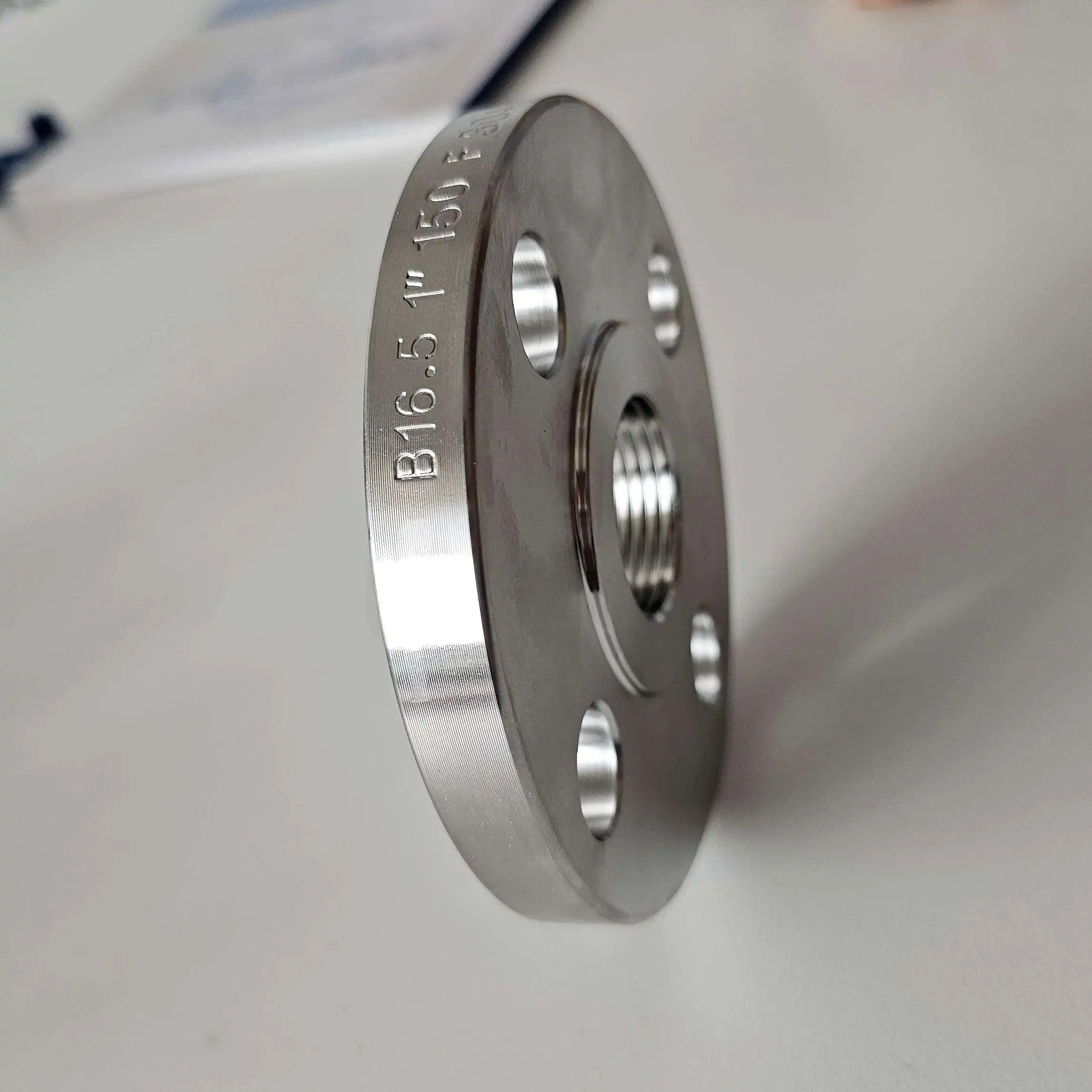
Threaded Flanges have curved internal threads that meet ASME B1.20.1 standards. These threads interfere mechanically with the outward threads on pipes. When properly torqued, the 60-degree thread shape with smoothed crests and valleys seals metal to metal. This way of joining pipes mechanically gets rid of heat-affected areas that can weaken the pipe structure. This makes these parts necessary for situations where welding could be dangerous or damage protective coats. The design naturally solves important problems in the business, especially in dangerous places where sparks can cause explosions. These links allow chemical plants, refineries, and food processing plants to set up pipe systems without needing hot work permits. The mechanical link also protects the galvanized coats on the steel lines from corrosion over the whole duration of the system.
Material Selection and Performance Characteristics
Materials that are strong, don't rust, and don't cost a lot of money are needed for Industrial Threaded Flange uses. For general-purpose uses, carbon steel flanges made from ASTM A105 cast material are the industry standard. They work reliably in temperatures ranging from -29°C to 538°C, based on the pressure class ratings. Stainless steel types that use ASTM A182 F304 and F316 grades are better at resisting rust in chemical processing and sea settings. The austenitic texture keeps the metal flexible over a wide range of temperatures and stops chloride stress corrosion cracks. Alloy steel types like ASTM A182 F5, F9, and F11 can be used for high-temperature applications, but system design needs to be careful because of thermal expansion.
International Standards Compliance and Quality Assurance
Regulatory compliance makes sure that all global projects can work together and are safe. ASME B16.5 sets the measurements for pipe sizes NPS ½" to 24" with pressure values from Class 150 to Class 2500. The European EN 1092-1 standards cover sizes from DN10 to DN100 and pressures from PN6 to PN40. With 10K to 20K pressure ranges, Threaded Flange JIS B2220 guidelines meet the needs of the Japanese market. Checking the quality of a product during production includes testing its hydraulic pressure according to the rules, checking its dimensions with coordinate measuring machines, and confirming the material's authenticity through spectroscopic analysis. These quality control steps make sure that the product is reliable and meets all the rules that are needed for important infrastructure uses.
Installation Tips for Threaded Flanges: Step-by-Step Guide
Pre-Installation Inspection and Preparation
A thorough set of pre-installation checks is the first step to a successful Threaded Flange installation. Using go/no-go tools to check the threads makes sure that the dimensions are correct and the surface shine is good. When different metals come together in a system, galvanic rusting can't happen because of material compatibility testing. Cleaning, deburring, and inspecting the threads on the pipe ends are all parts of preparing them so that there are no possible leak tracks. Planning a project is affected by environmental factors. The temperature of the air affects how much a material expands, and the amount of humidity affects how a thread solution is used. Setting up the work area includes putting tools in order, checking the safety gear, and, if needed, validating the hot work permit. These steps get things ready for the linking process so that it goes smoothly and doesn't cause any delays.
Installation Procedure and Best Practices
The order of the installations follows standard procedures in the business that improve the reliability of the link. Using PTFE-based seals to apply thread compound gives it chemical protection and stops galling during assembly. Before adding mechanical force, hand threading engagement makes sure that the threads are lined up correctly. Placing the wrench on the hex sides of the flange stops the pipe from warping and keeps the threads straight. To apply torque, follow the manufacturer's instructions, making sure to account for the lubricity of the thread compound and the temperature of the area. Leaks happen when the torque is too low, and thread stripping or flange breaking can happen when the torque is too high. Using calibrated tools to measure torque makes sure that the quality of work is the same for all links. It is common for two or three threads to be visible after the final connection, which makes full flange face contact.
Quality Control and System Validation
Post-installation proof checks the connection's security in a number of different ways. Visual analysis finds thread engagement problems, flange face gaps, and compound extrusions that could mean there were problems with the fitting. Leak-tight performance in real-world situations is confirmed by pressure tests with inert gases or compatible liquids. System paperwork, such as force records and pressure test results, helps with planning maintenance and meeting regulatory requirements.
How to Select the Right Pressure Class for Threaded Flanges
Critical Selection Parameters and Operating Conditions
When choosing a pressure class for a Threaded Flange application, it's important to look at all of the working factors that affect how reliable the connection is. The right rates are based on how the system's pressure, temperature, and the properties of the fluid work together to keep safety margins high throughout the system's lifetime. Other stress factors that affect long-term performance are corrosive media, temperature cycle, and vibration exposure. Process fluid analysis finds the levels of corrosivity that affect the choice of material and changes to the pressure rating. Hydrocarbons, acids, and caustic liquids all cause different types of rust that weaken the material of flanges over time. Changes in temperature cause thermal stress cycles that can break a link or a component if the right number is not chosen.
Comparative Analysis with Alternative Flange Types
Because of the way mechanical stress is concentrated at the thread roots, threaded joints can handle more or less pressure than bonded ones. Class 150 Threaded Flanges can usually handle lower pressures than similar weld neck designs. This is especially true for bigger sizes, where thread depth is limited by wall thickness. In high-pressure services, where welding links work better, this relationship affects the choice of application. Size limits also affect the choice of pressure class. For example, for higher pressure classes, threaded joints are usually limited to NPS 4 or smaller. Welded flanges are better at keeping air inside and less likely to leak in larger diameter uses. Knowing these trade-offs between speed and usability helps choose the right technology for a given job.
Industry Case Studies and Application Examples
Oil and gas uses show how to choose the right pressure class for a variety of working conditions. Class 150 Threaded Flange connections are usually used for NPS 2 and smaller lines that work at a maximum pressure of 150 PSIG in instrument air systems. In order to handle 600 PSIG working pressures while still meeting safety standards, natural gas distribution systems may need Class 300 ratings. For potable water delivery systems that work below 200 PSIG, water treatment plants use Class 150 grades. Chemical processing companies often ask for rates of Class 300 or higher to handle high process pressures and allow for corrosion in harsh media. The connection between working conditions and choosing the right pressure class is shown by these real-life examples.
Decision-Making Guide: Choosing the Best Threaded Flange for Your Needs
Performance Comparison with Alternative Connection Types
To make a good choice about a flange, you need to know how the performance of threaded and other connection methods compares. Slip-on flanges are reliable when welded and use less material, but they need to be welded by a trained worker and heat-treated afterward in some situations. Socket weld flanges are better at resisting stress for small-sized pipes, but they have the same problems as other welds, like needing a hot-work permit and coating damage. Weld neck flanges are the best way to keep pressure in check and spread stress in vital high-pressure situations. But the need to weld makes installation more difficult and raises safety issues in dangerous places. Lap joint flanges let you take off the bolts to change the gasket, but they need backing flanges, which add to the cost of the materials and make the fitting more difficult. The mechanical connection advantage of Threaded Flange systems becomes particularly valuable in retrofit situations where current processes can't handle welding. Installation times that are 40–60% shorter than those of soldered options save a lot of money on labor-intensive projects and get rid of the need for X-ray inspections, Threaded Flange, which slow down projects.
Material Selection Strategy and Cost Optimization
When choosing materials, it's important to find a balance between performance needs and price limits, while also making sure that regulations are followed. Carbon steel flanges are a cheap way to solve problems in general-purpose situations where corrosion rates are okay over the design lifetimes. Upgrades made of stainless steel are better for places where metals rust, but they cost 300–400% more than carbon steel options. Alloy steel options can handle high-temperature tasks that are too hard for carbon steel while still charging fair extras. Duplex stainless steels are stronger and less likely to rust in tough situations, but they need to be sourced in a certain way and take longer to arrive. Understanding these cost-performance relationships lets you choose the best material based on how much it will cost over its entire life, not just how much it costs at first.
Supplier Evaluation and Procurement Considerations
Partnering with reliable suppliers ensures regular product quality and shipping performance, which is necessary for the project to be a success. Well-known companies like HONG KAI FORGING offer full quality reports, material certifications, and expert help that lower the risks of buying from them. When judging a supplier, you should look at their manufacturing skills, quality certifications, product availability, and their ability to help with global transportation. When making procurement plans, it's helpful to know about the minimum order amounts, wait times, Threaded Flange, and customization options that affect project planning. Opportunities to buy in bulk can save you money on big projects while keeping your goods turning over quickly. The location of the supplier affects shipping prices and delivery times, which in turn affect the project's budget and plan.
Conclusion
Choosing the right Threaded Flange and installing it correctly are important choices that affect the performance, safety, and working efficiency of an industrial piping system. The right choice of pressure class provides enough safety margins, and the right choice of material strikes a mix between resistance to corrosion and cost-effectiveness. Best practices for installation stop common types of failure, and quality control checks the stability of the link. When procurement managers and engineers understand these technical factors, they can make decisions that improve the results of a project while lowering its lifetime costs and practical risks.
FAQ
1. What are the main reasons why threaded fittings are better than bonded ones?
When you use Threaded Flanges instead of soldered joints, you don't have to worry about sparks in dangerous places, you can keep the protective coatings on galvanized pipes, and the installation time is 40–60% shorter. For repair purposes, they allow non-destructive disassembly without the need for a hot-work permit in busy industrial sites.
2. How do threaded flanges and weld neck flanges compare when it comes to high-pressure uses?
Because stress is concentrated at the thread roots, Threaded Flanges can't handle as much pressure as weld neck designs. Threaded connections are usually limited to Class 600 or less in sizes above NPS 2. Weld neck flanges, on the other hand, can handle higher pressures because they distribute stress better and keep the material from breaking.
3. What international standards should be verified when sourcing threaded flanges?
Some important standards are ASME B16.5 for use in North America, EN 1092-1 for use in Europe, JIS B2220 for use in Japan, and GOST guidelines for use in Russia. The thread sizes should be in line with ASME B1.20.1, and the material details should be in line with ASTM or a similar foreign standard.
Contact HONG KAI FORGING for Premium Threaded Flange Solutions
HONG KAI FORGING makes Threaded Flange solutions that are precisely designed to meet strict international standards and offer great value to industry buying teams. Forging, heat treatment, machining, and quality testing are just a few of the many things we can do in-house to make sure that the quality of our products is always high and our wait times are affordable. Get in touch with kevin.zhao@hkflange.com right away to talk about your specific needs and find out how our experienced team can help you get the most out of your next project by forming relationships with reliable Threaded Flange suppliers that offer performance, compliance, and cost-efficiency.
References
1. American Society of Mechanical Engineers. "Pipe Flanges and Flanged Fittings: NPS 1/2 through NPS 24 Metric/Inch Standard." ASME B16.5-2020.
2. European Committee for Standardization. "Flanges and Their Joints - Circular Flanges for Pipes, Valves, Fittings and Accessories." EN 1092-1:2018.
3. American Society for Testing and Materials. "Standard Specification for Carbon Steel Forgings for Piping Applications." ASTM A105/A105M-21.
4. Bickford, John H. "Gaskets and Gasketed Joints, Second Edition." CRC Press, 2016.
5. Singh, Karan P. "Mechanical Design of Heat Exchangers and Pressure Vessel Components." Arcturus Publishers, 2004.
6. Brown, Walter C. "Flanged Joint Assembly and Maintenance Procedures for Industrial Applications." Industrial Press, 2019.
Clear Communication, and Reliable Technical Support
_1788493431992.webp)
_1788487627360.webp)
_1787370234928.webp)