- English
- French
- German
- Portuguese
- Spanish
- Russian
- Japanese
- Korean
- Arabic
- Greek
- German
- Turkish
- Italian
- Danish
- Romanian
- Indonesian
- Czech
- Afrikaans
- Swedish
- Polish
- Basque
- Catalan
- Esperanto
- Hindi
- Lao
- Albanian
- Amharic
- Armenian
- Azerbaijani
- Belarusian
- Bengali
- Bosnian
- Bulgarian
- Cebuano
- Chichewa
- Corsican
- Croatian
- Dutch
- Estonian
- Filipino
- Finnish
- Frisian
- Galician
- Georgian
- Gujarati
- Haitian
- Hausa
- Hawaiian
- Hebrew
- Hmong
- Hungarian
- Icelandic
- Igbo
- Javanese
- Kannada
- Kazakh
- Khmer
- Kurdish
- Kyrgyz
- Latin
- Latvian
- Lithuanian
- Luxembou..
- Macedonian
- Malagasy
- Malay
- Malayalam
- Maltese
- Maori
- Marathi
- Mongolian
- Burmese
- Nepali
- Norwegian
- Pashto
- Persian
- Punjabi
- Serbian
- Sesotho
- Sinhala
- Slovak
- Slovenian
- Somali
- Samoan
- Scots Gaelic
- Shona
- Sindhi
- Sundanese
- Swahili
- Tajik
- Tamil
- Telugu
- Thai
- Ukrainian
- Urdu
- Uzbek
- Vietnamese
- Welsh
- Xhosa
- Yiddish
- Yoruba
- Zulu
What Is a Threaded Flange and How Does It Work in Pipe Networks?
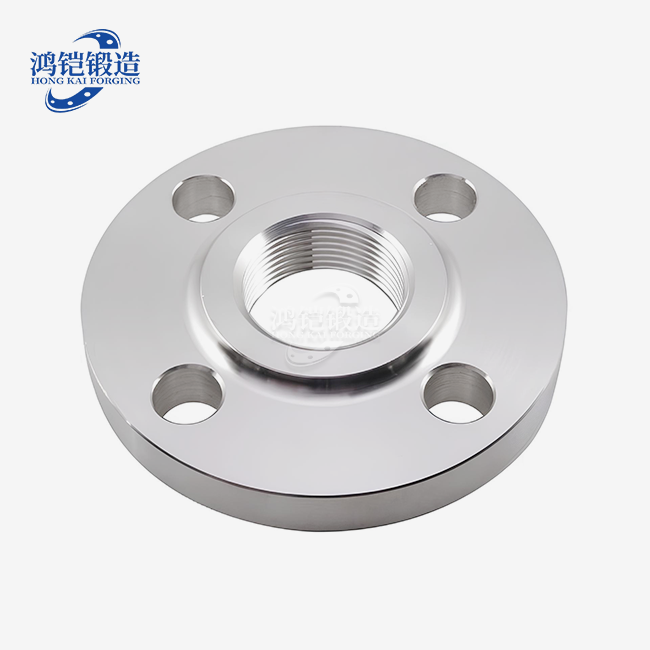
A Threaded Flange is a specialized piping component featuring internal threads that mechanically connect to pipe external threads, creating secure joints without welding requirements. This mechanical joining method eliminates heat-affected zones and provides reliable seals through thread interference, making it essential for hazardous environments where welding poses safety risks. The tapered thread profile follows a 60-degree angle with flattened crests and valleys, forming metal-to-metal seals as connections tighten, ensuring leak-tight performance in industrial piping networks.
Understanding Threaded Flanges: Definition and Function
In industrial pipes where welding is not an option, Threaded Flange connections are a basic answer. As required by ASME B1.20.1, these mechanical parts have internal tapered threads that make links reliable through thread contact instead of fusion welding.
Core Design Principles
Precision thread machining that exactly fits the outside threads of the pipe is at the heart of the technical design. When placed correctly, the tapered threads create a pressure-tight seal by compressing more and more as they contact. Because of this mechanical delay, most situations don't need any extra sealing solutions. However, thread sealant can be used to make leak defense even better.
Operational Mechanism in Pipe Networks
The flanges act as connecting places between pipes and tools like valves, pumps, and instruments in piping systems. The threaded connection makes it possible to place the part by rotating it, which makes alignment easier than with bonded connections. During use, the system pressure makes the seal stronger by pressing the threads together more tightly. Because they aren't joined, the pipe material qualities and coats are kept. This is especially important for galvanized steel systems, where welding would destroy the protective zinc layers. This maintenance makes the system last longer and keeps the network's rust resistance high.
Key Technical Aspects of Threaded Flanges
International guidelines control how screwed flanges are made and how they are used, making sure that they work the same way in all markets around the world. Knowing these technical details helps people who work in buying make smart choices about which systems will work with each other and what level of performance they can expect.
Standards Compliance and Specifications
Multiple foreign standards, such as ASME B16.5 for size Threaded Flange and pressure values, EN 1092-1 for use in Europe, DIN standards for Germany, and JIS B2220 for Japan. The broad standard covering makes sure that it works with a wide range of project needs around the world. Pressure values from PN6 to PN160 are available, which is the same as ASME Class 150 to Class 600. Sizes ranging from DN15 to DN5000 are also available. Best practices in the industry, on the other hand, say that they should only be used on sizes below NPS 4 and pressure classes below 600# to reduce the risk of leaks.
Material Selection and Performance
For most uses, carbon steel (ASTM A105) is the usual material because it is strong and doesn't cost much. Stainless steel types (ASTM A182 F304/F316) are better at resisting corrosion in chemical handling settings. Alloy steel can be used for high-temperature tasks up to 538°C, but changes in thermal expansion need to be carefully thought through.
Installation Guidelines and Safety Protocols
To get the best performance, the right fitting needs certain torque values and thread engagement levels. The threads should connect all the way, but don't tighten them too much because that can damage the threads or bend the flange. To keep pipes from stressing out during assembly, installation teams must use the right pipe tools and support fixings. Over time, changes in temperature and pressure can affect how well threads connect with each other. This is why checking and retightening are part of routine maintenance procedures. This expected repair need is good for places that need to access systems often to clean them or make changes.
Threaded Flange vs. Other Flange Types: Making the Right Choice
Choosing the right flange types has a direct effect on how reliable the system is, how much it costs to install, and how often it needs to be maintained. Depending on the purpose and practical requirements, each type of flange has its own benefits.
Comparison with Welded Alternatives
For high-pressure and high-temperature uses, weld neck flanges are the best choice because they are stronger. But they usually need trained workers, an X-ray, and a heat treatment after the welding process. With Threaded Flange connections, these steps are not needed, which cuts installation time by 40–60% and keeps workers from needing hot work permits in dangerous places. Slip-on flanges are easier to line up than weld neck types, but they still need to be welded. Socket weld joints are good for small-bore pipes, but they leave cracks that harmful materials can get stuck in. These problems that come up with welding can be avoided with threaded joints, which also keep the structure strong for the right pressure classes.
Application-Specific Selection Criteria
The decision grid has a number of important factors that buying teams need to look at. The basic range of fit is set by system pressure and temperature. Long-term success is affected by how well the materials work together. Installation environment limits, especially those related to hot work, usually lead to threaded methods being chosen. When regular removal is planned, maintenance needs favor threaded connections. Being able to take off flanges without cutting or grinding makes it easier to service equipment and make changes to systems. This ability to be undone is useful in pilot plants, study centers, threaded flanges, and short-term installations.
Procurement Insights for Threaded Flanges in B2B Markets
To make good procurement plans, you need to know what the maker can do, how the market works, and how much it will cost in total, not just the initial purchase price. By building relationships with dependable providers, you can be sure that important projects will always have the quality and service performance you need.
Supplier Evaluation and Selection
Leading companies like Shanxi HongKai Forging Co., Ltd. can do all of their production in one place, including forging, heat treatment, drilling, and testing. Vertical integration makes sure that quality control is maintained throughout the manufacturing process and cuts down on lead times compared to suppliers who use middlemen. Compliance with foreign standards and ISO approval shows that a manufacturing process is mature and that the quality system is working well. Suppliers should show that they can test products using hydrostatic pressure, material approval, and measurement proof that meets the standards.
Pricing Considerations and Total Cost Analysis
Material costs change with the price of steel around the world, so long-term supply deals help with budgeting. Orders that are bigger than the minimum quantity usually get volume discounts, but buying teams have to weigh the cost of keeping goods against the unit price savings. Customization choices, like using non-standard sizes or materials or doing more testing, cost more but may be needed in some situations. Knowing about these extra fees helps with making budgets and creating specifications for projects.
Global Supply Chain Optimization
To ship something internationally, you need to carefully plan the time for labor, paperwork, and packaging. Suppliers who have been exporting for a while know what the rules are and can speed up the customs clearance process. While regional supply sources may offer faster delivery times and lower shipping costs, global supply sources usually offer better prices for standard goods. How these things are balanced rests on how long the project takes and how much money you have.
Applications and Industry Use Cases of Threaded Flanges
Industrial uses cover a wide range of fields where the unique benefits of threaded links solve specific problems. Knowing about these use cases helps people who work in buying find the right goods, threaded flanges for the right jobs.
Oil and Gas Industry Applications
Threaded Flange joints are used a lot in refineries for instrument air lines and other pipes in hazardous areas. Since welding sparks are no longer used, repair and installation can be done in busy places without having to get complicated hot-work permits or shut down production. The ability to quickly place small-bore hydrocarbon lines is helpful, especially during repair windows when time is of the essence. Pipe coats keep their integrity, which protects against rust in harsh settings with hydrogen sulfide and other corrosive chemicals.
Water Treatment and Municipal Systems
These links are used by municipal water treatment plants for galvanized distribution lines because welding would damage the protective coatings. The threaded parts keep the zinc galvanization strong, which increases the system's life and lowers the cost of upkeep. Commercial buildings' fire safety systems use threaded links to protect the galvanized pipe coats that are needed for long-term resistance to rust. The non-destructive placement method makes sure that the protection barriers stay in place all the way through the network of pipes.
Chemical Processing and Manufacturing
Chemical companies that work with toxic materials can use stainless steel threaded flanges to avoid areas that could become corrosive when heated. The mechanical joining method keeps important qualities of the material that make it resistant to chemicals. Pilot plants and research centers like that they can make changes to systems and equipment easily. The reversible links allow for quick reconfiguration without making any lasting changes to the pipe system.
Emerging Applications and Technology Trends
To meet the needs of more demanding uses, threaded flanges are being made with more advanced materials, such as high-performance metals and super-duplex stainless steels. These materials make things last longer in harsh settings while keeping the benefits of threaded connections for easy fitting. Standardized threaded connections are being used more and more in modular pipe systems to make setup and reconfiguration go quickly. This trend backs up ideas for flexible manufacturing and short-term projects that need to be set up and taken down quickly.
Conclusion
Threaded Flange technology is still very important in industrial pipe networks where welding limits, upkeep needs, or installation speed determine technical choices. The mechanical link method has been shown to work reliably and can be used in dangerous areas, with coated pipe systems, or in situations that need to be accessed often. Understanding the technical details, application parameters, and purchasing factors helps you make smart choices that will lead to the best system performance and lowest cost.
FAQ
1. Can threaded flanges be reused after disassembly?
Threaded flanges can usually be used more than once as long as they are treated correctly when they are being removed and put back on. Check the threads for damage, clean them well, and then re-seal them with the right thread cement. But putting it together and taking it apart over and over again may wear down the threads over time, meaning they need to be replaced to keep the leak-tight performance.
2. What materials work best for corrosive environments?
Grades of stainless steel like 316L are very good at resisting rust in most chemical situations. Super-duplex stainless steels or specialty metals like Hastelloy may be needed for harsh conditions with chlorides or acids. When choosing a material, you should look at its chemical interaction data and temperature needs.
3. How do I ensure compatibility between flanges and existing piping systems?
Check to see that the thread pitch, thickness, and taper angle are all exactly the same. Check the flange's pressure values to make sure it meets or beats the system's needs. When two different metals are joined, galvanic rusting doesn't happen because the metals are compatible.
Partner with HONG KAI FORGING for Premium Threaded Flange Solutions
HONG KAI FORGING stands as your trusted Threaded Flange manufacturer, delivering precision-engineered components that meet the most demanding industrial requirements. Our state-of-the-art manufacturing facility in Shanxi Province combines decades of forging expertise with advanced production capabilities, ensuring consistent quality and reliable performance for your critical piping applications. Contact kevin.zhao@hkflange.com today to discuss your specific requirements and discover how our comprehensive product range, global shipping capabilities, and competitive pricing can optimize your supply chain efficiency.
References
1. American Society of Mechanical Engineers. "Pipe Flanges and Flanged Fittings: NPS 1/2 through NPS 24 Metric/Inch Standard." ASME B16.5-2020.
2. European Committee for Standardization. "Flanges and their joints - Circular flanges for pipes, valves, fittings and accessories, PN designated." EN 1092-1:2018.
3. Bickford, John H. "Gaskets and Gasketed Joints, Second Edition." Marcel Dekker Inc., New York, 2003.
4. Nayyar, Mohinder L. "Piping Handbook, Eighth Edition." McGraw-Hill Professional, New York, 2019.
5. Harvey, John F. "Theory and Design of Pressure Vessels." Van Nostrand Reinhold Company, New York, 1985.
6. American Petroleum Institute. "Specification for Line Pipe Flanges." API Specification 6A-2019.
Clear Communication, and Reliable Technical Support
_1788925464817.webp)
_1788850469940.webp)