- English
- French
- German
- Portuguese
- Spanish
- Russian
- Japanese
- Korean
- Arabic
- Greek
- German
- Turkish
- Italian
- Danish
- Romanian
- Indonesian
- Czech
- Afrikaans
- Swedish
- Polish
- Basque
- Catalan
- Esperanto
- Hindi
- Lao
- Albanian
- Amharic
- Armenian
- Azerbaijani
- Belarusian
- Bengali
- Bosnian
- Bulgarian
- Cebuano
- Chichewa
- Corsican
- Croatian
- Dutch
- Estonian
- Filipino
- Finnish
- Frisian
- Galician
- Georgian
- Gujarati
- Haitian
- Hausa
- Hawaiian
- Hebrew
- Hmong
- Hungarian
- Icelandic
- Igbo
- Javanese
- Kannada
- Kazakh
- Khmer
- Kurdish
- Kyrgyz
- Latin
- Latvian
- Lithuanian
- Luxembou..
- Macedonian
- Malagasy
- Malay
- Malayalam
- Maltese
- Maori
- Marathi
- Mongolian
- Burmese
- Nepali
- Norwegian
- Pashto
- Persian
- Punjabi
- Serbian
- Sesotho
- Sinhala
- Slovak
- Slovenian
- Somali
- Samoan
- Scots Gaelic
- Shona
- Sindhi
- Sundanese
- Swahili
- Tajik
- Tamil
- Telugu
- Thai
- Ukrainian
- Urdu
- Uzbek
- Vietnamese
- Welsh
- Xhosa
- Yiddish
- Yoruba
- Zulu
Welding Neck Flange Benefits for Cryogenic & High Temp Lines
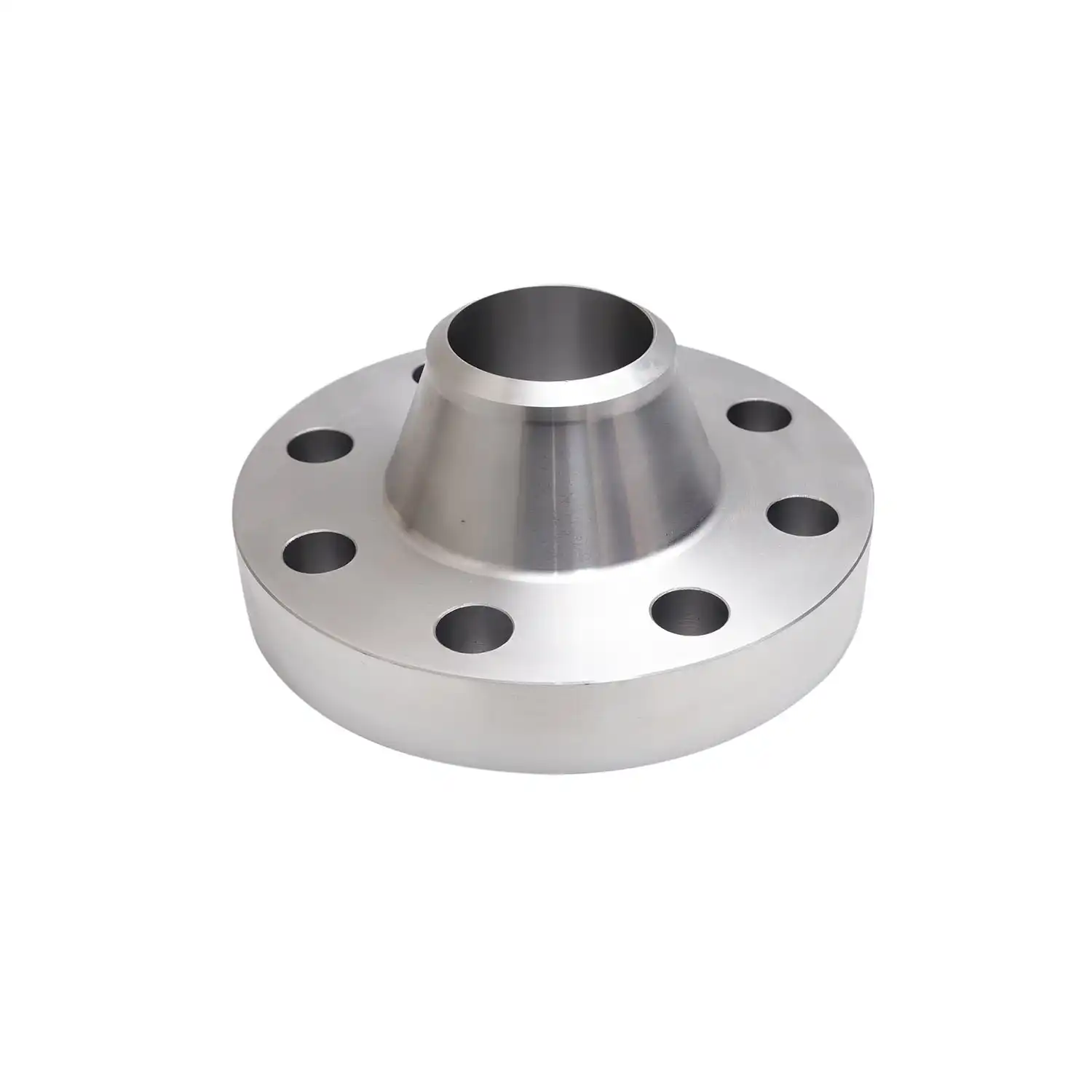
When operating critical pipeline systems in extreme temperature environments, the choice of connection components, Welding Neck Flange, can determine the difference between reliable performance and catastrophic failure. For high-integrity piping uses, Welding Neck Flange technology is the gold standard. It has better structural design and performance features than other flange options. These unique parts have a long, curved hub that is designed to be butt-welded. This makes sure that the stress is distributed evenly and the joints don't leak, which is important for cold and high-temperature environments where safety and dependability must be maintained.
Understanding Welding Neck Flanges: Design, Specifications, and Materials
Advanced Structural Engineering for Extreme Conditions
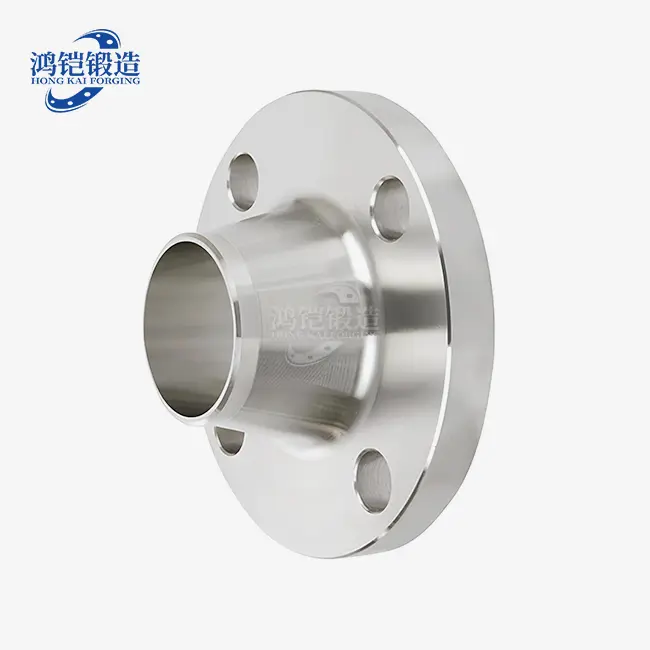
The Welding Neck Flange uses complex engineering ideas to deal with the special problems that come up in high-temperature settings. The unique tapered hub design makes the change from the flange face to the pipe wall gradual. This moves stress concentrations away from key joint points. This engineering method makes fatigue resistance much better under cyclic loading situations that are typical in heat cycle processes. The inside diameter of these flanges is carefully machined to match the inside diameter of the joining pipe. This makes a smooth flow path that removes turbulence and lowers the risk of erosion and corrosion. This design factor is especially helpful in cold settings, where the movement of fluids and their ability to withstand temperature shock are very important.
Comprehensive Standards Compliance and Specifications
Modern Welding Neck Flange units made by HONG KAI FORGING are safe and compatible around the world because they meet many international standards. Some of the types of specifications are ASME B16.5 for NPS ½" to 24" diameters with pressure values from Class 150 to Class 2500 and ASME B16.47 for NPS 26" to 60" diameters. EN 1092-1 compliance covers sizes from DN10 to DN2000 and pressures from PN6 to PN400, which is useful for European uses. The choice of material is very important for performance in high temperatures. For everyday use, carbon steel grades like A105 are very strong, while stainless steel grades like A182 F304 and F316L are much more resistant to rust. Alloy steels like A182 F11 and F22 are better at withstanding high temperatures, which is important for superheated steam uses that go over 500°C.
Face Type Options and Surface Specifications
Multiple face designs make sure that the best closing performance is achieved in a wide range of situations. Designs with a raised face (RF) can use normal gasket materials, and designs with a ring-type joint (RTJ) can lock metals together under high pressure and temperatures. Specifications for the surface finish range from 125 to 250 µin Ra. This ensures that the gasket fits properly and that the seal stays intact over time.
Key Benefits of Welding Neck Flanges in Cryogenic & High Temp Applications
Superior Structural Integrity Under Extreme Conditions
Welding Neck Flange systems have the best structural performance in harsh thermal conditions because of their tapered hub shape. The slow change in thickness controls the spread of thermal stress well, avoiding areas of high stress that could cause the material to fail early. In cold uses, where sudden changes in temperature can cause severe thermal shock, this design advantage is especially important. Industrial testing has shown that weld neck shapes can handle internal pressures of more than 5,000 PSI while still keeping their structural integrity when mechanical loads are applied from the outside. The butt-weld connection method makes the strongest joint possible in flange technology. It keeps the most pressure inside and is resistant to outside forces that often affect pipeline systems.
Enhanced Safety and Leak Prevention
Extreme temperature uses need zero-tolerance methods to ensure system integrity for safety reasons. The smooth-bore design gets rid of flow limits and turbulence that could cause erosion and rust in harsh working conditions. Because the butt-welded connection lowers the risk of fugitive emissions by a lot compared to other connection methods, these flanges must be used for dangerous chemical handling. Being able to do a full radiography inspection of butt-weld joints makes sure that the quality of the weld is checked all the way through the link. This checking feature is very useful in serious situations where a failed joint could cause damage to the environment or a safety risk.
Thermal Expansion Accommodation
Temperature cycling in harsh working conditions makes it very hard for pipelines to stay intact. The gradual change in thickness in weld neck designs handles thermal stresses well, keeping the weld from leaking during temperature cycle activities. This thermal expansion accommodation makes the system last longer and needs less upkeep in a wide range of situations, from processing LNG to distributing superheated steam.
Comparing Welding Neck Flanges with Other Flange Types for Critical Lines
Performance Analysis Across Flange Technologies
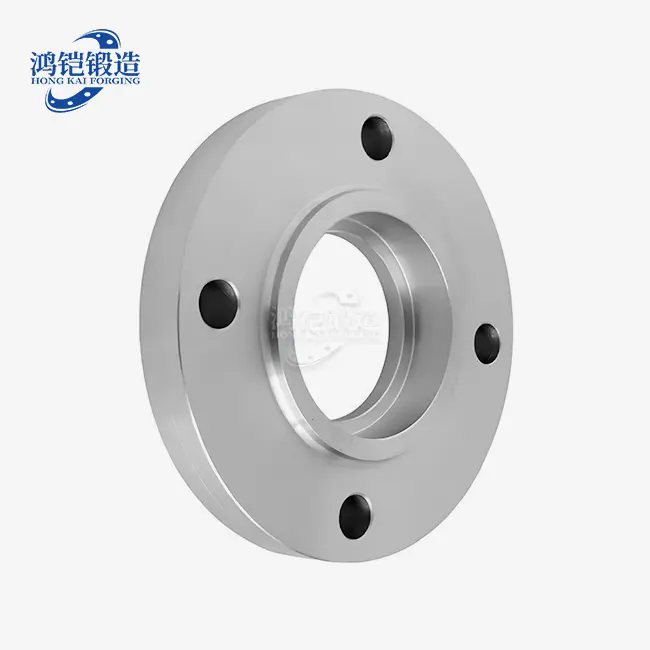
Knowing how the different types of flanges compare in terms of performance lets you make smart buying decisions for important uses. The comparison shows that Welding Neck Flange technology has big benefits over other options for use in high-temperature service. Slip-on flanges are easy to place, but they don't have the structural strength needed for high-temperature and high-pressure situations. The fillet weld link makes stress concentration points that can cause the part to break too soon when the temperature changes. Socket weld flanges are stronger than slip-on designs, but they still can't match the butt-weld durability of weld neck designs.
Pressure Rating and Temperature Capabilities
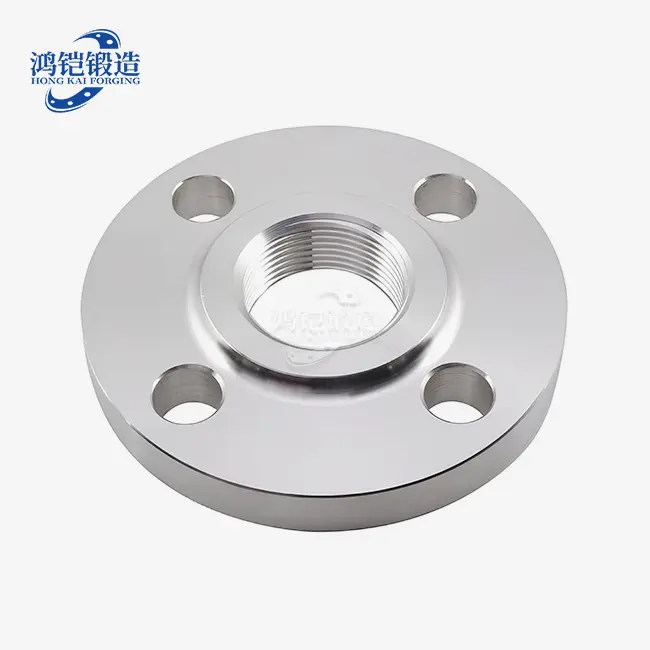
When it comes to keeping air in, Welding Neck Flange components are much better than threaded or lap joint options. Threaded connections might work for low-pressure situations, but they can't really keep out leaks when used in cold or high-temperature settings. Lap joint flanges are better than welded links when it comes to aligning bolts, but they lose joint strength in the process. In pipeline systems, blind flanges are useful for different things, but they can't provide the flow properties and structural performance of weld neck designs. Weld neck flanges are the best choice for tough industrial uses because they can handle high temperatures and high pressures at the same time.
Installation Complexity and Long-term Reliability
It's more difficult to put weld neck flanges than bolt-on alternatives, but the long-term benefits of dependability far outweigh the initial difficulty. The butt-weld placement method allows for full entry welding and radiographic inspection, which guarantees a high-quality joint that can't be reached with other methods. Compared to other types of flanges, the sturdy design keeps the joint from breaking down over time, which means lower lifetime costs and less downtime. This advantage in stability is especially useful in situations where repair workers can't easily get to the system or where system downtime costs a lot to run.
How to Select and Procure Welding Neck Flanges for Your Project
Material Selection Criteria for Extreme Conditions
To choose the right materials for a Welding Neck Flange for cold and high-temperature uses, you need to carefully look at the service conditions and performance needs. Carbon steel grades are strong and affordable for use in mild temperatures. Stainless steel grades, on the other hand, are better at resisting rust and are tough enough to be used in cryogenic environments. In situations where the temperature goes above 400°C, normal carbon steels may lose some of their power, so alloy steels are needed. When choosing, it's important to think about more than just temperature ranges. Chemical compatibility, pressure needs, and the way the material changes temperature are all things that are unique to each application.
Quality Assurance and Certification Requirements
To buy important parts for pipes, you need to follow strict quality control procedures and keep a lot of certification paperwork. Manufacturers of Welding Neck Flange products, such as HONG KAI FORGING, offer material test certificates, measurement inspection records, and proof that their products meet the requirements of important international standards. To make sure that the quality is the same from one production run to the next, the manufacturing process should include checking the heat treatment, trying the mechanical properties, and looking at the surface finish. Third-party inspection services can add to the quality assurance for important applications where a failed component could have big effects.
Supply Chain Considerations and Lead Time Planning
When deciding how to buy something, it's important to think about how long it will take to make it, especially if the size or material isn't normal. Standard designs from DN15 to DN4000 usually have shorter shipping times, but custom specs may need longer production times. The global supply chain makes sure that deliveries to project sites around the world are always on time, and strict rules for packing and shipping keep products safe while they're being shipped. Talking to makers during the buying process helps make sure that shipping times work with the installation needs and project timelines.
Installation Best Practices for Welding Neck Flanges in Critical Pipeline Systems
Welding Procedures and Quality Control
To put Welding Neck Flange units correctly, you need to follow qualified welding methods and strict quality control rules. To get the design strength and rust resistance, the butt-weld joint preparation must make sure that the heat treatment goes through completely and that the joint is properly heated. The amount of preheating needed depends on the material and the temperature of the surroundings, especially when the temperature is low. Welding order and heat input control stop warping that could change how flat the flange face is and how well the gasket seals. For some types of materials, a heat treatment after welding might be needed to recover their mechanical qualities and get rid of any remaining stresses that could cause stress corrosion cracking.
Alignment and Fit-up Verification
Accurate alignment during installation makes sure that stress is distributed evenly and stops failure before it's supposed to happen in use. To get a good joint, the gap and mismatch tolerances must be within the limits set by welding standards. Fit-up proof checks the line of the bore, the parallelism of the flange face, and the correct gap sizes around the circle. During welding, temporary support structures may be needed to keep things in line, especially for larger diameter flanges, where gravity could change the shape of the joint. Using backing bands or consumable plugs can improve the quality of the root pass and make sure Welding Neck Flange that the weld goes all the way through in tough welding spots.
Inspection and Testing Protocols
Comprehensive checking procedures make sure that the quality of the joint is checked and that it meets the design requirements. Visual checking finds flaws on the surface and checks that the dimensions are correct. Liquid penetrant testing finds breaks in the surface that could affect how well the product works. Radiographic examination gives a full volumetric look at the weld joint, making sure that the whole link is structurally sound. Before the system is put into service, pressure testing makes sure it works properly under controlled conditions. For safety reasons, hydrostatic testing methods must take into account the qualities of the material and the highest and lowest temperatures that can be reached. Recording inspection data helps with quality control and finding problems in serious situations.
Conclusion
Since weld neck flanges work better than other types, they are required for cryogenic and high-temperature pipeline uses that must maintain safety and dependability. Because they can handle high pressures, have a tapered hub design, and can adapt to temperature cycling, these parts are the best choice for harsh working conditions. The wide range of material choices, installation options, and compliance with all standards make sure that they can work with a wide range of industry needs while still keeping the greatest levels of safety and operational integrity.
FAQ
1. What makes welding neck flanges suitable for extreme temperature applications?
Weld neck flanges are better at distributing heat stress than other types of flanges because their hubs are curved. The steady change in thickness allows for heat expansion and contraction while keeping the structure strong. The butt-weld link makes the strongest part possible, one that can handle changes in temperature without letting leaks happen.
2. How do pressure ratings compare between weld neck and other flange types?
Weld neck flanges can handle the most pressure of any type of flange, with values from Class 150 to Class 2500 according to ASME B16.5 standards. Slip-on, threaded, and socket-weld connections don't hold pressure as well as butt-weld connections, which is why they are necessary for high-pressure uses over 1,000 PSI.
3. What inspection capabilities are available for weld neck flange installations?
The shape of the buttweld allows for full radiographic viewing of the joint, which lets the quality of the weld be checked all the way through the link. Other types of flanges don't let you do this kind of checking, which is very important in situations where a joint failure could put people in danger or damage the environment.
4. Which material grades are recommended for cryogenic service?
Grades of stainless steel like A182 F304L and F316L are very tough at low temperatures and don't rust, making them perfect for use in cold environments. These materials keep their impact strength at temperatures below -196°C and are better at handling thermal shock than carbon steel options.
5. How do installation costs compare with other flange types?
Even though welding may make the initial construction costs higher, weld neck flanges have lower lifecycle costs because they last longer and need less upkeep. When it comes to important applications where system downtime costs a lot, the longer service life and better performance features save a lot of money.
Partner with HONG KAI FORGING for Premium Welding Neck Flange Solutions
HONG KAI FORGING delivers world-class Welding Neck Flange manufacturing capabilities specifically engineered for your most demanding cryogenic and high-temperature applications. Our integrated production facilities in Shanxi Province combine advanced forging, heat treatment, and precision machining technologies to produce flanges meeting ASME B16.5, EN 1092-1, and DIN standards with specifications from DN15 to DN4000. As a trusted Welding Neck Flange supplier, we provide comprehensive material certifications, dimensional inspection reports, and global logistics support to ensure your critical pipeline projects achieve optimal performance and reliability. Contact kevin.zhao@hkflange.com today to discuss your specific requirements and experience the quality advantage that has made us a leading partner for industrial procurement teams worldwide.
References
1. American Society of Mechanical Engineers, "ASME B16.5 Pipe Flanges and Flanged Fittings: NPS 1/2 through NPS 24 Metric/Inch Standard," ASME Press, 2020.
2. European Committee for Standardization, "EN 1092-1 Flanges and their joints - Circular flanges for pipes, valves, fittings and accessories," CEN Publications, 2018.
3. Bhandari, V.B., "Design of Machine Elements: Flanged Joints and Pressure Vessel Connections," McGraw-Hill Education, 2019.
4. Petroleum Equipment Institute, "Flange Selection and Installation Guidelines for Extreme Temperature Service," PEI Technical Publication, 2021.
5. International Association of Oil & Gas Producers, "Piping Systems Design and Installation Standards for Cryogenic Applications," IOGP Report 456, 2020.
6. American Petroleum Institute, "API 605 Large Diameter Carbon Steel Flanges," API Standards Department, 2019.
Clear Communication, and Reliable Technical Support
_1789352446138.webp)