- English
- French
- German
- Portuguese
- Spanish
- Russian
- Japanese
- Korean
- Arabic
- Greek
- German
- Turkish
- Italian
- Danish
- Romanian
- Indonesian
- Czech
- Afrikaans
- Swedish
- Polish
- Basque
- Catalan
- Esperanto
- Hindi
- Lao
- Albanian
- Amharic
- Armenian
- Azerbaijani
- Belarusian
- Bengali
- Bosnian
- Bulgarian
- Cebuano
- Chichewa
- Corsican
- Croatian
- Dutch
- Estonian
- Filipino
- Finnish
- Frisian
- Galician
- Georgian
- Gujarati
- Haitian
- Hausa
- Hawaiian
- Hebrew
- Hmong
- Hungarian
- Icelandic
- Igbo
- Javanese
- Kannada
- Kazakh
- Khmer
- Kurdish
- Kyrgyz
- Latin
- Latvian
- Lithuanian
- Luxembou..
- Macedonian
- Malagasy
- Malay
- Malayalam
- Maltese
- Maori
- Marathi
- Mongolian
- Burmese
- Nepali
- Norwegian
- Pashto
- Persian
- Punjabi
- Serbian
- Sesotho
- Sinhala
- Slovak
- Slovenian
- Somali
- Samoan
- Scots Gaelic
- Shona
- Sindhi
- Sundanese
- Swahili
- Tajik
- Tamil
- Telugu
- Thai
- Ukrainian
- Urdu
- Uzbek
- Vietnamese
- Welsh
- Xhosa
- Yiddish
- Yoruba
- Zulu
Top 5 Threaded Flange Applications Across Industrial Sectors
Threaded Flange connections are used a lot in industrial pipe systems across many fields to make safe, leak-proof structures without the need for welding. These mechanical links work great in chemical plants, water treatment facilities, power plants, HVAC installations, and oil and gas operations. Threaded connections are very useful because they have internal threads that match pipe threads. This makes fitting quick and protects the pipe and its coverings.
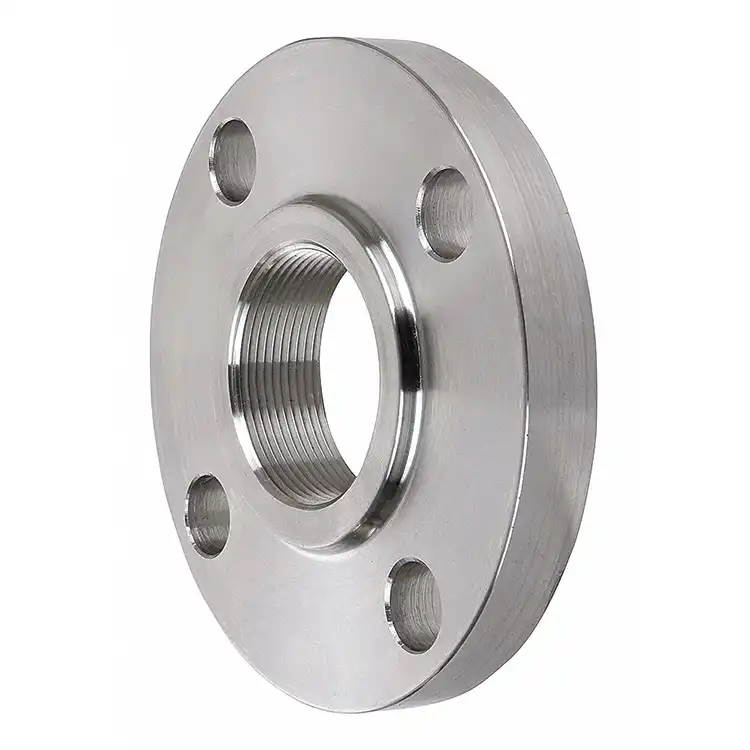
Understanding Threaded Flanges and Their Industrial Relevance
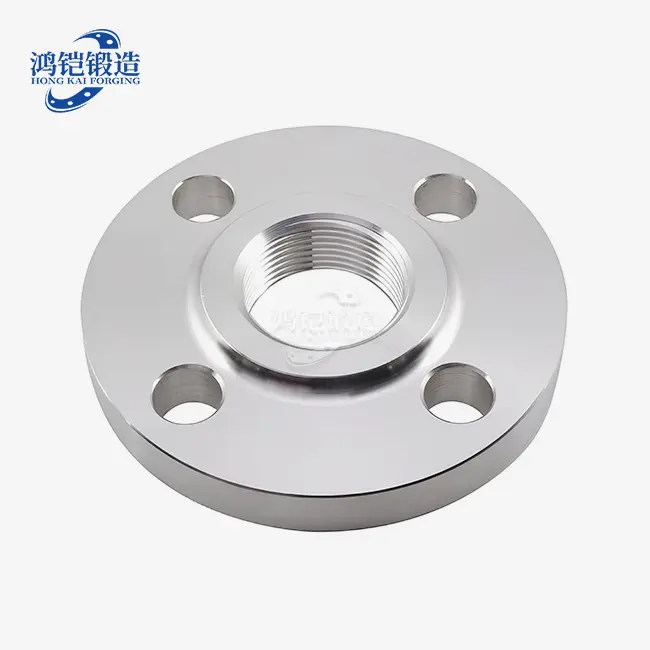
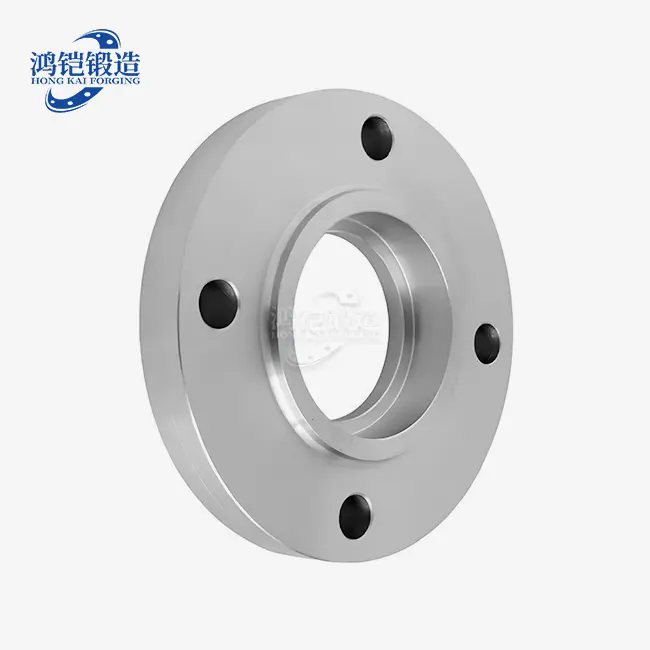
Threaded Flange parts are complex mechanical connections with precisely cut internal threads that are meant to fit perfectly with pipes that have threads on the outside. This engineering method gets rid of the need for welding while making links that are strong and won't leak, perfect for a wide range of industrial uses.
Design Specifications and Standards Compliance
These special flanges have curved internal threads that meet ASME B1.20.1 standards. Instead of fusion welding, thread interference is used to make strong mechanical joins. The tapered thread shape stays at a 60-degree angle with smoothed crests and valleys, which makes metal-to-metal seals when it's pressed enough. This way of joining pipes mechanically gets rid of heat-affected areas that could weaken the structure of the pipe. There are a lot of different foreign standards for manufacturing, such as ASME B16.5 for North American markets, EN 1092-1 for European uses, DIN standards for German projects, and JIS B2220 for Japanese installs. The pressure levels go from PN6 to PN160, and you can choose from Class 150 to Class 2500. Specifications for sizes range from DN15 to DN5000, which can fit NPS ½" to 24" pipes.
Material Options and Performance Characteristics
Choosing the right materials has a big effect on success in a variety of working settings. Different types of carbon steel that meet ASTM A105 standards offer affordable options for common industry uses. Options made of stainless steel with ASTM A182 F304 and F316 compositions are better at resisting rust in harsh chemical conditions. Configurations made of alloy steel can handle high temperatures and keep their structural integrity when temperatures change. Depending on the material chosen and the pressure class requirements, the temperature range for operation is from -29°C to 538°C. Different gaskets and closing needs can be met by different face types, such as raised faces and flat faces.
Top 5 Industrial Sectors Leveraging Threaded Flange Applications
In many important areas, modern industry infrastructure relies on threaded connections that work well. Threaded solutions are especially useful because they can be used in a wide range of situations and require different material properties, pressure levels, and installation factors.
Oil and Gas Operations
In auxiliary pipe systems, refineries and petroleum plants use threaded connections a lot. This is especially true in dangerous areas where welding poses a lot of safety risks. Instrument air lines, small-bore petroleum transfer systems, and utility links in areas with explosive atmospheres are some of these uses. The end of hot-work permits is a huge benefit for factories that are already in use, since getting permission to weld can delay important upkeep tasks. Threaded connections make fixes and changes possible quickly, without stopping other work or breaking safety rules. When compared to bonded options, threading cuts down on installation time by 40 to 60 percent because it doesn't require X-ray checking or cooling time. This ability to quickly deploy is very useful for emergency fixes, Threaded Flange, and planned maintenance shutdowns, when sticking to the schedule has a direct effect on the business's ability to make money.
Chemical Processing Plants
Threaded connections are better for chemical factories that work with corrosive materials because they don't create places where rusting can start at welded joins. Stainless steel threaded flanges stop heat-affected zones from forming, which could make rust resistance worse in harsh chemical conditions. Because of the need for process freedom, equipment needs to be rearranged often. This is where the non-destructive removal feature of threaded connections really shines. This makes it possible to make quick changes to the system without having to permanently change the infrastructure. Pilot plant operations and temporary processing lines take advantage of this.
Water Treatment Systems
For long-term rust protection, it is important for municipal water treatment plants to keep the protective zinc coatings on galvanized distribution systems that use threaded connections in good shape. Welding breaks down the galvanization, but threading keeps these protected walls in place for the life of the system. Threaded connections are used a lot in sprinkler networks for fire safety in business buildings. The retained galvanization makes sure that the system works reliably over long periods of time and meets strict safety code requirements for life protection systems.
Power Generation Facilities
Threaded links are used in power plants for secondary systems that need to be able to handle vibration and temperature changes. Threaded joints are mechanically reliable and can handle temperature growth without affecting the integrity of the seal. They are used in steam tracing lines, hydraulic systems, and cooling water circuits. For high-pressure hydraulic uses, special threaded flanges are used because they are made for dynamic loading situations where welded parts could fail due to wear. In important control systems and emergency safety tools, these connections keep things from leaking.
HVAC and Building Systems
Threaded links are used in commercial HVAC systems to make upkeep and system changes easier. Being able to take links apart without cutting or grinding makes it easier to service equipment and make yearly changes to systems, which are common tasks in building management. Threaded connections make installation and upkeep easier and more flexible, which is useful for chilled water systems, heating circuits, and industrial cooling. These benefits lower the cost of work and raise system reliability by making upkeep easier.
Comparing Threaded Flanges with Other Flange Types for Procurement Decisions
Professionals in procurement have to look at a number of different types of flanges in order to meet the needs of the project, the budget, and the operations. Figuring out the pros and cons of each link method lets you make smart choices that are in line with project goals and performance standards.
Installation and Maintenance Comparisons
Threaded Flange installations don't need any welding tools, which makes the job easier and lowers the level of skill needed by the workers. Welded options often need qualified welders, X-ray inspections, Threaded Flange, and heat treatment after the weld in many situations, which makes installation take a lot longer and costs more. Socket weld flanges need trained welders to install, but they can handle more pressure in high-stress situations. However, threading works well enough for most industry uses as long as the pressure class is set correctly, and it also makes installation much faster and easier. Slip-on flanges have lower starting material costs, but they need to be welded twice, which means more work and a more difficult checking process. Threaded options get rid of the need for welding completely while still performing just as well in some situations.
Pressure Rating Considerations
The best practices in the industry say that threaded connections should only be used with sizes below NPS 4 and pressure classes below 600# so that there is less chance of leaking in serious situations. Welded options are better for higher-pressure systems because they keep the structure stronger in harsh situations. Threaded solutions are great for support systems, utility links, and moderate-pressure process lines because they work well in many industrial settings within these limits. The important thing is to match the type of connection to the unique needs of the process instead of using one solution for all situations.
Cost-Benefit Analysis
The total cost of the job must include the cost of the materials, the work needed to install them, the inspection process, and any long-term maintenance that needs to be done. Even though they may cost more at first, threaded connections often offer better total value because they are easier to install and reach for maintenance. Higher material costs are often balanced out by the savings from not having to pay for things like renting tools, paying trained workers more, and inspecting the work. Also, being able to do repairs without special cutting and welding tools lowers ongoing operational costs over the lifetime of a system.
How to Procure High-Quality Threaded Flanges for Your Industrial Needs
To make sure effective performance in demanding industrial uses, it's important to look at a supplier's skills, the certifications of the materials they use, and their quality assurance programs. Procurement teams can find qualified providers while minimizing project risks and maximizing value delivery by understanding key selection factors.
Supplier Evaluation Criteria
Quality certificates are the basis for building trusting partnerships with suppliers. Manufacturers with a good reputation keep up with ISO 9001 quality management systems, material tracking programs, and third-party testing certifications that show their products always work well and are of high quality. Integrated production methods should be part of a company's manufacturing skills. These should include forging, heat treatment, precision machining, and full testing facilities. This kind of vertical merger makes sure that quality is controlled throughout the whole production process and that prices and delivery times stay affordable. When dealing with unique specs, material choices, and application-specific needs, technical knowledge is very important. Suppliers with skilled engineering teams can help with the planning process and make sure that the specifications are perfect for the working conditions and performance goals.
Specification Development
Specifications that are correct must include the right material needs, measurement standards, pressure ratings, and testing methods for the planned uses. The ASME B16.5 standards apply to projects in North America, while the EN 1092-1 standards cover installations in Europe and foreign projects that follow European design rules. The choice of material is based on the working temperature, the corrosive climate, and the mechanical stress conditions. For everyday uses, carbon steel is a cost-effective option. Stainless steel, on the other hand, is better at resisting rust in harsh settings. Hydrostatic pressure testing, dimensional verification, Threaded Flange and material approval should all be part of the testing standards to make sure they meet the project specs and any relevant codes. These quality assurance steps keep things from breaking down in the field and make sure they work well for a long time.
Sourcing Strategies
Multiple buying methods let procurement teams find the best balance between cost, quality, and delivery time based on the needs of the project and the desires of the company. When you work directly with a manufacturer, you can get expert help, make changes, and get better prices when you buy in bulk. Distributor networks make it easier to get goods, get help locally, and save money when buying in bulk, especially for smaller amounts or a wide range of products. Distributors that have been around for a while keep ties with many makers and offer extra services like managing inventory and technical support. Online platforms make it easy to compare prices, check product specifications, and quickly find standard goods. But for custom uses and important projects, working directly with the provider is the best way to make sure that the right specifications are developed and that quality is maintained.
Installation and Maintenance Best Practices for Threaded Flanges
Following the right steps for installation and regular care will make threaded connections more reliable and stop them from breaking down too soon, which could affect the safety or performance of the system. Understanding important installation factors and upkeep needs guarantees top performance throughout the service lifecycle.
Pre-Installation Procedures
Before putting something together, it's important to check the threads for damage or contamination, since these can stop the seal from working right and cause leaking points. A visual inspection should find any harm to the thread, debris, or flaws in the coating that could get in the way of proper contact. Using thread lubricant improves the binding process and stops galling during assembly. Which adhesives to use depend on the temperature, chemical compatibility, and pressure needs. When it comes to sealing, Teflon tape works well in mild conditions, while special materials work better in harsh conditions. Checking the thread sizes, cleaning the contact surfaces, and making sure the pipe is properly supported are all parts of preparing the pipe. This is done to avoid installation stress that could damage the connection. Pipes that aren't lined up right make it harder to put things together and can cause leaky paths that need to be fixed before they can be installed permanently.
Assembly Techniques
To get a good seal without putting too much stress on the parts, you need to pay close attention to the contact depth and tightening pressure. Before using tools for final tightening, the unit should be hand-tightened until about two to three threads are engaged. Torque application must find a balance between the need for enough closing force and the risk of thread damage. According to industry standards, the right force value depends on the size, material, and pressure grade of the flange. When you tighten something too much, you can damage the threads or create stress clusters that cause things to break too soon. Using a backup wrench stops the pipe from rotating during assembly, which keeps the system aligned correctly and stops stress from moving to nearby connections. This method is especially useful when the pipe layout is complicated, and connection stress could affect more than one joint at the same time.
Maintenance Protocols
Visual checks for leaks, corrosion, Threaded Flange, or physical harm that could mean problems are starting should be part of regular inspection plans. Early discovery lets problems be fixed before they happen, which keeps the system from going down and avoids possible safety risks. Monitoring for corrosion is very important in places where chemicals or the air could break down connection materials over time. Protective coating care and cathodic protection systems may need to be checked out and fixed up every so often to keep working right. To help with forecast maintenance programs and plans for replacements, documentation systems should keep track of when things were installed, what maintenance was done, and how well they worked in the past. This information helps improve the time between upkeep tasks and gives useful feedback for future choices about purchases.
Conclusion
Threaded Flanges are used in many different types of industries, which shows how flexible and reliable mechanical links are in modern pipe systems. In certain situations, threaded solutions are much better than welded ones. This is especially true for water treatment plants that want to keep their safe galvanized coats and oil and gas operations that need to install quickly without the risk of welding. Understanding the limits of the application, choosing the right materials, and following best practices for installation are all important for a good implementation that will last for a long time. Professionals in procurement can improve the results of a project by checking the suppliers' skills, setting the right standards, and putting in place planned upkeep programs that make connections more reliable while lowering costs over the project's lifetime.
FAQ
1. What pressure ratings are suitable for threaded flange applications?
Threaded Flange connections work effectively in most industrial settings with pressure values from 150 to 600 PSI. Even though there are higher-pressure classes, best practices in the business say that applications above Class 600 should be carefully thought through because they might have trouble closing. There is enough strength in the mechanical thread contact for modest pressure systems, and it is easier to install and maintain than welded options.
2. How do material choices affect performance in corrosive environments?
The choice of material has a big effect on how well it resists rust and how long it lasts in harsh chemical conditions. When compared to carbon steel, stainless steel types like ASTM A182 F316 are better at withstanding chloride situations and acidic conditions. Because threaded connections don't have any heat-affected zones, they don't have any localized corrosion starting points like welded joints do. This makes threaded stainless steel flanges ideal for uses that need to withstand corrosion.
3. What installation time savings can be expected compared to welded flanges?
Installation times are usually 40–60% faster than with welded options because there are no longer any welding steps, X-ray inspections, or waiting times for cooling. This time savings is especially helpful during planned maintenance breaks and emergencies, when sticking to the schedule has a direct effect on running costs. The removal of the need for hot work permits in dangerous areas helps factories and chemical plants save even more time on their schedules.
Contact HONG KAI DELIANG for Premium Threaded Flange Solutions
HONG KAI FORGING has a wide range of manufacturing options, including Threaded Flange and quality control programs that can help industrial buying teams find trusted Threaded Flange suppliers. Precision-engineered flanges that meet foreign standards like ASME B16.5, EN 1092-1, and JIS B2220 are made in our combined production facilities in Shanxi Province. We offer unique solutions for a wide range of industrial uses, using carbon steel, stainless steel, and alloys as materials. Our prices are reasonable, and we always meet our delivery dates.
Contact kevin.zhao@hkflange.com to talk about your unique needs and look through our wide range of products that are meant to improve the performance and economy of your piping system.
References
1. American Society of Mechanical Engineers. "ASME B16.5 Pipe Flanges and Flanged Fittings: NPS 1/2 Through NPS 24 Metric/Inch Standard." ASME International, 2020.
2. European Committee for Standardization. "EN 1092-1 Flanges and Their Joints - Circular Flanges for Pipes, Valves, Fittings and Accessories." CEN Publishing, 2018.
3. Industrial Piping Solutions Association. "Threaded Connection Applications in Hazardous Environments: Safety Guidelines and Best Practices." IPSA Technical Publication, 2019.
4. Corrosion Engineering Society. "Material Selection Guidelines for Industrial Flange Applications in Corrosive Environments." CES Technical Manual, 2021.
5. Petroleum Equipment Institute. "Installation and Maintenance Procedures for Mechanical Piping Connections in Refinery Applications." PEI Standards Publication, 2020.
6. Water Treatment Technology Association. "Galvanized Piping System Design and Connection Methods for Municipal Water Distribution." WTTA Engineering Guidelines, 2019.
Clear Communication, and Reliable Technical Support
_1789352446138.webp)
_1789091376028.webp)