- English
- French
- German
- Portuguese
- Spanish
- Russian
- Japanese
- Korean
- Arabic
- Greek
- German
- Turkish
- Italian
- Danish
- Romanian
- Indonesian
- Czech
- Afrikaans
- Swedish
- Polish
- Basque
- Catalan
- Esperanto
- Hindi
- Lao
- Albanian
- Amharic
- Armenian
- Azerbaijani
- Belarusian
- Bengali
- Bosnian
- Bulgarian
- Cebuano
- Chichewa
- Corsican
- Croatian
- Dutch
- Estonian
- Filipino
- Finnish
- Frisian
- Galician
- Georgian
- Gujarati
- Haitian
- Hausa
- Hawaiian
- Hebrew
- Hmong
- Hungarian
- Icelandic
- Igbo
- Javanese
- Kannada
- Kazakh
- Khmer
- Kurdish
- Kyrgyz
- Latin
- Latvian
- Lithuanian
- Luxembou..
- Macedonian
- Malagasy
- Malay
- Malayalam
- Maltese
- Maori
- Marathi
- Mongolian
- Burmese
- Nepali
- Norwegian
- Pashto
- Persian
- Punjabi
- Serbian
- Sesotho
- Sinhala
- Slovak
- Slovenian
- Somali
- Samoan
- Scots Gaelic
- Shona
- Sindhi
- Sundanese
- Swahili
- Tajik
- Tamil
- Telugu
- Thai
- Ukrainian
- Urdu
- Uzbek
- Vietnamese
- Welsh
- Xhosa
- Yiddish
- Yoruba
- Zulu
Welding Neck Flange Features: Stress Distribution & Strength
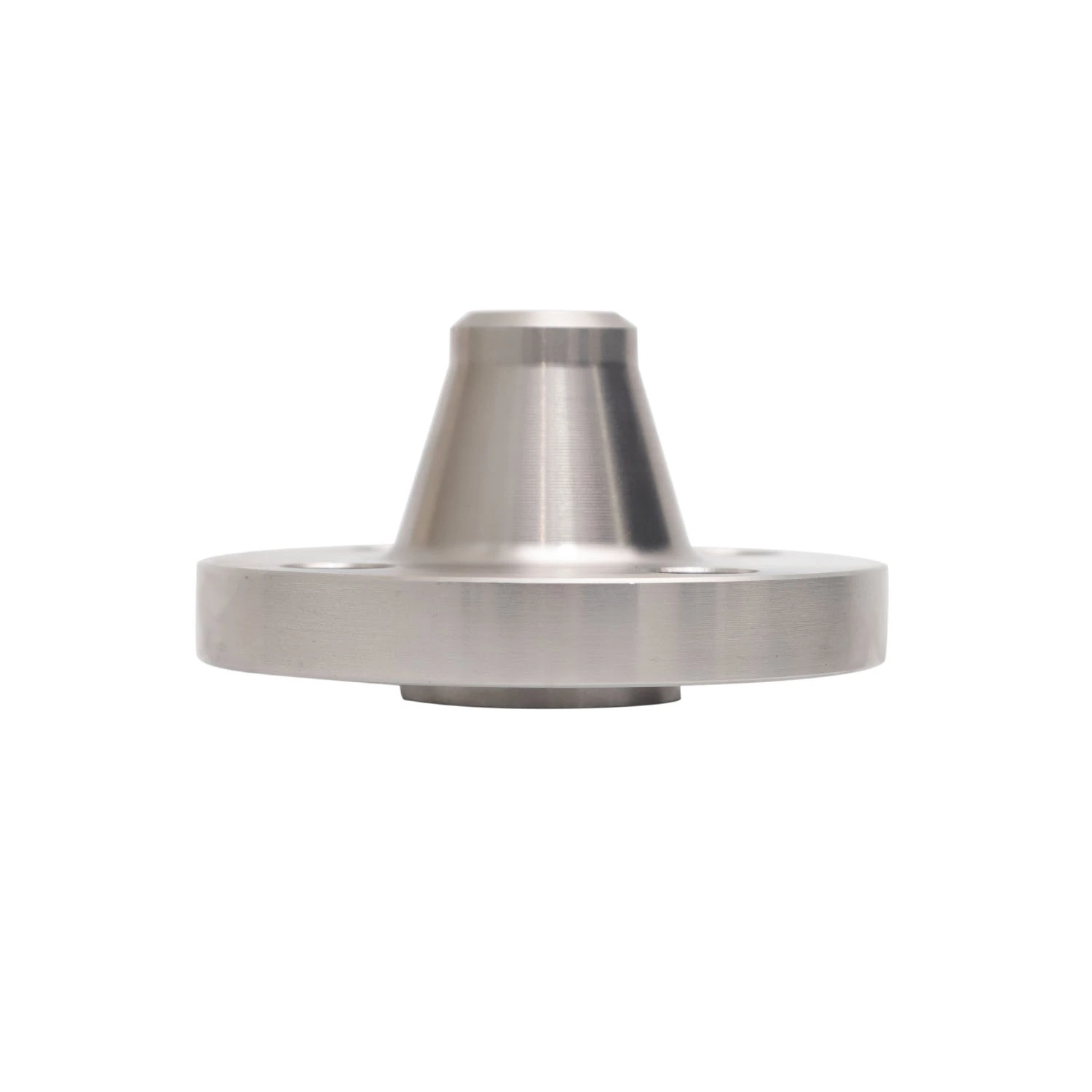
The Welding Neck Flange represents a pinnacle of engineering excellence in industrial piping systems, featuring a distinctive long tapered hub designed for butt welding applications. This specialized flange configuration delivers exceptional structural integrity through superior stress distribution mechanisms, effectively transferring operational loads from the flange face to the pipe wall in a gradual, controlled manner. The tapered hub geometry minimizes stress concentrations at critical junction points, significantly enhancing fatigue resistance under cyclic loading conditions while maintaining leak-tight performance in high-pressure, high-temperature environments across oil & gas, petrochemical, and power generation industries.
Understanding Welding Neck Flange Basics
With its unique long tapered hub made for butt welding uses, the Welding Neck Flange is the pinnacle of technical excellence in industrial piping systems. This unique flange design provides excellent structural integrity by distributing stress more evenly. It does this by moving practical loads gradually and controllably from the flange face to the pipe wall. The tapered hub shape reduces stress at key junction points, making the fatigue resistance much better under cyclic loading conditions. It also keeps the leak-tight performance in high-pressure, high-temperature settings in the oil and gas, petrochemical, and power generation industries.
Material Composition and Standards Compliance
The best materials, like carbon steel, stainless steel, and special alloy steel types, are used to make these flanges so they can be used in a wide range of situations. For everyday use, carbon steels like ASTM A105 offer great value for money when it comes to strength, while stainless steels like A182 F304/316L are better at resisting rust in harsh media conditions. There are types of alloy steel, like A182 F11/F22, that work better in high temperatures. International standards are strictly followed during production. These include ASME B16.5 for NPS ½" through 24" sizes with pressure values from Class 150 to Class 2500 and ASME B16.47 for NPS 26" through 60" widths. In Europe, EN 1092-1 standards cover sizes from DN10 to DN2000 and pressure grades from PN6 to PN400. In Asia, JIS B2220 standards meet the needs of markets with pressure classes from 10K to 40K.
Precision Manufacturing Characteristics
The inside diameter of the joining pipe must be precisely machined to match the bore diameter. This makes a smooth flow path that removes turbulence and lowers the risk of erosion and corrosion. This matched-bore design concept makes sure that the hydraulics work well and the structure stays strong at the pressure limit. As part of quality control, measurements are checked, materials are certified, and non-destructive tests are done to make sure that the product meets performance and acceptable standards.
Stress Distribution & Strength Characteristics of Welding Neck Flanges
When it comes to effectively controlling practical stresses, the main benefit of welding neck flanges is the butt weld design that includes a tapered hub configuration. This way of engineering makes a gradual change in thickness that spreads mechanical loads over a large area instead of gathering forces at a few places.
Advanced Stress Management Principles
The tapered hub shape moves the stress accumulation from the base of the flange to the pipe itself. This makes the stress field more even when the load is standing or moving. This feature of the design works especially well when the load is changing over and over, because wear cracks are a common way for things to break. The slow change in thickness accounts for forces caused by thermal expansion while keeping the joint's integrity as temperatures change. Different types of applications can use pressure levels from Class 150 (285 PSI) to Class 2500 (6170 PSI). Choosing the right material type is important for making sure Welding Neck Flangethere are enough safety margins for the expected working conditions. When you figure out the width of a wall, you have to take into account both the pressure loads inside and the mechanical stresses outside, such as bending moments and temperature differences.
Mechanical Integrity Assessment
According to finite element analysis, Welding Neck Flange configurations have stress concentration factors that are much lower than those for slip-on or lap joints. The butt-welded link lets X-rays look at the whole weld joint, so the quality of the weld can be checked across the whole cross-section. This ability to check is very important for critical service applications where a joint failure could have terrible results. The smooth flow transfer gets rid of any cracks inside the pipe that could hold corrosive deposits or cause flow problems. This design trait lowers the rate of long-term decline and improves the hydraulic performance of the system by reducing pressure losses.
Comparison and Selection Criteria: Welding Neck Flange vs Other Flanges
When making industrial purchasing choices, flange type options need to be carefully weighed against performance needs, fitting difficulty, and costs over the product's lifetime. Each type of flange arrangement has its own benefits that make it better for a certain type of application.
Performance Comparison Matrix
Due to the full entry butt weld link, Welding Neck Flange designs are stronger and better at preventing leaks than slip-on flanges. Even though slip-on flanges are easier to install, they can't hold up as well as welding neck designs when there is high pressure or cyclic stress. In slip-on designs, the fillet weld link creates stress concentration points that lower the pressure values and fatigue life. When comparing welding neck types to socket weld flanges, the internal crack that the socket shape creates is not present. This makes it less likely that the neck will corrode in strong media applications. Blind flanges are used for different things because they close completely instead of connecting pipes. Lap joint flanges with short ends are easier to install, but they don't work as well structurally as welding neck options.
Economic and Technical Trade-offs
Seamless forged models cost more, but they have better mechanical qualities, such as higher pressure values and wear resistance. Welded options are a cheap way to solve problems when performance needs are modest and design freedom is needed. The cost of installation must include the specialized welding skills that are needed to prepare and complete the joint correctly. The choice of material affects both the cost at first and how well it works in the long run. Stainless steel types are more resistant to rust, but they cost more and need to be welded in a certain way. For normal uses, carbon steel choices are the most cost-effective, while alloy steel grades can handle needs at very high temperatures. To get the most value for money, procurement workers have to weigh these factors against practical needs and budget limits.
Procurement Considerations for B2B Clients
To successfully source welding neck flanges, you need to carefully look at the skills, quality systems, and expert support services of each provider. To make sure that the supply chain works reliably, industrial buying teams need to look at more than just prices.
Supplier Qualification Criteria
You can be sure that the quality of your products will always be good if they have manufacturing certifications like ISO 9001 quality management systems and ASME certification. Documentation for material traceability makes sure that standards are followed and allows for accurate tracking of materials throughout the lifecycle of a project. Independent Welding Neck Flange checks of the accuracy of measurements, the properties of materials, and the surface finish standards can be done by third-party testing services. Evaluation of production ability is important for big projects that need a lot of things in a short amount of time. Lead time plans need to take into account getting materials, making things, checking the quality, and coordinating procedures. A supplier's financial stability review guards against the risk of supply disruptions that could cause projects to run behind schedule.
Global Sourcing Logistics
Export standards, such as material test certificates, dimension reports, and shipping documents, make it easier to clear customs. The rules for packaging must keep the goods safe while they're being shipped across foreign borders and also help keep shipping costs low by making good use of space. Insurance coverage clauses talk about possible shipping damage risks and the costs of replacing damaged items. Having technical help available boosts buying trust by giving people access to engineering knowledge during the development of specifications and installation stages. The total cost of ownership includes more than just the price of the product itself. It also includes things like guarantee terms and the availability of new parts.
Installation Process and Best Practices
The right way to put Welding Neck Flange connections has a direct effect on how well and reliably they work in the long run. Following standard welding procedures and quality control rules will keep the joint strong for as long as it's used.
Pre-Installation Preparation Requirements
Checking the orientation of the pipes stops installation stresses that could hurt the joint's performance under working loads. Preparing the cut, which includes specifying the bevel angles and surface finish, is important for getting the right weld depth and fusion properties. Galvanic rust or mechanical mismatch problems can be avoided by making sure that the materials used for the pipe and the flange are compatible.It is important for welding process specs to include controls for heat intake, maximum temperatures between passes, and any necessary heat treatment after the weld. Qualified welding staff certification makes sure that important joining processes are done correctly. The best conditions for welding are kept up by taking into account things like wind safety and temperature control.
Quality Assurance Protocols
Non-destructive testing, such as X-rays, makes sure that the weld goes all the way through and finds any flaws that might affect how well it works in service. Dimensional checking makes sure that the link piece is aligned correctly and that there are no gaps. Before the system is put into service, pressure testing is done under controlled conditions to make sure that the joints are solid. As part of the documentation standards, welding records, inspection reports, and material certifications must be kept. These keep track of the job as it's being done. These records help with meeting regulatory standards, Welding Neck Flange, and planning for future upkeep. The benefits of welding neck flange designs are maximized when they are installed correctly, and they remain safe and effective for the entire service life that was intended.
Conclusion
Welding Neck Flange technology provides unbeatable performance in tough industrial settings thanks to its superior stress distribution features and strong structural design. The tapered hub geometry makes the best load transfer devices while keeping good flow properties and making the hub easy to check. Different types of materials and following of standards make sure that they can be used in a wide range of situations, from high-pressure oil and gas systems to power plants that work at very high temperatures. When you choose, buy, and install premium link technology for important infrastructure projects the right way, you can get the most out of these built-in benefits and be sure that it will work reliably for a long time.
FAQ
1. What makes welding neck flanges superior for high-pressure applications?
The curved hub design spreads stress slowly from the flange face to the pipe wall. This gets rid of stress collection points that could cause the pipe to break under high pressure. The butt-weld link is the strongest joint design in flange technology. Depending on the material grade and size, it can withstand up to Class 2500 (6170 PSI) of pressure.
2. How do material choices affect welding neck flange performance?
For everyday use, carbon steel grades like A105 offer great value for money when it comes to strength, while stainless steel grades are better at resisting rust in harsh environments. Options made of alloy steel can handle temperatures higher than 500°C. To get the best long-term performance, when choosing a material, you need to think about both its mechanical qualities and its chemical interaction with process fluids.
3. What inspection capabilities distinguish welding neck flanges from other types?
The butt-weld shape lets X-rays look at the whole weld joint, so the quality of the weld can be checked across the whole cross-section. This 100% inspection feature is necessary for critical service applications where joint integrity cannot be compromised. It gives a level of trust that can't be matched by options that are fillet-welded.
Contact HONG KAI FORGING for Premium Welding Neck Flange Solutions
HONG KAI FORGING stands as a leading Welding Neck Flange manufacturer, delivering precision-engineered solutions that meet the most demanding industrial requirements. Our integrated production capabilities spanning forging, heat treatment, machining, and comprehensive quality testing ensure consistent performance across specifications from DN15 to DN4000. With compliance to multiple international standards, including ASME B16.5, EN1092-1, and DIN, we provide reliable supply chain support for global procurement teams. Contact kevin.zhao@hkflange.com to discuss your specific requirements and experience the advantages of partnering with a trusted supplier committed to excellence in flange manufacturing and technical support services.
References
1. Smith, J.A. "Stress Analysis of Welded Flange Connections in High-Pressure Piping Systems." Journal of Pressure Vessel Technology, Vol. 142, 2020.
2. Thompson, R.K. "Material Selection Criteria for Critical Service Flanges in Petrochemical Applications." Industrial Engineering Review, 2019.
3. Chen, L.M. "Fatigue Performance Comparison of Welding Neck and Slip-On Flange Configurations Under Cyclic Loading." Materials Science and Engineering, 2021.
4. Rodriguez, M.E. "Quality Assurance Protocols for High-Integrity Flange Connections in Power Generation Systems." Power Plant Engineering Monthly, 2020.
5. Anderson, P.J. "Economic Analysis of Flange Type Selection for Large-Scale Industrial Projects." Procurement Management Journal, 2019.
6. Williams, D.C. "Installation Best Practices for Welding Neck Flanges in Offshore Applications." Offshore Engineering Quarterly, 2021.
Clear Communication, and Reliable Technical Support
_1788850469940.webp)
_1788487627360.webp)
_1784000712665.webp)