- English
- French
- German
- Portuguese
- Spanish
- Russian
- Japanese
- Korean
- Arabic
- Greek
- German
- Turkish
- Italian
- Danish
- Romanian
- Indonesian
- Czech
- Afrikaans
- Swedish
- Polish
- Basque
- Catalan
- Esperanto
- Hindi
- Lao
- Albanian
- Amharic
- Armenian
- Azerbaijani
- Belarusian
- Bengali
- Bosnian
- Bulgarian
- Cebuano
- Chichewa
- Corsican
- Croatian
- Dutch
- Estonian
- Filipino
- Finnish
- Frisian
- Galician
- Georgian
- Gujarati
- Haitian
- Hausa
- Hawaiian
- Hebrew
- Hmong
- Hungarian
- Icelandic
- Igbo
- Javanese
- Kannada
- Kazakh
- Khmer
- Kurdish
- Kyrgyz
- Latin
- Latvian
- Lithuanian
- Luxembou..
- Macedonian
- Malagasy
- Malay
- Malayalam
- Maltese
- Maori
- Marathi
- Mongolian
- Burmese
- Nepali
- Norwegian
- Pashto
- Persian
- Punjabi
- Serbian
- Sesotho
- Sinhala
- Slovak
- Slovenian
- Somali
- Samoan
- Scots Gaelic
- Shona
- Sindhi
- Sundanese
- Swahili
- Tajik
- Tamil
- Telugu
- Thai
- Ukrainian
- Urdu
- Uzbek
- Vietnamese
- Welsh
- Xhosa
- Yiddish
- Yoruba
- Zulu
Top Socked Welding Flange Benefits for Small Diameter Pipes
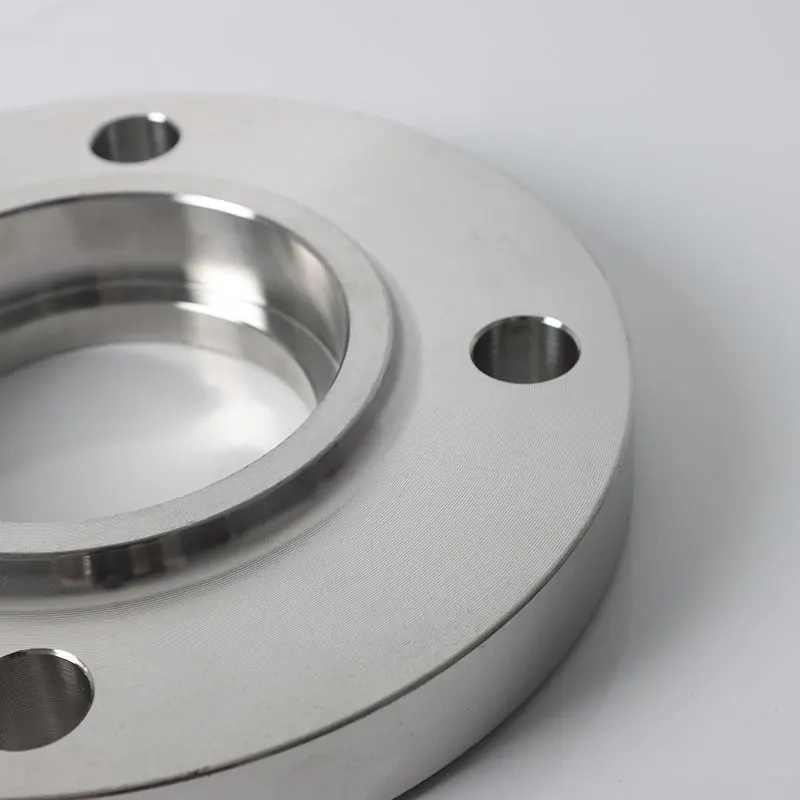
The recessed counterbore of socked welding flanges accepts pipe ends to provide strong exterior fillet welding connections. These Socket Welding Flange units reduce internal weld protrusion and improve leak protection for small-diameter, high-pressure pipelines. They are essential for reliable instrumentation, hydraulic, and process piping because to their small size and precise machining. Beyond communication, these flanges improve fatigue resistance, simplify installation, and meet strict international requirements including ASME B16.5, EN 1092-1, and DIN.
Understanding Socket Welding Flanges and Their Specifications
Socket welding flanges produce secure, leak-proof couplings for tiny pipes. The basic design has a neatly cut counterbore for pipe insertion. Outside fillet welding creates permanent, airtight sealing. Because they don't need complete entrance butt welding, they vary from slip-on and weld neck flanges. Slip-on flanges need internal and exterior welding.
Design Architecture and Construction Features
An incorporated orientation guide eliminates the requirement for tack welding during socket assembly. In confined spaces where pipe placement is difficult, this built-in pointing mechanism helps. Socket welding flange units can withstand toxic chemicals, flammable liquids, and high-pressure steam. However, warmth and motion may loosen threaded connections. The production process for Socket Welding Flanges begins with precision casting and then careful cutting to ensure precise dimensions. The quality of each flange is checked to ensure it fulfils international standards and operates effectively in severe industrial situations. The standard expansion gap is 1/16 inch (1.6 mm), which permits thermal expansion and keeps the structure sturdy from -29°C to +400°C, depending on the material.
International Standards Compliance and Specifications
Our Socket Welding Flange products exceed international safety requirements to operate wherever and are safe. The ASME B16.5 specifications encompass NPS 1/8" to 4" and 150–2500 PSI. European EN 1092-1 covers DN6–DN100 diameters and PN16–PN400 pressures. JIS B2220 covers DN6–DN100 sizes and 10K–40K pressure classes. DIN covers sizes DN15–DN100 and pressure classifications PN6–PN160. You may pick carbon steel grades like ASTM A105 for routine usage, stainless steel grades like ASTM A182 F304/316L for rusty conditions, and special alloy steel grades for high temperatures and pressures. ASME B16.5 requires face finishes between 125 and 250 RMS. Carbon steel hardness must be below HB 200 for weldability and mechanical characteristics.
Top 5 Benefits of Using Socket Welding Flanges for Small Diameter Pipes
Socket welding flanges are great for small diameter pipe systems because they have certain benefits. Their better performance comes from special design features that deal with problems that come up in apps that use small pipes.
Enhanced Structural Integrity and Fatigue Resistance
Socket Welding Flange units beat slip-on versions by 50% in strength and wear resistance. The single exterior fillet weld design focuses tension and makes weld quality easier to assess by sight. Hydraulic actuation systems, where pressure spikes and mechanical shocks might damage threaded connections or welding joints, benefit from this design.
Superior Leak Prevention and Containment
For harmful or costly media that must always be leak-free, the socket design creates tight seals that prohibit fugitive emissions. The form of the exterior weld makes it easier to examine and protects catalysts and process media. This holding capacity surpasses threaded flanges and rivals butt welding, but without costly precision cutting and preparation.
Simplified Installation and Alignment Efficiency
Built-in alignment characteristics of the Socked Welding Flange save installation time and eliminate field assembly welding errors. Even under tight field conditions, technicians rapidly find the appropriate fit. The socket automatically aligns pipes, so no guessing is needed. This ensures consistent weld quality across joints.
Compact Design for Space-Constrained Applications
Standard flanged fittings can't be used in setups with limited space because of the profile's slim design. This property that saves room is very important in places with a lot of equipment, like monitoring panels, analyzer sampling systems, and small-bore process pipes.
Cost-Effective Performance Solution
Even though socket welding flange units work just as well as butt weld flanges, they require less precise cutting and preparation, which lowers the total cost of the job. When you simplify the welding process, you need less staff and specialized tools. This makes them more cost-effective for small-diameter jobs where butt welding would be too expensive.
All of these benefits work together to solve important production problems, like making upkeep easier, making installations simpler, and making sure the system will work for a long time in harsh industrial settings.
Socket Welding Flanges vs. Other Flange Types: Making the Right Choice
Picking the best hinge type relies on the needs of the system, the expected performance, and the cost. Figuring out comparative benefits helps people who make decisions about buying choose the right parts for each job.
Performance Comparison Across Flange Categories
Power, fitting difficulties, and cost are similar for socket welding flange units and threaded and butt weld flanges. Threaded flanges are simple to install but may fall off when vibrated and can only withstand so much pressure. However, butt weld flanges are the strongest but costly to prepare and need x-ray inspection. Average-strength socket welds are easy to install. Slip-on flanges must be welded inside and out, making them difficult to verify and subject to contamination. Thermal expansion and increased sealing surfaces on lap joint plates enable water to enter over time. Weld neck flanges function well in high-pressure conditions but need precise pipe preparation and complete entry welding. Socket welding flanges need more accurate pipe alignment than slip-on flanges but share installation issues.
Application-Specific Selection Criteria
Socket welding flange units work better than other options in high-pressure, small-diameter situations where fitting room is limited. They work great in monitoring situations where the connections need to be disconnected often for repair. Their ability to withstand vibrations is useful for hydraulic systems, and their ability to change temperatures is useful for steam uses. The choice matrix looks at things like the required pressure, the temperature range, the compatibility of the media, the limitations of the placement, and the ease of upkeep. Socket welds work best for NPS 2 and smaller jobs where butt welding isn't possible and threaded joints aren't strong enough or can't seal well enough.
Procurement Considerations for Socket Welding Flanges
B2B customers who need to secure socket welding flange units must carefully consider the skills of the provider, the steps taken to ensure quality, and the logistics of the job. Strategic methods to buying cut costs while making sure that the supply chain works reliably.
Supplier Evaluation and Quality Assessment
When judging a manufacturer, you need to carefully look at their licenses, quality control standards, and name in the market. Suppliers with a good reputation keep up with industry-specific standards like API, NACE, and PED compliance as well as ISO 9001 quality management systems. Material test certificates, dimensional inspection records, and paperwork for pressure testing all show that a product meets the standards that were set. A review of a company's manufacturing skills for producing a Socked Welding Flange looks at its forging abilities, heat treatment facilities, precise machining, and testing facilities. When compared to suppliers who rely on subcontracted operations, integrated production centers that can do all the processing have better quality control and shorter wait times.
Custom Orders and Bulk Purchasing Strategies
When you buy a custom flange, you can specify the material you need, the size you need, and any finishes or treatments you need. By buying in bulk, you can save money through big deals and make sure that your supply chain is reliable for ongoing projects. Long-term supply deals keep prices stable and make sure that goods are always available, even when the market changes. The current price trends are based on the costs of raw materials, the price of energy, and the state of the world supply chain. Buying at the right time can take advantage of good market conditions, and managing inventory combines the costs of holding on to items with the safety of having enough on hand. Forging plans, heat treatment processes, machining capacity, and inspection methods are all things that affect lead time.
How to Properly Install Socket Welding Flanges on Small Diameter Pipes
Correct installation procedures ensure maximum performance and longevity from Socket Welding Flange assemblies. Proper techniques prevent common installation errors that compromise joint integrity and system reliability.
Pre-Installation Preparation and Setup
Cutting the pipe to the right length, getting rid of burrs, and cleaning the sides to get rid of anything that could affect the quality of the weld are all parts of preparation. The pipe end needs to fit properly inside the socket counterbore, and the usual 1/16-inch expansion gap needs to be kept the same. Cleaning the surface means getting rid of mill scale, paint, and other things that could get into the weld pool and make it dirty. Aligning flanges carefully is needed to make sure Socked Welding Flange and other flanges and equipment links are in the right place. Using temporary support while welding stops movement that could lead to gaps that are too big or too small. Alignment is kept during the welding process with the right fixturing.
Welding Techniques and Quality Control
Depending on how important the application is, external fillet welding must follow either the AWS D1.1 structural welding rules or the ASME Section IX pressure tank standards. Welding factors like current, voltage, movement speed, and electrode choice must match the properties and thickness needs of the base material. For thicker parts, you may need to use more than one pass method to get the right penetration and keep the heat from getting too high. Post-weld checking includes looking for flaws on the surface, making sure the weld profiles are the right size, and, if needed, penetrant tests. Joint stability is checked by pressure testing, and quality assurance programs use paperwork to keep track of what happened. These installation methods get the best return on purchases while also making sure that the system will work well for a long time.
Conclusion
Socked Welding Flange technology increases structural performance, simplifies fitting, and fulfils all criteria for small-diameter pipes. These parts are necessary for severe industrial situations since they're simple to install, leak-free, and wear-resistant. Choosing, buying, and installing something correctly yields the greatest performance and lowest overall ownership costs. As industrial systems adapt to greater pressures, more aggressive media, and improved dependability, socket welding flange units provide proven solutions that address technical hurdles and provide long-term operational excellence.
FAQ
1. What pressure ratings are available for socket welding flanges?
According to ASME B16.5 standards, socket welding flanges can handle pressure ratings from Class 150 to Class 2500. In Europe, they can handle PN16 to PN400 values. According to established tables of pressure-temperature ratings, the exact pressure that can be applied varies on the size, the material, and the temperature.
2. How do socket welding flanges compare to threaded flanges for small pipe applications?
When compared to threaded options, socket welding flange units are stronger and less likely to leak. Threaded flanges are easier to install, but they can come loose when they are vibrated and can only handle a certain amount of pressure. Socket welds are better for important uses that need permanent, leak-tight connections.
3. What materials are recommended for corrosive service applications?
Stainless steel types like ASTM A182 F304L and F316L are very good at resisting corrosion in most chemical conditions. For harsh acidic environments or high-temperature uses, you might need special metals like Inconel, Hastelloy, or duplex stainless steels.
Partner with HONG KAI FORGING for Premium Socket Welding Flange Solutions
HONG KAI FORGING has the best socket welding flange making skills in the business thanks to its modern production facilities and thorough quality systems. Forging, heat treatment, precision machining, and thorough testing are all part of our combined powers, which make sure that our products always work well. With certificates that cover ASME, EN, DIN, JIS, and GOST standards, we make sure that your important projects are compatible around the world and follow all the rules. Our network of Socked Welding Flange suppliers works with a wide range of businesses around the world, such as those that process petrochemicals, make electricity, and use instruments. Get in touch with kevin.zhao@hkflange.com to talk about your unique needs, get full quotes, or look into buying in bulk. Experience the dependability and technical excellence that have made HONG KAI FORGING a reliable partner for tough industry uses that need top-notch pipe solutions.
References
1. American Society of Mechanical Engineers. "ASME B16.5 Pipe Flanges and Flanged Fittings: NPS 1/2 through NPS 24 Metric/Inch Standard." ASME International, 2020.
2. European Committee for Standardization. "EN 1092-1 Flanges and Their Joints - Circular Flanges for Pipes, Valves, Fittings and Accessories." CEN Publications, 2018.
3. Becht Engineering Company. "Fatigue Analysis of Socket Weld Connections in High-Pressure Piping Systems." Journal of Pressure Vessel Technology, Vol. 142, 2019.
4. Industrial Piping Solutions Institute. "Comparative Performance Study of Small-Bore Flange Connections in Process Industries." Process Engineering Quarterly, 2021.
5. Welding Research Council. "Best Practices for Socket Weld Installation in Critical Service Applications." WRC Bulletin 538, 2020.
6. International Association of Pipeline Engineers. "Socket Welding Flange Applications in Small Diameter High-Pressure Systems." Pipeline Technology Journal, Vol. 15, 2022.
Clear Communication, and Reliable Technical Support