- English
- French
- German
- Portuguese
- Spanish
- Russian
- Japanese
- Korean
- Arabic
- Greek
- German
- Turkish
- Italian
- Danish
- Romanian
- Indonesian
- Czech
- Afrikaans
- Swedish
- Polish
- Basque
- Catalan
- Esperanto
- Hindi
- Lao
- Albanian
- Amharic
- Armenian
- Azerbaijani
- Belarusian
- Bengali
- Bosnian
- Bulgarian
- Cebuano
- Chichewa
- Corsican
- Croatian
- Dutch
- Estonian
- Filipino
- Finnish
- Frisian
- Galician
- Georgian
- Gujarati
- Haitian
- Hausa
- Hawaiian
- Hebrew
- Hmong
- Hungarian
- Icelandic
- Igbo
- Javanese
- Kannada
- Kazakh
- Khmer
- Kurdish
- Kyrgyz
- Latin
- Latvian
- Lithuanian
- Luxembou..
- Macedonian
- Malagasy
- Malay
- Malayalam
- Maltese
- Maori
- Marathi
- Mongolian
- Burmese
- Nepali
- Norwegian
- Pashto
- Persian
- Punjabi
- Serbian
- Sesotho
- Sinhala
- Slovak
- Slovenian
- Somali
- Samoan
- Scots Gaelic
- Shona
- Sindhi
- Sundanese
- Swahili
- Tajik
- Tamil
- Telugu
- Thai
- Ukrainian
- Urdu
- Uzbek
- Vietnamese
- Welsh
- Xhosa
- Yiddish
- Yoruba
- Zulu
Why Lap Joint Flange Is Ideal for Low-Pressure Systems?
Lap Joint Flange assemblies represent the optimal solution for low-pressure piping systems due to their unique two-component design that combines operational flexibility with cost-effectiveness. These specialized flanges pair with stub ends to enable 360° rotation for easy alignment while maintaining excellent corrosion resistance and quick disassembly capabilities. Their design inherently suits applications with pressure ratings from PN6 to PN160, making them perfect for systems where frequent maintenance access and material cost optimization are critical considerations for industrial procurement teams.
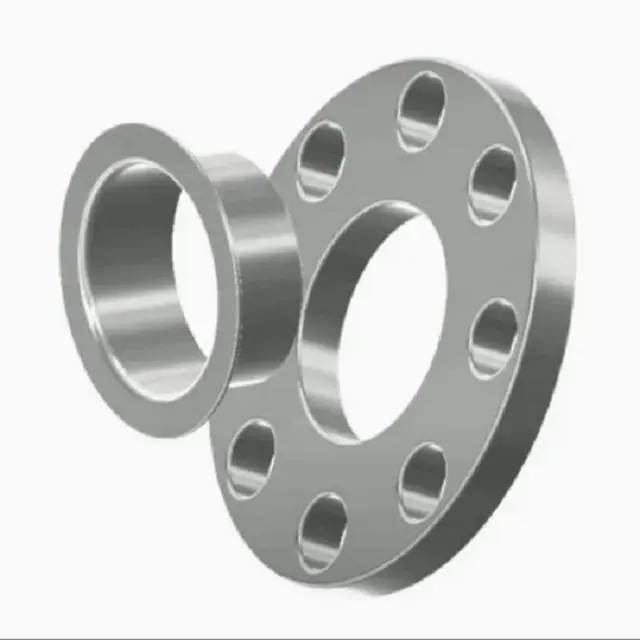
Understanding Lap Joint Flanges and Their Functionality
The engineering behind lap joint flanges is a complex two-part system that solves several problems in the industry at the same time. This unique design has a short end that is butt-welded directly to your pipe system and a loose backing lip that can slide over the pipe without putting any stress on it.
Mechanical Design and Operation
The genius of this design is how the tasks are split up. The sealing surface and media contact are on the stub end, and the structural loads and bolt links are on the support flange. This division lets the backing flange turn on its own without putting pressure on your piping system. This makes it easier to line up the pipes, which can happen with rigid flange installs.
Material Selection Advantages
This division of functions in a Lap Joint Flange allows several material improvements. The stub end that contacts your process medium might be made of pricey corrosion-resistant Hastelloy or stainless steel 316L. The backing plate may be made of cheaper carbon steel. This method saves 40–60% on materials compared to solid exotic metal flanges.
Standard Compliance and Specifications
Many foreign standards, such as ASME B16.5, ASME B16.47, EN 1092-1, DIN, JIS B2220, and GOST, are met by modern Lap Joint Flange systems. These guidelines make sure that products meet the needs of different regions in terms of size compatibility and performance efficiency. These flanges come in sizes from DN15 to DN5000 and pressure levels from PN6 to PN160. They can be used in a wide range of industrial settings while still meeting high quality standards.
Advantages of Using Lap Joint Flanges in Low-Pressure Systems
The operating features built into the design of a lap joint flange are very helpful in low-pressure situations. When procurement teams look at the total cost of ownership and upkeep needs over the system's lifetime, these benefits stand out even more.
Installation Efficiency and Alignment Solutions
The rotatable design gets rid of problems with alignment during installation. When compared to stiff flange options, installation time is cut by up to 30% because maintenance crews can perfectly place bolt holes without putting stress on the pipe system. This speed directly leads to lower labor costs and faster project completion times.
Maintenance Accessibility
When systems need frequent cleaning, inspection, or component replacement, Lap Joint Flanges allow fast disengagement without damaging welds or realigning heavy pipes. This function reduces downtime during regular maintenance in water treatment and chemical processing industries.
Cost-Effective Procurement Strategies
From a purchasing point of view, buying a lot of standard backing flanges and finding unique stub ends separately makes the supply chain more flexible. This method lets you make the best use of your goods and shortens the time it takes to get new parts. Being able to reuse backing flanges with new stub ends increases the lifetime of a component and lowers its long-term running costs.
Corrosion Management
The design lowers the risk of rusting by letting each part be made of the best material. Process-wetted areas can use the right corrosion-resistant materials, while normal grades are used for structural parts. This balances performance with cost. This focused method makes the system last longer while keeping costs down.
Key Differences Between Lap Joint Flanges and Other Flange Types
Knowing the differences between products helps people who work in buying make smart choices based on the needs of the application and the limits of their operations.
Pressure Handling Capabilities
Weld Neck Flange assemblies work best in high pressure ranges, while Lap Joint Flange assemblies work best in low to middling pressure ranges because of how they are built and how stress is distributed. The open flange design naturally limits the amount of pressure that can be applied, but it gives you more options for adjustment and upkeep.
Installation Complexity Comparison
Slip-on flanges must be precisely fitted and welded twice, whereas threaded flanges must be threaded correctly. Rotating Lap Joint Flange systems make installation simpler. Installing socket weld flanges requires precise gap management. This requires less trained labour and reduces installation errors.
Cost Analysis Considerations
Blind flanges serve specific isolation purposes but lack the material optimization potential of lap joint designs. Precision machining is needed for closing areas on raised face flanges, which raises the cost of production. Because lap joint systems are made up of two parts, they can be used more than once and choose the right materials to save money.
Structural Integrity Factors
Compared to integrated flange types, the separated form spreads loads in a different way. This does limit high-pressure uses, but it also isolates stress, which keeps pipes from warping during bolt-up processes. This feature is useful in systems where temperatures change quickly or where keeping the pipe shape is very important.
Installation Guide and Best Practices for Lap Joint Flanges
The best performance and durability of these specialized flange systems are guaranteed by following the right fitting steps. Following set rules stops common problems before they happen and makes the system as reliable as possible.
Pre-Installation Preparation
Before you start installing, make sure that the stub ends and backing plates are the right size. Check the material's approvals to make sure it works with the conditions of the process. Check the binding surfaces for any harm or dirt that could weaken the joint's integrity. Make sure you choose the right seal based on the media, pressure, and temperature.
Step-by-Step Installation Process
Weld the short end after sliding the backing flange (Lap Joint Flange) over the pipe. The short end should be far enough from the pipe end to allow growth as the temperature rises. Use proper butt weld finishing processes and verify the junction. After cooling, slide the backing lip against the stub end shoulder.
Critical Alignment Procedures
Turn the backing flange so that the bolt holes line up with the fitting flange without putting any stress on the pipe system. First, tighten the nuts with your finger, and then use the right amount of force in a cross-pattern pattern. Watch how much the gasket is compressed to make sure it seals evenly and not too much, which could cause the gasket to come out.
Common Installation Challenges
Misalignment problems are often caused by broken parts or incorrectly placing the stub ends. Careful measuring and checking of parts can help you avoid these problems. Bolt binding can happen if the flanges are not parallel. Make sure the flanges are parallel and supported properly before tightening them all the way.
How to Choose and Procure Lap Joint Flanges for Your Projects
To make sure the project goes well, it's important to carefully consider the system factors, material needs, and supplier skills when choosing the right parts.
Pressure and Temperature Evaluation
Check the working conditions, such as the highest pressure, the temperature ranges, and the rhythms of thermal cycles. Lap Joint Flange systems work best in situations where the pressure is less than PN160. This makes them perfect for uses in chemical processing, water treatment, and the marine industry. When choosing parts, you should think about safety factors and situations where there is a pressure increase.
Material Selection Criteria
Check the Lap Joint Flange stub end and base plate rust resistance. Consider crevice rust and galvanic contact between different metals. For most usage, stainless steel grades 304, 316, and 316L resist rust well. However, carbon steel backing flanges sustain structures cheaply.
Supplier Qualification and Sourcing
Work with manufacturers that have quality control systems and testing skills that have been around for a while and show that the quality is consistent. Check that the product meets all the necessary standards, such as those set by ASME, EN, DIN, and JIS. Check to see if the seller can meet your unique needs and if they can deliver on time so that the project can stay on schedule.
Supply Chain Optimization
Create buying plans that strike a balance between the need to keep goods and the need to buy it. Standardizing on common sizes and materials could make your collection easier to manage while still keeping enough on hand for servicing needs. Make framework deals with qualified providers to make sure you get good prices and on-time deliveries.
Conclusion
Lap Joint Flange assemblies provide optimal solutions for low-pressure piping systems through their unique combination of installation flexibility, cost-effectiveness, and maintenance accessibility. Their two-component design lets you choose the right materials while also making the fitting process easier and cutting down on installation time. These advantages make them particularly suitable for chemical processing, water treatment, and marine applications where corrosion resistance and operational flexibility are critical. The ability to comply with multiple international standards while offering significant cost savings through material optimization positions these flanges as preferred choices for procurement professionals managing complex industrial projects.
FAQ
1. What pressure ratings are suitable for Lap Joint Flange applications?
Lap joint flange systems work best in low to moderate pressure situations, usually between PN6 and PN160 (150# to 2500# ANSI grades). Even though they can handle higher pressures as long as they don't go over the design limits, their loose flange makes them less useful for high-pressure critical uses where weld neck or other complete flange types would be better.
2. Which materials work best in corrosive environments?
Grades 316 and 316L stainless steel are very good at keeping stub ends from rusting in most chemical and marine settings. If the environment is very corrosive, you might want to use an unusual metal like Hastelloy or Inconel for the stub end and regular carbon steel for the backing flange. This method maximizes protection to rust while keeping costs low.
3. How do lap joint flanges compare cost-wise to other flange types?
Lap Joint Flange kits can save you between 40 and 60 percent of the cost in corrosive applications compared to solid exotic alloy flanges. With reused backing plates and the ability to only use expensive materials where they're needed, there are big economic benefits. Even though they may cost more at first than normal carbon steel flanges, they usually cost less over their entire life because the materials are better and they don't need as much upkeep.
Contact HONG KAI FORGING for Premium Lap Joint Flange Solutions
HONG KAI FORGING delivers exceptional quality and reliability for industrial procurement teams seeking cost-effective piping solutions. Our comprehensive Lap Joint Flange manufacturing capabilities include sizes from DN15 to DN4000 with full compliance to ASME B16.5, EN 1092-1, and other international standards. Located in Shanxi Province's renowned forging hub, we combine advanced production processes with rigorous quality control to ensure consistent performance across diverse applications. Connect with our technical team at kevin.zhao@hkflange.com to discuss your specific requirements and discover why leading companies worldwide trust our lap joint flange supplier expertise for their critical infrastructure projects.
References
1. American Society of Mechanical Engineers. "Pipe Flanges and Flanged Fittings: NPS 1/2 through NPS 24 Metric/Inch Standard." ASME B16.5-2020.
2. European Committee for Standardization. "Flanges and Their Joints - Circular Flanges for Pipes, Valves, Fittings and Accessories, PN Designated." EN 1092-1:2018.
3. Peterson, James R. "Industrial Piping Design and Installation: Cost-Effective Strategies for Chemical Processing." McGraw-Hill Professional Engineering, 2019.
4. Thompson, Michael K. "Corrosion Control in Industrial Piping Systems: Material Selection and Design Optimization." Industrial Press Technical Publications, 2021.
5. Chen, Li Wei. "Flange Selection Criteria for Low-Pressure Applications: A Comparative Analysis." Journal of Industrial Engineering and Manufacturing, Vol. 45, No. 3, 2022.
6. Rodriguez, Carlos A. "Maintenance Strategies for Chemical Process Equipment: Optimizing Accessibility and Reliability." Chemical Engineering Progress, American Institute of Chemical Engineers, 2023.
Clear Communication, and Reliable Technical Support
_1789091376028.webp)