- English
- French
- German
- Portuguese
- Spanish
- Russian
- Japanese
- Korean
- Arabic
- Greek
- German
- Turkish
- Italian
- Danish
- Romanian
- Indonesian
- Czech
- Afrikaans
- Swedish
- Polish
- Basque
- Catalan
- Esperanto
- Hindi
- Lao
- Albanian
- Amharic
- Armenian
- Azerbaijani
- Belarusian
- Bengali
- Bosnian
- Bulgarian
- Cebuano
- Chichewa
- Corsican
- Croatian
- Dutch
- Estonian
- Filipino
- Finnish
- Frisian
- Galician
- Georgian
- Gujarati
- Haitian
- Hausa
- Hawaiian
- Hebrew
- Hmong
- Hungarian
- Icelandic
- Igbo
- Javanese
- Kannada
- Kazakh
- Khmer
- Kurdish
- Kyrgyz
- Latin
- Latvian
- Lithuanian
- Luxembou..
- Macedonian
- Malagasy
- Malay
- Malayalam
- Maltese
- Maori
- Marathi
- Mongolian
- Burmese
- Nepali
- Norwegian
- Pashto
- Persian
- Punjabi
- Serbian
- Sesotho
- Sinhala
- Slovak
- Slovenian
- Somali
- Samoan
- Scots Gaelic
- Shona
- Sindhi
- Sundanese
- Swahili
- Tajik
- Tamil
- Telugu
- Thai
- Ukrainian
- Urdu
- Uzbek
- Vietnamese
- Welsh
- Xhosa
- Yiddish
- Yoruba
- Zulu
Blind Flange Uses in Water Treatment and Power Generation
Blind flanges serve as critical closure components in water treatment and power generation facilities, providing secure pipe termination solutions that prevent fluid leakage while enabling easy access for maintenance operations. These solid disc components comply with international standards including ASME B16.5, ASME B16.47, EN 1092-1, and JIS B2220, offering robust sealing performance across pressure ratings from PN6 to PN160 and sizes ranging from DN15 to DN5000. Available in carbon steel, stainless steel, and alloy steel configurations, these closure plates deliver reliable end-sealing solutions for demanding industrial applications.
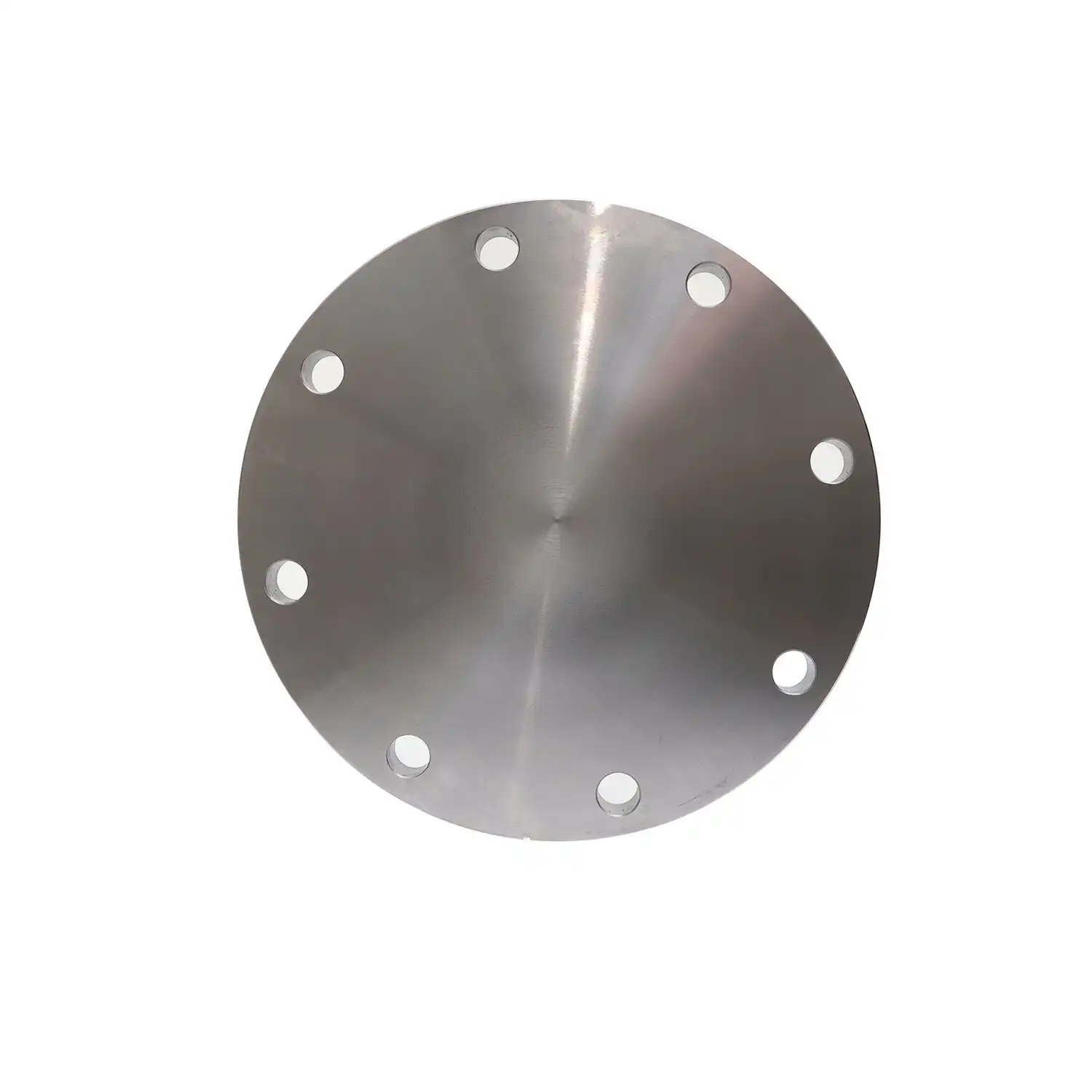
Understanding Blind Flanges in Industrial Systems
For industrial piping systems to work, they need reliable termination options that keep the system's structure and can be changed in the future. Blind flanges are solid disc parts that are used to fully seal pipe ends and stop fluid leakage in important infrastructure applications.
Definition and Primary Function
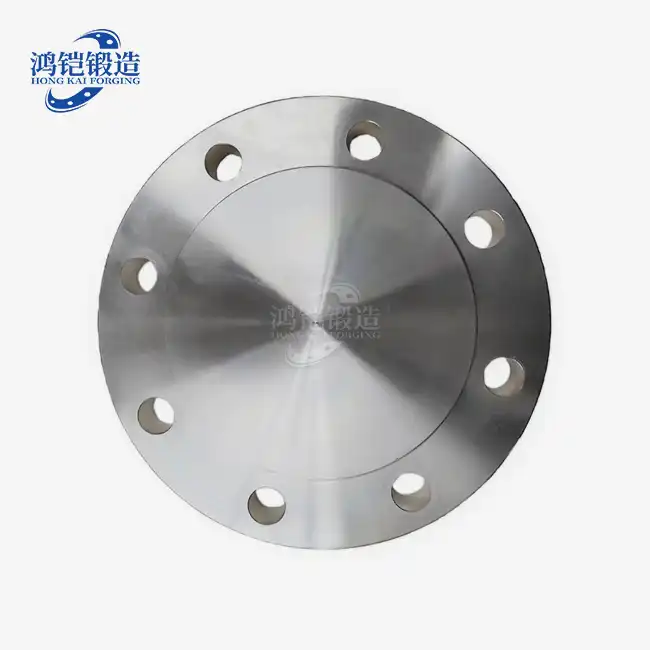
A blind flange is different from regular flanges because it doesn't have a center bore. This makes it perfect for fixed or semi-permanent pipe ending. These closing plates completely stop flow, unlike slip-on or weld neck flanges that let flow through. The strong design can handle the most bending stress in the middle while still having a lot of gasket seating force around the edges. This makes sure that it works reliably even in tough operating conditions.
Standards Compliance and Global Compatibility
In today's industrial settings, parts must meet strict foreign standards. Blind flanges are made according to ASME B16.5 for normal uses up to DN600, and ASME B16.47 for bigger diameters from DN650 to DN5000. In Europe, systems must follow the rules set out in EN 1092-1, and in Asia, markets often need to follow JIS B2220. This standardization makes sure that all global infrastructure projects work together and makes it easier to connect to current transit systems.
Material Grades and Corrosion Resistance
The choice of material has a big effect on how well and how long something works in an industry setting. For water treatment uses, stainless steel types 304 and 316L are very resistant to corrosion. For less corrosive settings, carbon steel choices are more cost-effective. Configurations made of alloy steel can handle the high temperatures and high pressures that are common in power plants. Each type of material is designed to deal with a different set of environmental problems while still keeping the structure's stability under practical stress.
Critical Applications of Blind Flanges in Water Treatment
Closure plates are important for water treatment plants because they allow for flexible operations and easy upkeep. These parts allow for system isolation during regular checks while keeping the security of the network as a whole.
System Isolation and Maintenance Access
Municipal water treatment plants put blind flanges in key spots to make repair easier without stopping the whole delivery network. Because it is detachable, technicians can get to the inside of pipelines to clean, check, or install equipment without making any lasting changes. This feature cuts down on repair breaks and the costs that come with it, while still making sure that end users always get clean water.
Installation Techniques for Water Pipelines
To properly install a Blind Flange, you must consider gasket and bolt strength. Water treatment commonly uses raised face (RF) or flat face (FF) arrangements with the correct rubber seals. Installation crews must load all bolts uniformly to maximise sealing and prevent gasket damage during system pressurisation.
Material Selection for Corrosive Environments
Desalination plants and wastewater treatment plants have special chemical problems that need special material factors. Stainless steel blind flanges are better at resisting chloride stress corrosion and keeping their mechanical qualities over long periods of time. When used in high-pressure situations with treated seawater or strong brine solutions, duplex stainless steel types offer better strength.
Blind Flange Utilization in Power Generation Facilities
Power production settings need parts that can survive harsh working conditions and still keep their sealing integrity. These buildings use closing plates for many different tasks, from cooling water lines to steam systems.
Performance Under Extreme Conditions
Blind flanges in thermal power plants are put through high temperatures of more than 500°C and pressures that reach Class 2500 ratings. High-temperature alloys keep the structure strong, and special gasket materials can handle changes in temperature without affecting the seal's usefulness. Nuclear sites need to think about things like radiation protection and keeping records of how materials can be tracked.
Comparison with Alternative Flange Types
Even though weld neck flanges are stronger, blind flanges are better for power generation uses because they ease servicing access. Slip-on flanges need to be welded, which might not be possible while the plant is running. Blind flanges, on the other hand, can be quickly disconnected using standard bolting methods. This operating flexibility is very helpful for both planned maintenance windows and fixes that need to be done right away.
Case Study: Operational Benefits in Power Plants
A recent thermal power plant project used strategically installed blind flanges to cut down on servicing costs by a large amount. At the inspection ports for steam drums, the facility changed welded caps with closure plates that can be removed. This cut the time needed for maintenance by 40% during planned breaks. The change made it easier to quickly reach the inside of the system for inspections while keeping the pressure boundary intact during all operating cycles.
How to Choose and Procure the Right Blind Flange for Your Industrial Needs
To do buying right, you need to carefully look at the skills of suppliers, the details of their products, and their long-term value offers. Industrial buyers have to weigh instant cost concerns against the need for operating efficiency.
Supplier Evaluation and Reliability Assessment
Through thorough licensing programs, qualified producers show that they meet international quality standards. This method is used by Shanxi HongKai Forging Co., Ltd., which can do forging, heat treatment, cutting, and quality checking all in one process. Following the rules set by ASME, EN, DIN, and GOST makes sure that the products are reliable in a wide range of industrial settings.
Specification Requirements and Customization Options
Sellers must customise their goods since standard items may not suit project demands. Pressure class ratings, face type combinations, and material certifications are crucial blind flange parameters. Instrumented projects may need on- or off-center drilling for pressure gauges or drain lines. Experienced suppliers may assist engineers increase requirements while respecting regulations.
Cost-Efficiency and Value Optimization
Instead of just looking at the original buy price, procurement strategies should look at the total cost of ownership. When compared to soldered options, blind flanges are more cost-effective because they can be used again and again, saving money on cutting and rewelding costs during future changes. When you order in bulk, you save a lot of money and make sure that the quality stays the same throughout the whole job.
Installation and Maintenance Best Practices
The performance of components is maximized and operating safety is ensured by following the right installation and maintenance methods. These steps keep expensive mistakes from happening and make the service last longer.
Installation Guidelines and Safety Procedures
For example, precise torque wrenches, seal installation guides, and safety gear are all things that installation teams need. Cross-pattern sequences are used to tighten the bolts so that the gasket is compressed evenly without distorting the flange. Safety measures include ways to test for pressure and find leaks to make sure the work is solid before the system is turned on.
Maintenance Routines and Inspection Protocols
Regular Blind Flange inspections detect issues before they affect the system. Visual tests verify gasket, bolt and flange face condition. Corrosion monitoring technologies let you plan replacements by measuring how rapidly materials degrade under hostile situations. Inspections, material certifications, and repair histories are required for legal compliance.
Common Installation Pitfalls and Prevention
Inadequate gasket selection represents the most common installation error, leading to premature seal failure. Temperature and chemical compatibility must align with service conditions to prevent gasket degradation. Insufficient bolt torque causes leak paths, while excessive torque damages gasket materials or induces flange stress concentrations. Professional advice makes sure that the right specifications are chosen and that the work is done correctly.
Conclusion
Blind flanges are very important in power plants and water treatment plants because they provide safe ways to connect pipes that meet operational needs and allow for easy repair. Following international standards makes sure that they can be used anywhere in the world, and the variety of materials available helps solve specific environmental problems. To get the best long-term value, the right choice takes into account pressure levels, material compatibility, and the supplier's skills. Best practices for installation and maintenance improve speed and make sure that key infrastructure applications are safe to use.
FAQ
1. What distinguishes blind flanges from slip-on flanges in system applications?
Blind flanges don't have any center holes and stop all flow. Slip-on flanges, on the other hand, let flow through but need the pipe to go through the hole. Because of this basic difference, blind flanges are best for fixed pipe ends and slip-on flanges are best for straight connections that need to be able to be taken apart.
2. How do I determine correct pressure ratings for blind flange applications?
Pressure rates must match or go beyond the highest pressures that the system can handle, even during surges. Pressure-temperature ratios for different materials are set by ASME standards, and operating changes are taken into account by safety factors. Talking to experienced engineers makes sure that the right grade is chosen for the service conditions.
3. Are carbon steel blind flanges suitable for seawater treatment environments?
Because chloride can rust, carbon steel parts that will be used in salt water need protective coats or cathodic protection. When exposed to salt water, stainless steel types 316L or duplex materials prevent rust better than other materials. The choice of material should take into account the length of contact, the temperature range, and how easy it is to do upkeep.
Partner with HONG KAI FORGING for Premium Blind Flange Solutions
Industrial buying managers looking for reliable blind flange suppliers can benefit from HONG KAI FORGING's wide range of manufacturing skills and compliance with international standards. Our combined facilities make precision-engineered parts from DN15 to DN4000 with pressure values up to PN160. They are located in Shanxi Province's well-known forging hub. Our quality assurance programs make sure that all of our water treatment and power production systems work the same way, and our cheap pricing helps keep project budgets in check. Get in touch with kevin.zhao@hkflange.com to talk about your unique needs and find out why top industrial clients choose our blind flange maker skills for important infrastructure projects.
References
1. American Society of Mechanical Engineers. "Pipe Flanges and Flanged Fittings: NPS 1/2 through NPS 24 Metric/Inch Standard." ASME B16.5-2020.
2. European Committee for Standardization. "Flanges and Their Joints - Circular Flanges for Pipes, Valves, Fittings and Accessories." EN 1092-1:2018.
3. Water Environment Federation. "Design of Municipal Wastewater Treatment Plants: Manual of Practice No. 8." Fifth Edition, 2018.
4. International Association of Water Supply Companies. "Pipe System Component Standards for Municipal Water Infrastructure." Technical Report 2019.
5. Electric Power Research Institute. "Guidelines for Steam System Component Selection in Thermal Power Plants." EPRI Report 2020-142.
6. American Water Works Association. "Steel Pipe Flanges for Waterworks Service." AWWA Standard C207-2018.
Clear Communication, and Reliable Technical Support
_1789091376028.webp)
_1789007141818.webp)
_1788832638059.webp)