- English
- French
- German
- Portuguese
- Spanish
- Russian
- Japanese
- Korean
- Arabic
- Greek
- German
- Turkish
- Italian
- Danish
- Romanian
- Indonesian
- Czech
- Afrikaans
- Swedish
- Polish
- Basque
- Catalan
- Esperanto
- Hindi
- Lao
- Albanian
- Amharic
- Armenian
- Azerbaijani
- Belarusian
- Bengali
- Bosnian
- Bulgarian
- Cebuano
- Chichewa
- Corsican
- Croatian
- Dutch
- Estonian
- Filipino
- Finnish
- Frisian
- Galician
- Georgian
- Gujarati
- Haitian
- Hausa
- Hawaiian
- Hebrew
- Hmong
- Hungarian
- Icelandic
- Igbo
- Javanese
- Kannada
- Kazakh
- Khmer
- Kurdish
- Kyrgyz
- Latin
- Latvian
- Lithuanian
- Luxembou..
- Macedonian
- Malagasy
- Malay
- Malayalam
- Maltese
- Maori
- Marathi
- Mongolian
- Burmese
- Nepali
- Norwegian
- Pashto
- Persian
- Punjabi
- Serbian
- Sesotho
- Sinhala
- Slovak
- Slovenian
- Somali
- Samoan
- Scots Gaelic
- Shona
- Sindhi
- Sundanese
- Swahili
- Tajik
- Tamil
- Telugu
- Thai
- Ukrainian
- Urdu
- Uzbek
- Vietnamese
- Welsh
- Xhosa
- Yiddish
- Yoruba
- Zulu
Best Practices for Installing a Blind Flange in Any System
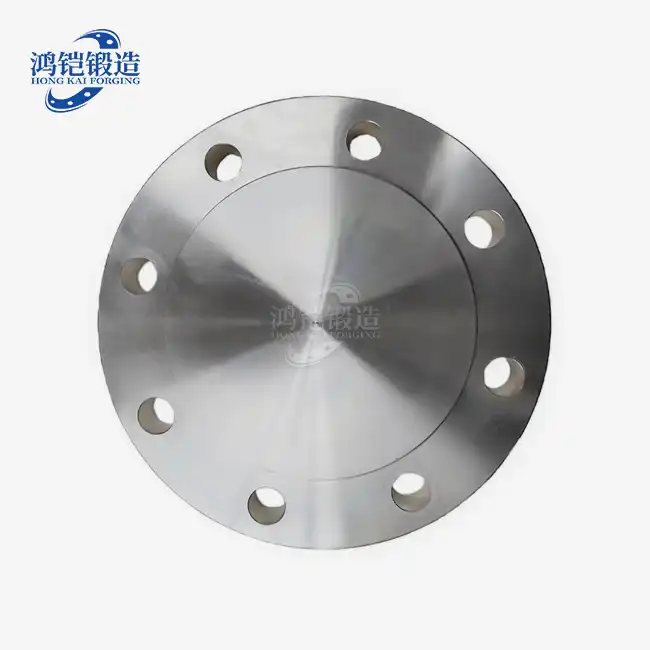
To properly install a Blind Flange, you need to pay close attention to every detail and follow well-known industry standards. A blind flange is a solid disc part that is used to fully seal pipe ends and stop fluid from leaking in plumbing systems. Unlike regular flanges with center bores, this special part doesn't have any openings. This makes it perfect for line ending tasks that need complete flow separation. When you put something correctly, it won't leak and will be easy to get to in the future for upkeep and changes to the system.
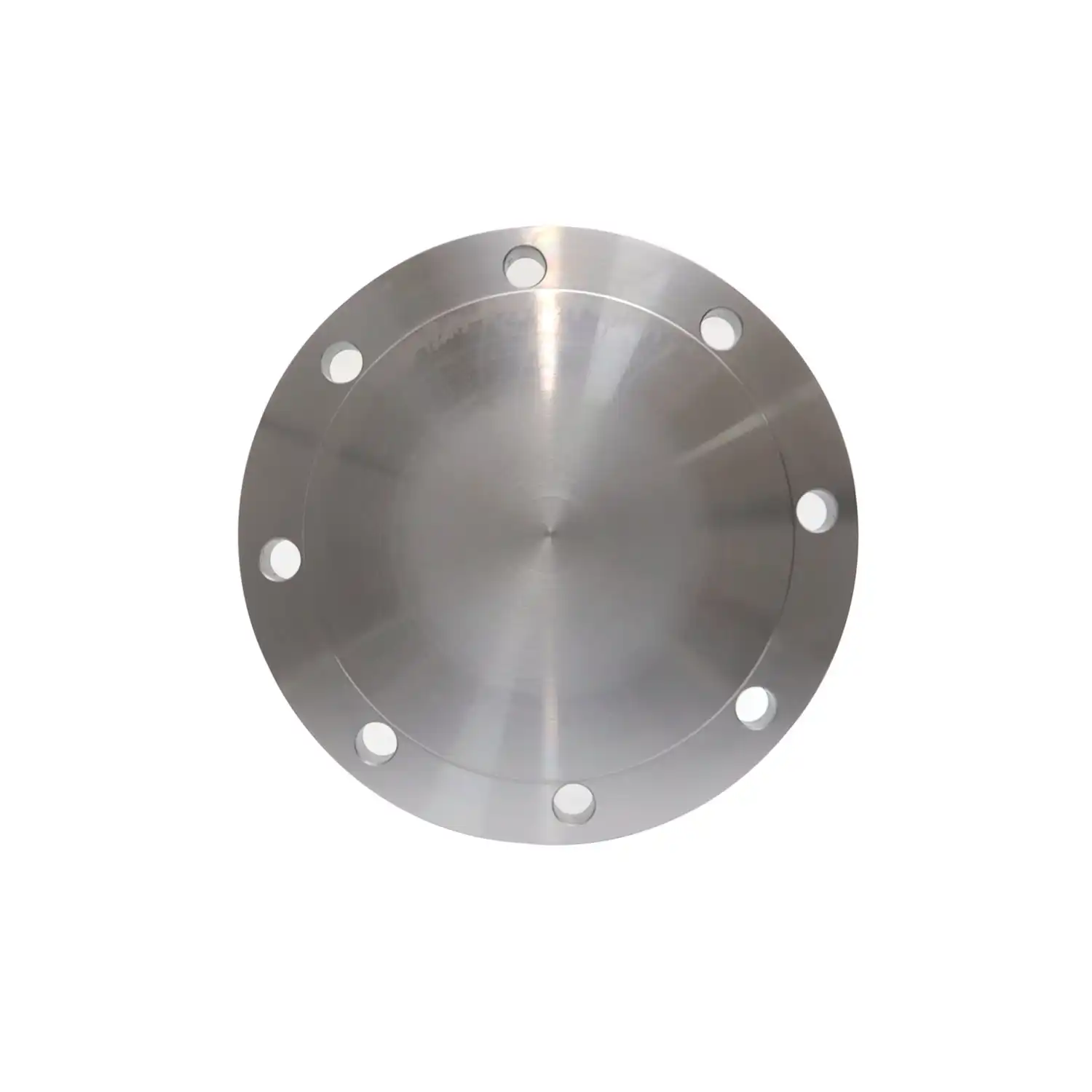
Understanding Blind Flanges and Their Key Specifications
It is important to have blind flanges in industrial plumbing systems because they seal pipeline ends permanently or partially permanently. These solid disc seals keep fluid from leaking and make it easy to do repair and inspection work. Their strong closing ability makes them essential in many industrial settings where system stability can't be compromised.
Technical Specifications and Standards Compliance
ANSI/ASME B16.5, ASME B16.47, EN 1092-1, DIN, and GOST are just a few of the foreign standards that modern blind flanges meet. Manufacturers usually work with bands from DN15 to DN5000 and pressures from PN6 to PN160. These detailed specs make sure that the product can be used in a wide range of workplace settings and meets strict safety standards. The choice of material is very important for how well a blind flange works. Different types of carbon steel are inexpensive and good for everyday use, while grades of stainless steel like 304 and 316L are much better at resisting rust. Compositions of alloy steel meet specific needs in places with high temperatures or harsh chemicals.
Pressure Class Ratings and Material Considerations
When choosing the right blind flanges for a job, it's important to know how to read the pressure class numbers. According to ASME B16.5 standards, grades from Class 150 to Class 2500 can be used for different pressure needs. To handle the full internal pressure working on the flat surface, materials need to be thicker for higher pressure classes. The engineering design has to take into account that the center will have the most bending stress while still having a strong seal fitting force around the edges. This two-stress management makes sure that the system works well in harsh mechanical conditions that are common in power plants and industrial plants.
Step-by-Step Best Practices for Installing a Blind Flange
When you follow the right installation steps, you lower the risks of system failures, working downtime, and safety dangers. Misalignment, bad sealing methods, and material fit issues are all common installation problems that can hurt long-term performance.
Pre-Installation Inspection and Preparation
Thorough checks before installation lay the groundwork for a smooth blind flange integration. A visual inspection of the flange surface should reveal any flaws, scratches, or differences in size that might affect how well it seals. Check that the Blind Flange measurements, including the bolt hole patterns and face types, match those of the current pipe system. The papers that certify materials must show that they are compatible with the conditions that will be used. Specifications for temperature, pressure, and chemical interaction help keep materials from breaking down during use. The right paperwork helps with quality assurance processes and makes sure that things can be tracked.
Critical Installation Steps and Torque Specifications
For the construction process to work best, it needs to be done in a planned way. These basic steps make sure that the positioning and seals work properly:
- Prepare the surface: Thoroughly clean all mating surfaces, getting rid of any dirt, old gasket material, or rust products that might get in the way of proper bonding.
- Choosing and placing the gasket: Pick the right gasket material for the Blind Flange based on the service conditions and make sure it works with the fluid medium and the temperature range of the machine.
- Installing and tightening the bolts: Install the bolts in a star pattern and apply torque gradually over several passes to make sure the seal is compressed evenly and doesn't get distorted.
Before putting the system into service, do a final inspection and a pressure test if you can to make sure it is leak-tight.
These step-by-step instructions get to the bottom of why installations fail and set standards for solid performance. When something is done right, it keeps expensive repairs from having to be done and makes sure that safety rules for industrial plumbing systems are followed.
Environmental Considerations and Special Applications
When installing something, certain external factors that affect its long-term performance must be taken into account. When torqueing a bolt at a high temperature, thermal expansion needs to be taken into account. Corrosive settings need coating systems and gasket materials that are specially made to fight chemicals. Installations with a large circle pose special problems that need special moving and alignment tools. The right support structures keep the flange face from deflecting during installation and make sure that the stress is spread evenly across it.
Choosing the Right Blind Flange for Your System
To choose the best blind bolt specs, you have to balance technical needs with buying factors. When making decisions, frames should take into account things like pressure class compatibility, environmental conditions, and the performance features of the material, as well as time constraints and cost limits.
Decision Framework for Material Selection
The choice of materials has a big effect on both the original prices and the long-term dependability of the system. Options made of carbon steel are cost-effective for normal water and air uses that work at normal temperatures. Stainless steel types are more resistant to corrosion, which makes the higher original costs worth it because they last longer. Specialized metal compositions, including Blind Flange, are made to handle the unique service conditions that come up in power generation and chemical handling. Duplex stainless steels are strong and don't rust, making them ideal for marine settings. High-temperature alloys, on the other hand, stay strong even in the hottest circumstances.
Procurement Strategies and Supplier Evaluation
Buying from approved makers makes sure that quality standards are met and regulations are followed in all global markets. Well-known providers have thorough quality control systems that include ways to track materials, make sure they are the right size, and test their performance. These features give customers trust in the reliability of the product and help with the paperwork needs of the project. Buying in bulk can save you a lot of money on big jobs and make sure that the specs are the same for all of your installations. When special materials or custom changes are needed, lead times become very important for planning the schedule of a project.
Comparing Blind Flanges with Other Flange Types for Optimal System Integration
Knowing the differences between the different types of flanges lets you make smart choices about which ones to use, which improves system performance and makes upkeep easier. Each flange design has its own benefits that depend on the needs of the application and the limitations of the installation.
Structural Differences and Performance Characteristics
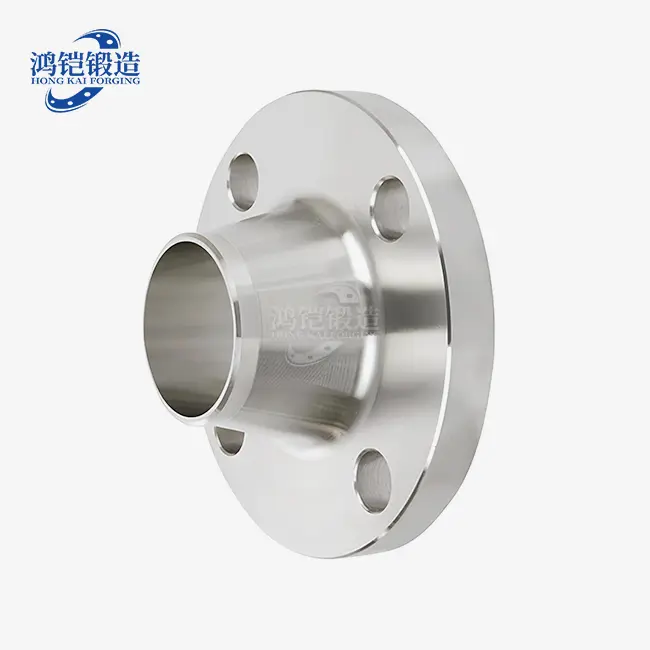
Blind Flanges are completely different from weld neck and slip-on setups because they are solidly built and have a termination function. Weld neck flanges are stronger for high-pressure flow uses, but they have to be permanently welded in place. Threaded flanges are a replaceable link for lines with a smaller diameter, but they can't handle as much pressure as bonded options. Slip-on flanges are easier to install and don't need to be sturdy for low to medium pressure. Blind Flange Plate flanges offer flat sealing surfaces for full-face gasket systems, used in water treatment facilities.
Application-Specific Selection Criteria
When making a choice, the criteria must take into account both the needs for instant installation and the needs for long-term upkeep. In pipeline separation uses, blind flanges are preferred because they can completely seal and are easy to remove. For flow-through processes, you need weld neck or slip-on designs that let liquids flow continuously. International standards like ASME B16.5 and EN 1092-1 offer fitting rules that make sure that different types of flanges can be properly integrated. Standardized sizes and bolt designs make it easier to change parts of the system while keeping the structure's strength and closing ability.
Maintenance and Troubleshooting Tips for Installed Blind Flanges
To keep working integrity, you need systematic review methods and ways to fix problems before they happen. Regular repair programs keep parts working longer and stop them from breaking down when they're least expected, which could make the system less reliable.
Routine Inspection Protocols
Visual checks should include checking the state of the gasket, how tight the bolts are, and looking for signs of surface rust that could affect how well the seal works. Stress cracks or material flaws can be found before they cause system problems using non-destructive testing methods like dye penetrant examination. A severe service requires more frequent Blind Flange maintenance. Inspection findings, maintenance activities, and part replacement history should be tracked by documentation systems to identify performance patterns and optimise maintenance programs.
Common Issues and Diagnostic Approaches
Most sealing problems are caused by gasket breakdown, which can happen because of chemicals that don't work well together or too much heat. Thermal cycling causes bolts to slowly open, so they need to be re-torqued from time to time to keep the seal compressed properly. Corrosion problems usually happen in cracks where water and other contaminants can gather. Early discovery through regular checks lets problems be fixed before they get too bad and risk the integrity of the component. In places where rust is likely to happen, protective coating systems and cathodic protection methods can stop it.
Conclusion
To install a blind flange correctly, you need to know the technical details, follow the steps in a planned way, and keep up with the upkeep schedule. Choosing the right material, making sure the dimensions are correct, and following the right methods for adherent torque all lead to effective sealing performance in a wide range of industrial settings. Regular review programs find problems before they become serious, and recording systems help with efforts to keep making things better. These all-around methods lower practical risks and improve key piping systems' long-term performance and cost-effectiveness.
FAQ
1. What torque specifications should I follow for blind flange installation?
Specifications for torque depend on the type of bolt, the size of the head, and the pressure class. Standard torque values are given by ASME B16.5; however, makers often give more detailed advice. To get even compression of the gasket, use a torque wrench that has been properly measured and apply force in a star design, making several passes.
2. Can blind flanges be reused after removal?
Reuse depends on how the part looks after being inspected. Check the surface of the seal for harm like scratches, warping, or rust. Use the right checking methods to make sure the dimensions are correct and the material is solid. No matter what the state of the flange is, replace the gaskets and nuts to make sure they work reliably.
3. How do I ensure compatibility with existing pipeline components?
Check the dimensions, such as nominal width, pressure class, and bolt design, to make sure they meet the standards that apply. Make sure the material will work with the system's current parts and the situations it will be used in. Make sure the face type matches (raised face, flat face, or RTJ) to make sure the cover fits properly and seals well.
Partner with HONG KAI FORGING for Premium Blind Flange Solutions
Forging, heat treatment, and precise cutting are just some of the many production methods that HONG KAI FORGING can use to make the best Blind Flanges. Our approved goods meet international, ASME B16.5, and state standards and are used in important ways in the petrochemical, power generation, and water treatment industries. Get in touch with kevin.zhao@hkflange.com to talk about your needs and take advantage of our wide range of sizes (DN15–DN4000), low bulk prices, and reliable shipping around the world. As a reliable blind flange provider with decades of technical know-how, we make sure that your projects meet strict performance standards by using high-quality materials and strict quality control methods.
References
1. American Society of Mechanical Engineers. "Pipe Flanges and Flanged Fittings: NPS 1/2 through NPS 24 Metric/Inch Standard." ASME B16.5-2020.
2. European Committee for Standardization. "Flanges and their Joints - Circular Flanges for Pipes, Valves, Fittings and Accessories." EN 1092-1:2018.
3. Bickford, John H. "Gaskets and Gasketed Joints, Second Edition." CRC Press, 2016.
4. Megyesy, Eugene F. "Pressure Vessel Handbook, 16th Edition." Pressure Vessel Publishing, 2019.
5. Brown, William C. "Piping Design and Engineering Guidelines for Industrial Facilities." Industrial Press, 2021.
6. International Association of Oil & Gas Producers. "Guidelines for Flange Management." IOGP Report 492, 2018.
Clear Communication, and Reliable Technical Support
_1788925464817.webp)
_1785982897695.webp)