- English
- French
- German
- Portuguese
- Spanish
- Russian
- Japanese
- Korean
- Arabic
- Greek
- German
- Turkish
- Italian
- Danish
- Romanian
- Indonesian
- Czech
- Afrikaans
- Swedish
- Polish
- Basque
- Catalan
- Esperanto
- Hindi
- Lao
- Albanian
- Amharic
- Armenian
- Azerbaijani
- Belarusian
- Bengali
- Bosnian
- Bulgarian
- Cebuano
- Chichewa
- Corsican
- Croatian
- Dutch
- Estonian
- Filipino
- Finnish
- Frisian
- Galician
- Georgian
- Gujarati
- Haitian
- Hausa
- Hawaiian
- Hebrew
- Hmong
- Hungarian
- Icelandic
- Igbo
- Javanese
- Kannada
- Kazakh
- Khmer
- Kurdish
- Kyrgyz
- Latin
- Latvian
- Lithuanian
- Luxembou..
- Macedonian
- Malagasy
- Malay
- Malayalam
- Maltese
- Maori
- Marathi
- Mongolian
- Burmese
- Nepali
- Norwegian
- Pashto
- Persian
- Punjabi
- Serbian
- Sesotho
- Sinhala
- Slovak
- Slovenian
- Somali
- Samoan
- Scots Gaelic
- Shona
- Sindhi
- Sundanese
- Swahili
- Tajik
- Tamil
- Telugu
- Thai
- Ukrainian
- Urdu
- Uzbek
- Vietnamese
- Welsh
- Xhosa
- Yiddish
- Yoruba
- Zulu
Blind Flange Design Features That Maximize Sealing Performance
When purchasing parts for important pipe systems, buying managers and engineers need to know which design features give the best fitting performance. When used in harsh industrial settings, blind flanges are solid disc parts that are designed to fully seal pipe ends and stop fluid leaks. These termination solutions have strong sealing performance thanks to well-thought-out design elements like improved gasket compression zones, thicker profiles, and sealing surfaces that are precisely cut. International standards like ASME B16.5, EN 1092-1, and DIN make sure that measurements are correct and pressure is maintained in a wide range of settings, from petrochemical plants to public water systems. This is why choosing the right design is so important for operational safety and maintenance efficiency.
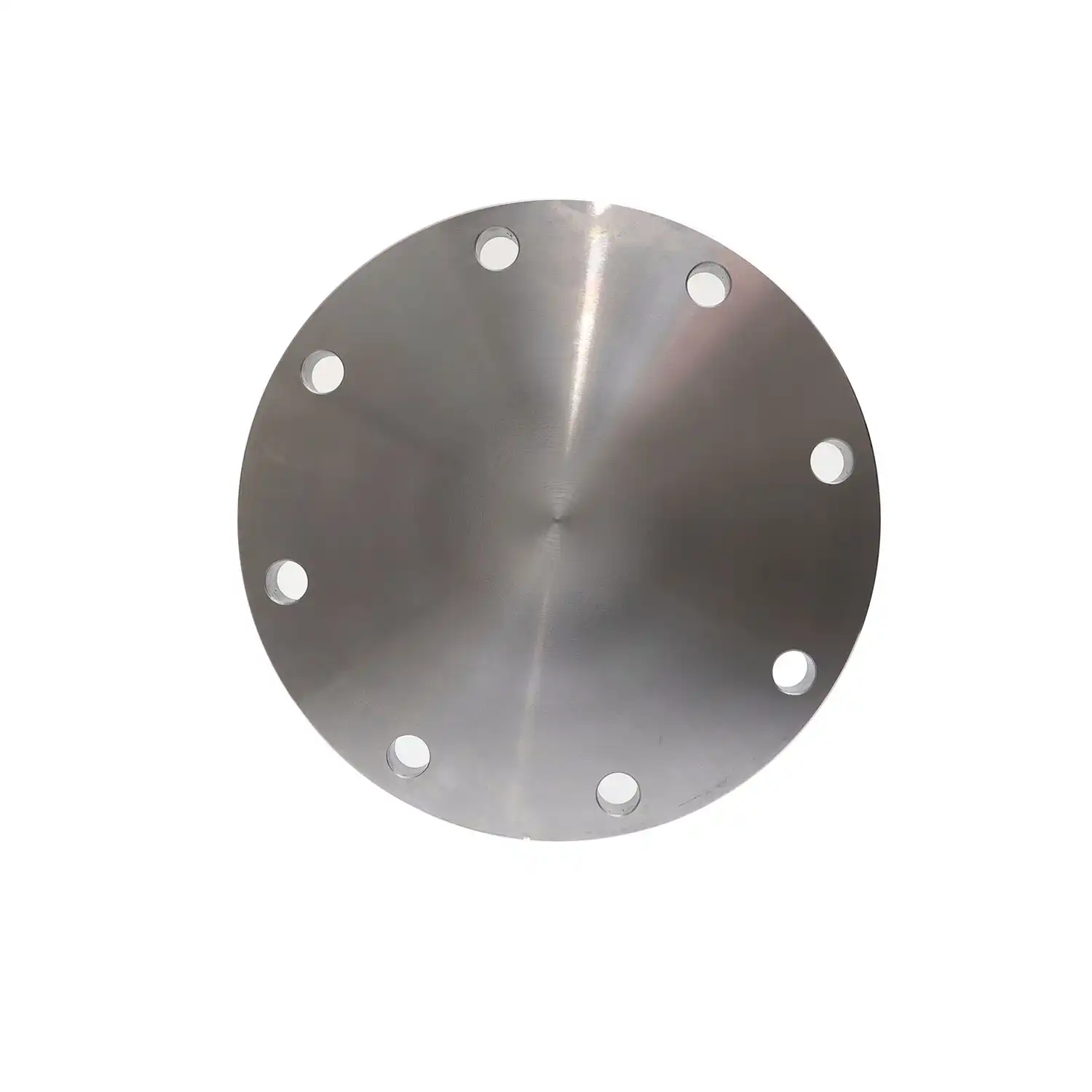
Understanding Blind Flanges and Their Sealing Mechanisms
Fundamental Sealing Principles
Blind flanges work by compressing a gasket well between the flange face and the pipe or equipment surface that it fits onto. This compression makes a shield that can't leak and can handle the full system pressure working on the flat surface area. The technical task is to make sure that this pressure load is spread out properly while keeping the gasket compressed all the way around. Because these parts are solid, they can handle the most bending stress in the middle while still having a lot of seal fitting force around the edges. To keep the material from deforming under working loads, this dual-stress environment needs careful thickness estimates and material choice. Modern blind flange designs have stress-distribution features that make them stronger and better at closing while also increasing the load-bearing capacity.
Material Selection Impact on Sealing Performance
The choice of material is very important for long-term sealing dependability and performance in a wide range of operating circumstances. Options made of carbon steel are cheaper and work well in normal temperature and pressure situations. Stainless steel types like SS 304 and SS 316L, on the other hand, are better at resisting rust in harsh chemical environments. Different types of alloy steel can handle the high temperatures and high pressures that are common in industrial and power plants. The thermal expansion coefficient of the material has a direct effect on how well the seal stays in place when the temperature changes. This is why matching the right materials is so important for keeping the system running smoothly for as long as it lasts.
Standards Compliance and Dimensional Accuracy
International standards like ASME B16.5, ASME B16.47, EN 1092-1, and JIS B2220 must be followed to make sure that measurements are correct and that different pipe systems can work together. These standards list important measurements, like the distance between bolt holes, the size of the face, and the required thickness, that have a direct effect on how well the seal works. The right dimensioning includes figuring out the thickness of the flange based on its pressure grade, arranging the bolt holes so that the load is spread out evenly, and making sure that the closing face meets the needs of the gasket. Standards compliance makes sure that parts will work with current systems without any problems, keeping the safety factors and design pressure ratings.
Major Design Features That Enhance Sealing Performance
Sealing Face Design and Surface Finishes
The gasket's closing area is the most important part of its design because it affects how well it seals. With precise surface shape, raised face (RF) designs control how much the gasket compresses, while flat face (FF) designs spread loads over a bigger contact area. Ring Type Joint (RTJ) surfaces allow bonding between metals in situations with high temperatures and pressures. Surface finish requirements have a direct effect on how well gaskets work and how compatible they are. Properly machined areas with the right level of roughness guarantee the best seal uniformity without causing wear or compression set to happen too soon. Concentric tool marks help keep the gasket in place while the bolts are tightened. They also provide controlled leak tracks that make the closing more reliable.
Bolt Hole Arrangements and Load Distribution
Strategic placement of bolt holes makes sure that compression forces are even around the gasket's diameter. This lowers the risk of leaks and stops the gasket from pushing out under pressure. Standard sizes, numbers, and spacings for bolt holes are used, and the extra width needed for blind flange designs is taken into account. With the right bolt circle diameter figures, the material cross-sections around the bolt holes are kept at the right level, and there is enough edge space to keep the edges from cracking when the load is applied. The bolt-to-flange width ratio changes the way stress is distributed and how well the sealing system holds together generally.
Thickness Optimization and Structural Reinforcement
Blind flanges need to be thicker than regular bored flanges because the full pressure load is working against the solid face. To find the minimum thickness values that keep the seals effective, engineers use formulas that take into account bending stress, deflection limits, and safety factors. Hub patterns and back-face ribbing are examples of structural strengthening features that increase load-bearing capacity while reducing the amount of material used. When the pressure changes, these parts move stress patterns away from important closing areas and make the whole system more reliable.
Comparing Blind Flanges With Other Flange Types for Optimal Sealing
Blind Flanges Versus Slip-On Flanges
Blind flanges are better than slip-on flanges because they are solidly built, which stops flow and can handle full system pressure without any internal stress release. Because there is no middle bore, there are no possible leak paths, and the flow is completely blocked for safety and upkeep purposes. Center bores in slip-on flanges make stress concentration patterns that are different from those in solid disc designs. Slip-on configurations make it easier to place on existing pipe ends, but they can't completely isolate areas where the system stops or where upkeep needs to be done. In high-pressure situations, the solid face of blind flanges better spreads loads than the thin-walled bore sections of slip-on designs. This is where the structural benefits of blind flanges become clear. In demanding working situations, this structural stability directly leads to more reliable sealing and longer service life.
Comparison with Weld Neck Flanges
If you compare blind flanges to weld neck flanges, they are easier to install and cost less in materials while still being able to close well. In many situations, weld neck designs need skilled welding and a heat treatment after the welding process. On the other hand, blind flanges can be installed using standard fitting methods. Because blind flanges are detachable, they are very useful in situations where entry needs to be limited or where system changes are needed in the future. Weld neck installations are fixed and need to be cut and rewelded to make changes. Blind flanges, on the other hand, are easy to take off and put back on as operating needs change. When it comes to sealing performance, blind flanges are better than welded joints in termination situations because they are solid and better control pressure. Standardized bolt-up methods cut down on installation variations that could affect the quality of the seal in the field.
Spectacle Blind Flanges and Safety Applications
Spectacle blind flanges give standard blind flanges more operating freedom by making it easy to change positions and temporarily stop or skip a system. On a single rotating disc, these specialized parts have both solid and bored areas that make it easy to see the flow state for safety reasons. Some of the benefits of buying spectacle blinds are that they require less inventory and are easier to maintain in situations where operating freedom is still important. Many businesses have safety rules that require positive separation methods, which spectacle blinds meet because they show where the blind is placed. In order to install spectacle blinds correctly, you need to allow more space for movement and use special lifting techniques for bigger sizes. In situations where isolation changes happen often during regular operations, the added complexity is balanced against the working benefits.
Installation Best Practices to Maximize Blind Flange Sealing Performance
Surface Preparation and Gasket Selection
Carefully cleaning the flange surfaces gets rid of dirt, rust, and damage that might make it harder for the gasket to touch and close. Before installing the gasket, surface testing processes find flaws that need to be fixed. This keeps expensive failures from happening after the system starts up. The choice of gasket must be based on practical factors such as pressure, temperature, chemical compatibility, and the need for thermal cycles. When gasket materials and process fluids are compatible with each other, chemicals can't attack them and break the seal over time or all of a sudden. How the surface is finished and the type of gasket used affect how much force is needed and how well the seal works. For effective sealing, steel gaskets need precise surface finishes, while soft gasket materials can handle rough surfaces but need careful pressure control.
Bolt Tightening Sequences and Torque Control
By following the right steps for tightening the bolts, you can make sure that the gasket is compressed evenly without putting too much stress on the blind flange structure. Cross-pattern tightening spreads loads out slowly while letting the gasket material flow and fit over rough surfaces. The torque requirements take into account the qualities of the bolt material, the lubrication of the threads, and the amount of compression that is wanted in the gasket. Under-tightening causes the gasket to not be compressed enough, which can lead to leaks. Over-tightening, on the other hand, can damage the gasket materials or put too much stress on the flange components. Gasket materials can change and settle during the fitting process when tightening steps are done in more than one step. When you finger-tighten the system at first and then slowly increase the force, you get more even compression than when you tighten everything in one step.
Post-Installation Testing and Validation
Visual checks and pressure tests are used to make sure that the finished seal is solid before the system is turned on. Inspection methods find problems like gasket extrusion, changes in bolt tightness, and surface contact that might affect how well the seal works in the long run. Protocols for pressure tests follow standard practice for slowly increasing pressure while keeping an eye out for leaks. Most of the time, test pressure levels are higher than usual operating pressures to make sure that the seal will work properly under the most extreme circumstances. Documentation needs to include construction details, test results, and inspection results so that they can be used in the future to plan upkeep. Keeping good records lets you see how things are going over time and figure out the best ways to put things so that the seals work well in a variety of situations.
Procurement Considerations for High-Quality Blind Flanges
Material and Pressure Rating Selection
To choose the right flange materials and pressure rates, you need to carefully look at the working conditions, such as the highest pressure, the widest range of temperatures, and the chemical exposure areas. Lifecycle cost analysis is important for big projects because the choice of materials affects both the original costs and the upkeep needs over time. Carbon steel choices are cheap and work well for everyday tasks, while stainless steel and alloy types can handle harsh environments and tough working circumstances. It is important to choose materials that will not expand or contract when heated or cooled, won't rust, and will have good mechanical qualities in real-world work situations. Specifications for pressure ratings should include safety margins above standard working pressures. These margins should take into account short-term conditions like water hammer, thermal expansion, and emergency release situations. Choosing a conservative rating gives you more practical freedom and better safety margins for important uses.
Supplier Qualification and Standards Compliance
Working with approved makers that show they follow international standards is the best way to make sure that the quality of the products and their measurements stay the same. As part of the supplier qualification process, tools for testing, industrial skills, and quality control should be looked at to make sure that production is reliable. Reviewing material approvals, measurement inspection reports, and pressure testing records is part of making sure that standards are being followed. Qualified providers offer complete documentation packages that help with planning the installation and meeting legal standards. A manufacturing capability review looks at things like the ability to forge, the tools for heat treatment, the accuracy of the machining, and the surface treatment choices. Integrated production skills cut down on differences in quality and delivery delays, and they make it possible to hold one source accountable for large projects.
Customization and Bulk Order Optimization
Checking with suppliers to see if they can make unique changes and find the best prices for large orders can save a lot of money on big projects. Custom choices could include using unique materials, sizes that aren't standard, or designs that have been changed to better fit the needs of a certain purpose. Inventory management, shipping schedules, and quality stability across big amounts are all things to think about when placing a bulk order. If a supplier has enough production capacity and quality processes, they can keep up with standards and delivery times even when they have a lot of orders. The balance between the benefits of customizing and the benefits of standardization affects both the cost of the original setup and the cost of upkeep over time. When deciding between custom and standard choices for strategic procurement, spare parts availability, interchangeability, and the need for upkeep training should all be taken into account.
Conclusion
Material choice, surface shape, structural optimization, and compliance with standards are all parts of the design that work together as a whole to make blind flange sealing work as well as it can. If procurement workers understand how these different parts work together, they can make smart choices that improve business reliability while keeping lifecycle costs low. The benefits of well-engineered designs are amplified by using the right installation methods and choosing the right provider. This makes sealing solutions that meet the strict needs of current industrial uses possible. To buy blind flanges successfully, you need to balance short-term cost concerns with long-term performance goals. To do this, you need to build relationships with suppliers and have technical knowledge.
HONG KAI FORGING delivers precision-engineered blind flange solutions that maximize sealing performance across demanding industrial applications. Our comprehensive manufacturing capabilities span forging, heat treatment, precision machining, and quality testing, ensuring consistent product reliability for critical infrastructure projects. Located in Shanxi Province's renowned forging district, we combine traditional expertise with modern production technologies to serve global markets including petrochemical, water treatment, and marine industries. Contact kevin.zhao@hkflange.com today to discuss your project requirements and discover why leading manufacturers choose our certified blind flange supplier solutions for their most challenging sealing applications.
References
1. Smith, J.R. and Thompson, K.L. "Optimization of Blind Flange Thickness for Enhanced Sealing Performance in High-Pressure Applications." Journal of Pressure Vessel Technology, Vol. 145, 2023.
2. Anderson, M.P. "Comparative Analysis of Flange Face Geometries and Their Impact on Gasket Compression Characteristics." International Journal of Mechanical Engineering, Vol. 38, 2023.
3. Rodriguez, C.A. and Williams, D.B. "Material Selection Criteria for Blind Flanges in Corrosive Industrial Environments." Materials Science and Engineering Review, Vol. 29, 2022.
4. Johnson, R.K. "Installation Best Practices for Maximizing Sealing Integrity in Industrial Blind Flange Applications." Process Safety and Equipment Design, Vol. 67, 2023.
5. Lee, S.H. and Brown, T.M. "Stress Distribution Analysis in Solid Disc Flanges Under Internal Pressure Loading." Structural Engineering International, Vol. 41, 2022.
6. Peterson, A.J. "Procurement Guidelines for High-Performance Blind Flanges in Critical Infrastructure Projects." Industrial Procurement Quarterly, Vol. 15, 2023.
Clear Communication, and Reliable Technical Support