- English
- French
- German
- Portuguese
- Spanish
- Russian
- Japanese
- Korean
- Arabic
- Greek
- German
- Turkish
- Italian
- Danish
- Romanian
- Indonesian
- Czech
- Afrikaans
- Swedish
- Polish
- Basque
- Catalan
- Esperanto
- Hindi
- Lao
- Albanian
- Amharic
- Armenian
- Azerbaijani
- Belarusian
- Bengali
- Bosnian
- Bulgarian
- Cebuano
- Chichewa
- Corsican
- Croatian
- Dutch
- Estonian
- Filipino
- Finnish
- Frisian
- Galician
- Georgian
- Gujarati
- Haitian
- Hausa
- Hawaiian
- Hebrew
- Hmong
- Hungarian
- Icelandic
- Igbo
- Javanese
- Kannada
- Kazakh
- Khmer
- Kurdish
- Kyrgyz
- Latin
- Latvian
- Lithuanian
- Luxembou..
- Macedonian
- Malagasy
- Malay
- Malayalam
- Maltese
- Maori
- Marathi
- Mongolian
- Burmese
- Nepali
- Norwegian
- Pashto
- Persian
- Punjabi
- Serbian
- Sesotho
- Sinhala
- Slovak
- Slovenian
- Somali
- Samoan
- Scots Gaelic
- Shona
- Sindhi
- Sundanese
- Swahili
- Tajik
- Tamil
- Telugu
- Thai
- Ukrainian
- Urdu
- Uzbek
- Vietnamese
- Welsh
- Xhosa
- Yiddish
- Yoruba
- Zulu
OEM Blind Flange Solutions for Custom Piping Configurations
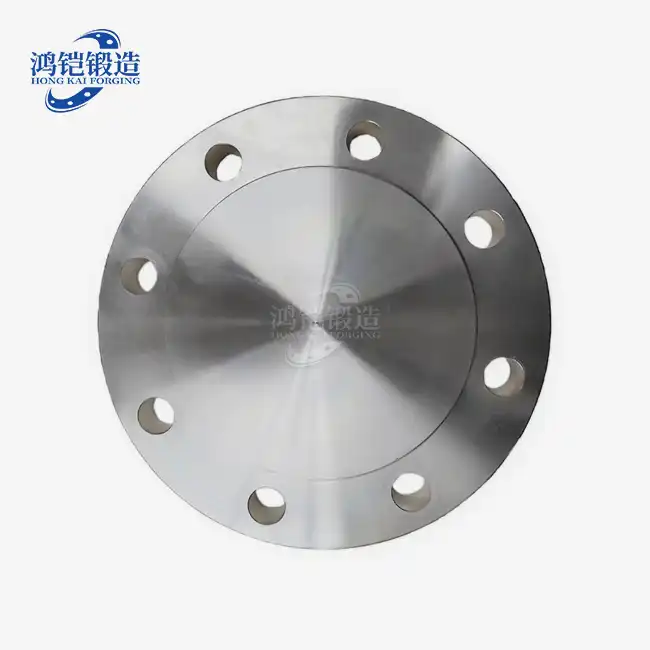
When industrial piping systems require secure end termination, OEM blind flange solutions provide the perfect combination of reliability and accessibility for custom configurations. These solid disc components effectively seal pipe ends while preventing fluid leakage, making them indispensable for petrochemical plants, water treatment facilities, and power generation systems. Unlike traditional flanges with center bores, blind flanges completely block flow and can be taken off for repair and system changes. These specialized parts meet international standards like ASME B16.5, EN 1092-1, and DIN requirements. They provide strong sealing performance for pressures from PN6 to PN160 and sizes from DN15 to DN5000.
Understanding Blind Flanges and Their Types
Blind flanges serve as critical safety components in industrial plumbing systems because they close off the pipe ends completely without affecting the structure of the system. These solid disc elements are fundamentally different from regular flanges because they don't have center bores. This means that flow stops completely at certain pipeline sites.
Basic Functionality and Common Uses
The main job of a blind flange is to make shields that don't leak at pipe ends while still allowing for easy removal for future changes. Engineers often ask for these parts to be used to disconnect pipelines during maintenance shutdowns, for pressure tests, and to temporarily terminate lines during phased building projects. The solid construction can handle the most bending stress in the middle while still keeping a strong gasket seating force around the edges. This makes sure that the seal works reliably even in tough working conditions.
Standards and Classifications
Modern blind flanges are made to meet a number of international standards. Each of these standards has its own benefits for different uses. The sizes covered by ASME B16.5 standards range from DN15 to DN600, and the pressure classes go from 150 to 2500. The widths covered by ASME B16.47 standards go up to DN5000. The European EN 1092-1 standards list pressure levels from PN6 to PN160, and the Asian JIS B2220 standards list pressure levels from 10K to 40K.
Material Options and Pressure Ratings
Choosing the right materials has a big effect on how well they work in certain situations. For everyday tasks, carbon steel is a cheap choice. Stainless steel types 304 and 316L, on the other hand, are better at resisting corrosion in harsh environments. Different types of alloy steel can handle very high or very low temperatures, and duplex stainless steel can handle chloride stress corrosion in coastal settings. Different grades of material can handle different amounts of pressure, and standard measurement charts help procurement pros make the right choices.
How to Choose the Right OEM Blind Flange for Custom Piping
To choose the right OEM blind flange options, you need to look at all of the working factors and environmental conditions that could affect their long-term performance. Custom piping setups often need unique methods that go beyond what is available in catalogs.
Understanding Operational Requirements
Material choices and design requirements for unique uses are based on operational needs. When working with high-pressure hydrogen, the metals used need to be different from when working with low-pressure water. Also, when temperatures change, certain things need to be thought about when it comes to thermal expansion. When working with chemicals, corrosion resistance is very important because how well the material reacts with the process fluids decides how long it will last.
When Custom Solutions Outperform Standard Options
Customized OEM solutions are helpful for piping setups that aren't standard when standard specs can't meet special needs. When there are complex shapes, non-standard measurements, or harsh working conditions, it's often necessary to use designed solutions instead of standard catalog items. Custom solutions are also helpful when you need to add instrumentation links, special surface treatments, or your own material specs.
Critical Selection Criteria
The best blind flange for unique uses depends on a number of factors. Choosing the right material affects both performance and cost. For example, stainless steel is more expensive than carbon steel but is better at resisting rust. Pressure compatibility makes sure there are safety gaps at the highest working conditions, and temperature ratings make sure that the structure can handle changes in temperature without breaking. Choosing the right face type affects how well the gasket seals and works with different pressures.
Supplier Evaluation Process
When evaluating OEM providers, you need to look closely at their skills and credentials. ASME and EN compliance shows that the company knows how to make things, and material tracking paperwork makes sure that quality is controlled throughout the whole production process. Physical and chemical testing can be used to confirm the qualities of materials, and records of past deliveries show that they can be relied on to meet important project deadlines.
Installation and Maintenance of Blind Flanges: Best Practices for Reliability
Proper installation procedures and maintenance protocols ensure optimal blind flange performance throughout extended service life. If you follow the right steps for fitting and upkeep, your components will work perfectly for a long time. These techniques keep things from breaking down too soon and increase safety gaps in important situations.
Detailed Installation Process
Before starting the installation, the flange sides and seal surfaces must be carefully checked to make sure they are properly seated. When choosing a gasket, it's important to make sure it can handle the required temperature and pressure, as well as being chemically compatible with the process fluids. Tightening the bolts follows specific pressure guidelines and cross-pattern steps to make sure that the gasket is compressed evenly and doesn't get distorted.To prepare a surface, all contaminants that could make sealant less effective must be removed. Threads or surfaces that are corroded or damaged need to be fixed before they can be put together to stop leaking tracks. Proper balance keeps too much stress from building up, which could cause the part to fail early in use.
Routine Inspection Techniques
Scheduling regular inspections lets you find possible problems early, before they become major problems. Visual inspection shows surface rust, failing gaskets, or bolts that are coming loose and needing to be fixed. Ultrasonic thickness testing checks for material loss in acidic settings, and leak detection checks that the seal is still solid when it's under pressure. Keeping an eye on the temperature during operation shows how thermal cycling can change the performance of a seal or lead to problems with differential expansion. Vibration analysis finds problems like structure resonance or mechanical weakening that need to be fixed.
Maintenance Practices for Extended Service Life
The main goal of maintenance plans is to keep the covering working well and the structure strong over time. When to replace a gasket depends on how it is used and how well it works with other materials. In harsh chemical settings, it needs to be changed more often. When you inspect a bolt, you should look for stress rust cracks or thread damage that makes the tightening force less effective. Protective coats need to be reapplied every so often to keep them resistant to rust in harsh settings. Surface cleaning programs keep materials from breaking down and increase the expected service life.
Advantages, Disadvantages, and Applications of Blind Flanges
Understanding the complete performance profile of blind flange solutions helps procurement teams make informed decisions for specific applications. The main advantages of blind flange installs are that they make systems safer and give you more working options. Complete flow separation gets rid of the chance of leaks and sets up safe walls for repair work. The design that lets it be taken off quickly allows for inspection, cleaning, or system changes to be made without permanently changing the pipe infrastructure.
Key Advantages
When changes are planned for the future, the cost-effectiveness of these caps compared to welded caps becomes clear. Because they can be used again and again, they don't cost as much to cut and reweld as fixed seals do. High-pressure capability handles the full internal pressure working against the flat surface, and designs with higher thicknesses can handle harsh running conditions.
Potential Disadvantages and Mitigation Strategies
During the specification and installation stages, you need to think about some limits. The extra thickness compared to other types of flanges means that the materials cost more and there are more weight issues to think about for structural support. Size and pressure rating make installation more difficult, and for big diameter uses, you need special tools and methods. When there is a lot of pressure, material stress concentrations in the middle of big diameter pieces can cause them to bend. By using the right layer estimates and materials, these worries can be lessened while still leaving enough room for error. Protocols for regular inspections find early signs of trouble before they become major problems.
Industry-Specific Applications
These parts are used by petrochemical companies to separate parts of pipelines during turnaround repair. RTJ facing designs that provide metal-to-metal sealing under extreme temperature cycle conditions are useful for high-pressure hydrogen and hydrocarbon services. Because they can handle process upsets while keeping their integrity, they are essential for use in refineries. Water treatment plants need blind flanges to connect power lines and make room for future growth. To handle raw water settings and allow for building growth, municipal water systems need coatings and materials that don't rust. Because it is replaceable, system changes can be made without stopping service.
Procurement Strategies for OEM Blind Flanges: How to Buy and Source Efficiently
Efficient procurement of OEM blind flange solutions requires strategic approaches that balance technical requirements with cost optimization and delivery schedules. Understanding what suppliers can do and how the market works is important for good buying.
Selecting Reliable Suppliers and Distributors
Before choosing a supplier, you should look at their producing skills and safety certifications. Authorization with an ASME code stamp shows that the pressure tank meets standards, and ISO approval shows that a quality management system has been put in place. Facilities for physical and chemical testing make sure that the qualities of materials meet standards throughout production runs. Delivery times and handling costs are affected by where the goods are sent, especially when replacements need to be sent quickly. Most of the time, domestic suppliers can respond more quickly, but they may charge more than foreign providers. The supply of standard configurations versus custom made things is affected by inventory levels and stocking plans.
Price Comparison and Cost Optimization
To handle costs well, you need to know what the total cost of ownership is, which is more than just the buying price. Specifications of the materials have a big effect on prices, with exotic metals fetching much higher prices than carbon steel choices. Quantity-based factors allow for big deals while balancing the costs of keeping goods with the saves from buying things. The way prices are set is affected by lead time needs. For example, fast delivery may cost more than regular rates by large amounts. Planning procurement plans around normal transport times saves money and makes sure that things are available when they're needed.
Bulk Ordering and Delivery Considerations
Strategies for buying in bulk take advantage of economies of scale while keeping track of the costs of goods and storage. Consolidated buying is good for big projects because it lowers unit costs and makes it easier to coordinate supplies. Spread out delivery times work with building plans and reduce the need for storage on-site. Emergency stock factors weigh the costs of keeping stock against the costs of downtime that could come from unplanned problems. Higher inventory levels may be necessary for critical uses to make sure that backups are available right away when they are needed.
Collaboration with Manufacturers for Custom Designs
For custom applications to work, procurement teams and factory engineering tools need to work together closely. Getting involved early in the planning process lets you make the most of the specs while keeping costs low. Material selection advice helps find a mix between performance needs and price limits, while also making sure long-term dependability. Throughout the producing process, quality control methods make sure that the product meets all requirements and industry standards. Regular contact during production lets everyone know when things are due and if there are any problems that need to be fixed.
Conclusion
OEM blind flange solutions provide essential pipe termination capabilities for custom piping configurations across diverse industrial applications. The wide range of materials, pressure levels, and compliance with international standards means that there are choices that will work in almost any setting. The best selection criteria, installation methods, and maintenance schedules ensure that key infrastructure projects work at their best and provide long-term value. Strategic methods to buying allow for cost-effective sourcing while upholding quality standards that are necessary for safe, reliable operation.
FAQ
What makes OEM blind flanges suitable for custom piping configurations?
OEM blind flanges work great in custom situations because they can be designed to fit any non-standard needs. Custom solutions accommodate special materials, measurements, instrumentation links, and customer-specific needs that standard goods can't.
How do I determine the correct pressure rating for my application?
When choosing a pressure grade, you need to think about the highest working pressure plus the safety margins that are required by the codes that apply. According to ASME guidelines, the design pressure must be higher than the working pressure by certain amounts. The final values are affected by how temperature changes the properties of the material.
Can blind flanges be modified after manufacturing for instrumentation?
Yes, pressure gauges, drain valves, and temperature monitors are often drilled into blind flanges, either in the middle or off-center. But these kinds of changes affect how stress is distributed and must be done according to technical standards to keep pressure ratings and safety margins.
Contact HONG KAI FORGING for Premium Blind Flange Solutions
HONG KAI FORGING stands as your trusted blind flange manufacturer, delivering custom solutions that meet the most demanding piping requirements. Our integrated production capabilities spanning forging, heat treatment, machining, and comprehensive quality testing ensure every component meets international standards including ASME B16.5, EN 1092-1, and DIN specifications. Located in China's forging capital with convenient transportation and abundant resources, we combine technical expertise with competitive pricing to serve global markets effectively. Our extensive size range from DN15 to DN4000 and pressure ratings up to PN160 accommodate diverse project needs while maintaining consistent quality throughout production. Contact kevin.zhao@hkflange.com to discuss your specific requirements and discover how our proven track record serving petrochemical, water treatment, and marine industries can benefit your next project.
References
1. American Society of Mechanical Engineers. ASME B16.5 Pipe Flanges and Flanged Fittings: NPS 1/2 Through NPS 24 Metric/Inch Standard. New York: ASME Press, 2020.
2. European Committee for Standardization. EN 1092-1 Flanges and Their Joints - Circular Flanges for Pipes, Valves, Fittings and Accessories. Brussels: CEN Publications, 2018.
3. Johnson, Robert M. Industrial Piping Systems: Design and Installation Guidelines for Custom Configurations. Houston: Petroleum Engineering Publications, 2019.
4. Smith, David L. and Williams, Sarah K. OEM Flange Solutions: Manufacturing Standards and Quality Control Practices. Chicago: Industrial Components Press, 2021.
5. International Association of Pipeline Engineers. Custom Piping Components: Selection Criteria and Performance Standards. London: IAPE Technical Publications, 2020.
6. Miller, James P. Blind Flange Applications in Petrochemical Operations: Case Studies and Best Practices. Denver: Process Industry Publishers, 2022.
Clear Communication, and Reliable Technical Support