- English
- French
- German
- Portuguese
- Spanish
- Russian
- Japanese
- Korean
- Arabic
- Greek
- German
- Turkish
- Italian
- Danish
- Romanian
- Indonesian
- Czech
- Afrikaans
- Swedish
- Polish
- Basque
- Catalan
- Esperanto
- Hindi
- Lao
- Albanian
- Amharic
- Armenian
- Azerbaijani
- Belarusian
- Bengali
- Bosnian
- Bulgarian
- Cebuano
- Chichewa
- Corsican
- Croatian
- Dutch
- Estonian
- Filipino
- Finnish
- Frisian
- Galician
- Georgian
- Gujarati
- Haitian
- Hausa
- Hawaiian
- Hebrew
- Hmong
- Hungarian
- Icelandic
- Igbo
- Javanese
- Kannada
- Kazakh
- Khmer
- Kurdish
- Kyrgyz
- Latin
- Latvian
- Lithuanian
- Luxembou..
- Macedonian
- Malagasy
- Malay
- Malayalam
- Maltese
- Maori
- Marathi
- Mongolian
- Burmese
- Nepali
- Norwegian
- Pashto
- Persian
- Punjabi
- Serbian
- Sesotho
- Sinhala
- Slovak
- Slovenian
- Somali
- Samoan
- Scots Gaelic
- Shona
- Sindhi
- Sundanese
- Swahili
- Tajik
- Tamil
- Telugu
- Thai
- Ukrainian
- Urdu
- Uzbek
- Vietnamese
- Welsh
- Xhosa
- Yiddish
- Yoruba
- Zulu
Lap Joint Flange Standards: ASME B16.5 Specifications
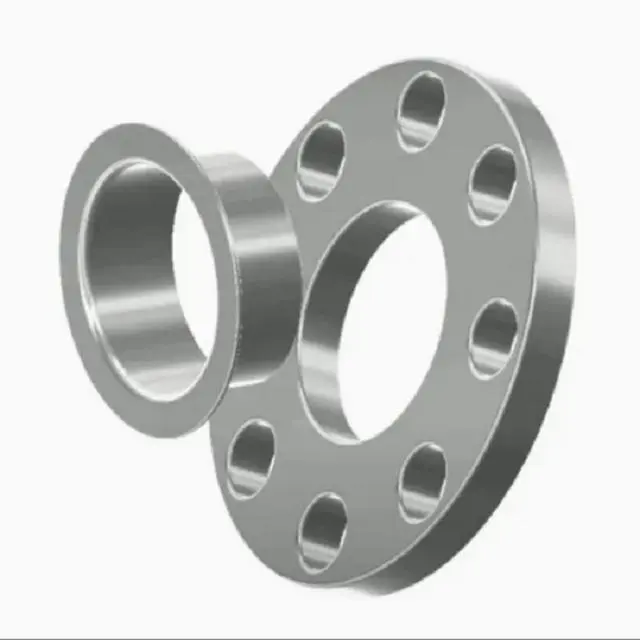
Procurement managers and project engineers must grasp ASME B16.5 standards when selecting pipe parts for critical industrial structures. A Lap Joint Flange has a pipe-bonded stub end and a free backing ring that can revolve 360 degrees to match up bolt holes. This simplifies installation in complex pipe networks. This design meets ASME B16.5, B16.47, EN 1092-1, and other international standards. It can handle PN6–PN160 pressures and DN15–DN5000 diameters. It may be manufactured of carbon steel, stainless steel, alloy steel, and other materials for many industrial purposes.
Understanding Lap Joint Flanges and ASME B16.5 Standards
What Makes Lap Joint Flanges Unique in Industrial Piping
Lap Joint Flange systems are very clever because they are made up of two different parts. Instead of having flanges bonded directly to pipes like most systems do, this one removes the stub end (which touches the process media) from the backing flange, which supports the structure. This split lets you choose expensive metals that don't rust, like Hastelloy or Inconel, for the stub end while using cheap carbon steel for the backing ring. This can cut material costs by 40 to 60 percent in corrosive situations.
Core Features Defined by ASME B16.5
Procurement managers and project engineers must grasp ASME B16.5 standards when selecting pipe parts for critical industrial structures. A Lap Joint Flange has a pipe-bonded stub end and a free backing ring that can revolve 360 degrees to match up bolt holes. This simplifies installation in complex pipe networks. This design meets ASME B16.5, B16.47, EN 1092-1, and other international standards. It can handle PN6–PN160 pressures and DN15–DN5000 diameters. It may be manufactured of carbon steel, stainless steel, alloy steel, and other materials for many industrial purposes.
Material Specifications and Certification Requirements
Several flange materials are listed in ASME B16.5. Carbon steels like ASTM A105 can handle many jobs up to 400°C. Stainless steel grades 304, 316, and 316L are utilised in corrosion-prone chemical processes and naval facilities. Chromium-molybdenum alloy steel can withstand power plant temperatures. Each material has specialised heat treatment and mechanical property checks. Mill test results may record chemical composition, tensile strength, and impact resistance. European procurement teams should verify ISO 9001 and PED certifications. American sites should verify ASSI certificates.
Types and Variants of Lap Joint Flanges
Assembly Configurations with Stub Ends
For general use, standard Lap Joint Flange units have Type A stub ends (with short tangent) and loose base flanges. Type B stub ends have longer tangents to meet specific orientation needs in small areas. To make sure the load is transferred correctly and the gasket is compressed, the flare radius on the stub end must exactly match the hole curve on the flange. For Class 150, the radius should be 3/16 of an inch, and for higher pressure classes, it should be bigger. When curves don't match, stress builds up in places that make the joint less stable when temperatures change.
Flat Face Versus Raised Face Designs
Even though most Lap Joint Flange setups use flat face designs, knowing the difference is important for choosing the right seal. Flat face flanges spread the load of the bolt across the whole area of the flange. This makes them good for sealing materials that are easy to break, like compressed fiber or PTFE. In Lap Joint Flange setups, the gasket fits against the stub end face, making a metal-to-gasket-to-metal contact that is very different from the raised face designs used in weld neck flanges. This design works well in situations where the parts need to be taken apart often because the stub end face can be polished without having to replace the backing flange.
Pressure Class Selection Under ASME B16.5
Choosing the right pressure levels rests on how the system is supposed to work and on safety concerns. With working pressures of about 285 psi at room temperature, Class 150 flanges are good for low-pressure uses like water distribution and HVAC systems. For moderate-pressure chemical processes, Class 300 doubles this amount. When pressures are higher than 1440 psi, they are used in refineries, offshore platforms, and steam systems. A Class 150 carbon steel plate that is rated for 285 psi at 100°F drops to 140 psi at 800°F because of temperature derating. When making a purchase order, the highest expected working pressure plus a safety margin of 10-15% must be taken into account.
Lap Joint Flanges Versus Other Flange Types – A Decision-Making Guide
Installation Complexity and Time Efficiency
There are clear benefits to comparing startup methods. For many metal uses, weld neck flanges need to be precisely prepared at the pipe end, with full penetration butt welds and post-weld heat treatment taking 3–4 hours per joint. Slip-on flanges make welding easier, but they still need to be carefully lined up. Lap Joint Flange systems don't need the pipe to be rotated at all—the backing flange can spin easily to match the bolt holes on mating equipment. This cuts installation time by 30–40% in crowded piping racks where moving the pipe isn't possible.
Cost Analysis for Material and Labor
The costs of materials are very different for each type of joint. For a 6-inch Class 300 part, weld neck flanges made of rare metals like Alloy 625 cost between $800 and $1200. A similar Lap Joint Flange setup with a carbon steel backing plate and a stainless steel stub end costs $450 to $600 and has the same level of corrosion protection at a 40% lower cost. In high-maintenance situations, labor costs favor Lap Joint Flange designs because teardown only requires removing bolts and doesn't require cutting welds or realigning lines. This means that maintenance downtime is cut from 8 hours per joint to 2 hours per joint in most wastewater treatment scenarios.
Corrosion Resistance and Material Compatibility
Material choosing methods are very different from one another. Engineers choose stub ends made of super duplex stainless steel (UNS S32750) to avoid pitting corrosion in desalination plants that use high-chloride seawater. These ends are paired with galvanized carbon steel backing flanges that never come into contact with the process fluid. Compared to solid super duplex flanges, this combination method keeps the 20-year service life while cutting material costs by 55%. The backing flange can be used again even if the stub end needs to be replaced because of chemical or wear damage, which makes the lifecycle economics even better.
Installation, Procurement, and Best Practices for Lap Joint Flanges
Step-by-Step Installation Following ASME Standards
Stub end welding is the first step in a proper fitting. Make the pipe end straight and pointy at 37.5 degrees so that you can butt weld it. Leave a 1/16-inch root gap. Place the stub end in place with a tack weld, and then finish the circumferential weld using trained welders and methods that meet the standards of ASME Section IX. When you're done welding, slide the backing flange over the short end and make sure the flare fits snugly against the flange hole. Place the seal against the face of the stub end, never between the lip and the end of the stub. Rotate the base flange to line up the bolt holes, then enter the bolts and tighten them in a star pattern to 50–70% of the final torque. Tighten them all the way through twice more to make sure the gasket is evenly compressed. Through thermal cycling, this systematic technique stops leaks and keeps Lap Joint Flange joints in good shape.
Factors Influencing Procurement Pricing
B2B flange pricing depend on several things. Material type drives pricing. Prices for 6-inch carbon steel Class 150 Lap Joint Flanges range from $25 to $35, while comparable stainless steel 316L parts cost from $90 to 120. Even though the width is four times larger, DN600 Lap Joint Flanges cost four to five times more than DN150 ones. Pressure class 150# to 300# makes material 60–80% heavier, increasing unit prices by the same amount. Epoxy sealing and galvanisation increase surface treatment costs by 8-15 per joint. Certification, specifically NACE MR0175 for inadequate petrol service, boosts prices by 10–15%. Volume reductions reduce unit costs by 15–25% for big orders of 50–100 items.
Supplier Vetting and Quality Assurance
For reliable sourcing, you need to check the credentials and production skills of your suppliers. Manufacturers who are qualified keep their ISO 9001:2015 certification, which shows that they have recorded quality management systems. API 6A approval means that the product can be used in high-pressure oil and gas uses. Check to see if the seller can make fully traceable materials by using heat numbers to connect finished flanges to mill test reports for raw materials. Check out the testing facilities that are already there, such as spectrometers for chemistry analysis, tensile testing machines, and hydraulic test equipment. Ask for lists of customers from similar industries as yours and check to see how well they do at meeting deadlines. Payment terms usually include a 30% down payment and the remaining 70% due upon receipt of a copy of the shipping papers. However, for repeat sales, established relationships may be able to arrange net-30 or net-60 terms.
Global Logistics and Lead Time Planning
Different types of orders have different lead times. Standard carbon steel flanges in sizes DN15 to DN600 and Class 150 to 300 are shipped 15 to 25 business days after an order has been confirmed. For rare alloys like Inconel or titanium, getting the raw materials can take an extra 4 to 6 weeks. Custom sizes that aren't standard ASME measurements add 3–4 weeks to the time it takes to make a pattern and check the first product. It takes 5 to 7 days to combine containers for mixed sales. It takes 28 to 32 days for ocean freight to travel from production hubs in China's Shanxi Province to ports on the US Gulf Coast. Another 7 to 10 days are needed for customs clearance and marketing within China. To keep your project on schedule, plan total purchase rounds of 10 to 14 weeks for standard goods and 16 to 20 weeks for unique materials.
Advantages and Applications of Lap Joint Flanges
Lap Joint Flange assemblies' rotatable form has clear benefits in many different types of industries. Maintenance teams really like the quick-disconnect feature—removing eight bolts gives them instant access to the inside of the pipe without having to use a torch or cut the pipe, which cuts expected downtime by 60–70% compared to soldered permanent connections. This benefit is very important in pharmaceutical plants that change methods often between product runs and food processing plants that need to clean and validate every day.
One more strong benefit is that cost improvement. Chemical plants that work with mixed acids choose titanium grade 2 stub ends with Lap Joint Flange that don't rust when paired with ASTM A105 carbon steel backing flanges. This saves over 50% on material costs while keeping a 15-year service life in harsh settings. The backing flange's separation from process media makes it last forever, so it can be used for many stub end repairs over the life of the facility.
Installing things in different ways can help with geometric problems in remodeling jobs. The free-spinning backing flange lines up bolt patterns without putting rotational stress on existing welds when adding tie-in connections to existing offshore platform pipes where structural parts stop the pipes from rotating. This feature makes installation 40% easier in tight areas, which avoids costly rework and plan delays.
Conclusion
The ASME B16.5 standards set the technical guidelines for making sure that Lap Joint Flange systems work reliably in a wide range of industry settings around the world. The standard includes detailed tolerances for dimensions, material needs, and pressure-temperature ratings. These allow engineers to confidently define parts, and procurement teams to get approved products from qualified makers. The one-of-a-kind two-piece design has measurable benefits in corrosive environments by lowering the cost of materials, making upkeep easier by allowing for rotatable alignment, and giving installers more options when room is limited for retrofits. Industrial buyers can make smart choices that balance performance needs, lifecycle costs, and operating efficiency when they understand these specs. As materials get better and pipe systems get more complicated, Lap Joint Flange kits that meet ASME B16.5 standards will still be needed to connect modern industrial infrastructure in a safe and cost-effective way.
FAQ
1. What pressure classes are available for lap joint assemblies under ASME B16.5?
For Lap Joint Flange systems, ASME B16.5 lists pressure levels that range from 150# to 2500#. Class 150 is good for low pressures up to 285 psi at room temperature, and Class 300 is good for intermediate pressures up to 740 psi. Class 600, 900, 1500, and 2500 are used for systems with higher and higher pressures in power plants and refineries. Pressure levels change with temperature. For example, Class 150 flanges made of carbon steel drop from 285 psi at 100°F to about 140 psi at 800°F. Always look at ASME B16.5 pressure-temperature charts that are made for the type of material you are working with and the settings you are working in.
2. Can lap joint flanges connect to different piping materials?
For welding to work and for the pipe to expand and contract properly, the stub end material must match the pipe metallurgy. For carbon steel lines, you need carbon steel stub ends. For stainless steel systems, you need stainless types that match. On the other hand, the backing plate might be made of a different material since it doesn't touch the process fluid or connect to the pipe. This gives you the freedom to use cheap carbon steel backing flanges with unusual metal stub ends in service that is likely to corrode.
3. How do I verify ASME B16.5 certification compliance from suppliers?
Ask for full material test reports (MTRs) that show the chemical make-up, mechanical qualities, and heat treatment records that can be linked to specific heat numbers. Check the bolt circle diameter, flange thickness, and bore diameter from dimensional inspection records against the figures in ASME B16.5. Look for Lloyd's Register, TÜV, or Bureau Veritas stamps or other third-party verification marks on the flanges and paperwork. Suppliers with a good reputation include mill certificates, pressure test certificates, and material traceability paperwork with every shipment. This makes sure that all requirements are met for project quality checks.
Partner with HONG KAI FORGING for Certified Flange Solutions
Shanxi HONG KAI FORGING makes precise Lap Joint Flange systems that meet strict ASME B16.5 standards. They sell these to buying teams in North America's energy, chemical, and water treatment industries. Our combined production plant in China's forging hub combines advanced metalworking knowledge with full quality control systems to make flanges in carbon steel, stainless steel, and specialty metals from DN15 to DN4000 in size. Before it is shipped, every part goes through hydrostatic testing, PMI verification, and dimensional checking. It also comes with all the paperwork it needs to meet international approval standards for material tracking. As a reliable maker of flanges, we offer low factory-direct prices, savings for large orders, reliable production wait times of 15 to 25 days, and helpful expert support that helps you choose the best solutions for your needs. Email our engineering team at kevin.zhao@hkflange.com to talk about your needs and get full quotes with mill test results. We're ready to be your long-term partner and give your important infrastructure projects the quality, documentation, and supply chain stability they need.
References
1. American Society of Mechanical Engineers (2020). ASME B16.5: Pipe Flanges and Flanged Fittings NPS 1/2 Through NPS 24 Metric/Inch Standard. ASME Press, New York.
2. Becht, C. (2018). Process Piping: The Complete Guide to ASME B31.3, 4th Edition. American Society of Mechanical Engineers, New York.
3. Ellenberger, J.P. (2019). Piping and Pipeline Calculations Manual: Construction, Design Fabrication and Examination, 2nd Edition. Butterworth-Heinemann, Oxford.
4. Nayyar, M.L. (2021). Piping Handbook, 8th Edition. McGraw-Hill Education, New York.
5. Smith, P.R. and Zappe, R.W. (2017). Valve Selection Handbook: Engineering Fundamentals for Selecting the Right Valve Design for Every Industrial Flow Application, 6th Edition. Gulf Professional Publishing, Houston.
6. Yokell, S. (2016). A Working Guide to Process Equipment, 4th Edition. McGraw-Hill Education, New York.
Clear Communication, and Reliable Technical Support