- English
- French
- German
- Portuguese
- Spanish
- Russian
- Japanese
- Korean
- Arabic
- Greek
- German
- Turkish
- Italian
- Danish
- Romanian
- Indonesian
- Czech
- Afrikaans
- Swedish
- Polish
- Basque
- Catalan
- Esperanto
- Hindi
- Lao
- Albanian
- Amharic
- Armenian
- Azerbaijani
- Belarusian
- Bengali
- Bosnian
- Bulgarian
- Cebuano
- Chichewa
- Corsican
- Croatian
- Dutch
- Estonian
- Filipino
- Finnish
- Frisian
- Galician
- Georgian
- Gujarati
- Haitian
- Hausa
- Hawaiian
- Hebrew
- Hmong
- Hungarian
- Icelandic
- Igbo
- Javanese
- Kannada
- Kazakh
- Khmer
- Kurdish
- Kyrgyz
- Latin
- Latvian
- Lithuanian
- Luxembou..
- Macedonian
- Malagasy
- Malay
- Malayalam
- Maltese
- Maori
- Marathi
- Mongolian
- Burmese
- Nepali
- Norwegian
- Pashto
- Persian
- Punjabi
- Serbian
- Sesotho
- Sinhala
- Slovak
- Slovenian
- Somali
- Samoan
- Scots Gaelic
- Shona
- Sindhi
- Sundanese
- Swahili
- Tajik
- Tamil
- Telugu
- Thai
- Ukrainian
- Urdu
- Uzbek
- Vietnamese
- Welsh
- Xhosa
- Yiddish
- Yoruba
- Zulu
Lap Joint Flange: The Best Choice for Cryogenic Pipelines
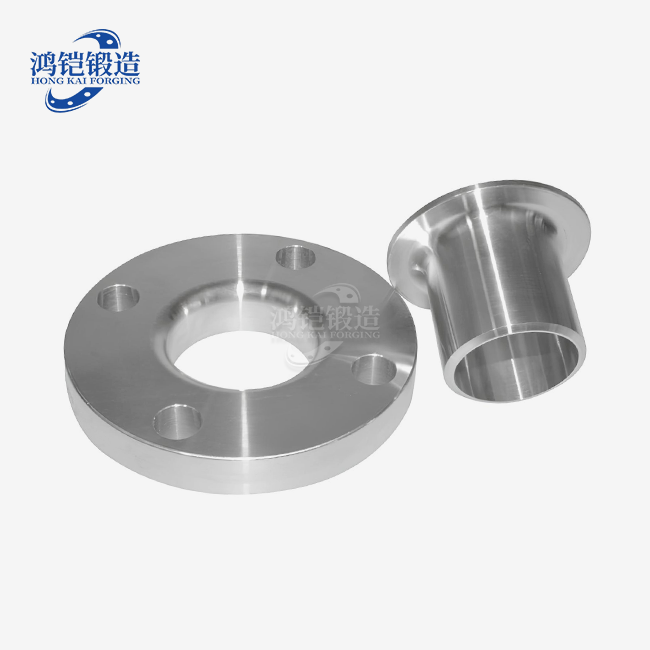
When working with cryogenic piping systems at very low temperatures, picking the right type of flange is very important for keeping the system intact and making sure it works well. Due to their unique two-piece design, which combines a stub end and a backing flange and allows for 360° movement for perfect alignment while enduring thermal stress, Lap Joint Flange kits have become the best choice for cryogenic uses. Traditional rigid flanges can't compete with this new design when it comes to flexibility, cost-effectiveness, and ease of upkeep in harsh cryogenic settings.
Understanding Lap Joint Flanges and Their Role in Cryogenic Pipelines
The Engineering Excellence Behind Two-Piece Design
A high-tech engineering answer called the Lap Joint Flange system was made especially for tough cryogenic uses. There are two separate parts to this assembly: a stub end that is butt-welded directly to the pipeline and a backing lip that is not attached to the pipe but slides over it. The backing lip handles structural loads and bolt connections, while the stub end is the important closing surface. This separation of tasks is very helpful in cryogenic settings where sudden changes in temperature cause a lot of stress. The loose hub can turn on its own without putting pressure on the pipeline system. This keeps stress from building up and causing it to fail early. The design makes it possible for bolt holes to line up perfectly with matching flanges, which takes away the installation problems that are common in rigid pipe networks.
Material Optimization for Performance in Extreme Temperatures
For cryogenic uses, you need materials that can keep their shape at temperatures as low as -162°C for LNG or -196°C for liquid nitrogen. Engineers can choose the best material for each part based on its function thanks to the two-piece design. The stub end, which comes into touch with the cryogenic medium, can be made of expensive rare metals like Inconel or stainless steel 316L. The backing plate, on the other hand, can be made of cheaper carbon steel. When compared to using exotic metals for the whole system, this material freedom cuts project costs by 40 to 60 percent. Shanxi HongKai Forging makes these parts from carbon steel, stainless steel grades 304/316/316L, and different alloy steels. All of these materials have been proven to work successfully in temperatures ranging from -45°C to +400°C.
Meeting the requirements of the International Cryogenic Standards
To be safe and reliable, cryogenic piping systems must meet strict international standards. Our lap joint flanges meet a number of international standards, such as ASME B16.5, ASME B16.47, EN 1092-1, DIN, JIS B2220, and GOST. These approvals make sure that the new equipment will work with the old equipment and give procurement managers peace of mind when they are in charge of important cold installations. You can get the flanges in sizes DN15 to DN4000 and pressure levels PN6 to PN160 (150# to 2500#), so they can be used in almost any cryogenic situation. To make sure that each part meets all the standards that apply, it is put through a series of tests, such as hydrostatic pressure tests, positive material identification (PMI), and dimensional checks.
Lap Joint Flange vs. Other Flange Types: Making the Right Choice
Comparison with weld neck flanges in cryogenics
Weld neck flanges are very strong for their structure, but they are very hard to use in cold environments. Because they are stiff, they need to be perfectly lined up before they are welded, and if they aren't, they need to be cut and welded again. Lap Joint Flange assemblies, on the other hand, have a rotatable backing flange that lets the position be changed after the assembly is complete. This saves a lot of time during installation and eliminates the need for field welding. The way heat stress is distributed is also very different between these joint types. Weld neck flanges focus heat stress at the point where the weld neck meets the flange, which could lead to failure places when temperatures change quickly. The form of the lap joint spreads stress more equally. The stub end can accommodate changes in temperature, and the backing flange keeps the structure strong.
Advantages Over Slip-On Flanges for Maintenance Access
When repair access is needed, slip-on flanges have to be completely taken off and replaced. This usually requires hot work permits and more downtime in cold facilities. The Lap Joint Flange method lets parts be taken apart quickly without having to cut them. This lets repair teams get to internal parts quickly and safely. This benefit is very useful in places like LNG terminals, industrial gas plants, and chemical processing plants where regular repair windows are limited and unexpected downtime costs a lot. Being able to separate flanged joints without welding cuts down on upkeep time and the safety risks that come with it by a large amount.
Better performance in corrosive cryogenic settings
Corrosive media that break down normal gasket materials are common in cryogenic settings. Lap joint flanges' flexible materials give them the best corrosion resistance because they only let corrosion-resistant metals be used where they come into touch with the medium. When compared to socket weld or threaded flanges, which have to be made completely of expensive corrosion-resistant materials to provide the same level of protection, this focused method works better. The stub end's smooth bore design also gets rid of any cracks where corrosive substances could gather. This lowers the risk of localized rust, which is common in cold service for threaded connections.
Procurement Guide for Lap Joint Flanges in Cryogenic Pipelines
Specifications that are necessary for cryogenic uses
To make a good purchase, you must first understand the important specs that decide how well a flange works in cold service. Some important factors are the material's approval for impact strength at low temperatures, the accuracy of the measurements to make sure the seal works properly, and the surface finish needs for the sealing faces. Charpy V-notch impact tests at the design temperature should be part of material approval to make sure the material is tough enough. The material at the stub end must stay flexible enough to avoid breaking easily when heated or cooled. To make sure the gasket seals well, surface finish standards usually say that the sealing face should have a roughness of 125 to 250 microinch Ra.
Review of the Cost-Effectiveness of Bulk Orders
When choosing cryogenic flanges, business-to-business buyers need to look at more than just the original purchase price. Lap Joint Flange systems may cost more up front than simple slip-on flanges, but they usually have lower lifetime costs because they are easier to maintain and can be made from better materials. When thinking about a bulk order, you should think about the benefits of standardization, the need for extra parts inventory, and the supplier's ability to meet shipping dates. Shanxi HongKai Forging has affordable factory-direct prices that don't include markups for distributors. Quality and delivery performance are also constant.
Qualifying suppliers and making sure quality
To find qualified suppliers, you need to check their production skills, quality systems, and expert help resources. Look for providers that are ISO 9001 certified, have full testing facilities, and have a history of working with cryogenics. Documentation for material tracking is needed to follow the rules and make sure the quality is good. Facility audits, reference checks with current customers, and a study of quality control methods should all be part of a supplier evaluation. The seller should be able to show that they can give material certificates, dimensional inspection records, and paperwork for hydrostatic tests for every part they send.
Installation, Maintenance, and Troubleshooting of Lap Joint Flanges
Systematic steps for putting things together for cryogenic service
For cold uses to work reliably, the installation must be done correctly. The first step in the building process is to make sure that the stub end and backing plate are the right size and made of the right material. The stub end should be butt-welded to the tubing using approved welding methods that are safe for the temperature of service. When the parts are put together, the backing lip slides over the pipe and rests on the shoulder of the short end. Because it can be rotated, the bolt holes can be perfectly lined up without putting any stress on the pipeline. It is very important to choose the right gasket. To keep things from leaking when temperatures change, use seals that are made for cryogenic work. Different flange materials expand at different rates, so bolt torque methods need to take that into account. To make sure the seal is compressed evenly, use torque wrenches that have been measured and tighten in a cross-pattern pattern. Write down all of the installation settings so that you can use them again when you're doing upkeep.
Strategies for Preventive Maintenance
Regular inspections should include looking at the sides of the flanges, the state of the gaskets, and how tight the bolts are. Thermal cycling can cause the bolt preload to gradually loosen, so it needs to be re-torqued on a regular basis according to the manufacturer's instructions. Check for signs of rust, gasket extrusion, or damage to the flange face that could weaken the seals. To keep closing surfaces from getting damaged, replacing a gasket should be done the right way. Take off all of the old gasket material and look for damage on the flange sides. To keep the seals working, replace the gaskets with ones made of the same material and the same size.
Problems that people often have and how to fix them
The most common problem with cold flange installs is leakage. Some root reasons are not tightening the bolts enough, broken sealing surfaces, or choosing the wrong gasket. Systematic fixing starts with checking the torque values of the bolts and looking for damage or expansion of the gaskets. Thermal shocking can make temperature changes happen quickly, which can put too much stress on flange parts for their intended use. To reduce thermal stress, use controlled cooldown processes and think about pre-cooling techniques. Watch how the flange works during the first starting to find problems before they become system failures.
Case Studies and Practical Insights: Lap Joint Flanges in Action
How an LNG terminal did well
To fix problems with stiff flanges that kept happening during repair, a big LNG import station on the Gulf Coast put Lap Joint Flange assemblies on all of their cryogenic pipe systems. The plant handles 2.5 billion cubic feet of natural gas every day, which means that their cryogenic infrastructure has to be completely reliable. When lap joint flanges were switched to, repair downtime during planned turnarounds dropped by 65%. Being able to disconnect flanged joints without a hot work permit made it possible to do repair work in restricted places where welding was not allowed before. The cost of materials was cut by 45% when carbon steel backing flanges were used with stainless steel stub ends.
Setting up a chemical processing plant
In their ethylene production unit, where temperatures drop to -150°C, a petrochemical complex that makes specialty chemicals used lap joint flanges. The plant had a lot of problems with socket weld flanges because of cracks appearing at the fillet weld spots because of heat stress. The form of the lap joint got rid of the stress points that led to failures in the past. The plant had no unexpected shutdowns because of flange problems in its three years of operation, compared to four shutdowns a year with the old flange design. upkeep costs went down by 55% because parts were replaced less often and upkeep processes were made easier.
Facility for Making Industrial Gas
A company that makes industrial gases like liquid nitrogen and argon changed all of their cryogenic pipes with lap joint flange units. The upgrade was made because of rising upkeep costs and safety worries about the heavy welding that was happening in their production areas. During temperature cycling tests, the new system proved to be very reliable, staying leak-tight through more than 1,000 freeze-thaw cycles. Because there was less downtime for repair, production productivity went up by 8%, and running costs went down by a lot because no hot work was needed.
Conclusion
Lap Joint Flange systems are the best way to go for cryogenic pipeline uses because they are the most flexible, cost-effectiveness, and easy to maintain. Their one-of-a-kind two-piece design lets you get to the material more easily, assemble them without stress, and do upkeep quickly, which isn't possible with regular hard flanges. Their reliable and valuable performance in tough situations in the LNG, chemical processing, and industrial gas sectors shows that they are a good choice for modern cold infrastructure projects.
FAQ
What makes lap joint flanges ideal for cryogenic applications?
Lap joint flanges excel in cryogenic service due to their two-piece design that accommodates thermal expansion and contraction without creating stress concentrations. The rotatable backing flange allows perfect alignment while the stub end maintains sealing integrity at extreme low temperatures.
How do material costs compare between lap joint flanges and solid flanges?
Material costs are typically 40-60% lower with lap joint flanges because expensive exotic alloys are used only for the stub end that contacts the media, while the backing flange uses cost-effective carbon steel.
What maintenance advantages do lap joint flanges offer?
The design enables rapid disassembly without cutting welds or hot work permits, significantly reducing maintenance time and safety risks. This is particularly valuable in classified areas where welding operations are restricted.
Contact HONG KAI FORGING for Premium Lap Joint Flange Solutions
HONG KAI FORGING delivers world-class lap joint flange manufacturer capabilities with over decades of experience serving cryogenic applications worldwide. Our integrated manufacturing facility in Shanxi Province combines advanced forging technology with comprehensive quality control to produce flanges that exceed international standards including ASME B16.5, EN 1092-1, and DIN specifications. We offer competitive factory-direct pricing, customized solutions, and reliable global shipping to support your critical infrastructure projects. Contact our technical team at kevin.zhao@hkflange.com to discuss your specific requirements and discover why leading industrial companies trust HONG KAI FORGING for their most demanding cryogenic applications.
References
1. American Society of Mechanical Engineers. "Pipe Flanges and Flanged Fittings: NPS 1/2 through NPS 24 Metric/Inch Standard." ASME B16.5-2020.
2. Becht, Charles IV. "Fatigue of Bellows: A Survey of Available Data." Journal of Pressure Vessel Technology, Vol. 122, No. 4, 2000.
3. European Committee for Standardization. "Flanges and their joints - Circular flanges for pipes, valves, fittings and accessories, PN designated." EN 1092-1:2018.
4. International Association of Classification Societies. "Requirements for Cryogenic Service Materials and Design." IACS Requirement S24, 2019.
5. Jawad, Maan H. and Owen, John R. "Design of Pressure Vessels for Low Temperature Service." ASME Journal of Pressure Vessel Technology, Vol. 125, 2003.
6. National Institute of Standards and Technology. "Materials Properties Database for Cryogenic Applications." NIST Special Publication 1174, 2018.
Clear Communication, and Reliable Technical Support