- English
- French
- German
- Portuguese
- Spanish
- Russian
- Japanese
- Korean
- Arabic
- Greek
- German
- Turkish
- Italian
- Danish
- Romanian
- Indonesian
- Czech
- Afrikaans
- Swedish
- Polish
- Basque
- Catalan
- Esperanto
- Hindi
- Lao
- Albanian
- Amharic
- Armenian
- Azerbaijani
- Belarusian
- Bengali
- Bosnian
- Bulgarian
- Cebuano
- Chichewa
- Corsican
- Croatian
- Dutch
- Estonian
- Filipino
- Finnish
- Frisian
- Galician
- Georgian
- Gujarati
- Haitian
- Hausa
- Hawaiian
- Hebrew
- Hmong
- Hungarian
- Icelandic
- Igbo
- Javanese
- Kannada
- Kazakh
- Khmer
- Kurdish
- Kyrgyz
- Latin
- Latvian
- Lithuanian
- Luxembou..
- Macedonian
- Malagasy
- Malay
- Malayalam
- Maltese
- Maori
- Marathi
- Mongolian
- Burmese
- Nepali
- Norwegian
- Pashto
- Persian
- Punjabi
- Serbian
- Sesotho
- Sinhala
- Slovak
- Slovenian
- Somali
- Samoan
- Scots Gaelic
- Shona
- Sindhi
- Sundanese
- Swahili
- Tajik
- Tamil
- Telugu
- Thai
- Ukrainian
- Urdu
- Uzbek
- Vietnamese
- Welsh
- Xhosa
- Yiddish
- Yoruba
- Zulu
Lap Joint Flange vs Weld Neck Flange: Pros and Cons
When selecting flanges for industrial piping systems, procurement managers face a critical decision between Lap Joint Flange assemblies and weld neck flanges. Each type offers distinct advantages depending on your specific application requirements. Lap joint flanges excel in corrosive environments and frequent maintenance scenarios, while weld neck flanges provide superior structural integrity for high-pressure applications. Understanding these differences enables informed procurement decisions that optimize both performance and cost-effectiveness for your industrial projects.
Understanding Lap Joint and Weld Neck Flanges
The right choice of flanges is very important for industrial plumbing systems to work safely and efficiently. There are two main types of flanges on the market, and each one meets different technical and operating needs.
Lap Joint Flange Design and Features
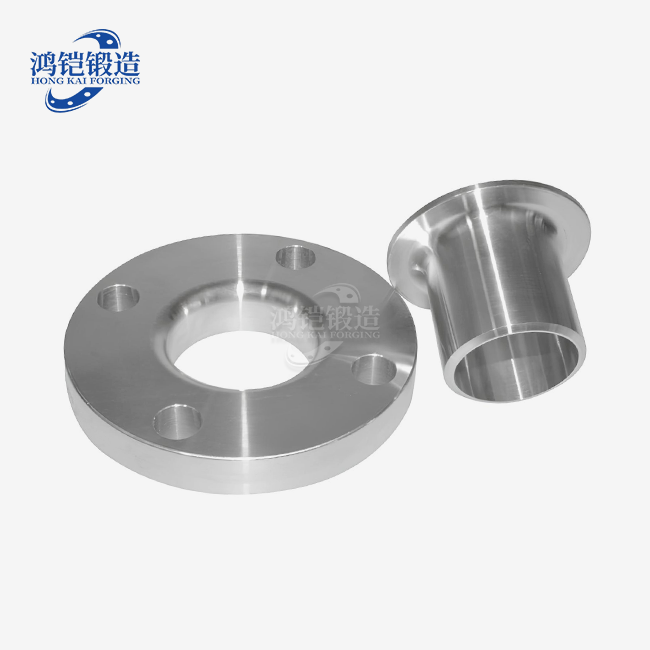
A Lap Joint Flange is made up of two parts: a stub end that welds directly to the pipe and a separate backing flange that can slide over the assembly. This clever design lets the whole thing rotate 360° for perfect alignment without putting any stress on the pipe system. The short end acts as a seal, and the backing lip supports the structure. This makes the product flexible enough to be used in a variety of difficult installation situations. This arrangement is brilliant because it can be made of a lot of different materials. For the stub end that touches the process media, engineers can choose an expensive corrosion-resistant metal like stainless steel 316L or Inconel. For the backing plate, they can choose a cheaper carbon steel. When compared to solid exotic metal flanges, this two-material method cuts project costs by 40 to 60 percent.
Weld Neck Flange Characteristics
Weld neck flanges have a long hub with a curved end that is meant to be butt-welded straight to the pipe. This integral design makes the change from pipe to flange smooth, reducing stress collection spots and giving the product great mechanical strength. Because the width changes slowly, the loads are spread out evenly across the joint. This makes these flanges perfect for uses with high temperatures and pressures. Welded construction gets rid of the possible leak paths that are found in mechanical joints, making a permanent link that can handle harsh working conditions. This dependability comes at the cost of being harder to install and costing more in materials, especially when unusual metals are needed for the whole flange body.
Industrial Applications Overview
Both types of flanges are very important in many different kinds of industries. Chemical processing plants use lap joint setups to handle rough media, while power plants use weld neck flanges for their steam and high-pressure water systems. Oil and gas companies choose the type of flange they use based on the pressure they need to handle, how easy it is to maintain, and how resistant it is to rust.
Technical Comparison: Dimensions, Materials, and Specifications
Knowing the technical differences between these flange types helps engineers choose the right one for a project based on its needs and how it will be used.
Standards Compliance and Dimensional Specifications
International norms like ASME B16.5, EN 1092-1, DIN, and JIS B2220 are met by both types of flanges. Lap Joint Flange sets come in sizes from DN15 to DN4000 and can handle pressures from PN6 to PN160. Weld neck flanges have similar size rules, but because they are integrated, they can usually handle higher pressure classes. The standards for measurement accuracy are very different for each type. For lap joint assemblies, the stub end shape needs to be exact so that it fits properly against the backing flange. For weld neck flanges, the hole matching needs to be exact so that the pipes can connect smoothly. Factory specs have a direct effect on how well something installs and how well it works in the long run.
Material Selection and Corrosion Resistance
Different types of flanges use a wide range of materials, which affects both cost and function. Hybrid material strategies are possible with lap joint designs, which combine corrosion-resistant stub ends with cost-effective backing flanges. Carbon steel, stainless steel grades 304, 316, and 316L, and special alloys for harsh working situations are all common materials. Weld neck flanges usually need the same kind of material all the way through the part, which drives up costs when unusual metals are needed. When choosing a material, it's important to think about how well it will handle thermal growth, how likely it is to rust, and how stable it will be over time under normal working conditions.
Installation and Maintenance Requirements
There are big differences in how to install different types of flanges, which can affect project timelines and worker costs. Lap joint kits make installation easier because the backing flange can spin without changing the position of the pipe. This function is very useful in situations where there are a lot of pipes and they can't be rotated. In many situations, weld neck flanges need to be welded by skilled professionals and then heated after the welding process. The fixed link is more reliable, but it makes it harder to make changes or fix things in the future. When choosing between these options, maintenance access becomes very important.
Pros and Cons of Lap Joint Flange and Weld Neck Flange
Procurement experts can make the best choices for specific applications and working situations by weighing the pros and cons of each type of flange.
Lap Joint Flange Advantages and Limitations
The main benefits of Lap Joint Flange systems are that they save money and give you more options for how to install them. By only using expensive metals where they are needed, these systems save a lot of material in places where corrosion is a problem. The flexible design gets rid of aligning problems during installation, which cuts down on costs and time.
Some important benefits are:
- Cost-effective in corrosive environments—using pricey metals only for the stub end cuts costs by 40–60% compared to solid unusual flanges.
- Installation flexibility—the 360° turning feature lets you line up the bolt holes perfectly without putting too much stress on the pipe system.
- Easy access for maintenance—quick removal for cleaning and checking without having to cut welds or move heavy lines.
- Material optimization—combining stub ends that don't rust with cheap backing flanges for the best performance and value
Because of these benefits, lap joint systems are very useful in chemical processing, water treatment, and marine settings where protecting against corrosion and easy entry for upkeep are important. But there are some things that should be kept in mind. When compared to bonded links, mechanical joints naturally make more places for leaks to happen. Because they depend on gaskets to seal and bolts to load, they usually have lower pressure values than similar weld neck flanges. The two-part system also needs careful inventory control and steps for putting it together.
Weld Neck Flange Benefits
Weld neck flanges work great in situations where the structure needs to be as strong as possible and air needs to be kept in. The integral design is stronger mechanically and doesn't have any of the possible leak lines that come with mechanical parts. Because of these traits, they are necessary for high-pressure steam systems, important process lines, and situations where stopping leaks is very important. Welding makes a lasting link that doesn't break down even when the pressure and temperature change a lot. Through the smooth thickness shift, stress concentration factors are kept to a minimum. This makes the material last longer in tough situations. In systems that are moving, the smooth bore change also lowers pressure drop and noise.
Decision-Making Guide: Choosing Between Lap Joint and Weld Neck Flanges
To choose the best flange type, you need to carefully think about a lot of things, such as the working conditions, the cost, and the long-term upkeep needs.
Operating Parameter Considerations
Ratings for pressure and temperature are the main things that are used to make choices. Lap Joint Flange assemblies can usually handle uses with mild pressure up to PN160, while weld neck flanges can handle higher pressures and higher temperatures. The properties of the process media affect the choice of material and the standards for compatibility. The regularity of thermal cycles affects the choice of flange because mechanical joints react differently to expansion and contraction than welded connections. The choice between hard welded connections and flexible mechanical parts is also affected by the amount of vibration and the dynamic stress.
Economic Analysis Framework
The total cost of ownership includes more than just the purchase price. It also includes labor costs for installation, upkeep costs, and costs over the product's lifetime. In corrosive settings, lap joint systems often have lower total costs, even though they are more complicated to make at first. In uses involving exotic alloys, the material improvement potential can save a lot of money. The cost of installation work varies a lot depending on the type of flange. Weld neck flanges need certified welding processes, while lap joint systems usually need less skilled labor and less time to align. There are things like disassembly needs and extra parts available that affect how much maintenance costs.
Quality Assurance and Supplier Evaluation
When choosing a supplier, you should focus on things like quality certifications, the ability to manufacture, and the availability of expert help. Check that the product meets the standards that apply, such as ASME B16.5, EN 1092-1, and any requirements that are specific to the business. For regulated businesses and quality assurance programs, material traceability paperwork is a must. When evaluating a company's manufacturing skills, you should look at its production capacity, quality control systems, and delivery success history. Having access to technical support helps make sure that applications are used correctly and that users can get help with problems when they arise.
Procurement Insights: Where and How to Source Lap Joint and Weld Neck Flanges
To successfully buy flanges, you need to work with key suppliers and carefully consider their technical skills, quality systems, and pricing.
Supplier Qualification Criteria
When looking for Lap Joint Flange assemblies and weld neck flanges, you should judge sellers by how well they can make the parts, whether they have quality certifications, and how much specialized knowledge they have. Forging, drilling, heat treatment, and testing should all be able to be done at the same time in a manufacturing facility. Systems for managing quality must meet ISO 9001 guidelines or something similar. A technical capabilities review should make sure that the provider can make flanges that meet your exact standards and requirements. Check out the testing centers, production tools, and engineering support services. Suppliers with a wide range of skills can help with teamwork and speed up delivery times.
Global Sourcing Strategies
If the right steps are taken to evaluate suppliers, international buying can save money while still meeting quality standards. Shanxi HongKai Forging is a great example of this method because it has been making great products for decades in China's forging center. The whole production process is done in one place, from forging to final packing, and it all meets ASME, EN, DIN, JIS, and GOST standards. Check out providers based on their experience exporting, quality certifications, and customer references from people in your field. Companies that have been around for a while and have a track record in both European and American markets show that they can meet the quality and service standards of other countries. Complete testing methods should be part of quality assurance programs. These should include hydrostatic pressure tests, material proof, and dimensional checks. With every package, suppliers should include full paperwork for tracking materials and quality certificates.
Conclusion
Whether to use a lap joint or a weld neck flange relies on the needs of the product, the operating conditions, and the cost. Lap joint assemblies work best in corrosive settings and places where upkeep needs to be done often. Weld neck flanges, on the other hand, offer better structural stability for high-pressure systems. Procurement experts can improve both performance and cost-effectiveness by understanding these differences. To choose the right flange, you need to carefully think about the system's performance and dependability, as well as the pressure levels, material compatibility, fitting needs, and total lifecycle costs.
FAQ
What are the main differences between lap joint and weld neck flanges?
Their building and installation ways are what make them different. A lap joint flange has two parts: a stub end that is soldered to the pipe and a separate backing flange that goes over the assembly and can be rotated to make alignment easy. The tapered hub on a weld neck flange is built right into the pipe, making a solid link that is stronger than a bolted connection.
Which flange type is more cost-effective for corrosive applications?
Lap Joint Flange setups usually work out cheaper because they let you get the most out of your material. You can use expensive metals that don't corrode for the stub end that touches the process media and cheap carbon steel for the backing flange. This will save you 40 to 60 percent on material costs compared to full exotic alloy flanges.
What pressure ratings can each flange type handle?
Lap joint flanges generally handle moderate pressure applications up to PN160 (Class 2500), while weld neck flanges can accommodate higher pressures due to their integral welded design. The exact pressure rating depends on size, material, temperature, and applicable standards such as ASME B16.5 or EN 1092-1.
Partner with HONG KAI FORGING for Your Flange Requirements
HONG KAI FORGING has the experience and quality products you need for your business projects when you need Lap Joint Flange options or weld neck flanges. Our full range of products, from DN15 to DN4000, meets all ASME B16.5, EN 1092-1, DIN, and JIS standards. We are in the forging hub of Shanxi Province and offer advanced production, reasonable pricing, and help for global logistics. Contact kevin.zhao@hkflange.com to talk to our expert team about your flange needs and find out why top industry companies trust us to make their lap joint flanges.
References
1. American Society of Mechanical Engineers. "ASME B16.5 Pipe Flanges and Flanged Fittings: NPS 1/2 Through NPS 24 Metric/Inch Standard." New York: ASME Press, 2020.
2. European Committee for Standardization. "EN 1092-1 Flanges and Their Joints - Circular Flanges for Pipes, Valves, Fittings and Accessories." Brussels: CEN Publications, 2018.
3. Bickford, John H. "Gaskets and Gasketed Joints, Second Edition." New York: Marcel Dekker Inc., 2003.
4. Megyesy, Eugene F. "Pressure Vessel Handbook, 15th Edition." Tulsa: Pressure Vessel Publishing Inc., 2016.
5. Singh, Karan and Kumar, Rajesh. "Comparative Analysis of Flange Joint Performance in High-Temperature Applications." International Journal of Pressure Vessels and Piping, Vol. 185, 2020.
6. Roberts, Michael J. "Industrial Piping and Equipment Estimation Manual." Houston: Gulf Professional Publishing, 2019.
Clear Communication, and Reliable Technical Support