- English
- French
- German
- Portuguese
- Spanish
- Russian
- Japanese
- Korean
- Arabic
- Greek
- German
- Turkish
- Italian
- Danish
- Romanian
- Indonesian
- Czech
- Afrikaans
- Swedish
- Polish
- Basque
- Catalan
- Esperanto
- Hindi
- Lao
- Albanian
- Amharic
- Armenian
- Azerbaijani
- Belarusian
- Bengali
- Bosnian
- Bulgarian
- Cebuano
- Chichewa
- Corsican
- Croatian
- Dutch
- Estonian
- Filipino
- Finnish
- Frisian
- Galician
- Georgian
- Gujarati
- Haitian
- Hausa
- Hawaiian
- Hebrew
- Hmong
- Hungarian
- Icelandic
- Igbo
- Javanese
- Kannada
- Kazakh
- Khmer
- Kurdish
- Kyrgyz
- Latin
- Latvian
- Lithuanian
- Luxembou..
- Macedonian
- Malagasy
- Malay
- Malayalam
- Maltese
- Maori
- Marathi
- Mongolian
- Burmese
- Nepali
- Norwegian
- Pashto
- Persian
- Punjabi
- Serbian
- Sesotho
- Sinhala
- Slovak
- Slovenian
- Somali
- Samoan
- Scots Gaelic
- Shona
- Sindhi
- Sundanese
- Swahili
- Tajik
- Tamil
- Telugu
- Thai
- Ukrainian
- Urdu
- Uzbek
- Vietnamese
- Welsh
- Xhosa
- Yiddish
- Yoruba
- Zulu
Top Blind Flange Benefits for System Isolation and Expansion
Safety, accessibility, and operational flexibility are needed for industrial pipe termination solutions. Blind flanges seal pipe ends and prevent fluid leaking as solid discs. These important pipe pieces are simple to check and maintain and fulfil strict industrial sealing standards. Blind flanges are essential for energy, petrochemical, and industrial procurement managers and engineers because they isolate systems and allow for future development.
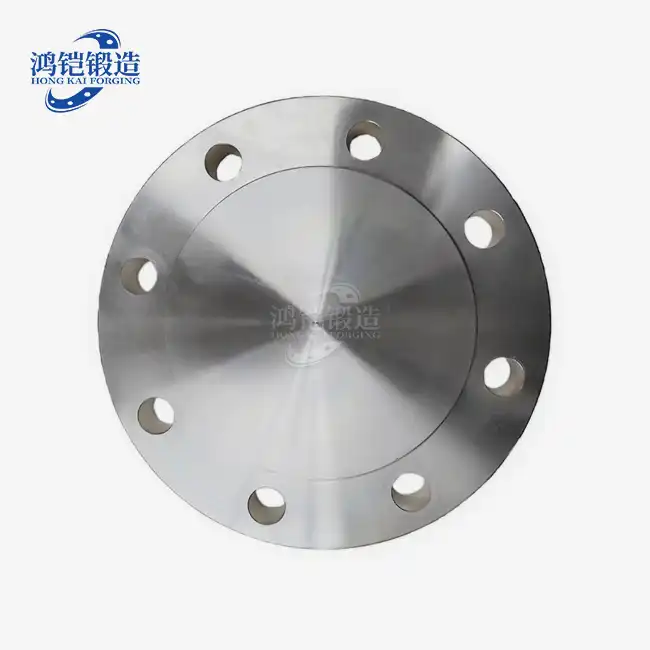
What is a Blind Flange and How Does It Work?
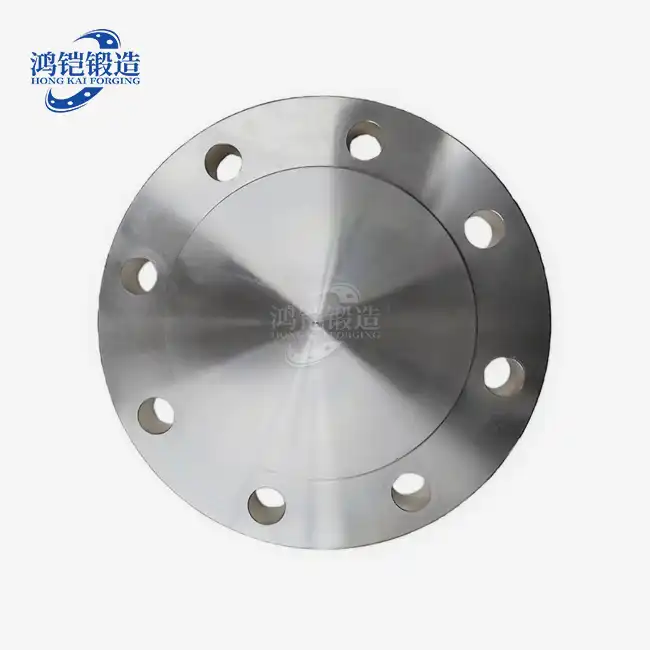
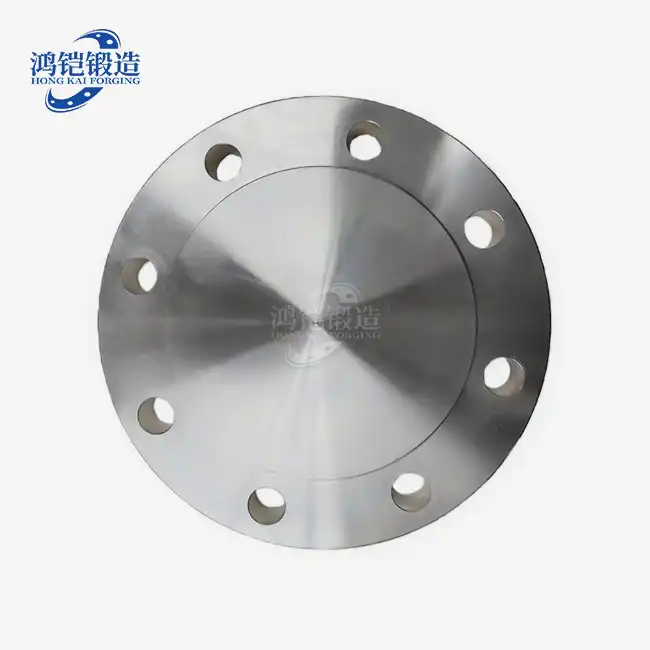
Connecting pipe ends with blind flanges supports system structure. Unlike solid disc plates, flanges contain a central hole. An impenetrable barrier stops liquids at the connecting site. These parts can bear maximum center bending stress and retain strong gasket fitting force around the borders due to their design.
Key Design Characteristics and Functionality
Blind flanges have many crucial aspects that provide reliability. The solid plate's shape distributes pressure uniformly, and the bolt holes allow normal flange connections. This arrangement enables repair crews remove and reinstall these elements without altering the piping system.
Common Types and Configurations
Different types of blind flange designs are used in industrial settings to meet specific working needs:
- Flat face blind flanges offer standard closing surfaces for low-pressure uses.
- Designs with raised faces make it easier for gaskets to stay in place and close better.
- Ring-type joint (RTJ) plates seal metal to metal for high-pressure and high-temperature settings.
Different pressure ratings, from PN6 to PN160, can be accommodated by these design changes. Sizes range from DN15 to DN5000 to meet a wide range of commercial needs.
Industrial Application Scope
Many industrial facilities need blind flanges for crucial functions. These pieces separate reactor vessels for chemical firms and oil refineries during maintenance shutdowns. Blind flanges join gearbox lines in water treatment facilities and disconnect steam pipes during maintenance in power plants.
Top 5 Benefits of Using Blind Flanges for System Isolation and Expansion
Modern industrial plumbing systems must be efficient and flexible. These qualities make blind flanges ideal for system closing.
Superior Sealing Performance and Safety Enhancement
System maintenance is safe since blind flanges completely block flow and leaks. The solid disc blocks liquids from flowing, safeguarding people and equipment. This better safety element helps in high-pressure situations when normal closing methods fail.
Operational Flexibility for System Modifications
These elements simplify system expansion and modification. Cut and reweld to reach welded tops. For cleaning, inspection, or system improvements, blind flanges are readily removed. This design is removable and reinstallable, minimising pipeline maintenance and complexity.
Cost-Effective Long-Term Solution
Purchasing teams find blind flanges cheaper than other pipe couplings. Cutting and rewelding are free for system modifications since they may be reused. The part's cost-effectiveness lasts because blind flanges may be inserted and withdrawn several times without losing function.
High-Pressure Capability and Durability
Thicker blind flanges can withstand high pressures, according to engineering standards. The parts meet mechanical standards by enduring full internal pressure against the flat surface. This durable construction performs well in harsh conditions and lasts.
Versatile Instrumentation Options
System designers may tailor monitoring by drilling blind flanges on or off-center. These changes enable pressure gauges, drain valves, or temperature monitors as needed. Monitoring ports without sacrificing sealing benefit complex industrial systems.
How to Choose the Right Blind Flange for Your Pipeline System
To pick the ideal blind flanges, consider the system's characteristics, operating environment, and performance demands. To ensure long-term performance, procurement specialists must balance material characteristics, size requirements, and application-specific considerations.
Material Selection Considerations
The plate's material affects its performance, durability, and process fluid compatibility. Carbon steel blind flanges are sturdy, cheap, and compatible with most materials for daily usage. Stainless steels like 304 and 316L resist rust better in severe environments. Alloy steel products are excellent for high-temperature power applications.
Duplex stainless steel or copper-nickel alloys prevent stress corrosion cracks in chloride-rich marine environments. Chemical processing factories use charts showing chemical reactions at various temperatures to pick materials.
Dimensional and Pressure Rating Requirements
Correct size preserves system structure and ensures proper operation. Technical requirements ensure that pipe width, pressure rating, and flange thickness don't vary during usage. Blind flanges are thicker than drilled ones to withstand complete internal pressure over their surface.
Selecting pressure ratings involves matching part specifications to system conditions with room for error. For different pressures, ASME provides class ratings from 150 to 2500. Many European applications employ PN6–PN160 grades. Consider system transient pressure changes and regular operating pressures while selecting.
Comparative Analysis with Alternative Flange Types
Improve system design and buying by knowing when blind flanges are best. In contrast to spectacle blinds, ordinary blind flanges have fixed ends without rotating motors. Unlike weld neck flanges with caps, blind flanges may be removed without cutting.
Blind flanges are removable, unlike soldered terminations. This helps systems that require frequent inspection or potentially grow. This flexibility compensates for the greater initial cost compared to permanent welding, particularly in circumstances where modifications are inevitable.
Procurement Considerations for Blind Flanges in B2B Markets
Supplier evaluation, cost calculation, and logistical coordination are excellent blind flange purchasing procedures. Knowing the market and suppliers enables you make sensible quality, pricing, and delivery decisions.
Pricing Structure and Cost Analysis
Cost of materials, difficulty of production, and quantity ordered affect blind flange pricing. Since standard sizes in popular materials are simpler to create and always in stock, they offer the greatest costs. Custom specifications and unusual materials cost more because to the added effort and materials.
Volume strongly affects unit price. Buy more to reduce piece prices. Volume savings must be weighed against storage and space expenses to maximise TCO. Different lead times effect inventory planning and purchase for standards and unique goods.
Supplier Qualification and Certification Requirements
Blind flange quality control starts with vendor selection based on production capabilities, certifications, and quality management systems. ISO 9001-certified companies have quality and tracking standards. ASME B16.5, EN 1092-1, DIN, and GOST exhibit your production and global market understanding.
Suppliers have testing and inspection equipment for pre-delivery quality checks. Physical and chemical testing ensures material properties meet requirements, while dimensional verification assures exact forms. Quality assurance and regulatory compliance are supported by mill test certificates and material monitoring.
Global Supply Chain and Logistics Management
When buying from abroad, consider shipping, delivery, and customs. Container shipping is the cheapest method to transfer huge commodities, while air freight is the quickest way to deliver them to those who need them. Packing and safety precautions ensure product integrity during international transportation.
Supply chain risk management requires many suppliers and sensible stock levels for critical purposes. As a major forging center, Shanxi Province has created industrial infrastructure and qualified workers. This enables the province provide global markets with steady production and competitive rates.
Case Studies and Industry Applications Demonstrating Blind Flange Benefits
Industry-wide applications demonstrate blind flanges' practicality and performance. Examples demonstrate how strategic implementation improves operational efficiency, safety, and cost management.
Petrochemical Refinery Maintenance Operations
A big Gulf Coast company placed blind flanges on its hydrocracker unit to facilitate maintenance shutdowns. The detachable design lets maintenance professionals check and clean pipes without modifying the system. Recent shift maintenance time was 15% lower. This reduced costs and boosted facility use.
High-pressure hydrogen service requires chrome-molybdenum alloy steel RTJ-faced blind flanges to endure 2,500 PSI and 800°F temperature changes. Metal-to-metal shielding reduced leakage across several temperature cycles, protecting humans and the environment.
Municipal Water Treatment Expansion Project
A large Gulf Coast facility installed blind flanges on its hydrocracker unit to simplify maintenance shutdowns. Maintenance staff may inspect and clean pipes without changing the system using the removable design. The facility reduced maintenance time by 15% during a recent shift. This saved money and increased facility utilisation.
The project used epoxy-coated carbon steel blind flanges, which don't rust in raw water and last 50 years. Since the design was removable, future connections did not require hot work permits. It cut project expenses and delays. Once expansion started, the connection took two hours instead of eight for cutting and welding.
Chemical Processing Plant Reactor Isolation
To securely separate reactor vessel nozzles during catalyst replacements, a specialised chemical company used blind flanges. Maintenance and inspection were possible within the reactor due to its complete isolation from its pipes.
Need toxic process conditions Gasket-wrapped Hastelloy C-276 blind flanges. These seal and prevent chemical attack. After three years, the installation had 99.9% uptime, exceeding expectations and confirming the materials and design.
Conclusion
Blind flanges are important parts of industrial piping systems that need safe, reliable termination solutions that are also easy to access and allow for a lot of operating freedom. These parts are very useful for buying workers in the energy, chemical, and manufacturing sectors because they seal better, are more cost-effective, and can be used with a variety of systems. The best performance and long-term value are guaranteed by making the right choice by taking into account the material's qualities, its pressure grade, and the needs of the application. Blind flanges have been used successfully in difficult settings, such as petrochemical plants and local water systems. This shows that they are good at meeting both current operating needs and future growth needs.
FAQ
1. Why are blind flanges thicker than slip-on flanges of the same pressure rating?
When full internal pressure acts on a solid surface of a blind flange, it creates high bending forces in the middle. ASME B16.5 rules say that thicker flanges are needed to keep them from deforming compared to bored flanges that don't have the same amount of stress. This technical requirement keeps safety gaps while making sure the structure stays strong under the most extreme working conditions.
2. Can blind flanges be modified for instrumentation connections?
Yes, blind flanges usually have NPT threaded holes in the middle or off-center that can be used for pressure gauges, temperature sensors, or drain valves. But these kinds of changes change how the stress is distributed and must be done according to technical standards to keep the pressure rates. The location and size of the drilling must be carefully planned to protect the structure's stability while still allowing entry for the instruments that are needed.
3. When should RTJ facing be specified for blind flanges?
For high-pressure (Class 600 and above) and high-temperature services where soft seals might fail, ring-type joint facings are suggested. In harsh working situations, the metal-to-metal sealing design is better at stopping leaks than standard gasket materials. RTJ designs are especially useful in settings that are corrosive, use hydrogen, or go through thermal cycles. This is because the gaskets can break down and cause practical risks.
Partner with HONG KAI FORGING for Your Blind Flange Requirements
HONG KAI FORGING stands ready to support your industrial piping projects with premium blind flange solutions that meet the most demanding specifications. Our manufacturing facility in Shanxi Province combines advanced forging capabilities with comprehensive quality assurance, delivering products that comply with ASME B16.5, EN 1092-1, DIN, and GOST standards. As a certified blind flange manufacturer, we offer complete size ranges from DN15 to DN4000 with pressure ratings up to PN160, utilizing carbon steel, stainless steel, and specialized alloy materials. Contact kevin.zhao@hkflange.com today for personalized quotations and technical support that transforms your procurement challenges into competitive advantages through reliable, cost-effective piping solutions.
References
1. American Society of Mechanical Engineers. "Pipe Flanges and Flanged Fittings: NPS 1/2 through NPS 24 Metric/Inch Standard." ASME B16.5-2020.
2. European Committee for Standardization. "Flanges and Their Joints - Circular Flanges for Pipes, Valves, Fittings and Accessories, PN Designated." EN 1092-1:2018.
3. Bickford, John H. "Gaskets and Gasketed Joints, Second Edition." CRC Press, 2016.
4. Winkel, Paul. "Flange Design Handbook: Guidelines for Safe Flange Selection, Installation and Maintenance." Industrial Press, 2019.
5. Petroleum Equipment Institute. "Pressure Vessel and Piping Systems Design Standards for Petrochemical Applications." Technical Publication Series, 2021.
6. International Association of Oil & Gas Producers. "Guidelines for Flange Management in High-Pressure Applications." Report No. 435, 2020.
Clear Communication, and Reliable Technical Support
_1788832638059.webp)
_1788487627360.webp)