- English
- French
- German
- Portuguese
- Spanish
- Russian
- Japanese
- Korean
- Arabic
- Greek
- German
- Turkish
- Italian
- Danish
- Romanian
- Indonesian
- Czech
- Afrikaans
- Swedish
- Polish
- Basque
- Catalan
- Esperanto
- Hindi
- Lao
- Albanian
- Amharic
- Armenian
- Azerbaijani
- Belarusian
- Bengali
- Bosnian
- Bulgarian
- Cebuano
- Chichewa
- Corsican
- Croatian
- Dutch
- Estonian
- Filipino
- Finnish
- Frisian
- Galician
- Georgian
- Gujarati
- Haitian
- Hausa
- Hawaiian
- Hebrew
- Hmong
- Hungarian
- Icelandic
- Igbo
- Javanese
- Kannada
- Kazakh
- Khmer
- Kurdish
- Kyrgyz
- Latin
- Latvian
- Lithuanian
- Luxembou..
- Macedonian
- Malagasy
- Malay
- Malayalam
- Maltese
- Maori
- Marathi
- Mongolian
- Burmese
- Nepali
- Norwegian
- Pashto
- Persian
- Punjabi
- Serbian
- Sesotho
- Sinhala
- Slovak
- Slovenian
- Somali
- Samoan
- Scots Gaelic
- Shona
- Sindhi
- Sundanese
- Swahili
- Tajik
- Tamil
- Telugu
- Thai
- Ukrainian
- Urdu
- Uzbek
- Vietnamese
- Welsh
- Xhosa
- Yiddish
- Yoruba
- Zulu
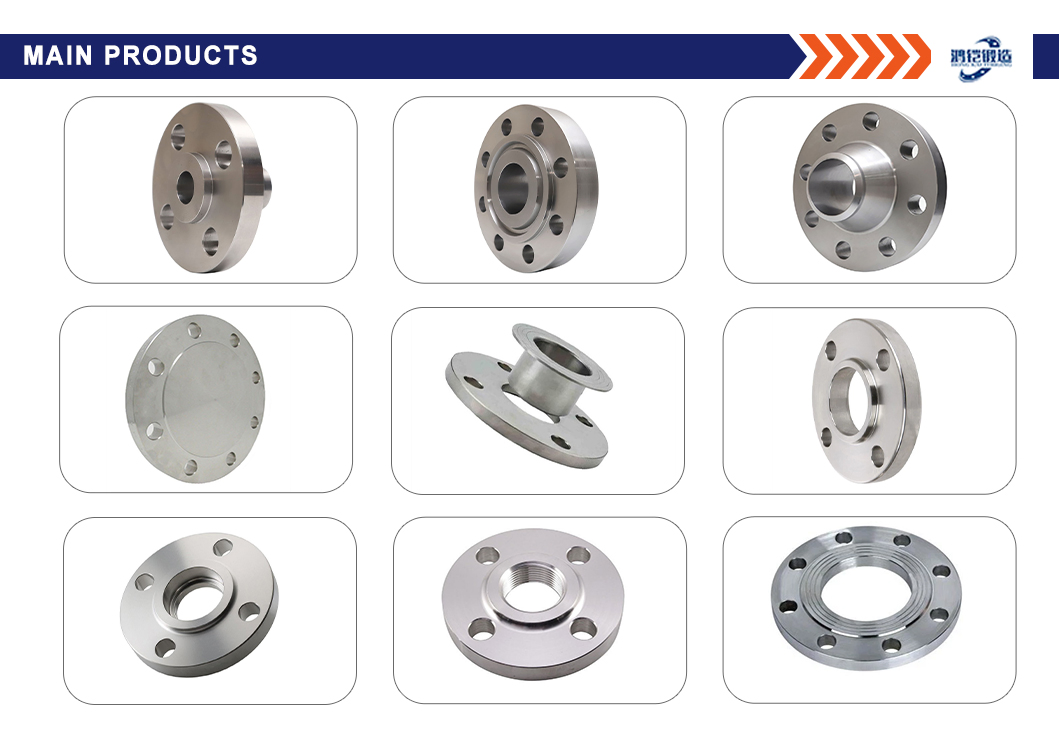
Reducing Flange
Material: Carbon Steel, Alloy Steel and Stainless Steel
Thickness: According to ASME, EN, DIN, JIS or customized drawing
Standard: ASME B16.5, ASME B16.47, EN 1092-1, DIN, JIS, Custom Drawing
Class Range: Class 150 to 2500, PN6 to PN100
Flange Face Type: RF, FF, MFM, TG, RJ
End: Reduced bore / Customized bore
Connection: Welding / Bolted connection
Manufacturing Process: Forging, Heat Treatment, Machining, Drilling
The reducing flange features a special reduced bore design, allowing pipes of different diameters to be connected directly. It provides a compact and economical transition solution for pipeline systems where space, weight, and installation cost need to be controlled.
It complies with standards such as ASME B16.5, ASME B16.47, EN 1092-1, DIN, JIS, and GOST, available in Class 150-2500 and PN6-PN100, with materials including carbon steel, stainless steel, and alloy steel.
Widely used in oil and gas, petrochemical, chemical processing, power generation, water treatment, and general industrial piping systems.
Reducing Flange- High-Performance Industrial Connection Solution
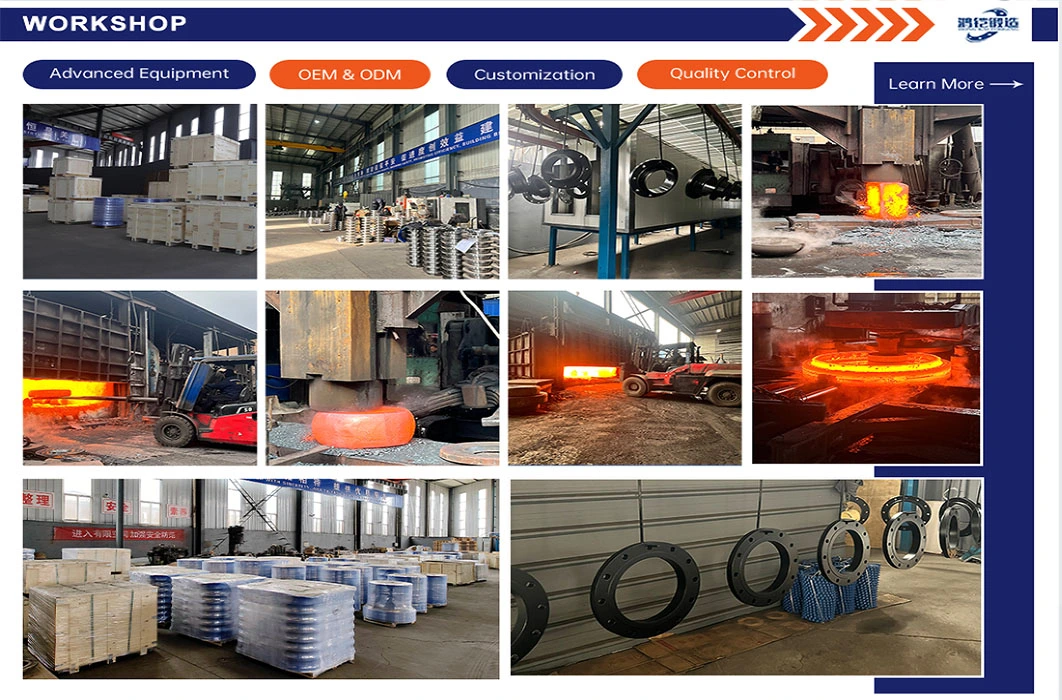
Shanxi HongKai Forging Co., Ltd. specializes in manufacturing premium Reducing Flange products" target="_blank">products with integrated production capabilities spanning forging, heat treatment, machining, and comprehensive quality testing. Our enterprise-level solutions feature specifications ranging from DN15 to DN4000, pressure ratings up to Class 2500, and compliance with multiple international standards including ASME B16.5, EN1092-1, and DIN. With three department workplaces and free import-export rights, we provide prevalent channeling association arrangements for requesting mechanical applications worldwide.
What is Reducing Flange
A Reducing Flange is a special flange used to connect a larger pipe to a smaller pipe directly. Unlike standard flanges with the same bore size as the pipeline, reducing flanges have a reduced inner bore to match the smaller pipe diameter.
This design can replace a standard flange plus reducer combination, helping reduce installation space, welding work, material cost, and total pipeline weight.
Reducing flanges are especially useful in pipeline systems where flow direction changes from a large pipe size to a smaller pipe size, or where equipment nozzles and pipeline diameters are different.
Reducing Flange Specifications
| Standard | Type | Class / Pressure Rating | Size Range | Material Options |
|---|---|---|---|---|
| ASME B16.5 | Reducing Flange | Class 150-2500 | NPS 1/2”-24” | ASTM A105, A182, A350 |
| ASME B16.47 | Large Size Reducing Flange | Class 75-900 | NPS 26”-60” | Carbon Steel, Alloy Steel |
| EN 1092-1 | Customized Reducing Flange | PN6-PN100 | DN15-DN4000 | P250GH, S235JR, Stainless Steel |
| DIN | Reducing Flange | PN6-PN100 | DN15-DN2000 | Carbon Steel, Stainless Steel |
| JIS B2220 | Reducing Steel Flange | 5K, 10K, 16K, 20K | DN15-DN1500 | SS400, SUS304, SUS316 |
| Custom Drawing | Non-standard Reducing Flange | Customized | Customized | Customized Materials |
| Sealing Surface | RF, FF, MFM, TG, RJ | - | - | - |
| Coating | Varnish, Black Paint, Anti-rust Oil, Galvanizing | - | - | - |
Additional Specifications:
- Face Types: Raised Face (RF), Flat Face (FF), MFM, TG, Ring Type Joint (RJ)
- Bore Type: Reduced bore, stepped bore, customized bore
- Connection Method: Bolted connection with welding pipe end
- Surface Finish: 125-250 μin Ra for sealing surfaces
- Custom Service: Special bore size, special thickness, special drilling available
Reducing Flange Materials & Grades
Reducing flanges are available in a wide range of materials. The material should be selected according to pipeline medium, working pressure, temperature, corrosion environment, and project standard.
Carbon steel reducing flanges are commonly used in oil and gas, water treatment, construction, and general industrial systems. Stainless steel reducing flanges are suitable for chemical, food, pharmaceutical, and corrosive environments. Alloy steel and duplex materials can be used for high-temperature, high-pressure, or special working conditions.
| Material | Grade |
|---|---|
| Carbon Steel | ASTM A105, Q235, S235JR, C22.8, A350 LF2 |
| Alloy Steel | ASTM A182 F1, F5, F9, F11, F12, F22, F91 |
| Stainless Steel | ASTM A182 F304, 304L, F316, 316L, 321 |
| Duplex Steel | F51, F53, F55, S31803, S32205, S32750 |
| Nickel Alloy Steel | Inconel 600, Inconel 625, Incoloy 825, Hastelloy C276 |
| Copper Alloy | CuNi 90/10, CuNi 70/30 |
| Titanium | Grade 2, Grade 5, Grade 7 |
Reducing Flange Dimensions
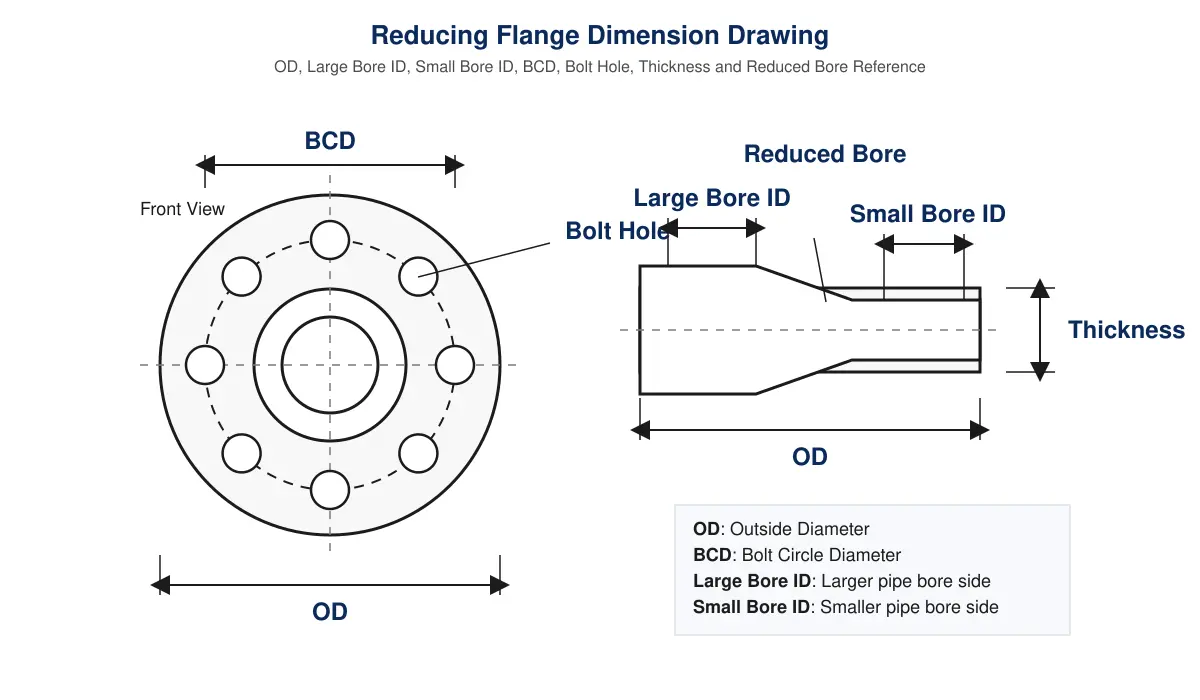
reducing-flange-dimension-drawing
| Dimension Item | Description |
|---|---|
| OD | Outside Diameter |
| Large Bore ID | Bore size matching the larger pipe side |
| Small Bore ID | Bore size matching the smaller pipe side |
| BCD | Bolt Circle Diameter |
| Bolt Hole | Bolt hole quantity and diameter |
| Thickness | Flange thickness |
| Reduced Bore | Transition bore for different pipe sizes |
| Face Type | RF, FF, RTJ, MFM, TG |
Reducing flanges can be manufactured according to standard dimensions or customer drawings. Key dimensions include outside diameter, flange thickness, reduced bore size, bolt circle diameter, bolt hole diameter, number of bolt holes, and sealing face type.
Advantages of Reducing Flange
Compact Pipeline Connection
Reducing flanges connect different pipe sizes directly, reducing the need for additional reducer fittings.
Lower Installation Cost
Compared with using a standard flange plus reducer, reducing flanges can reduce welding work, material cost, and installation time.
Space-Saving Design
The compact structure is suitable for equipment connections or pipeline systems with limited installation space.
Flexible Bore Customization
The bore can be customized according to pipe size, wall thickness, and project requirements.
Wide Standard Compatibility
Reducing flanges can be produced according to ASME, EN, DIN, JIS, GOST, and custom drawings.
Reliable Sealing Performance
Accurate machining and suitable sealing face treatment help ensure stable flange connection performance.
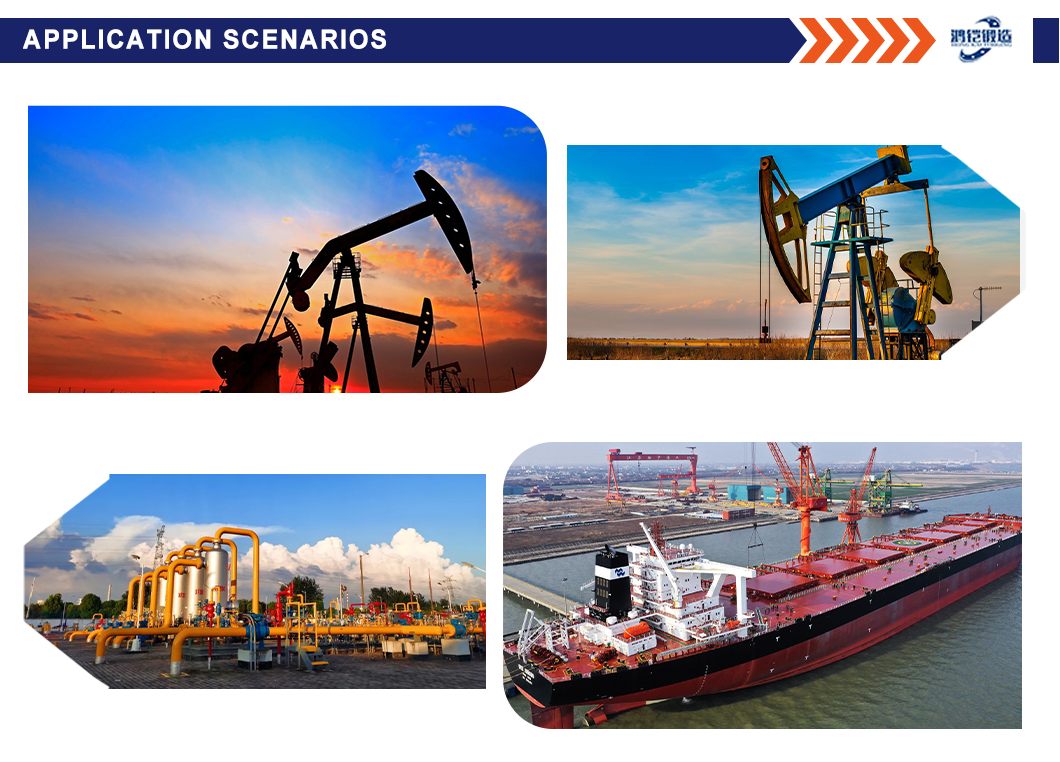
Applications
Oil and Gas Industry
Used for pipeline size transition in oil transmission, gas pipelines, refinery systems, and offshore platforms.
Petrochemical Plants
Suitable for process pipelines where different pipe diameters need to be connected safely and efficiently.
Power Generation
Used in steam, cooling water, and auxiliary pipeline systems.
Chemical Processing
Stainless steel and alloy reducing flanges are suitable for corrosive media and special working conditions.
Water Treatment
Used in pump stations, water supply systems, drainage pipelines, and treatment facilities.
Industrial Equipment Connection
Suitable for connecting equipment nozzles, valves, pumps, and pipelines with different diameters.
Why Choose Us
Comprehensive Fabricating Capabilities
We coordinated manufacturing, warm treatment, machining, testing, and bundling beneath one roof. You get steady quality control all through the whole generation process.
International Standards Compliance
Our products meet ASME, EN, DIN, JIS, and GOST standards. You can specify the exact requirements for your regional applications with confidence.
Extensive Estimate Run
From DN15 to DN4000, we cover essentially all mechanical necessities. Your ventures advantage from single-source obtainment convenience.
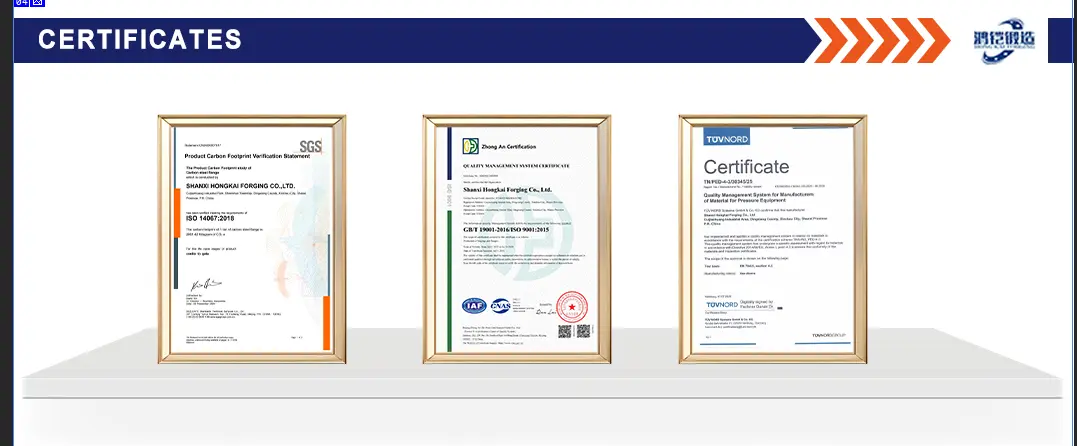
Quality Affirmation
Progressed testing offices guarantee each product meets details. You get certified items with total traceability documentation.
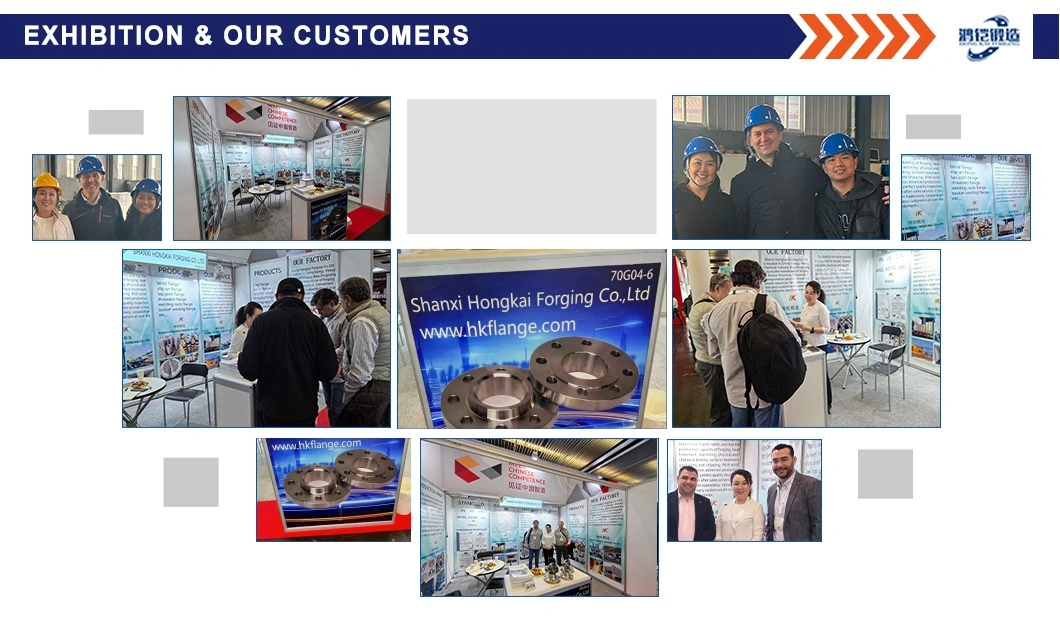
Global Trade Involvement
Our items serve markets over Europe and the Americas. You work with demonstrated providers who get it worldwide quality expectations.
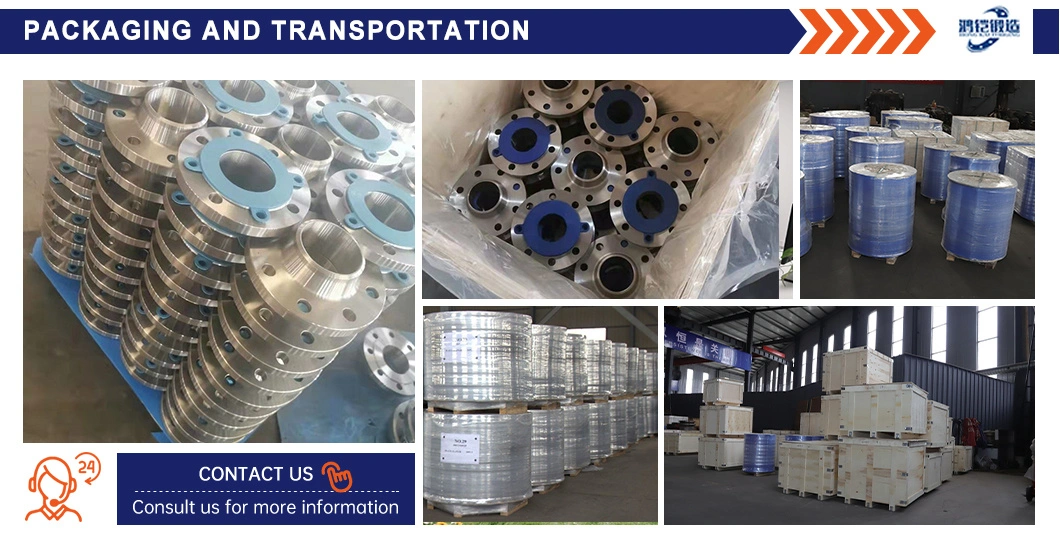
Competitive Preferences
Prevalent quality, competitive estimating, secure bundling, and quick conveyance combine to back your extend timelines and budgets.
FAQ
Q: What is a Reducing Flange?
A: A reducing flange is a flange used to connect pipes of different diameters. It has a reduced bore to match the smaller pipe size.
Q: Can Reducing Flange replace a reducer fitting?
A: In many pipeline designs, yes. It can replace a standard flange plus reducer combination, saving space and installation cost.
Q: What standards are available?
A: Reducing flanges can be supplied according to ASME B16.5, ASME B16.47, EN 1092-1, DIN, JIS, GOST, and custom drawings.
Q: What materials can be used?
A: Common materials include carbon steel, stainless steel, alloy steel, duplex steel, nickel alloy, copper alloy, and titanium.
Q: Can the bore size be customized?
A: Yes. The reduced bore, stepped bore, thickness, drilling pattern, and sealing face can be customized according to project drawings.
Contact Us
Ready to enhance your piping systems with premium Reducing Flange solutions? Contact kevin.zhao@hkflange.com for technical specifications and competitive quotations today.
Clear Communication, and Reliable Technical Support