- English
- French
- German
- Portuguese
- Spanish
- Russian
- Japanese
- Korean
- Arabic
- Greek
- German
- Turkish
- Italian
- Danish
- Romanian
- Indonesian
- Czech
- Afrikaans
- Swedish
- Polish
- Basque
- Catalan
- Esperanto
- Hindi
- Lao
- Albanian
- Amharic
- Armenian
- Azerbaijani
- Belarusian
- Bengali
- Bosnian
- Bulgarian
- Cebuano
- Chichewa
- Corsican
- Croatian
- Dutch
- Estonian
- Filipino
- Finnish
- Frisian
- Galician
- Georgian
- Gujarati
- Haitian
- Hausa
- Hawaiian
- Hebrew
- Hmong
- Hungarian
- Icelandic
- Igbo
- Javanese
- Kannada
- Kazakh
- Khmer
- Kurdish
- Kyrgyz
- Latin
- Latvian
- Lithuanian
- Luxembou..
- Macedonian
- Malagasy
- Malay
- Malayalam
- Maltese
- Maori
- Marathi
- Mongolian
- Burmese
- Nepali
- Norwegian
- Pashto
- Persian
- Punjabi
- Serbian
- Sesotho
- Sinhala
- Slovak
- Slovenian
- Somali
- Samoan
- Scots Gaelic
- Shona
- Sindhi
- Sundanese
- Swahili
- Tajik
- Tamil
- Telugu
- Thai
- Ukrainian
- Urdu
- Uzbek
- Vietnamese
- Welsh
- Xhosa
- Yiddish
- Yoruba
- Zulu
What Is a Slip On Flange and Why Choose It for Your Project?
Knowing the right type of flange can save you a lot of time and money when you're looking at piping parts for your next commercial job. A Slip On Flange is a cheap way to connect two pipes. It fits over the end of the pipe and is held in place with fillet welds on both the inside and outside. This two-welding method makes sure the structure is strong and gives you more positioning options while you're making it. Slip On Flanges are made for medium to low pressure applications in non-critical service environments. They are moderately strong and easy to install, which is why they are the best choice for water supply systems, general manufacturing facilities, heating networks, and low-pressure chemical pipelines where cost and ease of assembly are very important.
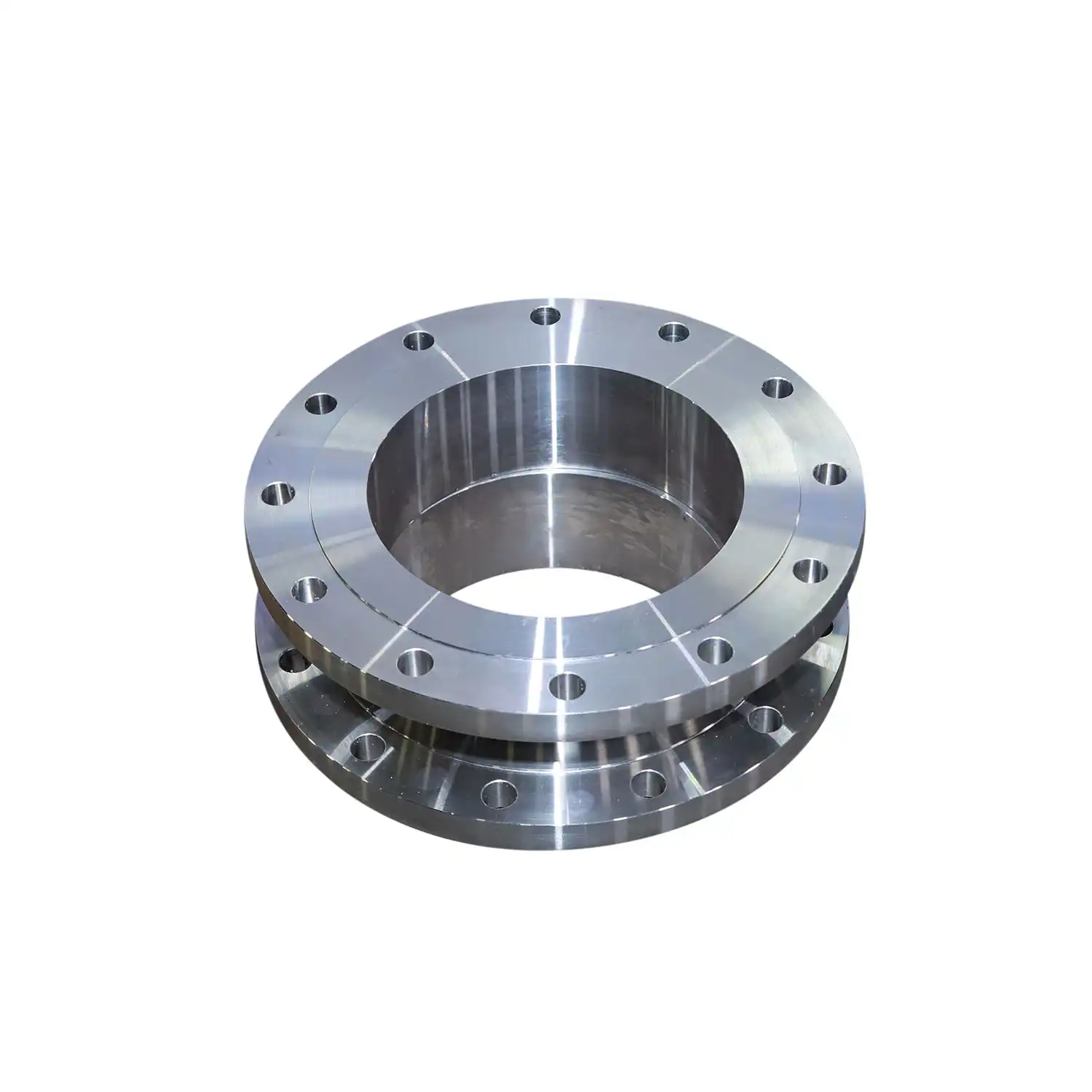
Understanding Slip On Flanges: Definition and Specifications
Core Design and Engineering Principles
The Slip On Flange design stands out because it is easy to put on without any problems. Weld neck flanges need pipe ends to be beveled and perfectly aligned, but this part fits the pipe inside its hole, so makers can slightly change the length of the pipe while putting it together. This feature solves a common alignment problem that comes up in complicated pipe isometrics where it's hard to keep the cut lengths exactly the same. The flange gets two fillet welds, one at the inner hub joint and one at the outer pipe surface. This makes a strong seal that stops leaks when the pressure is on. Engineers like this design because it gets rid of the need for on-site accurate cutting tools. The bore width usually stays within tight limits of about ±0.1mm, which makes sure the part fits right and allows for heat expansion during use. Compared to weld neck options, the lower hub profile makes the total material lighter. This makes it easier to handle during installation and lowers the cost of shipping for big orders.
International Standards and Dimensional Compliance
Standard compliance guarantees Slip On Ribs coordinated easily into worldwide channeling frameworks. Generation regularly takes after ASME B16.5 for NPS ½"–24" (Course 150–600), EN 1092-1 for DN10–DN2000 (PN6–PN100), and JIS B2220 for 10K–40K weight classes. Extra benchmarks such as ASME B16.47 (expansive breadths) and AWWA C207 (water frameworks) extend application scope, whereas GOST compliance underpins CIS locale ventures. These measures control basic measurements like jolt circle breadth, rib thickness, and confront sort, guaranteeing tradable, auxiliary security, and reliable execution over universal designing and obtainment requirements.
Material Selection and Performance Characteristics
Material determination decides erosion resistance, mechanical quality, and benefit life. ASTM A105 carbon steel is broadly utilized for steam, warming, and common utility frameworks up to 800°F due to its quality and weldability. ASTM A182 F304/316 stainless steel gives prevalent erosion resistance for chemical, marine, and food-grade situations, with chromium shaping a detached defensive layer. Amalgam steels are utilized for specialized high-temperature or cryogenic applications. Accessible sizes from DN15 to DN5000 and weight appraisals from PN6 to PN160 permit engineers to coordinate spine determinations absolutely to framework requests without overdesign or pointless taken a toll escalation.
Why Choose Slip On Flanges? Key Advantages for Your Project
Economic Benefits and Installation Efficiency
Many choices about what to buy are based on budget, so cost-effectiveness is an important selection factor. By using less material and making the manufacturing process easier, Slip On Flanges save a lot of money compared to weld neck options. When the smaller hub shape is forged, it uses less raw material, which directly lowers the base cost. Because alignment standards are not as strict, installation teams can finish putting things together faster. This saves money on labor costs for big projects with hundreds of connections to make. Once the pipe is in place, the design lets the length be changed without having to do expensive repair if measurements taken in the field don't match up with shop plans. This versatility comes in handy when retrofitting an old building with limited space due to existing equipment. Fabricators can make small changes to the final assembly without sending the pipes back to the cutting station. This helps them stick to the project plan and avoid fees for being late. Access for maintenance stays easy—the obvious external weld lets testers check the integrity of the joint during regular safety checks without taking the whole thing apart.
Operational Reliability Across Service Conditions
Slip On Spines perform well in low-to-medium weight frameworks such as Course 150 and 300 applications, counting cooling water, discuss dissemination, and wastewater dealing with. Their dual-weld arrangement moves forward fixing unwavering quality indeed beneath warm cycling conditions. Appropriate fabric determination guarantees erosion resistance suited to handle conditions, with stainless steel favored for gently destructive situations. Carbon steel remains appropriate for clean utility administrations. Controlled fabricating forms, counting warm treatment and mechanical testing, guarantee reliable quality and execution. This makes them dependable for common mechanical benefit where extraordinary weight or weakness stacking is not dominant.
Versatility Across Industrial Applications
Slip On Spines are broadly utilized over businesses due to their adjust of fetched and execution. In water treatment plants, they are perfect for expansive channeling systems working at direct weight. HVAC frameworks advantage from their lightweight structure, diminishing stack on back systems. Petrochemical plants utilize them for utility lines such as discuss, water, and vent frameworks, saving higher-grade ribs for basic forms. They are moreover common in marine counterweight frameworks, fire security pipelines, and common fabricating utilities, where ease of establishment and fetched effectiveness are key venture requirements.
Comparing Slip On Flanges with Other Flange Types for Optimal Decision Making
Structural Differences and Installation Considerations
Engineers select flanges based on pressure, alignment, and maintenance needs. Weld neck flanges distribute stress and suit high pressure and thermal cycling but cost more. Socket weld flanges use fillet welds for smaller bore systems. Lap joint flanges allow rotation for easy alignment and frequent disassembly in maintenance operations settings. Threaded flanges don't need to be welded at all because they have NPT or parallel threads. This makes them perfect for low-pressure situations where hot work permits are hard to get or where installation is done by people who aren't welders. For separation, blind flanges can be used to seal pipe ends or valve joints. They come in all pressure classes. Each design meets a certain set of engineering needs. Slip On Flanges are the most useful middle ground because they balance cost, fitting speed, and strength for medium-pressure service.
Application Scenarios and Decision Criteria
Flange choice depends fundamentally on weight, temperature, and benefit conditions. Slip On Ribs are reasonable for Lesson 150–300 frameworks beneath direct mechanical stretch. Weld neck spines are required for high-pressure or fatigue-prone applications over Course 400. Extraordinary temperatures—below -20°F or over 800°F—often require weld neck plans for auxiliary soundness. Liquid corrosiveness too impacts fabric choice notwithstanding of rib sort. Financial assessment appears Slip On Spines can decrease add up to establishment costs by 40–60% compared with weld neck plans, making them reasonable for large-scale, cost-sensitive ventures, whereas weld necks stay basic for basic high-integrity pipelines.
Procurement Guide: How to Buy and Source Slip On Flanges Effectively?
Identifying Qualified Suppliers and Verifying Credentials
Reputable manufacturers hold ISO 9001 and API 6A certifications, proving quality control and metallurgical testing capabilities. Request material test records (MTRs) listing chemical makeup and mechanical properties. Dimensional inspection records ensure ASME or EN compliance. Manufacturers handling in-house forging, heat treatment, drilling, and testing outperform intermediaries. Shanxi Province offers competitive pricing through forging expertise. Three workshops manage small custom orders to large project quantities while maintaining quality.
Understanding Price Drivers and Optimizing Order Economics
Larger diameters and higher pressure classes increase raw material and machining costs. Specialty alloys (Inconel, duplex) cost more than carbon steel. Volume orders enable economies of scale, lowering per-unit costs. Blanket purchase orders with scheduled releases secure discounts. Custom specs and third-party inspection (Lloyds, Bureau Veritas, TÜV) add engineering and QA costs. Balance quality assurance against excessive requirements to optimize budgets without compromising safety.
Managing Delivery Logistics and After-Sales Support
20-foot containers efficiently hold large flange quantities. Air freight meets urgent needs at higher cost. Standard sizes in common materials ship in 4-6 weeks; custom orders take 10-12 weeks. Accurate project timelines prevent expediting fees. Experienced suppliers provide fitting tips, gasket suggestions, and bolt torque recommendations. Engineering support quickly resolves field problems. HONG KAI FORGING offers lifecycle assistance from initial specifications to post-installation troubleshooting.
Building Trust: Top Slip On Flange Brands and Manufacturers to Know
Evaluating Manufacturer Capabilities and Market Reputation
Leading makers stand out by always delivering high-quality goods and having a lot of technical know-how. European manufacturers usually put a lot of emphasis on precise engineering and strict testing procedures, which is reflected in the high prices. North American makers serve local markets by delivering quickly and providing direct technical support, which is helpful for projects that need quick responses or a lot of engineering teamwork. Asian makers, especially those in China's well-established industry areas, use cutting-edge production technology and smart business practices to make their products. Shanxi Hongkai Forging is a good example of this because it has facilities that can make parts of all sizes, from DN15 to Slip On Flange DN4000. Our thirty years of experience in making have led to improved production methods that ensure accurate measurements and consistent materials. The name "Hometown of Forging" comes from the fact that people in the area have been working with metals for many generations. To properly evaluate supplier reviews, one must go beyond marketing boasts and consider real customer experiences. When a supplier has long-term relationships with big engineering firms or EPC companies, it means that they have been reliable on many projects. Certifications from reputable groups make sure that what is said is true. For example, ISO certification checks the quality of systems, and product certifications make sure that products meet standards. Our clients' testimonials consistently highlight on-time delivery, thorough documentation, and quick expert help, all of which have a direct effect on the success of the project.
Certification Standards and Quality Assurance Programs
Comprehensive quality systems go beyond ISO certification by using statistical process control to monitor production trends and prevent nonconforming parts. Non-destructive testing such as ultrasonic, magnetic particle, and radiographic inspection ensures internal and surface integrity. Full material traceability tracks each steel heat from mill certification to shipment. XRF verification confirms correct alloy grades before machining. Pressure testing validates rated performance, with optional witnessed inspections for clients. Third-party audits reinforce compliance. HONG KAI FORGING applies chemical, tensile, impact, and hardness testing to ensure full specification compliance before delivery, reducing field risks and delays.
Building Long-Term Supplier Partnerships
Strategic relationships with suppliers have perks that go beyond individual deals. Preferred sellers learn your requirements and quality standards, which cuts down on mistakes and speeds up future sales. Framework deals set price and delivery terms for a number of projects. This makes managing purchases easier and speeds up the project activation process. Working together on technical issues helps make sure that standards are the best they can be in terms of cost and efficiency. Experienced makers can find ways to meet useful needs with standard designs instead of unique ones, which saves money without sacrificing suitability. Early participation of suppliers in the design process avoids specification issues and finds long-lead items that need to be ordered ahead of time. Reliable supply lines lower the risks of a project. By keeping enough popular sizes in stock, manufacturers can meet emergency substitute needs without having to shut down production, which would be expensive. Our established export relationships and foreign service network make sure that we can reliably send to markets in Europe, the Americas, and other parts of the world. This dependability is especially helpful for projects with multiple stages or building expansions, where a steady supply makes operations easier and keeps costs predictable over longer periods of time.
Conclusion
To choose the right pipe parts, you have to balance technical needs with project deadlines, budgets, and restrictions. Slip On Flanges are useful for medium-to-low pressure uses where specs are driven by cost-effectiveness and installation speed. Global compatibility is ensured by their agreement with international standards such as ASME B16.5, EN 1092-1, DIN, JIS, and GOST. A variety of materials, from carbon steel to specialty alloys, are available to meet a wide range of working conditions. Knowing the changes in design between different types of flanges, like weld neck, socket weld, and others, helps you make smart purchasing choices that are in line with the needs of the project. Partnering with well-known makers that offer full quality assurance, expert support, and reliable logistics changes buying parts from a one-time transaction to a long-term partnership that helps the business succeed.
FAQ
1. What material should I specify for corrosive service applications?
Grades ASTM A182 F304 or F316 stainless steel are better at resisting corrosion in chemical processes, marine settings, and places where acidic or chloride-containing fluids are used. When compared to F304, F316 is better at resisting pitting and fissure rust. Carbon steel is good for uses that don't cause rust, like steam, compressed air, and fuel systems that use corrosion inhibitors.
2. How do slip on flanges compare to weld neck flanges for installation complexity?
Slip-on flanges make installation easier because they don't need pipe ends to be cut and don't need to be aligned with great accuracy. Fabricators can change the length of the pipe after it has been placed, but with weld neck flanges, the pipe has to be cut exactly and carefully lined up before it is welded. This difference means less work for less money and faster building, especially on big projects with lots of links.
3. Can I order custom dimensions for non-standard project specifications?
Custom requests for non-standard bore diameters, pressure levels, or material grades can be filled by manufacturers like HONG KAI FORGING. Custom production needs to be reviewed by engineers, has longer wait times, and usually has a minimum order quantity to warrant setting up the tools. Giving exact details about your needs, such as the rules that apply, the working conditions, and the certifications that are needed, will help you get a good quote and make sure that the finished products exactly meet your needs.
Partner with HONG KAI FORGING for Your Slip On Flange Requirements
HONG KAI FORGING offers approved Slip On Flange solutions and has been forging well for 30 years in the industrial center of Shanxi Province. Our combined production skills, which include forging, heat treatment, precision machining, and thorough testing, make sure that the quality is the same for all sizes, from DN15 to DN5000. Whether your project needs corrosion-resistant stainless steel for chemical handling or carbon steel flanges for utility systems, our engineering team can help you find the right materials and specs for the job. We offer competitive pricing, reliable delivery to places around the world, and helpful technical support throughout the lifetime of your project to procurement managers, project engineers, and supply chain experts in the energy, petrochemical, water treatment, and industrial sectors. Email our team at kevin.zhao@hkflange.com to talk about your needs, get full quotes, or find out how working with a reliable slip-on flange provider can help you save time and money on your purchases and projects.
References
1. American Society of Mechanical Engineers. ASME B16.5: Pipe Flanges and Flanged Fittings. New York: ASME Press, 2020.
2. European Committee for Standardization. EN 1092-1: Flanges and Their Joints - Circular Flanges for Pipes, Valves, Fittings and Accessories. Brussels: CEN Publication, 2018.
3. Becht, Charles IV. Process Piping: The Complete Guide to ASME B31.3. New York: ASME Press, 2019.
4. Ellenberger, J. Piping and Pipeline Calculations Manual: Construction, Design Fabrication and Examination. Burlington: Elsevier Science, 2014.
5. Nayyar, Mohinder L. Piping Handbook, Eighth Edition. New York: McGraw-Hill Education, 2016.
6. American Water Works Association. AWWA C207: Steel Pipe Flanges for Waterworks Service, Sizes 4 In. Through 144 In. Denver: AWWA Standards, 2017.
Clear Communication, and Reliable Technical Support